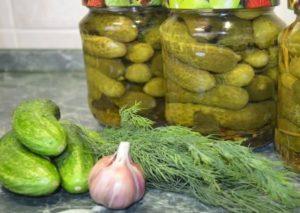
Tarragon, a member of the Artemisia family, lacks the bitterness typical of this plant. On the contrary, it imparts a captivating anise aroma and a pleasant flavor to dishes, and it contains a wide variety of health-promoting essential oils. Therefore, many cooks prefer to use a few tarragon leaves for pickling cucumbers.
A little about tarragon
Tarragon is considered a dietary product due to its easily digestible carbohydrates. Tarragon also contains large amounts of calcium, magnesium, potassium, and various vitamins. This is why tarragon is widely used in cooking. It's worth noting that tarragon is relatively high in calories for a plant-based product—25 calories per 100 grams. However, due to its rich flavor and aroma, small amounts of this plant-based ingredient are used in cooking, without significantly affecting the nutritional value of the finished dish.
Beneficial properties
The plant's composition determines its high health benefits. Tarragon is primarily valued for its high concentration of essential oils. These components have a beneficial effect on the body:
- improve appetite;
- normalize sleep and wakefulness patterns;
- improve the quality of sleep;
- normalize digestive function;
- combat the regular occurrence of headaches;
- increase the body's resistance to stress;
- eliminate inflammatory processes developing in the oral cavity;
- normalize the process of urination.
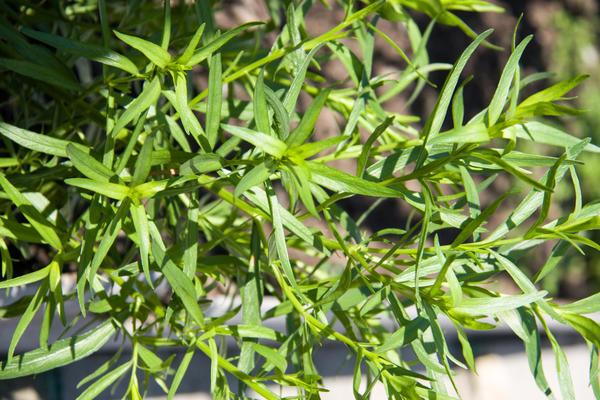
It's worth noting that these components have a very high beneficial effect on the body. For example, tinctures or decoctions made with tarragon are recommended for regular use to combat acute cystitis.
Tarragon tincture can also be used for topical treatment of burns, eczema, and scabies. For the elderly, this natural remedy is beneficial because it improves circulation, strengthens vascular walls, protects the body from atherosclerosis, and enhances potency. During menopause, tarragon can alleviate symptoms and shorten the period of hormonal adjustments in the body.

Who is contraindicated in tarragon?
In addition to its beneficial properties, tarragon also has a number of disadvantages. If this product is used incorrectly or in excess, nausea, cramps, or vomiting may occur. In exceptional cases, a person may suffer from loss of consciousness.
To avoid such side effects, you need to know about the contraindications to the use of tarragon:
- gastritis;
- individual intolerance to the product;
- ulcers.
Tarragon is also not recommended for use during pregnancy, as it increases the risk of miscarriage. Tarragon should also be avoided during lactation, as the baby may refuse breast milk or suffer from impaired digestion.

What does it give to cucumbers?
Tarragon is often used in cooking due to its beneficial properties. In addition to containing numerous vitamins and microelements, tarragon also boasts preservative properties. This is why tarragon is often added to the brine when pickling cucumbers for the winter, avoiding the use of vinegar or citric acid.
Tarragon added to brine also pairs beautifully with cucumbers, imparting a spicy flavor and subtle aroma. And the herb's rich vitamin content helps combat vitamin deficiency in winter.

Ingredients for tarragon pickles
Because tarragon acts as a preservative during the pickling process, this winter cucumber recipe eliminates the need for citric acid, vinegar, or large amounts of salt. This allows you to create crisp, lightly salted cucumbers with a pleasant, spicy flavor and an inviting aroma.
To do this you will need:
- 1 head of garlic;
- 3 small fresh chilies;
- 1 dried small chili;
- 1 stalk of fresh tarragon;
- 3 dill umbrellas;
- 3 cherry leaves;
- 5 blackcurrant leaves;
- 1.5 kilograms of fresh cucumbers;
- 2 oak leaves;
- 3 tablespoons of salt;
- 1.5 liters of water.
The specified quantities of ingredients are needed to prepare a 3-liter tarragon preserve. Once all the ingredients are prepared, you can begin preparing the preserve for the winter.
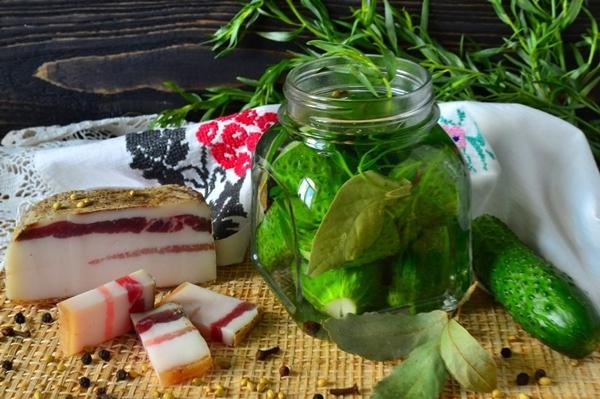
Steps for preparing pickled cucumbers with tarragon for the winter
To prepare delicious and crispy cucumbers for the winter, you will need to use the simple recipe below:
- Wash the cucumbers and place them in a large container. Cover the vegetables with cold water and leave to soak for 24 hours.
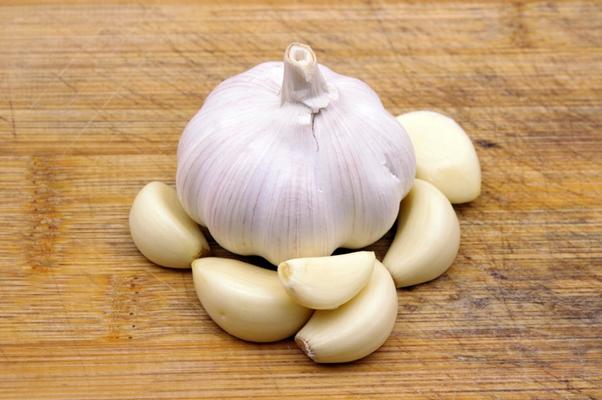
- The head of garlic is separated into cloves. Each clove is peeled, lightly crushed, and placed in the bottom of a pre-sterilized jar.
- Washed fresh chili pods are also added. The dried chili is broken into several pieces and also placed in a glass container.
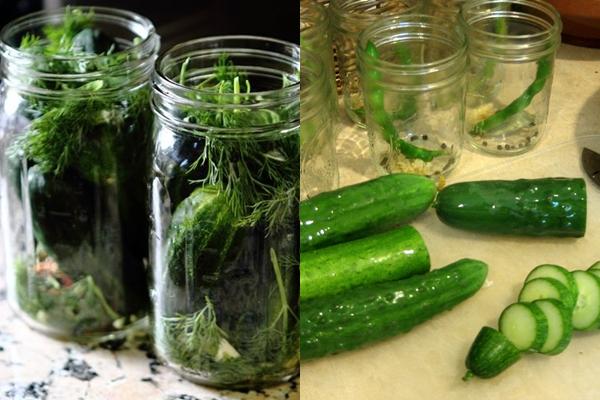
- Cherry, blackcurrant, and oak leaves are placed on top. A sprig of tarragon, previously rinsed under running water, is also added.
- Next, place the cucumbers in the jar. Maintain a vertical alignment when forming the bottom layer. The vegetables should be packed tightly, but the top layer can be placed in any direction.
- Cucumbers are pressed down with dill umbrellas. This is necessary to prevent the cucumbers from floating and coming into contact with the lid.
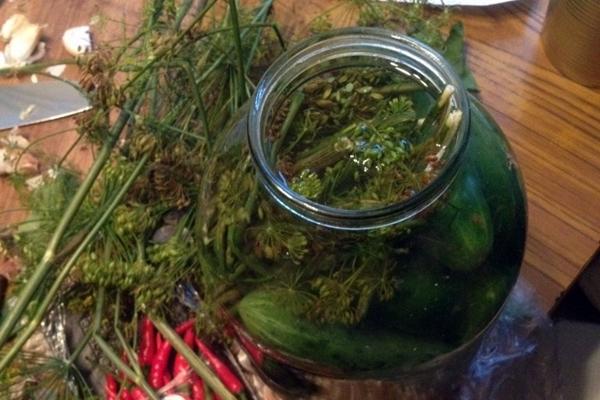
- Prepare the brine in a separate container. Salt is dissolved in water. Mix thoroughly and poured into the prepared mixture, covering the vegetables.
- Leave the jar at room temperature for 3 days. During this time, foam will begin to form around the neck, which should be removed promptly. Continue this process until the foam stops forming.
- After three days, drain the brine into a saucepan. Strain through cheesecloth. Add another 200 milliliters of water, stir, and bring to a boil. Skim off any foam from the surface.
- Meanwhile, cold water is poured into the jar containing the vegetables. The neck is closed, and the jar is gently shaken. The water is then poured out. This rinsing procedure is repeated four times.
- Canning lids are placed in clean water and boiled for several minutes. They are then removed from the boiling water and left to cool.
- The boiling brine is removed from the heat and poured into the container after 5 minutes. A brief cooling period is necessary to prevent the glass from cracking.
- The containers are rolled up and turned over. The preserves are moved to a cool place.
If desired, you can make the flavor of the preparation spicier by adding 5-10 allspice or black peppercorns to the bottom of the glass container.
How and how long are canned cucumbers stored?
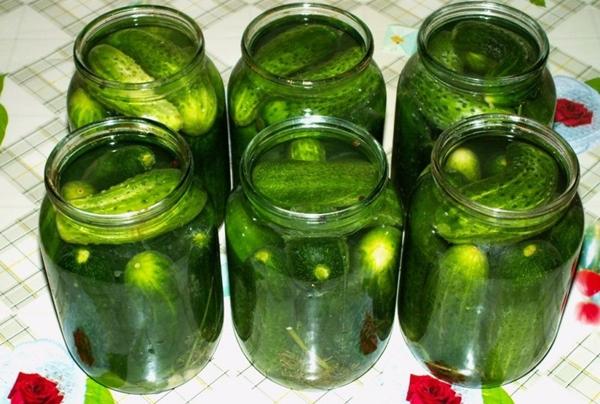
Cucumbers prepared according to this recipe can be eaten the next day. In this case, the pickle will be lightly salted. If you want to get pickled cucumbers, you need to wait 1-2 months. These pickled cucumbers should be stored in a cool place for 1 year.
Related posts:
 Planting and caring for tarragon in open ground, growing from seeds
 How to prepare pickled cucumbers in adjika for the winter without sterilization and Caucasian style: recipes
 Description and characteristics of tarragon varieties and types, planting and care rules
 Description of the best varieties of Chinese cucumbers, planting, growing and care
 TOP 10 recipes for quickly preparing lightly salted crispy cucumbers using cold and hot methods in a saucepan
 TOP 10 ways to freeze fresh and salted cucumbers at home for the winter
 Description of the best varieties of bee-pollinated cucumbers, rules for their formation and care
 TOP 30 best varieties of cold-resistant cucumbers with descriptions and characteristics