
Many medicinal and aromatic herbs were discovered in ancient times and were used by healers for various purposes. Today, numerous varieties and species of tarragon, also known as dragon's wormwood, are known. Due to its valuable composition and properties, this plant is considered one of the most sought-after, and it also has found use in cooking and medicine.
General information about the plant
Tarragon, also known as tarragon, is a perennial herb in the Asteraceae family. It is widely distributed in the wild, as well as in Eurasia, Eastern Europe, Mongolia, India, and North America. Bush tarragon is cultivated for culinary and medicinal purposes. While all varieties of this plant are typically highly aromatic, there are also less fragrant ones. The leaves and stems of the shrub contain valuable substances, including ascorbic acid, coumarins, flavonoids, and essential oils. Flowering occurs in the last month of summer.
Tarragon typically grows on dry slopes, gravelly soils, and, very rarely, in fields. This crop is considered frost-resistant, as the above-ground part dies off, while the powerful root system is deep in the ground and is not exposed to the cold. The plant requires little care and does not require fertilizer.
The harvest is only reaped in the second year after planting, as the first year is spent developing the rhizomes. Some varieties of tarragon can grow in the same location for more than five years without losing their flavor.
Known types of tarragon
Thanks to the work of domestic and international breeders, there are now more than ten species of this plant, each with its own distinct characteristics. Most varieties can be used for culinary and medicinal purposes, as well as in cosmetology and aromatherapy.
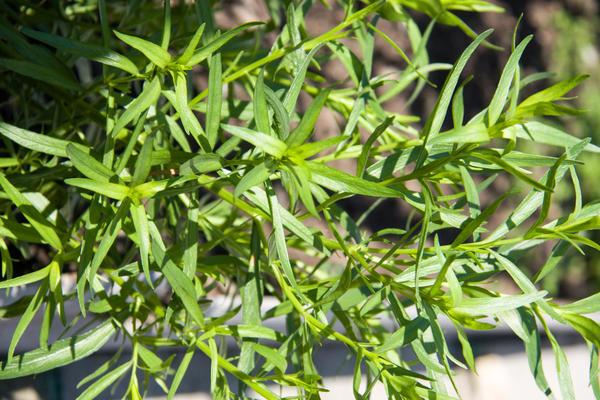
Mexican Aztec Tarragon
The Mexican Aztec is a bushy plant that grows up to 1.5 meters tall, branches extensively, and has a dense foliage. This plant has a strong, spicy aroma, with subtle hints of anise. A unique feature of this variety is its ability to grow in the same location for up to seven years. It is often used in cooking, as a seasoning for dishes and as a beverage additive.
Tarragon Goodwin
This variety has a distinctive characteristic—a strong, bright flavor and a slightly bitter aftertaste. It can be harvested for drying a year after planting. The plant grows up to one meter tall and thrives in open ground and indoors. A single bush can yield half a kilogram of this herb. Gardeners often use this cold-hardy shrub for preserves.
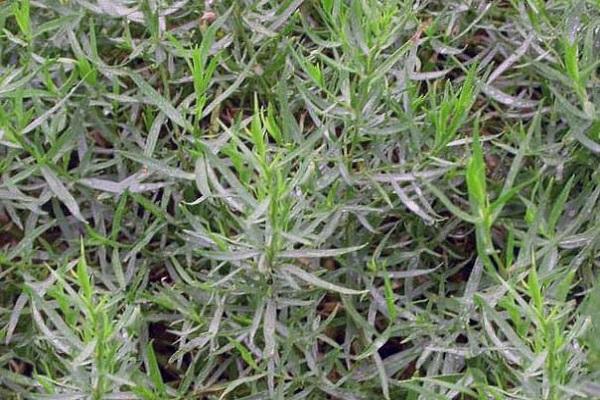
Gribovsky tarragon
This is a sought-after and popular variety due to its adaptability to any conditions. Furthermore, the plant tolerates severe frosts quite well and is extremely rarely susceptible to disease. It boasts bright, rich green leaves and can grow up to 100 centimeters. A distinctive feature is its ability to grow in one place for up to 15 years without losing its flavor. This variety is often used medicinally. The first leaves are harvested in the second year after planting.
Tarragon Monarch
A shrub with long, narrow emerald-hued leaves. This variety has a bright, refreshing, and rich flavor. Its aroma persists after drying. Suitable for growing in pots, it is used in cooking as a seasoning, as its aroma persists even after prolonged drying. It grows up to 1.5 meters tall and is frost-resistant. It is often used medicinally to improve digestion. The harvest interval is 135 days.
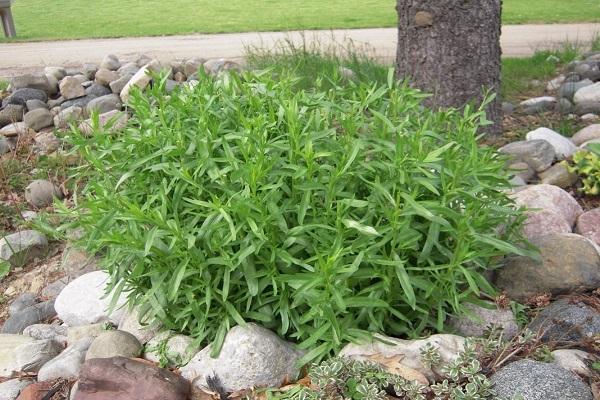
Tarragon Red Key
This meter-tall plant is distinguished by a bright, rich aroma. The first harvest can be collected as early as one month after germination. The shrub is distinguished by its delicate green inflorescences, robust stems, and large leaves. This variety is characterized by a high content of essential oils and retains its juiciness for a long time.
Valkovsky
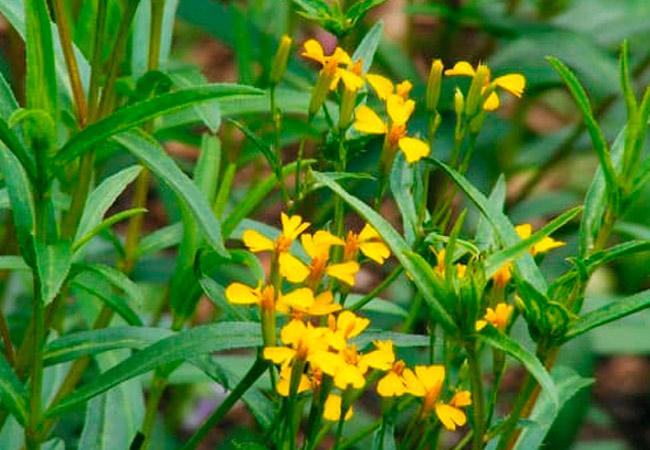
This is one of the most common varieties. Valkovsky's tarragon has matte leaves with a subtle aroma. It is a cold-hardy tarragon variety, but it does not tolerate overly waterlogged soil. It is resistant to disease and undemanding in terms of growing conditions. Its small white flowers contain a small amount of essential oil, which is used in perfumery and cooking.
Dobrynya
This is a low-growing variety, reaching up to one meter. This plant is used not only in meat dishes but also in the preparation of aromatic drinks. The leaves are light green, narrow, and long. This variety is frost-resistant, tolerates prolonged drought, and can grow in the same location for up to 10 years; however, dividing the bushes every three years is recommended. It is rich in vitamin C, essential oils, carotene, and ascorbic acid. It is used in folk medicine.
French
Cheesemakers and chefs highly value this variety for its flavor and vibrant aroma. For this reason, the plant is often added to the preparation of cheese wheels. Experienced cooks use it as a piquant addition to meat dishes and pickles. Cold-hardy shoots grow up to 150 centimeters long. This variety is known for its high yield—up to 700 grams can be harvested in a single season. The leaves are long but narrow, with a light green hue. Its bright, snow-white flowers make it a perfect addition to landscape designs.
Zhulebinsky Semko
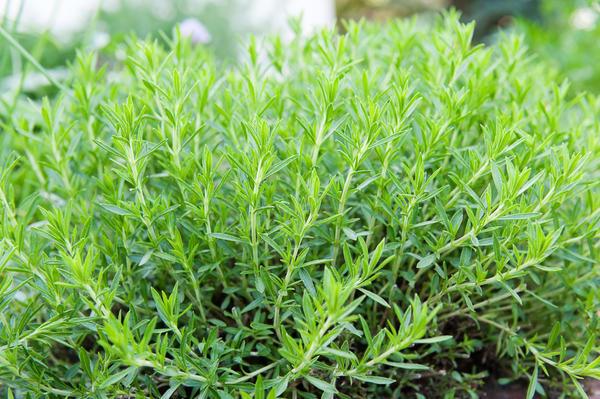
This variety is a small, compact shrub with long, matte green leaves. The plant also produces small, yellowish flowers. Its main characteristic is its ability to grow in one place for up to seven years. It grows up to 150 centimeters and is considered a versatile addition to dishes and drinks. Resistant to severe frosts, the harvest is harvested at monthly intervals.
King of Herbs
This shrub blooms exclusively in the summer. The plant grows up to 150 centimeters, similar to many other varieties. It has a refreshing aroma with hints of anise. The foliage contains substances that help preserve the color of foods, increase their strength, and can also enhance their flavor. It is often used medicinally. This perennial is fairly resistant to severe frosts, but does not tolerate prolonged drought well. The harvest is carried out at intervals of 2.5 months.
Take a look Also
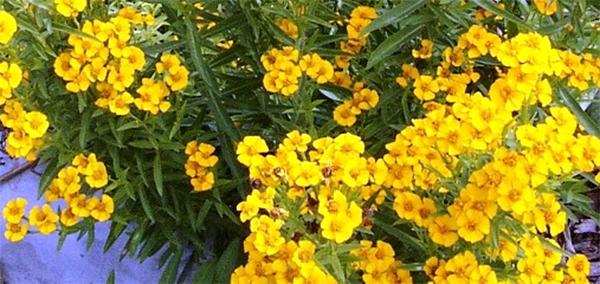
Emerald
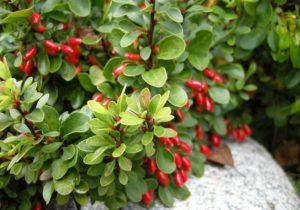
This shrub prefers flat, open areas. It's a small plant, one of the shortest, reaching 80 centimeters. The foliage is dense, and the stems are upright. This variety has yellowish flowers. It's often used as a seasoning for pickling and preserving vegetables. It's also often used as a decorative element in landscape design. The plant is resistant to frost and prolonged drought.
Which variety is better to choose?
When choosing a tarragon variety, consider your preferences and the plant's intended use. Some varieties are suitable for culinary use, while others are suitable for medicinal purposes. It's also important to consider factors such as frost resistance and disease susceptibility.
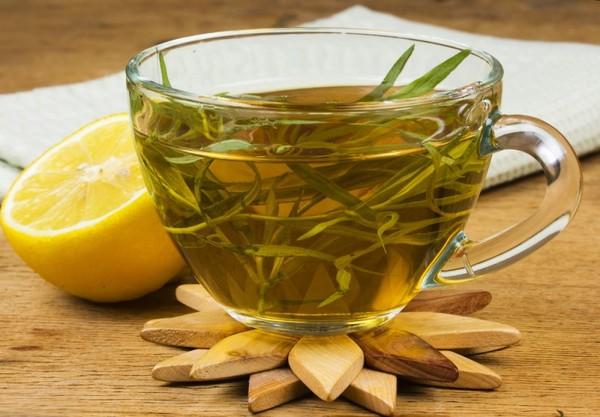
For example, the Monarch tarragon variety is a suitable preservative, so it's often used for canning vegetables. Varieties with anise flavor are suitable for culinary use.
It is recommended to give preference to species that can grow for a long time in one bed without replanting.
What can I use as a substitute for tarragon?
In culinary recipes, tarragon can be substituted with other herbs. The result is a wonderful dish that doesn't lose its flavor. In sauces, this ingredient can be replaced with a pinch of dried mint and fennel seeds. In some cases, anise is used instead. However, rosemary is the most common substitute.
When preserving, horseradish, currant leaves, cherry leaves, or bird cherry leaves are added instead. Furthermore, if tarragon is unavailable, it is often substituted with an equal amount of dill, basil, or marjoram.
Related posts:
 Description of 30 varieties and types of Muscat grapes, planting, cultivation and care
 The best grape varieties for growing in the Urals, planting and care rules in summer
 80 Best Eggplant Varieties for Different Regions with Descriptions and Characteristics
 Description and characteristics of the 60 best sea buckthorn varieties, how to choose depending on the region
 Description and cultivation of the 15 best cherry plum varieties for the Moscow region, planting and care rules
 Description of the 90 best varieties of beans for open ground with names
 Description and characteristics of the best seeds of pea varieties and types
 50 Best Pumpkin Varieties with Descriptions and Characteristics for Outdoor Planting