
- Turnip diseases and their treatment
- White rot
- Gray rot
- Blackleg
- Mosaic
- Kila
- Vascular bacteriosis
- Peronosporosis
- Powdery mildew of cruciferous plants
- Turnip pests and methods of control
- Cabbage moth
- The cutworm
- Wireworms or click beetles
- Stem nematode
- Summer cabbage fly
- Spring cabbage fly
- Turnip white butterfly
- Cruciferous flea beetles
- Cabbage butterfly
- How to prevent pests
- How to avoid diseases
Pests are a frequent companion of turnips, and problems can arise as a result of improper care and a lack of pre-planting preparation. Diseases and pests often damage not only the above-ground portions of the plant but also the roots, which negatively impacts the yield. At the first sign of disease, it's important to use special treatments to prevent further infestation.
Turnip diseases and their treatment
Turnip diseases often lead to reduced yields. The leaves turn yellow and fall off, the root crop barely develops, and the taste quality declines. The crop can be affected by a wide range of diseases, including the following.
White rot
This fungal disease manifests as a white coating on the stems and roots. As a result, the plant becomes waterlogged and quickly dies if left untreated. Treatment involves dusting the plant with chalk and spraying with copper sulfate. The affected area is cut off and removed.
Gray rot
The disease occurs due to improper care or the presence of weeds, which act as the causative agent. The problem manifests itself as a plaque on the roots, which leads to rotting. An unpleasant odor may develop in the area. Treatment involves spraying with copper sulfate and dusting with ash.
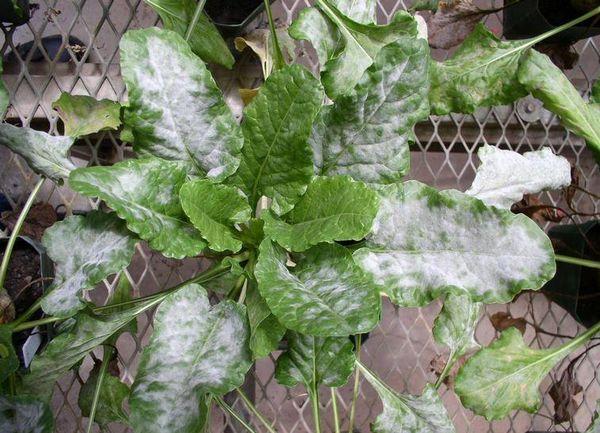 Important: Gray mold can occur on harvested crops as a result of improper storage and high humidity.
Blackleg
This type of disease is incurable. It appears as a black spot on the turnip when cut. The spot gradually enlarges and completely damages the entire root. The disease is caused by poor-quality planting material.
Mosaic
The plant is growing poorly, the bushes are small, and the roots are underdeveloped. Blurred patterns appear on the leaves. A solution of "Karbofos" is used for removal. Damaged parts of the plant are removed.
Kila
The problem manifests itself in the form of growths on the roots. The growths gradually enlarge, eventually leading to the complete death of the root portion. Damaged bushes are removed, and the growing area is treated with a weak solution of potassium permanganate.
Vascular bacteriosis
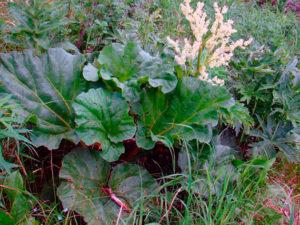
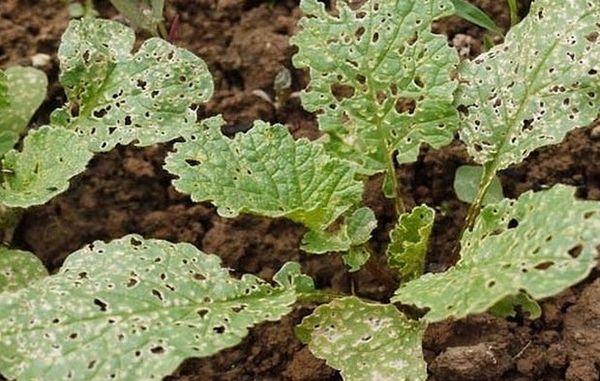
The disease manifests itself as yellowing of the leaves and gradual drying out. The disease spreads through planting material and therefore cannot be cured. Affected plants are removed. To prevent problems from occurring, growing turnips It is necessary to follow preventive measures and carefully process planting material.
Peronosporosis
The disease affects all parts of the plant. Yellow spots form on the leaves, gradually enlarging and leading to yellowing and shedding of the above-ground parts of the plant. Black spots form on turnips, which enlarge and lead to rot.
To prevent the disease, monitor soil moisture and loosen the soil regularly. If symptoms appear, spray with Bordeaux mixture or copper chloride.
Powdery mildew of cruciferous plants
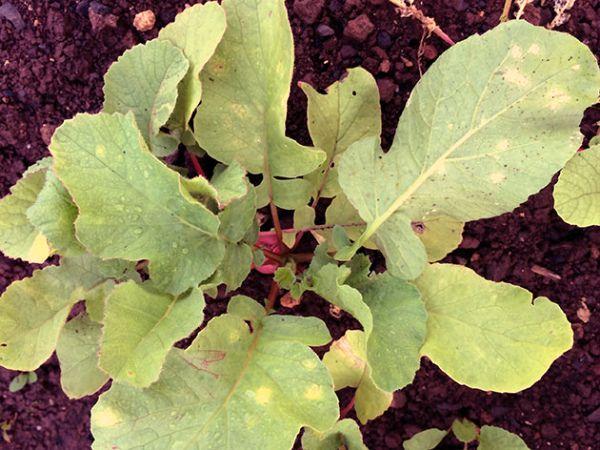
It most often damages seedlings. Symptoms appear as a loose, white coating. The disease causes leaves to turn yellow and dry out. Infected root vegetables are susceptible to rot and cannot be stored for long periods. To prevent the disease, seeds should be treated before planting. To eliminate the first symptoms, spray with Bordeaux mixture.
Turnip pests and methods of control
Turnips can be attacked by pests that not only damage the leaves but also cause the root portion to become unusable. To combat pests, it is necessary to know how to treat the crop.
Cabbage moth
These larvae feed on the green parts of the plant, as well as the root pulp. The larvae are small and green, making it difficult to spot the pest early. Insecticides such as Eurodim and Akiba are used to control cutworms. The plant should be re-sprayed 14 days after the initial treatment.
The cutworm
An insect that resembles a moth. While harmless to turnips, it lays eggs that feed on the leaves. Large infestations of the larvae damage the roots and cause significant damage to the crop. Insecticides are used to control turnips, which require watering not only the bush but also the soil around the plant.
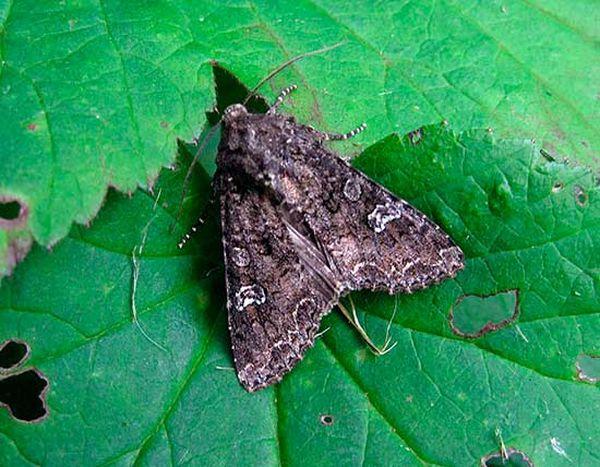
Wireworms or click beetles
These are beetle larvae that eat turnips and burrow into the flesh, thus damaging the crop. The caterpillars are small and can migrate to healthy plants. This pest is typically found in grass. To remove the pest, spray with potassium permanganate or an onion peel decoction. Deep tillage is also recommended before planting, as beetle eggs can be stored in the open ground.
Stem nematode
The pest is worm-like, white, and may not be immediately noticeable to gardeners. The worm has a narrowed portion called a spear. Using this portion, it damages plant cells, causing the death of the pulp and above-ground parts. The worms feed on both roots and leaves, often resulting in the complete death of turnips.
When infected, turnips stunt growth, and hard spots appear on the stems and roots. The root gradually deteriorates completely, and the infected vegetable cannot be stored. Infection occurs with the planting material, so treating the seeds with an insecticide or a manganese solution is necessary for prevention. Early detection of the pest helps preserve the harvest.
Summer cabbage fly
This type of pest appears in late June. The midges settle on the plant and lay eggs in the soil. Larvae emerge within 7 days, damaging the roots and leaves. The larvae can move along the soil and infect healthy plants. If holes are found in the turnip when cut, this indicates an infestation. Treatment involves spraying with Karbofos and Topaz, and dusting with wood ash is also considered effective.
Spring cabbage fly
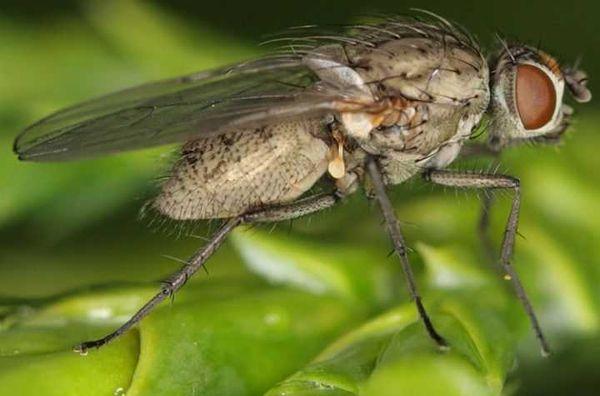
The fly is gray and resembles a housefly. It lays eggs that damage the roots and lead to the death of the crop. Turnip beds can be saved by dusting them with ash or tobacco dust. Properly treated planting material is also crucial. After harvesting, deep till the area and apply organic fertilizer.
Turnip white butterfly
The moth is small, up to 45 mm in length. It emerges in mid-May and lays eggs on plants, from which larvae hatch. The larvae feed on leaves, but in some cases can damage roots. To remove the pest, gardeners water the crops with water laced with insecticides, as most of the larvae may be in the soil. Manual collection is also used.
Cruciferous flea beetles
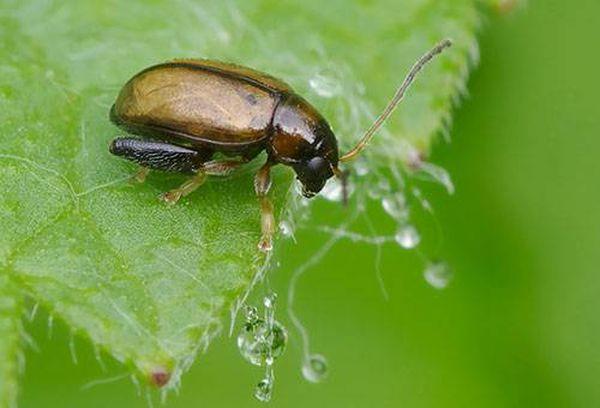
The insects are very small in size, so they are not noticeable when infested. The first signs of the pest are numerous holes in the leaves. Flea beetles can be controlled with tobacco dust, ash, and a solution of laundry soap. The bushes are treated every 10 days.
Cabbage butterfly
This pest is often called a mole cricket. The insect damages plant roots by eating away at the pulp, causing the plant to die. The first signs of infestation are plant weakness and the presence of tunnels in the soil. To remove the pest, poison is poured into the tunnels. Bottle traps can also be used for control.
Important: The mole cricket has wings, so it can move anywhere on the property.
How to prevent pests
To reduce the risk of pest attacks on turnips, follow these recommendations:
- dig up the soil thoroughly not only in autumn, but also in early spring;
- do not allow weeds to appear in large quantities;
- treat the landing areas with an antiseptic;
- If you notice leaves developing holes, use chemicals to control pests;
- use folk remedies against harmful insects, for example, planting wormwood or dusting the soil with ash;
- Remove worms from turnips in a timely manner using special chemicals.
After harvesting, burn any remaining tops and damaged roots. Mulch the area with wood chips or pine needles.
How to avoid diseases
Proper preparation of planting material can protect plants from potential diseases. Seeds should be treated with an antiseptic before planting. The soil should also be treated with a manganese solution, and the soil should be watered before planting. It's also important to select only pre-treated seeds that are free of disease strains.
To prevent turnips from becoming susceptible to disease, it is necessary to follow crop rotation rules and enrich the soil with all the beneficial components to strengthen the crop's immunity.
Turnips are a healthy root vegetable used in cooking. They contain a wealth of vitamins and can be used to treat illnesses. However, when planting turnips, it's important to carefully examine the condition of the planting material and promptly remove pests. Otherwise, the harvest may be lost, and infected roots will not store well and will lose their flavor.
Related posts:
 How to control onion flies using natural and chemical methods
 Causes of phylloxera in grapes, control measures with drugs and folk remedies
 How to propagate and grow peas, cultivation technology, and care in open ground
 How to combat powdery mildew on onions using folk and chemical remedies
 How to plant grapes step by step, with a description of the process and care
 How to properly plant peas in a greenhouse and open ground
 Description of varieties of sowing peas and cultivation, to which family they belong
 How to get rid of scale insects on plum trees and the best methods of control