
Mention of tarragon (also known as estragon) immediately conjures up images of a delicious green drink. However, cuisines around the world widely use this plant of the same name to prepare original, delicious, and very healthy dishes. There are several ways to preserve this amazing tarragon for the winter. Everything will depend on how you plan to use the prepared herbs.
When to start harvesting tarragon?
Harvesting tarragon for the winter begins around June. The plant has a tendency to grow quickly, so with the onset of warmer weather, it actively develops foliage. Cutting of stems can be done throughout the summer season, until the onset of autumn. However, experts say that it is best to carry out the work when the budding period begins.
In the first year after planting, harvesting is not done until August. In subsequent years, in southern regions, harvesting can begin as early as April, with harvesting completed in October. Tarragon is harvested in dry, warm weather, preferably in the morning. The cut is made 15 cm above the root.
How to choose tarragon for harvesting?
Proper selection of raw materials for future preparations largely determines the shelf life and taste of the final product. Only juicy stems with no signs of mechanical damage or disease should be selected. There should also be no yellowed foliage or signs of insects, which like to lay eggs on tarragon leaves.
Before harvesting, all yellowed or damaged leaves should be discarded, after which the branches should be carefully inspected for other defects.
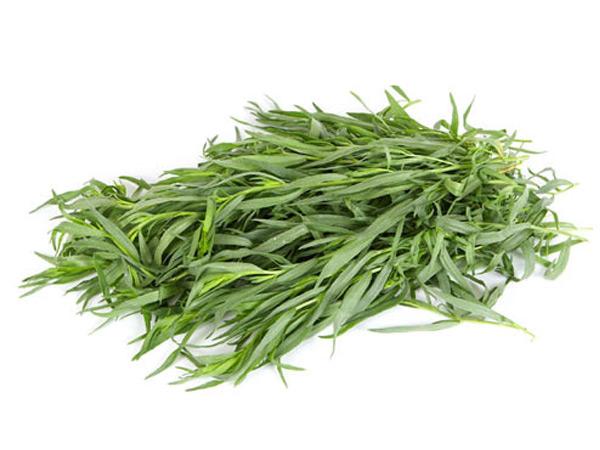
Methods for harvesting tarragon for the winter
There are several ways to preserve tarragon for the cold season, and it's not at all difficult. Even a novice or inexperienced home cook can handle the process. You just need to decide on the purpose for which you'll be storing the herb, as this will determine the optimal method.
Drying
Drying is the easiest way to preserve tarragon for the winter. It's quite easy to do at home. Just follow these steps:
- Suitable stems should be cut from the bush and inspected for damage or insect damage.
- Rinse the herbs under the tap.
- Chop the leaves and spread them on the newspaper in a thin layer.
- Drying should be done without access to sunlight, in a cool room with good ventilation.
- Once the leaves are completely dry, they can be collected and stored in a glass container.
It is recommended to use glass containers for storing tarragon, as they preserve all the beneficial components and the unrivaled spicy aroma of the herb.
Freezing
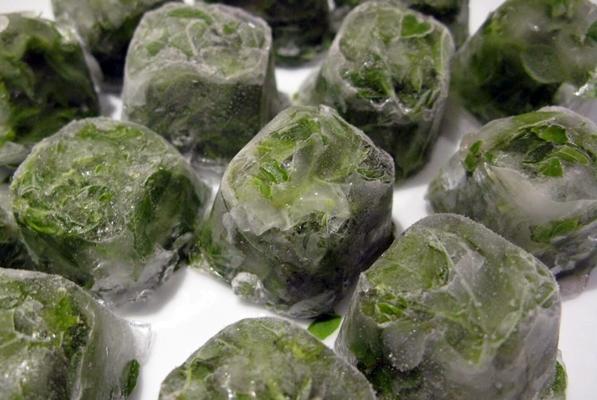
Tarragon is often frozen for winter storage. This process takes minimal time, and the results last all winter long. The plant stems are cut, inspected, sorted, and then rinsed under running water. The sprigs are left for a while to remove all excess moisture. This process takes no more than an hour. Next, the tarragon is finely chopped, packaged in freezer bags or containers, and placed in the freezer. The shelf life of such a preparation should not exceed one year.
Syrup
There's another unusual way to preserve tarragon for the winter. Making the syrup isn't much trouble, but it's very pleasant to drink. You'll need the following ingredients:
- tarragon herb - 300 g;
- clean cold water - 1 liter;
- granulated sugar - 3 tbsp;
- citric acid - a small coffee spoon;
- fresh small lemon - 1 pc.
Method of preparation
Before preparing the dish, wash the tarragon, separate the leaves from the stems, and chop them finely. Cut the lemon into thin rings. Place all of this in a saucepan, add the required amount of water, place in a double boiler, and simmer over low heat for one hour.
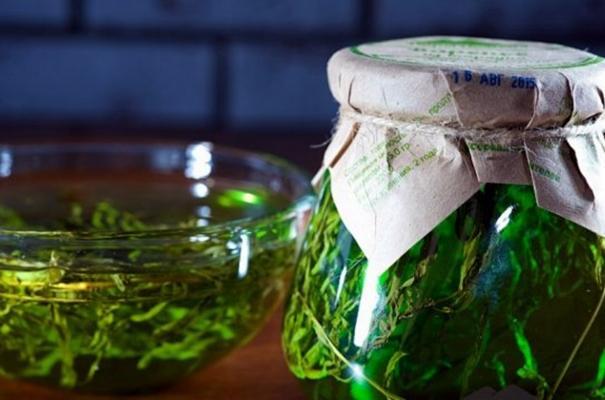
Next, the liquid is strained, and the pulp is thoroughly squeezed. Granulated sugar and citric acid are added to the broth, the mixture is returned to the stove, and it is simmered until thickened. After this, it is poured into a prepared glass container, sealed, allowed to cool, and stored.
This preparation can be used to make lemonade, bake confectionery, and prepare cocktails.

Jam
Making tarragon jam isn't difficult, but it does require a lot of time. To do this, wash the cut sprigs and cut them with scissors. Then, mash the tarragon thoroughly by hand or with a potato masher to release the juice.
Next, pour 1 liter of boiling water over the tarragon, cover, and leave to steep overnight in a warm place. In the morning, add 1 kg of sugar and simmer over low heat. Cook for at least a couple of hours, until the jam begins to thicken.
After this, the finished product is poured into a prepared glass container, sealed, cooled, and stored. This unusual tarragon delicacy will delight both children and adults.
Related posts:
 Planting and caring for tarragon in open ground, growing from seeds
 Pickled cucumbers with tarragon for the winter, a simple recipe for pickling for the winter
 Description and characteristics of tarragon varieties and types, planting and care rules
 The best recipes for freezing vegetables at home for the winter
 Step-by-step recipes for preparing spinach for the winter at home
 11 Best Recipes for Pickled Garlic Sprouts for Winter
 40 of the best recipes for delicious homemade winter preserves
 12 Best Homemade Winter Greens Recipes