
- Description of the plant
- Popular varieties and types
- The nuances of growing beans
- Soil preparation
- Planting dates
- Planting scheme
- Specifics of bean care
- Fertilizing and watering
- Topping
- Tying up beans, creating support for shoots
- Pest and disease control
- When and how to harvest beans?
- How to preserve beans for the winter?
- Drying
- Freezing
- Conservation
Beans are easy to grow and care for outdoors; they don't require any special care and easily tolerate frost. They don't require frequent watering or fertilizing; they thrive in full sun and tolerate temperature fluctuations. However, when planting, you'll need to consider soil characteristics and crop rotation. This will ensure a good harvest and enrich the soil with nutrients.
Description of the plant
This crop has certain qualities and is classified as a green manure crop. These plants enrich the soil, improving its properties.
Let's study the description of beans and get acquainted with their properties:
- In nature, there are large, medium-sized bushes, as well as low-growing representatives of the crop.
- The ripening period for beans is short, the fruits appear after 1.5 months.
- The plant tolerates temperature fluctuations well, which allows it to be planted in early April.
Caution! Sun and moisture levels are critical; these factors affect bean growth; if they don't get enough light and water, the roots will quickly rot.
The plant has a branched root system, which allows it to loosen the soil and enrich it with oxygen. Green manure enriches the soil and restores it, preventing soil depletion and its nutrients.
What are the characteristics of beans:
- they produce a bountiful harvest and bear fruit well on fertile soils;
- despite high resistance to cold, they do not tolerate stagnant moisture;
- The plant needs nitrogen, but its excess has a detrimental effect on growth rates.
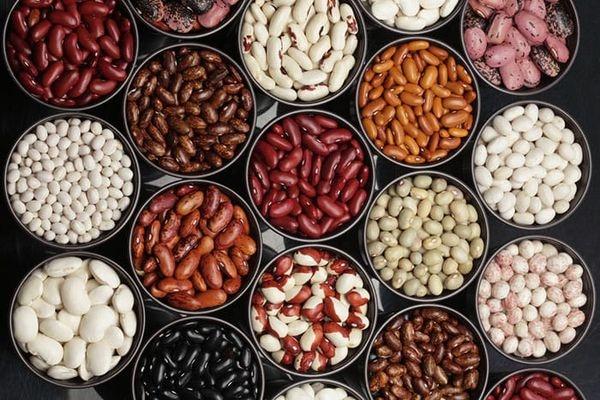
Beans are hardly fussy; they grow quickly and produce fruit abundantly, yet require little regular fertilizing. Typically, this is done before planting.
The crop tolerates frost well; a temperature drop to minus 4 degrees will not cause any harm.
When planting beans in the ground, gardeners recommend following crop rotation rules. Avoid planting the plant after cultivating its "close relatives" in the same spot. This will significantly degrade the soil's properties.
Popular varieties and types
The following varieties are especially popular among gardeners:
- Anna's distinctive feature is its large fruits, with a pleasant green hue. The pods are long, and the variety is considered tall. Up to 300 grams of beans can be harvested from one square meter of planting.
- Russian Black beans have proven themselves to be frost-resistant and lodging-resistant. The beans grow quickly, reaching a height of 110 centimeters. The fruits are medium-sized and do not split when fully ripe.
- Belarusian – this variety can reach 2 meters in length, with brown fruits measuring 5-11 centimeters. It is considered a late-ripening variety.

The nuances of growing beans
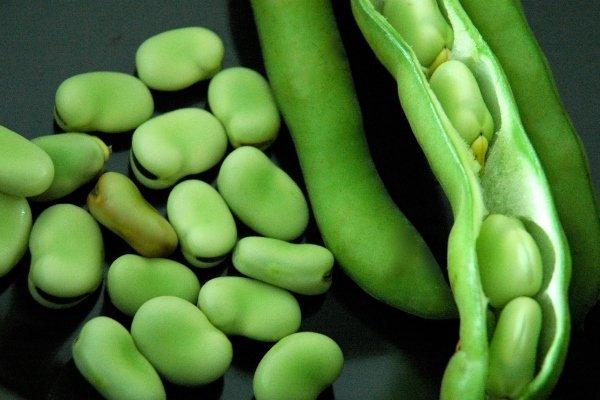
It's best to grow beans by following all the rules. It won't be particularly difficult and won't require much effort from the gardener. Beans have standard requirements, and they include the following:
- Prepare the soil before planting;
- follow the watering and fertilizing algorithm;
- Don't forget to loosen the soil and remove weeds.
The plant will need sunlight, so plant it in a well-lit area.
Soil preparation
Fertile soils, loamy soils, and others make little difference. High acidity can cause problems, but this can be stabilized with lime.
What else needs to be done:
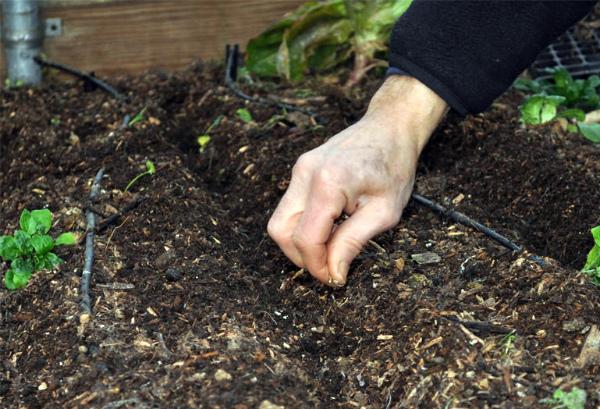
- Before planting beans, loosen the soil.
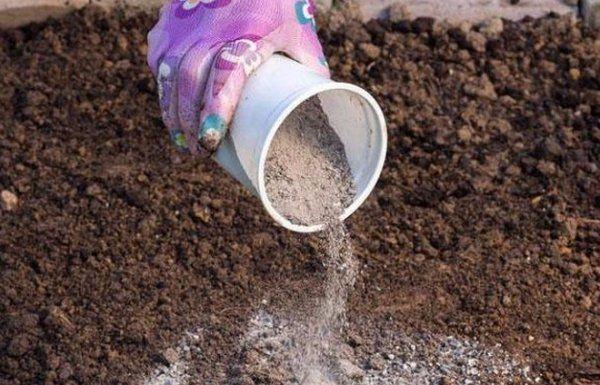
- Fertilize it with wood ash or other organic fertilizer.
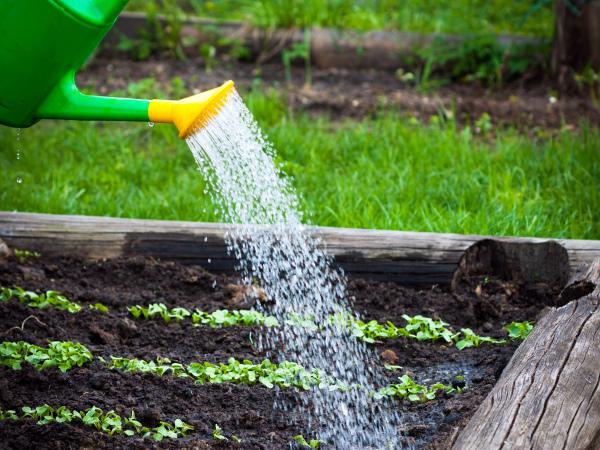
- Then water the seedling, but not too much.
Planting dates
The treatments are carried out in early April; the beans are frost-resistant. However, to prevent the seedlings from dying, the temperature in the region must be at least -5 degrees Celsius (at night).
Planting scheme
When carrying out landing procedures, please adhere to the following rules:
- germinate the seed at home, according to the standard scheme;
- plant it in a separate pot or plastic cup;
- water, feed with growth stimulants or organic fertilizers;
- Plant in open ground at the beginning of April.
Pay attention to the planting location – it is better to plant beans on a hill or mound so that the sun warms the plant and excess moisture flows down.
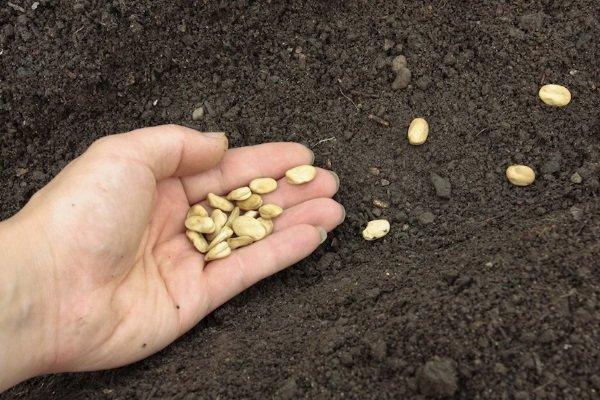
If using seeds:
- You can plant them either in open ground or in pots. If you choose the former, germination will take some time, meaning harvesting will begin later.
- It is better to germinate the material in advance and then plant it in the ground, this way the beans will have a higher germination rate.
Before you begin planting, please follow these guidelines:
- examine the material for the presence of rot and mold;
- treat it with a weak solution of potassium permanganate;
- To speed up germination, you can use a growth stimulator.
Specifics of bean care
To grow and harvest a good crop, you'll need to familiarize yourself with the intricacies of plant care. Here's what you need to do:
- The crop does not tolerate excess moisture and quickly dies due to root rot.
- If the climate in your region is rainy, create a raised bed of sandy soil and try growing beans in it.
- Equip the growing area with a drainage system.
- Plant beans in places where vegetables such as potatoes and cabbage were previously grown.
Take a look Also
Fertilizing and watering
Before planting, it's best to fertilize plants with organic matter—rotted manure, compost, or tree ash are all suitable. It's recommended to fertilize 2-3 times per season:
- before planting in the ground;
- during the growing season;
- during fruit setting.
This will be quite sufficient. It is not recommended to use large amounts of nitrogen fertilizers and supplements, as excess can kill the plant. Preference is given to supplements containing potassium, phosphorus, and other elements.
Topping
This procedure is performed when the first flowers appear on the plant. During this procedure, 10-15 centimeters of shoots are removed. These are precisely the parts that attract black aphids.
Tying up beans, creating support for shoots
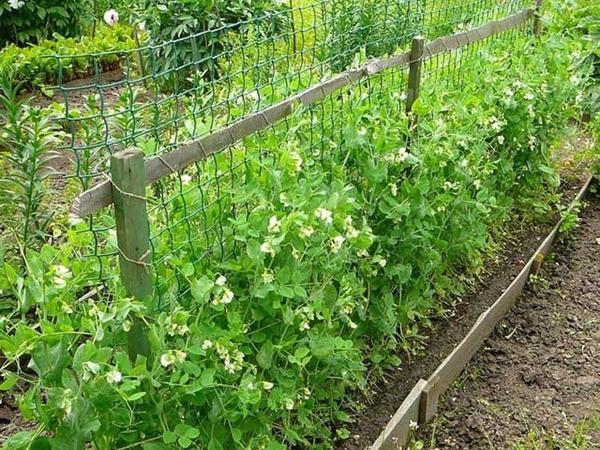
Only tall varieties require staking. In this case, use stakes for support, or attach the seedling to wire or a frame structure.
Pest and disease control
The legume crop is not very susceptible to diseases and pests, as it has good immunity.
When cultivating the plant, problems with the following pests may arise:
- Black aphids, also known as bean aphids, are insects that rapidly consume young plant shoots (up to 15 centimeters). They quickly form colonies and can lead to the complete death of a plant. If you notice these insects in your area, treat them with Malathion.
- The bean sprout fly lays its larvae in the soil near the bean root system. The larvae eat the roots, resulting in the death of the crop. Removing weeds and applying proper fertilizer will help prevent infestation. After planting, the beans should be thoroughly covered with soil.
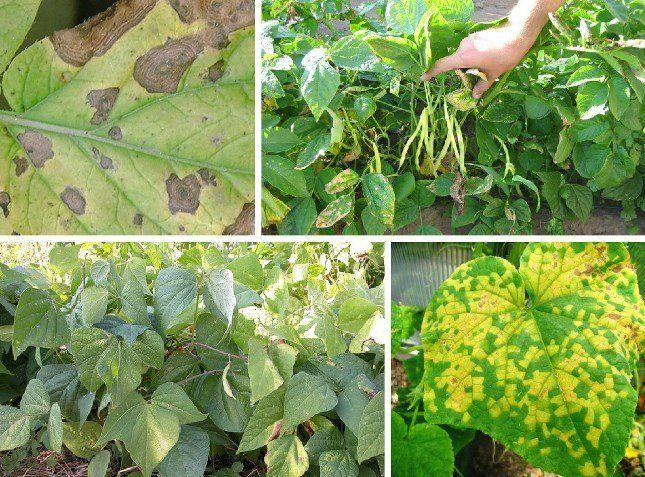
Caution! Scotch spot is generally a harmless disease that will not kill beans.
But if you notice characteristic spots on the shoots – signs of disease, then remove all damaged parts of the plant.
When and how to harvest beans?
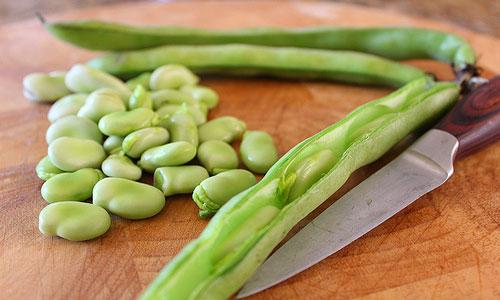
If the beans are fully ripe, they'll be hard and stringy. The flavor won't be very pleasant, and they're only good for soup.
It's best to harvest young, immature beans from the garden. These vegetables have not yet hardened and have not yet acquired a dark color. The harvest is from June to September. The roots can be used for compost.

How to preserve beans for the winter?
The harvest can be stored in various forms: dried, frozen, or canned. In all these forms, the beans have a pleasant flavor and are useful in a variety of culinary dishes.
Drying
During the drying process, beans can rot, to avoid this, the room needs good ventilation.
How to dry vegetables:
| First method: | Place the pods or fruits on special trays and dry for a specified time, turning them occasionally. Once the vegetables are dry, remove the pods and store them in tin containers. |
| Second method: | Steam the beans, using a steamer or sterilizer, for 3-5 minutes. Place the vegetables on special trays and dry them in a well-ventilated area. |
Freezing
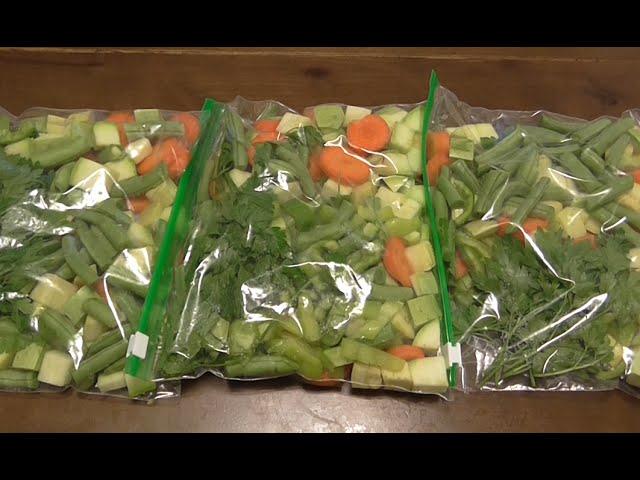
To freeze beans, you will need to follow these instructions:
- Before starting the procedure, you will have to pour boiling water over the fruits;
- then boil them for at least 3 minutes in water;
- cover vegetables with ice or rinse with cold water;
- Dry, then pack into bags and freeze in the refrigerator.
Conservation
There are many recipes for canning beans, lentils, and kidney beans. All of them are interesting. We offer one simple one, with minimal ingredients and energy consumption.
| List of ingredients: | What to do: |
| You will need 1 teaspoon of salt, 400 grams of large fruits, 2.5 liters of water and 2 medium-sized bay leaves. | Soak the beans in cold water for 12 hours. Then drain the water; the beans will swell and expand. Rinse them thoroughly. Place the vegetables in the pan and simmer, adding the ingredients, for 30 to 1 hour. Make sure they are completely covered by the water during simmering. After the specified time, place the beans in sterilized jars. |
Growing beans isn't labor-intensive, and the plants don't require frequent watering or fertilizing. However, harvesting a crop without certain interventions is unlikely. Standard procedures, such as watering, fertilizing, weeding, and soil loosening, will help increase yield.
Related posts:
 Description of the 90 best varieties of beans for open ground with names
 Recipes for pickled beans for the winter at home
 Description and properties of the 50 best varieties of asparagus beans, benefits and harms
 The benefits and contraindications of lentils for the human body
 Description and characteristics of the best seeds of pea varieties and types
 How and where beans grow, planting and care rules in open ground
 Health benefits and harms of black beans, varieties, contraindications, and recipes
 Benefits and harms of golden beans of the Mash variety, features of care and application