
- What kind of plant is this?
- The right choice
- Useful qualities
- Caloric content of the product and its composition
- Contraindications for use
- Care and step-by-step cultivation
- Sprouting beans
- Storage options
- The use of beans in cosmetology
- Culinary uses
- Common recipes
- Soups
- Shavlya with Mash beans
- Rice pilaf and Masha
- Rice with beans
- Pies
- Cannelloni
- Mashkhurda
- Kichari
- Mung bean cutlets
- Salad
This product can be found in specialized retail outlets and online. Many people are unaware of the health benefits of mung beans. However, those familiar with this legume variety have come to appreciate the benefits of consuming the fruit as food and preparing delicious and healthy dishes. This plant deserves a detailed discussion.
What kind of plant is this?
Mung beans belong to a separate genus, Vigna. Small, mature green beans of the Mung bean variety are commonly called mung beans because they change color when cooked. The bean grows in Asia. In Central Asia, this bean variety is not as common. In Asia, the beans are often called green beans. They are used to prepare various dishes and are also added to medicinal preparations.
Ripe beans have a rich and distinctive flavor, making this plant variety an essential ingredient in a wide variety of dishes.
The right choice
To choose the right beans for planting and then get a bountiful harvest, follow these recommendations:
- Check the packaging (all contents must be visible).
- The grains should be whole, with glossy skin and green color.
- Small beans of uniform size are used.
- No damage to the skin is allowed.
It is recommended to select a variety grown in Uzbekistan, Australia or Tajikistan.
Small beans are used because they grow much faster.
Useful qualities
The fruits of this variety have the following properties:
- reduces cholesterol levels in the blood;
- blood sugar levels decrease;
- the immune system gradually improves;
- a weak diuretic effect is observed;
- help in healing inflammatory processes;
- great for weight loss;
- improves memory and stimulates brain activity.
Experts say that regular consumption of the product reduces the risk of cancer.
Caloric content of the product and its composition
This vegetable contains the following in 100 grams:
- 32 grams of protein;
- 18 different types of amino acids;
- various groups of vitamins;
- potassium, iron, magnesium, zinc, sodium, phosphorus and a number of other elements.
The carbohydrates present in food help maintain a feeling of satiety for a long time.
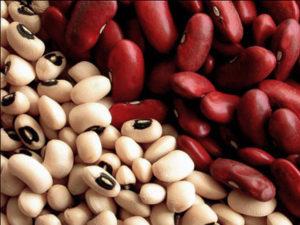
The caloric content of this product is about 347 kilocalories per 100 grams of pure beans.

Contraindications for use
This variety of bean has no known contraindications for consumption. The only exception is possible individual intolerance to the product.
Care and step-by-step cultivation
The golden bean variety Mash is not accustomed to the climatic conditions of the Central Belt, which is why it is recommended to consider a number of tips when growing it:
- For planting, it is recommended to use seedlings (long ripening);
- for the Middle Belt, cold-resistant varieties are used;
- the soil must be loosened and allow moisture to pass through freely;
- A sunny place with good ventilation is selected.
Before planting in open ground, it is worth making sure that it has warmed up to at least 15 degrees.
This variety of beans loves moisture, which is why it requires regular, generous watering (at least once a week).
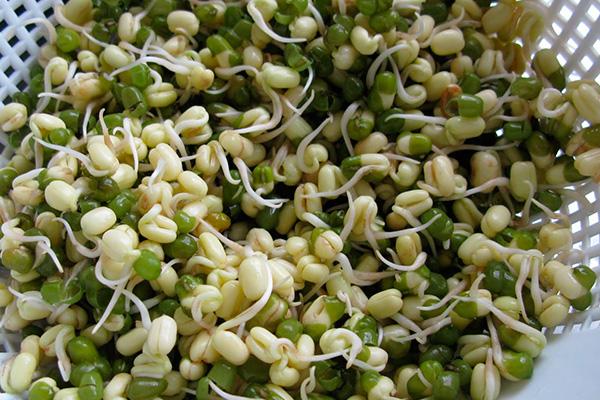
Sprouting beans
To subsequently reap a bountiful harvest, you must adhere to the following recommendations:
- select fruits of the same size;
- rinse and dry thoroughly;
- place on soaked gauze;
- cover with gauze on top and put in a warm place;
- After a few days (2-3) the fruits produce shoots.
If the gauze dries out, it needs to be moistened.
If necessary, it is possible to purchase sprouts in food stores if you do not have time to handle the sprouting process yourself.

Storage options
Gardeners recommend harvesting ripe beans in several stages. Full ripeness is indicated by open and slightly dried shells. Pre-harvested beans are aired and then peeled. For storage, the beans are placed in cloth bags, then topped with garlic cloves to protect them from insects.
The use of beans in cosmetology
Beans are often used to create rejuvenating masks, as they contain components with antiseptic properties. The pods are often used to make lotions. Dried parts of the plant are also ground and then added to scrubs.
Culinary uses
There are numerous recipes that use mung beans as a main or supporting ingredient. Most of these dishes are Lenten.

Common recipes
Mung beans are regularly found in recipes for the following dishes:
- soup;
- sorrel with beans;
- rice pilaf with mung beans;
- bean pies;
- cannelloni;
- mashkhurda;
- kitchari;
- delicious bean cutlets;
- sprouted bean salads.
Each dish contains a lot of useful components and properties.
Soups
Here, fruits are used as the main ingredient. The resulting dish is nutritious and filling.

To add extra flavor to the dish, carrots and lamb are used, as well as onions and rice:
- the onion and small carrot are cut into cubes;
- vegetables are fried until done;
- 300 grams of beans need to be soaked in 1.5 liters of water for 45 minutes;
- the beans are placed in a frying pan and poured with tomato paste on top;
- 200 grams of meat are also added (the mixture is fried until done);
- Then everything is filled with water and boiled until the beans are ready.

Shavlya with Mash beans
The dish is prepared using rice, lamb, and onions. Once cooked, it's served with tomatoes and cucumbers.
- onions and carrots are fried in a cauldron;
- add a glass of rice, lamb and 200 grams of beans;
- all contents are filled with water;
- The mixture is stewed until the meat is ready.
Rice pilaf and Masha
You can use meat for this recipe, or leave it out, as the dish will still be delicious:
- 100 grams of onions and carrots are fried;
- lamb meat is added (300 grams);
- rice and beans are added, as well as spices (the composition is mixed);
- the contents are filled with water;
- it is necessary to extinguish the composition in the boiler until the moisture evaporates;
- Afterwards, garlic is added and the dish is stewed until it softens.

Rice with beans
The dish includes beans, onions, and lamb. The finished dish is always served with finely chopped herbs and tomatoes:
- one glass of rice is cooked;
- beans are soaked for 30 minutes and cooked until done;
- onions and carrots are chopped and then fried with vegetable oil;
- then add mung beans and rice (salt and spices to taste);
- The dish is simmered for two minutes until ready.

Pies
Beans make a wonderful and filling filling. Onions and carrots are added as auxiliary ingredients:
- beans are soaked for an hour;
- onions and carrots are cut into cubes and fried;
- Mash fruits are boiled and grated;
- Place the beans in a frying pan, add spices (simmer for two minutes).

Cannelloni
This dish is a nutritious pasta filling. Additional ingredients include mushrooms, onions, and crushed garlic:
- mushrooms are fried in a pan;
- crushed garlic and onion are added;
- beans are soaked and cooked until done;
- then the beans are grated and added to the mushrooms;
- spices are added and then the mixture is filled into the pasta;
- The mixture is placed in a saucepan and cooked in the oven.

Mashkhurda
A thick and rich soup. Lamb brisket, carrots, onions, and bell peppers are a must. Herbs are added for flavor:
- the lamb breast is fried until crisp;
- chopped onions and carrots are added, as well as spices;
- then add chopped sweet pepper;
- tomato paste and chopped tomatoes are added;
- pour in water and then add beans;
- also add chopped potatoes and rice;
- The thick soup is cooked over low heat until ready.

Kichari
The dish is prepared using beans, rice, and spices. Onions and garlic are also added to taste. Bell peppers, carrots, and zucchini are also included.
- rice and twice the amount of beans are soaked and boiled;
- spices (pepper, cumin and coriander) need to be fried;
- onions and garlic are fried with oil;
- carrots, bell peppers and zucchini are added;
- All vegetables are added to beans and rice, and then salted.

Mung bean cutlets
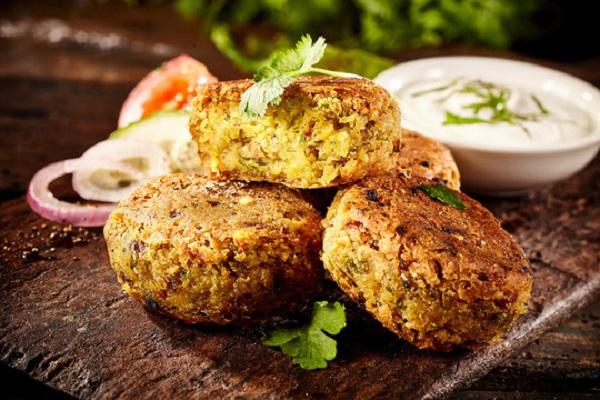
The recipe calls for mung beans, onions, and carrots. Puree them in a blender. Egg and pepper are a must. Serve with tomato sauce.
- 300 grams of mung beans are soaked in water;
- after half an hour, boil the beans until done;
- onions and carrots are chopped and fried;
- everything is passed through a blender;
- the mixture is mixed with an egg and spices are added;
- Cutlets are made and then fried in oil.
Salad
Sprouted mung beans are used for the preparation. The dish is complemented with ripe lettuce leaves and roasted seeds. Spices and lemon sauce are added to taste:
- the salad is placed on a plate;
- beans with sprouts are poured out;
- fried clean seeds are sprinkled on top;
- spices, lemon sauce and olive oil are added.
Any dish prepared with Mung Beans is rich in vitamins and calories, which allows you to quickly and long-lastingly satisfy your body.
Related posts:
 Description and properties of the 50 best varieties of asparagus beans, benefits and harms
 The best recipes for pickled beans in jars for the winter are so good you'll lick your fingers.
 Description of the 90 best varieties of beans for open ground with names
 How to choose and use mung peas, their beneficial properties in folk medicine, cooking, and cosmetology
 Recipes for pickled beans for the winter at home
 Health benefits and harms of black beans, varieties, contraindications, and recipes
 The benefits and harms of red beans for the human body: for women, men, and children
 The health benefits of beans for women and men, harm and contraindications