
Mung beans have many names: they are called mung beans, green soybeans and golden beansThis new product, originally from India, is well known to vegetarians and those who lead a healthy lifestyle. The small beans cook quickly and are high in protein. But the health benefits of mung peas don't stop there. They have long been recognized and used in Eastern folk medicine, cosmetology, and cooking. To appreciate the significance of this exotic crop, one must have some background information.
What are mung peas?
Mung beans are a typical member of the legume family, and their correct botanical name is golden bean (Phaseolus aureus). The plant is grown in countries with subtropical climates, but it is not a major agricultural crop.
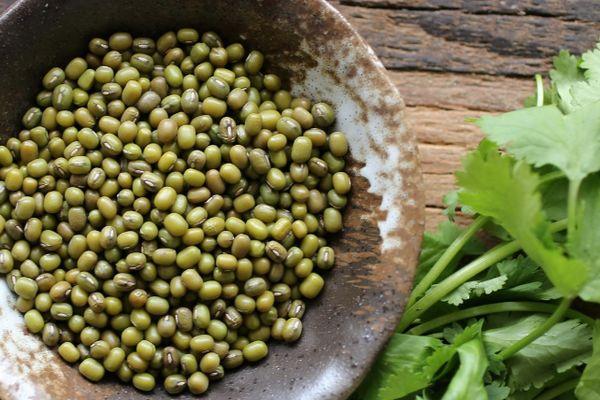
Mung beans are annual herbaceous crops. Lemon-colored or purple-yellow flowers are borne in clusters. The fruit is a cylindrical, narrow bean that turns brown or black as it ripens. Inside are smooth, oval-shaped seeds with a glossy sheen.
The beans ripen unevenly, from July to October, so harvesting occurs in several stages. By this time, the seeds have acquired a yellow, brown, or mottled green color, depending on the variety.

Story
Mung peas have their roots in India, Pakistan, and Bangladesh, where they originated. In ancient times, this legume was particularly popular among Indians, who cultivated it. It was they who gave the plant its name, "mung" (in Hindi).
Over time, beans have found a place in all Eastern cuisines, where they are used to prepare a wide variety of dishes. Due to their unique flavor and aroma, beans pair beautifully with many meat and vegetable ingredients, allowing chefs to express their imagination in creating new recipes for traditional dishes.
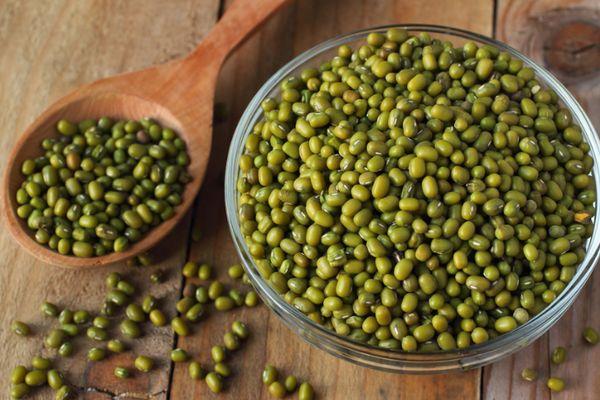
Description, properties, composition
Among vegans and vegetarians, the main advantage of mung bean dishes is their high protein content, which can replace meat. It's comparable to beans and lentils in this regard. The seed also contains carbohydrates, fats, and fiber.
The list doesn't end there. The seeds are rich in:
- vitamins A, E, H, PP, group B, folic acid;
- an abundance of macro- and microelements, some of which are quite rare in other legumes,
- iron;
- dietary fiber.
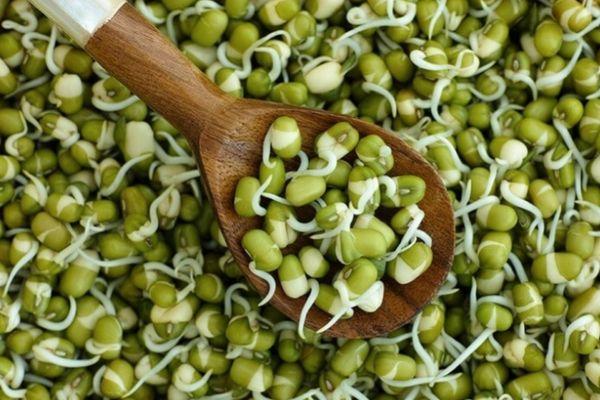
Plant-based proteins are highly digestible, while carbohydrates are absorbed slowly, making them a great combination for athletes and weight watchers.
Pros and cons
Mung peas have a positive effect on many processes in the body. Their benefits are obvious, as they help:
- strengthen the immune system;
- stabilize and normalize cholesterol levels;
- increase visual acuity;
- slow down the development of tumors;
- balance hormonal levels in women;
- improve performance;
- normalize metabolic processes;
- feel full quickly, which is important in the fight against obesity.
Added to this list are its mild diuretic effect, its ability to heal burns, and its ability to help with food poisoning. Mung beans are used to treat certain inflammatory and infectious diseases.
No particular downsides have been found to consuming this exotic product. People with gastrointestinal issues should introduce mung peas into their diet carefully, gradually increasing their intake. It's important to monitor your health during this process. Consuming large quantities of the beans is also not recommended.
The plant's seeds are hypoallergenic and, unlike other legumes, do not cause flatulence after consumption. Individual intolerance is possible, but extremely rare.
How to germinate
Sprouted peas are much healthier than dried ones. They contain a wider range of nutrients essential for the body. They can be eaten raw, added to salads, or added to soups. The sprouting process, step by step, looks like this:
- Fill the beans with water and leave them in a bowl overnight.
- In the morning, drain the water and place the swollen beans on a layer of cloth, covering them with another layer on top.
- We moisten the fabric for 2-3 days so that the seeds have access to moisture and air.
- When the sprouts reach 4-5 cm, use as directed.
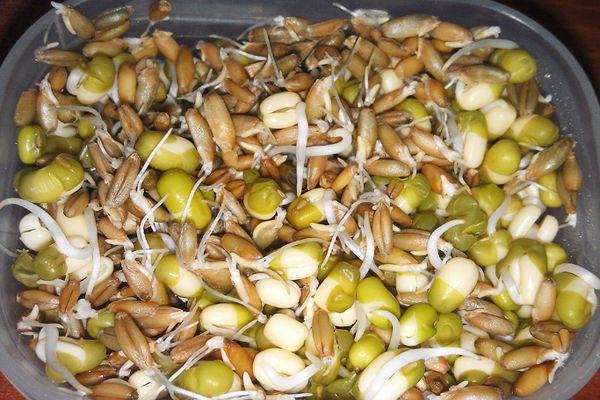
The key to sprouting is rinsing, draining excess liquid, and keeping the peas in a dark environment. These conditions produce thick, crisp sprouts, which are beneficial for dietary use, as sprouted peas are much more easily digested.
How to choose
To buy a quality product, you need to follow simple rules:
- choose reliable manufacturers;
- check the packaging for leaks;
- focus on the appearance: the absence of chipped particles, the green color of the peas, which have a glossy sheen.
If the product meets all the criteria, you can purchase it and use mung peas in your diet.
Application
For those leading a healthy lifestyle, mung beans occupy a special, and not unimportant, place in the diet. The ground seeds are used in cosmetic procedures and in traditional Chinese medicine.
In folk medicine
Ayurvedic practitioners use mung beans for medicinal purposes. They most often use a medicinal decoction that:
- relieves the effects of poisoning;
- reduces the amount of toxins;
- has a diuretic effect.
The vitamin and mineral composition helps the immune system function without interruption, activates brain activity, and helps the heart function.
For improved well-being, include whole grain cereals in your diet, adding them to dishes or cooking them separately. Using this product twice a week is sufficient.
For weight loss
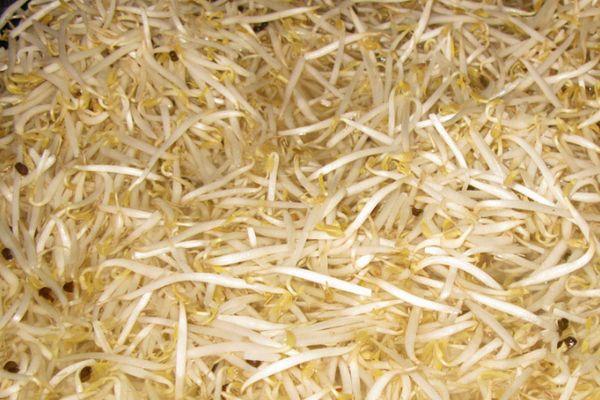
Mung beans contain "slow carbohydrates" that are digested gradually, helping maintain a balanced weight. When eaten raw, they are lower in calories and contain fiber, which helps flush waste products from the intestines.
The product's diuretic effect is also used to flush out toxins, which also helps remove excess fluid and reduce swelling. The nutritious nature of beans allows you to quickly feel full and avoid hunger later.
In cosmetology
Bean powder is perfect for home beauty treatments. The resulting paste can be used to make masks and scrubs, incorporating additional ingredients. The effects noticeable after this beauty treatment include:
- narrowing of pores if the skin is oily;
- removing blackheads if you have problem skin;
- smoothing of shallow wrinkles;
- tightened skin.
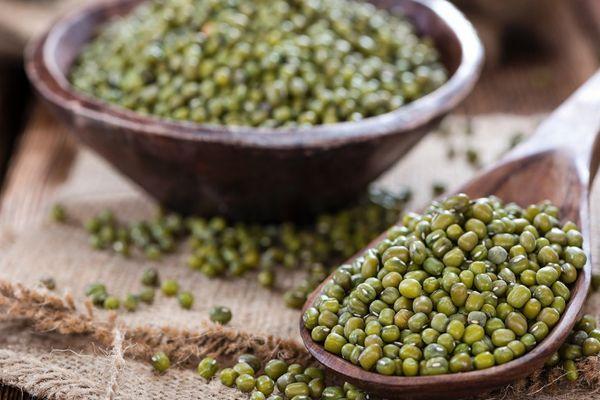 The beans contain a substance called nanocoenzyme, which slows down age-related changes in the skin and prevents the impact of negative environmental factors on the epidermis.

In cooking
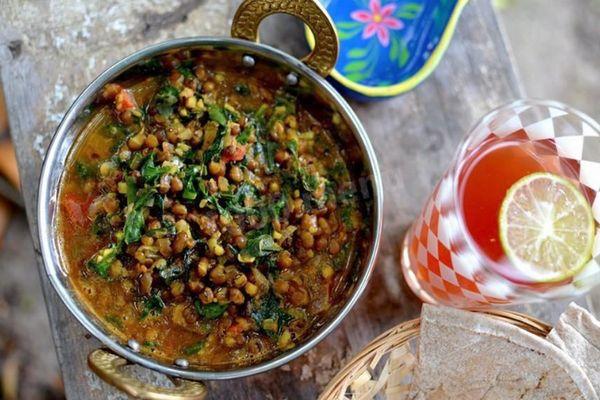
Mung bean dishes are filling and varied. There are suitable recipes for both the lazy and seasoned cooks. A hearty porridge is easy to make. Mung beans are often used with rice, adding vegetable oil, meat, and a little dried fruit. Glass noodles, or funchoza, made from mung beans are popular. Hulled and polished mung beans can be used to make a dish called "dal."
Beans are suitable for making flour, which is used to make delicious baked goods. In India, a popular paste called "dhal" is used as a base for a variety of desserts. To prepare beans separately, they are first boiled and then simmered with spices.
Before cooking, soak mung beans overnight. This makes the dish quicker and more nutritious. Dry seeds should be boiled for 1-2 hours.
How to store
Mung beans retain their healing properties for several years when stored properly. If they are packaged and the package is unopened, it's best to leave them in the manufacturer's packaging. For loose beans, use cloth bags or airtight containers.
The room should be well-ventilated, cool, and dry. A moderate level of humidity should be maintained to prevent the seeds from molding or sprouting.
Mung beans are a new and therefore interesting product for us. Each person's body is unique, and perhaps these unusual beans will prove beneficial for health and become a regular part of our diet.
Related posts:
 Description of varieties of sowing peas and cultivation, to which family they belong
 Benefits and harms of golden beans of the Mash variety, features of care and application
 How to propagate and grow peas, cultivation technology, and care in open ground
 How to properly plant peas in a greenhouse and open ground
 Description and characteristics of the best seeds of pea varieties and types
 Recipes for pickled beans for the winter at home
 Description and properties of the 50 best varieties of asparagus beans, benefits and harms
 Description of the 90 best varieties of beans for open ground with names