
- General description of pattypan squash
- Popular plant varieties
- Specifics of crop cultivation
- Preparation of planting material
- Planting seedlings
- Planting directly into the ground
- Planting seeds in a greenhouse
- The intricacies of caring for squash
- Watering rules
- Loosening and mulching
- Pollination of plants
- Plant formation
- Basics of fertilizing squash in the garden
- Treatment of plants from diseases and pests
- Potential problems when growing
- Harvesting and storing squash
Some vegetable crops are very difficult to grow. But this doesn't apply to squash. Even a novice gardener can reap a bountiful harvest of these healthy fruits. Growing and caring for squash outdoors doesn't require any special agricultural knowledge. You just need to choose the right variety and plant it at the right time.
General description of pattypan squash
This annual herbaceous crop was developed by breeders. This member of the Cucurbitaceae family is not found in the wild. Externally, the plant, with its large leaves, resembles a zucchini. However, they differ in the shape of their fruit, the pumpkins. Squash squashes resemble plates or round pies. It's no coincidence that the word "pate" means "pie."
Heat-loving squash grows well in hot and humid climates. The flowers are large and solitary. There are varieties with unisexual flowers and monoecious ones, where the pistils and stamens are collected together in a single "house." Therefore, these vegetables are capable of self-pollination. The flesh of squashes resembles zucchini in taste and consistency. The fruits are used to prepare dietary dishes suitable for those with digestive tract conditions.
Popular plant varieties
Squash pumpkins vary in size and color. White, yellow, and orange varieties have been developed. Popular white varieties include:
- The early-ripening Cheburashka produces its first fruits in 35-40 days. The fruits, weighing 200-400 grams, are renowned for their tender skin and juicy flesh.
- The Rodeo variety has compact, low-growing plants. Its crisp squash has a distinctive flavor. It's known for its early ripening.
- The early-ripening Karavai pumpkin is suitable for beginning gardeners. With regular watering, a single bush can produce up to 25 pumpkins weighing 300 grams.
- The early-ripening Disc squash is versatile. Its fruits are used in soups, salads, and canned for the winter.
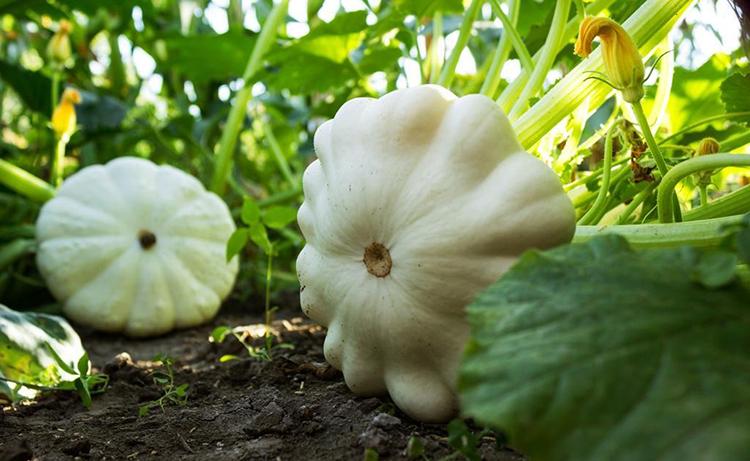
Yellow varieties include Solnyshko and Fuete. Their fruits are small, but bright and tasty. They contain many vitamins and nutrients.
Vegetables with green fruits are high-yielding. Popular varieties of this variety include Chunga-Changa and Gosha.
Specifics of crop cultivation
Squash can be grown outdoors. In regions with sharp temperature fluctuations and short summers, greenhouses are used for growing pumpkins. In the garden, prepare the plot for squash in advance, sowing the seeds only in the spring. Till the bed in the fall. If the soil is acidic, add slaked lime or dolomite flour. Wood ash also deacidifies the soil. However, it's best not to use other fertilizers in this case.
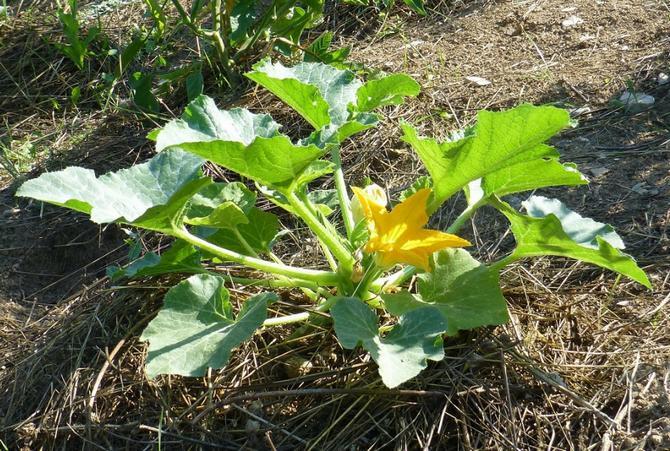
The soil should be dug after spreading humus or compost over the area. Mineral fertilizers are applied just before planting seeds in open ground.
Take a look Also
Preparation of planting material
Home-collected squash seeds require some preparation before planting. Those that have been dried for 2-3 years germinate best.
To prevent vegetable plant contamination, soak the seeds in a potassium permanganate solution. Simply soak the bag of seeds in the pinkish solution for 25-30 minutes. Afterward, rinse the seedlings under running water and dry.
You can replace potassium permanganate with boric acid.
To do this, dissolve 20 mg of acid in a liter of water. It's best to let it sit for 24 hours. This will both disinfect the planting material and accelerate its germination.
It is recommended to germinate vegetable seeds before planting to ensure faster emergence of seedlings in the garden.
Planting seedlings
Squash seedlings are sown 30-40 days before transplanting into the garden. The optimal time is the first ten days of April. Prepare boxes with nutritious soil.
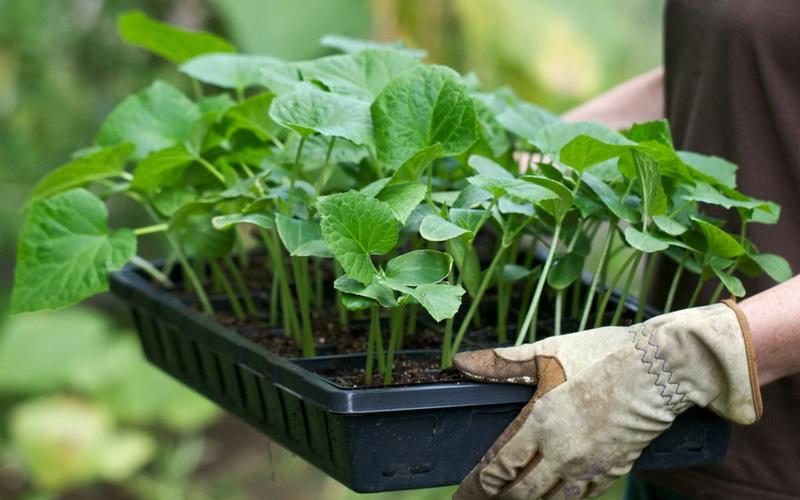
The seeds are planted in loose soil and placed in a warm place. You can cover them with plastic wrap, remembering to ventilate and moisten the soil daily.
Once the sprouts emerge, place the container with the squash in the sun. Water the seedlings regularly and, at 10 days old, fertilize with a nitrophoska solution. Young plants are transplanted into the beds when the soil warms up to 10 degrees Celsius and spring frosts have passed. It is better to replant in the evening or in the morning, providing protection from direct sunlight.
Planting directly into the ground
Unsprouted squash seeds are planted starting on May 10th. Depending on the region, planting continues until June 1st. If the seeds were sprouted, they can be planted 5 days later.
Choose to sow in nests, keeping a distance of 1.3 meters between them. Plant three seeds in each hole at a depth of 6-9 centimeters.
It's recommended to create warm beds for squash, planting the vegetables at the base of the ridge. It's also recommended to cover the crops with boxes or covering material for the first few days.
Planting seeds in a greenhouse
You need to prepare a room for sowing squash in advance:
- having prepared beds with nutritious soil;
- having ventilated the greenhouse;
- having disinfected the structures.
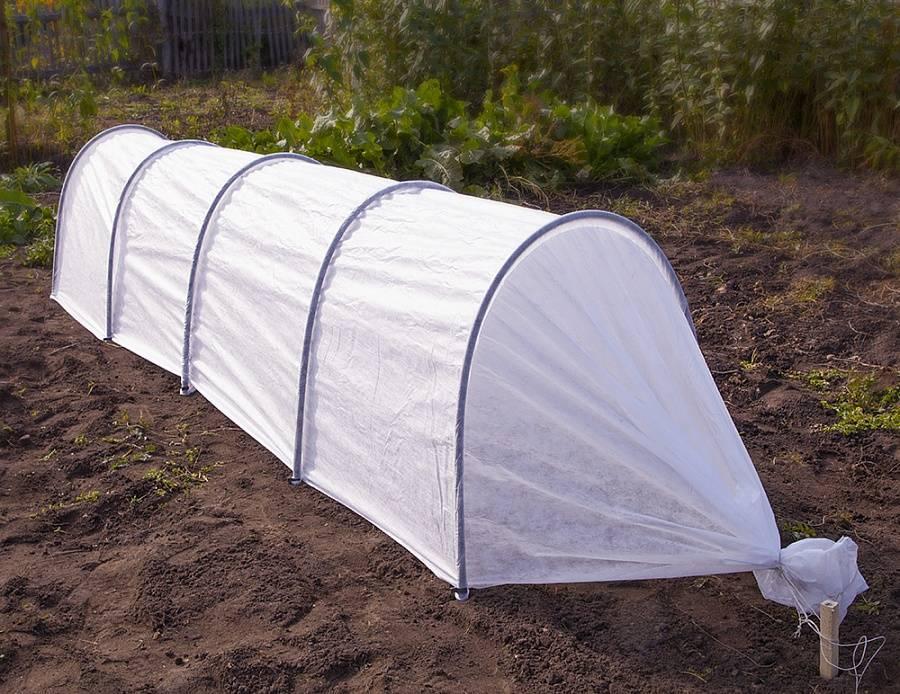
The soil is mixed with two parts turf and one part compost. Leave 15-20 centimeters between rows. The squash vines will need support, so a trellis needs to be prepared.
Don't forget about the greenhouse's humidity and temperature control system. Squash require a constant temperature of 22 degrees Celsius.
The intricacies of caring for squash
If you know how to care for zucchini and pumpkin, then caring for squash won't be difficult either. Favorable conditions for growth and development must be maintained at all times. These include warmth, plenty of moisture, and proper nutrition.
Watering rules
Moisture-loving squashes are recommended to be watered frequently. However, watering should be done within reasonable limits. It's important that the plant receives moisture before flowering. Pour 7 liters of water under each plant, but don't use cold water, but rather warm water (25 degrees Celsius).

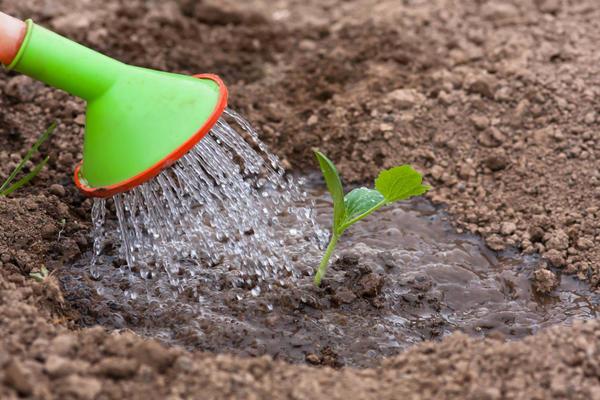
Once buds appear, increase watering. You'll need to water the vegetable plantings twice a week, applying 9 liters of water per plant.
During the procedure, make sure that the water jets do not hit the ovaries, otherwise they will begin to rot.
Ripening squash doesn't require much watering. Reduce watering to once a week. This will help the pumpkins reach maturity faster.
Loosening and mulching
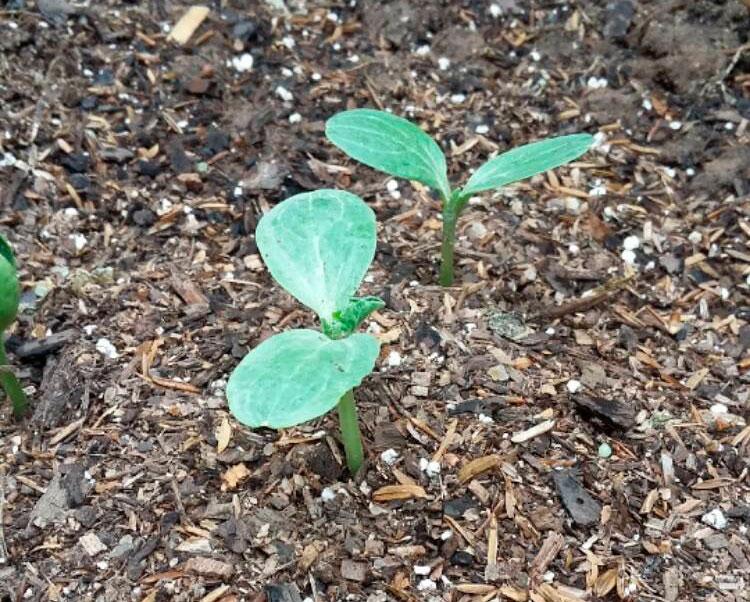
The appearance of the first true leaf is the signal to loosen the soil. The depth of the hoeing should be approximately 13 centimeters. The following 2-3 times, the row spacing is cultivated to a depth of 7-8 centimeters.
To retain moisture and control weeds, a layer of peat or humus 5-6 centimeters thick should be laid. Over time, after watering, the roots of the squash become exposed, so it will be necessary to add a fertile soil layer.
Pollination of plants
A single squash plant produces both male and female flowers. Therefore, they don't need pollination. Insects and wind will do the trick. In a greenhouse, however, this process must be done manually. To do this, pick a male flower and hold it near the ovary of a female flower.
Plant formation
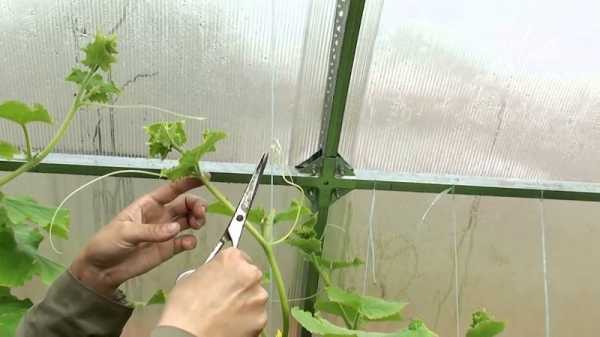
If squash bushes are poorly branched, pinch the main stem above the 4th or 5th leaf. This will increase the number of female flowers and fruits. Dry lower leaves should be promptly removed, as they only hinder fruiting. Two old leaves should be removed per pruning. Prune every 3-4 days.
Basics of fertilizing squash in the garden
The first feeding of squash is done when the plants have 4-5 true leaves. Bird droppings are diluted in a ratio of 1:15. Pour 1 liter of the nutrient solution into each hole.
Every 2-3 weeks, especially during flowering and fruiting, apply mineral fertilizers containing ammonium nitrate, superphosphate, and potassium salt. Dissolve 15-30 grams in a bucket of water and water.
When planting squash in a greenhouse, pay attention to the soil's nutritional value and looseness. To ensure high-quality, juicy pumpkins, fertilize them three to four times per season.
Treatment of plants from diseases and pests
You can identify squash diseases by the symptoms:
- anthracnose - brown spots followed by the appearance of pinkish watery areas;
- white rot - softening of stems and leaves, a whitish coating on them;
- mosaic - alternating dark and light stripes, semicircles on the plates, growth retardation;
- black leg - browning of the root part of the stem, its thinning;
- Powdery mildew - a light yellow coating on the underside of the leaf.
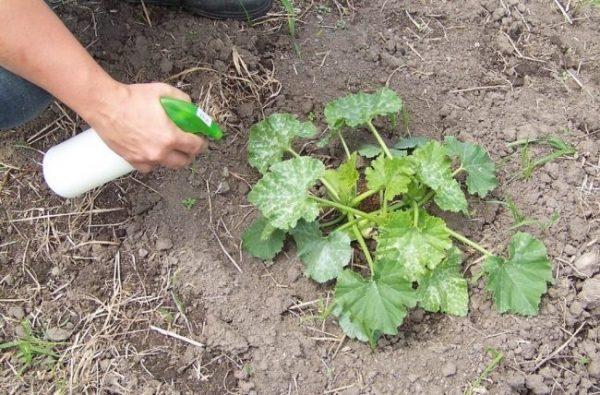 Fungal infections develop actively during wet seasons with sharp temperature changes.
They can be prevented by treating the plants with copper-containing preparations and Bordeaux mixture. Fungicides include spraying with Fitosporin three times, 12-14 days apart.
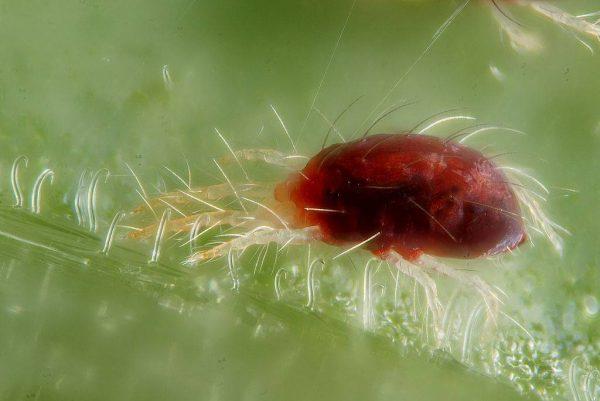
Spider mites are the most common pest attacking shrubs. They are identified by the thin webbing threads on the undersides of leaves.
Melon aphids are a favorite in pumpkin beds. Their activity causes yellowing and wilting of the foliage. They can be controlled by spraying with an onion peel solution or Actellic.
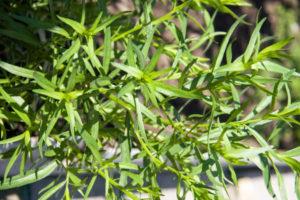
The larvae of the cutworm moth feed on the green parts of vegetable plants. They also damage pumpkins, gnawing through the skin and flesh. The winter cutworm damages young vegetable shoots. The moth is easily caught in traps. Containers of fermented beer are placed near the garden bed. Once trapped, the cutworms die. Insecticides such as Fitoverm are used.
 Slugs damage squash by eating the lower leaves, ovaries and fruits. To get rid of them, you need to sprinkle the soil around the bushes with wood ash or dry mustard.
Potential problems when growing
Problems with pumpkin cultivation are rare. However, the fruits often rot, which is caused by excess moisture in the soil. If the "plates" are left on the ground and the temperature drops, rotting begins. The entire crop can be lost if not harvested in time.
Squash leaves turn yellow as a result of a lack of light, water and nutrition.
Pathogenic fungal infestation is identified by wilting and drying of the foliage. Leaves curl when squash is infested with aphids.
If the vegetable is developing normally but there are no ovaries, this is due to increased nitrogen levels in the soil. Fertilizing the bushes is necessary. squash with phosphorus-potassium fertilizers after abundant watering.
Problems can be prevented by proper care of the vegetable plant, rather than having to deal with problems that arise later and be left without a harvest of delicious pumpkins.

Harvesting and storing squash
The pumpkins should be harvested when the diameter of the "plate" reaches 6-10 centimeters. If you need pumpkins for pickling or caviar, it's best to pick pumpkins that are 12-14 centimeters in size.
Harvest squash in dry weather. Don't wait until they're overripe. They'll be tasteless, tough, and have thick skin.
Washed and sliced pumpkins can be placed in the freezer. They will keep this way for up to 10 months. Fresh pumpkins can be stored in a cool, dry cellar, where they will keep for up to six months.
Related posts:
 How to quickly and deliciously pickle squash for the winter, with jarred recipes
 Simple recipes for squash caviar in a slow cooker and on the stovetop for the winter, you'll lick your fingers
 9 delicious recipes for pickled squash and cucumbers for the winter
 The best grape varieties for growing in the Urals, planting and care rules in summer
 80 Best Eggplant Varieties for Different Regions with Descriptions and Characteristics
 The best eggplant varieties for growing in a polycarbonate greenhouse: planting and care
 Rules for growing tomatoes in open ground, choosing a variety, planting and care
 Planting and caring for arugula in open ground, description of the best varieties and their cultivation