
- External signs
- Reasons for occurrence
- Last year's plant remains
- Infectious reserves of soil
- Failure to comply with crop rotation rules
- Incorrect agricultural cultivation techniques
- Weediness of the site
- Overfeeding
- Thickening
- Heat and high humidity
- Lack of insecticidal treatments
- Methods of control
- Treatment
- Reducing the source of infection
- Treatment with chemical fungicides
- Prevention
- Timely removal of plant debris
- Deep autumn plowing
- Crop rotation
- Weeding
- Thinning
- Dosed feeding
- Ventilation in greenhouses
- Regular check-ups
- Selecting resistant varieties
- Folk remedies
- Slurry solution
- Infusions of weeds
- Sour milk or whey
- Onion tincture
- Spraying and pollinating golden squash
- Soda ash solution
- Mustard solution
- Horsetail decoction
- Bacterial method
- Fitosporin
- Rizoplan
- Fitoverm
Powdery mildew is an insidious, rapidly spreading fungal disease of vegetable crops, capable of destroying a planned harvest in just a few days. Powdery mildew develops on zucchini due to a number of unfavorable factors, including overwatering, cold summers, or improper agricultural practices. There are many methods for combating the disease, but it's important to determine the cause and begin treatment promptly.
External signs
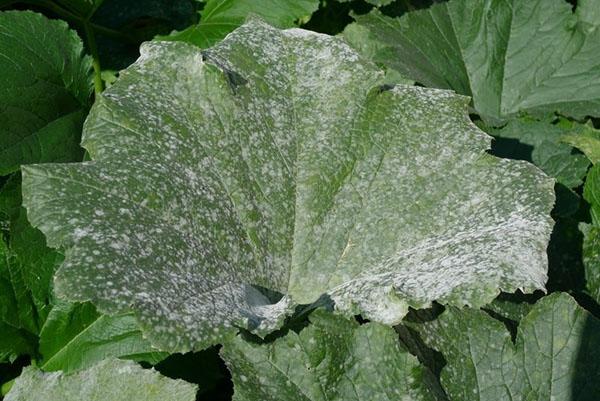
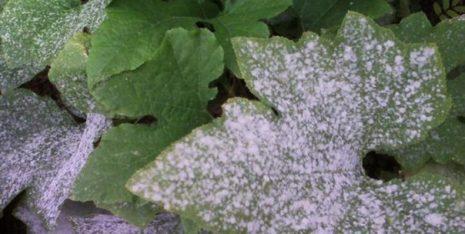
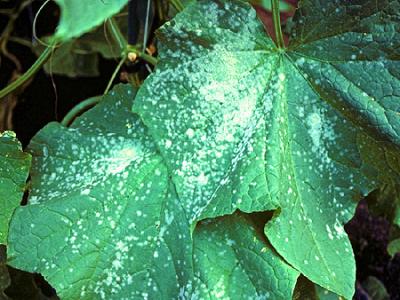
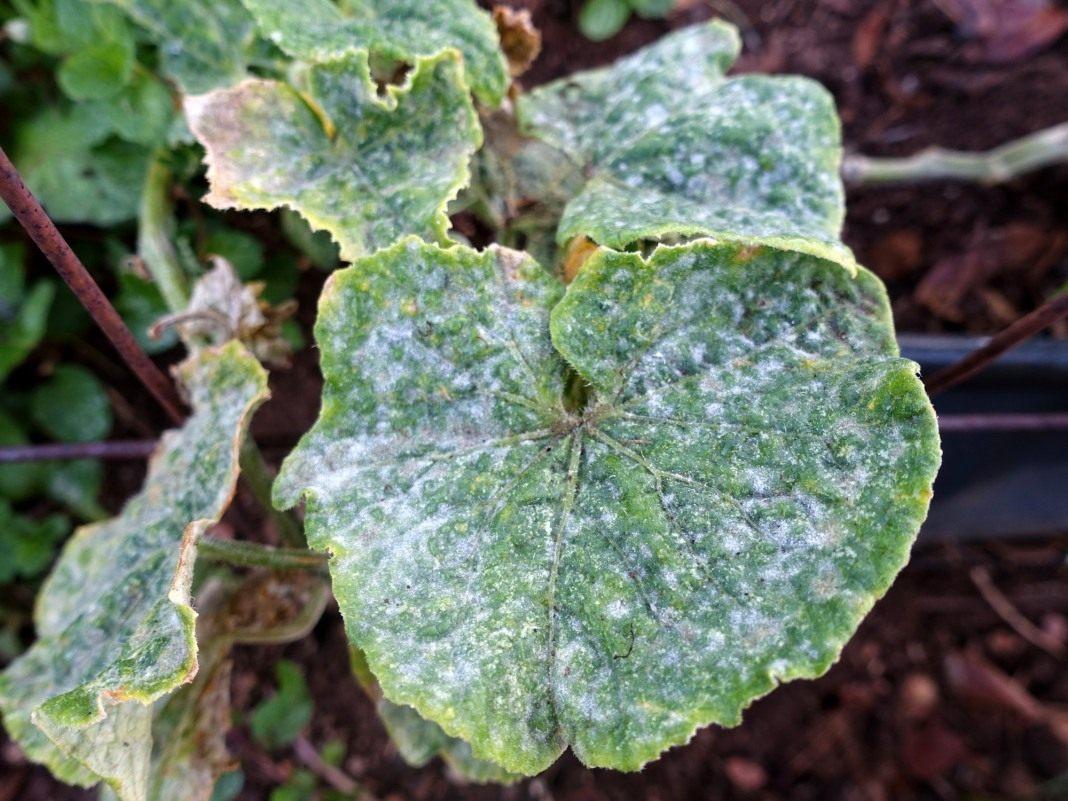
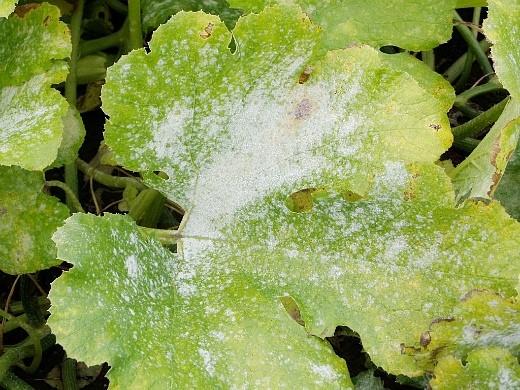
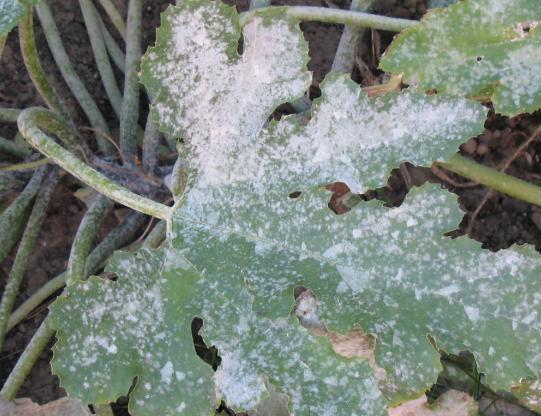
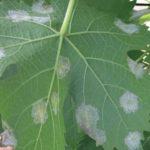
The appearance of white, rough, plaque-like spots on zucchini leaves is a sign of a dangerous fungal disease called powdery mildew. The plants look as if they've been dusted with flour. This is the initial stage of this insidious disease, and treatment must be started immediately.
Within a few days, the spots will change color and turn brown, and the tops will begin to wilt. The infection is spreading, threatening the entire zucchini crop. The disease progresses rapidly, is spread by wind and rain, and can spread to beds containing other vegetable crops.
Reasons for occurrence
To effectively combat powdery mildew, it's important to identify the underlying causes. The main factors that can cause fungal infections in zucchini beds include:
- Lack of preventive treatment of vegetable crops, incorrect selection of plant varieties.
- Contaminated soil from last year.
- "Overfeeding" plants with nitrogen-containing fertilizers.
- Thickening of beds - failure to maintain the spacing between bushes.
- Abundance of weeds and dead leaves.
- Failure to comply with crop rotation and violation of agricultural technology.
The outbreak of the disease is facilitated by a combination of prolonged hot weather and high humidity.
Last year's plant remains
The remains of tops and dead vegetation left in the beds from last year are a breeding ground for bacteria and fungi.
An important preventative measure against powdery mildew is the autumn clearing of garden beds from plant debris.
Important! If there was an outbreak in your vegetable beds last year, you must completely burn the infected tops and leaves and disinfect the soil.
Infectious reserves of soil
Powdery mildew mycelium persists in the soil of affected beds and overwinters. With the arrival of the first rays of sunlight and spring warmth, the fungus awakens and begins attacking new beds with the same vigor and tenacity.
Soil infectious reserves are the number of pathogenic bacteria and fungi that have accumulated in the soil over a long period of time. To keep the soil clean, it is necessary to implement sanitary and hygienic measures to protect and cultivate the soil.
Failure to comply with crop rotation rules
Crop rotation rules are a set of measures for the sequential alternation of agricultural crops in order to increase yields, rationally use nutritional resources, and prevent infectious diseases.
Failure to properly rotate crops leads to outbreaks of various fungal diseases, including powdery mildew. The best precursors for zucchini are onions, legumes, radishes, and cauliflower.
Incorrect agricultural cultivation techniques
Overwatering, lack of regular weeding, and improper planting patterns are factors that promote powdery mildew in zucchini beds. Zucchini does not tolerate excess moisture; their fruits lie on the ground and are in close contact with the bacterial community in the soil. Heat, humidity, and lack of ventilation and sunlight contribute to the rapid spread of fungal diseases.
Weediness of the site
Powdery mildew often spreads to zucchini beds from weeds. Weeds provide a comfortable home for fungi and bacteria, as they aren't treated with fungicides or monitored for signs of disease.
Regular weeding and weed control in your garden plot are essential preventative measures to combat powdery mildew.
Overfeeding
Moderation is key when applying organic and mineral fertilizers. Experienced gardeners know that excess nutrients can harm plants, reduce yields, and cause diseases in vegetable crops.
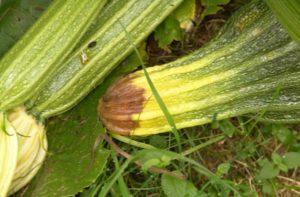
Excessive nitrogen levels are dangerous for zucchini. Powdery mildew fungi primarily attack overfed, nitrogen-rich plants. Furthermore, zucchini begin to accumulate nitrates, which are harmful to human health.
Thickening
Unreasonably close placement of zucchini plants relative to each other leads to a lack of light for each individual plant, disrupting air circulation and natural ventilation of the plantings.
Excess moisture cannot evaporate naturally in a timely manner, the lower leaves of plants begin to rot, creating a breeding ground for harmful fungi and bacteria.
Heat and high humidity
Powdery mildew fungi thrive in high humidity and hot climates. During these conditions, plants should be loosened, dead and excess lower leaves removed, and treated with fungicides and other antibacterial agents.
Lack of insecticidal treatments
If vegetable beds were affected by insect pests, such as aphids, scale insects, or various types of mites, this or last year, then insecticide treatment becomes a mandatory preventative measure.

Insect pests leave their waste products on the leaves of zucchini or nearby weeds, which serve as food for powdery mildew fungi. Furthermore, the plants' immunity is weakened, significantly reducing their ability to resist infectious diseases.
Methods of control
Powdery mildew is one of the most common diseases affecting zucchini; the disease has been known since time immemorial. There are effective, proven folk remedies for combating the infection.
Treatment with professional chemicals is carried out as a last resort, before or after the fruiting period, only in severe, advanced cases.
Treatment
The sooner the cause of the disease is identified, the sooner it's possible to begin proper treatment of your zucchini beds. Prompt, correct treatment significantly reduces the negative consequences of the disease.
Reducing the source of infection
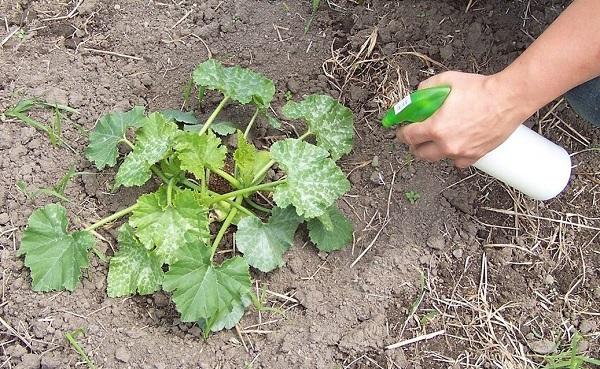
First and foremost, when treating plants for powdery mildew, it's important to reduce and narrow the infestation. To do this, remove excess infected leaves from the zucchini plants and clean the bushes of fungi and bacteria. Care should be taken when treating; avoid shaking off fungal mycelium onto healthy plant parts or the soil.
All cut leaves and shoots are placed in buckets and removed from the area; the best way is to burn the affected tops.
After pruning diseased leaves, plants are treated with antiseptics and fungicides.
Treatment with chemical fungicides
Products designed to combat fungal diseases have proven effective for seed treatment and plant treatment during acute disease outbreaks. The chemical industry offers a wide range of products for combating powdery mildew, but they should be used with caution.
"Topaz"
A penconazole-based fungicide, Topaz acts quickly, slowing the growth of harmful fungi and significantly reducing the rate of infection. The active ingredient is not washed away by rain or watering. It's important to follow the dosage: 3 drops per 10 liters of water. It's recommended to spray zucchini in the evening.
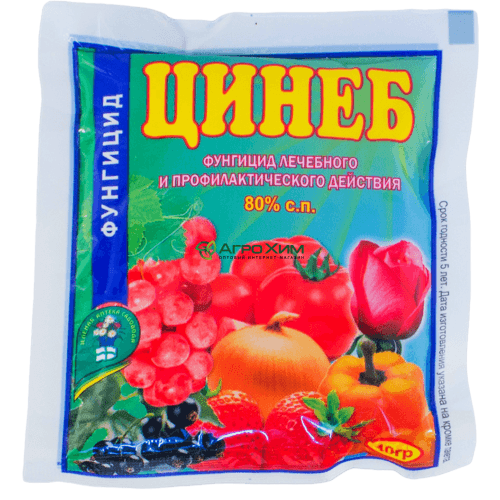
Zineb
It is used during the growing season. Plants are sprayed with a powder diluted in water, and the zucchini are protected for two weeks. A caveat of this product is its ineffectiveness for plants grown indoors; Zineb does not suppress powdery mildew pathogens.
Fundazol
A benomyl-based fungicide. It inhibits the reproductive properties of fungi, allowing for rapid disease control. Plants are protected from reinfection for 10 days. The product is toxic and hazardous to humans; if used in excess, it can also damage the plants themselves.
Previkur
It boosts plant immunity, activates metabolic processes in vegetable crops, and helps fight infections independently. "Previkur" inhibits the growth of powdery mildew fungi.
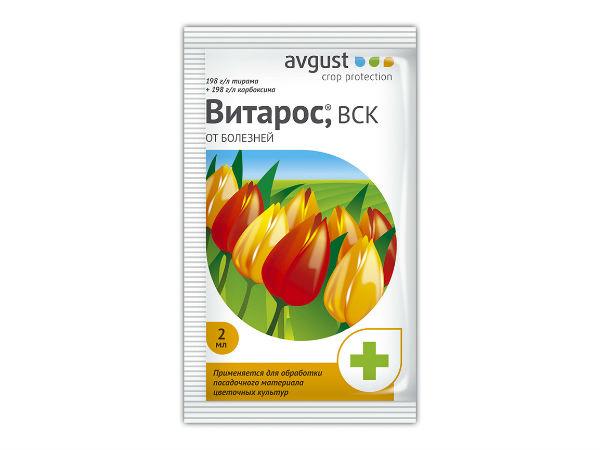
Vitaros
This preparation is recommended for seed treatment. "Vitaros" protects plants from fungal and bacterial infections and improves the immune system of vegetable crops.
Bordeaux mixture
The most popular and inexpensive fungicide. It combats copper deficiency in plant nutrition and protects vegetable crops from powdery mildew and other fungal diseases. The prepared mixture should not be diluted with water; the mixed product should be stored for no more than two days.

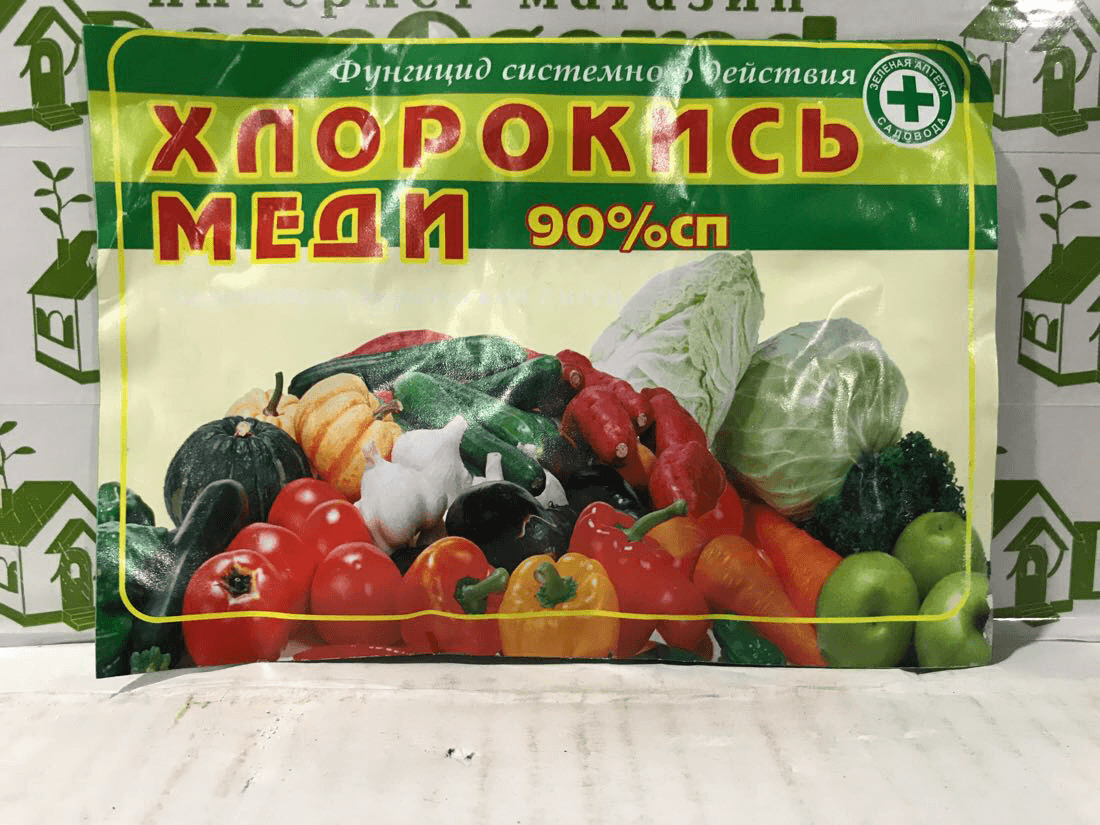
Copper oxychloride
This fungicide, moderately toxic to humans, is similar to Bordeaux mixture. Its weakness is that it doesn't adhere well to zucchini leaves and is quickly washed off with water. The use of chemicals is only justified in severe cases of infectious diseases or as a preventative measure before the fruiting period begins. It is necessary to take precautions, use gloves and protective masks when treating plantings.
Prevention
Treating zucchini for powdery mildew is a labor-intensive process. Any disease is easier to prevent than to treat. A comprehensive preventative program is aimed at promptly preventing potential illness.
Timely removal of plant debris
Keeping the garden beds tidy, the soil clean, and the entire plot clean is essential for healthy vegetable crops and a high-quality harvest. Wilted leaves, ripe fruit, fallen flowers, and ovaries must be removed promptly. Plant debris should not be allowed to rot between rows. Bacteria produced during rotting cause a wide range of diseases, impair air circulation, and reduce the rate of metabolic processes in plants.

Once a week, the squash plantings are inspected and plant debris is removed.
Deep autumn plowing
Digging the soil in the fall after harvesting is an excellent way to prevent fungal infections. Autumn plowing destroys weeds, which become part of the organic fertilizer for the following spring.
Soil dug in the fall becomes looser and more airy. When exposed to subzero temperatures, the soil freezes better, and fungi and bacteria are "frozen out." The topsoil is significantly improved.
Crop rotation
Proper selection and rotation of predecessor crops help create favorable growing conditions for vegetable crops. Plants receive the necessary nutrients, and the risk of disease transmission from unrelated crops is minimized.
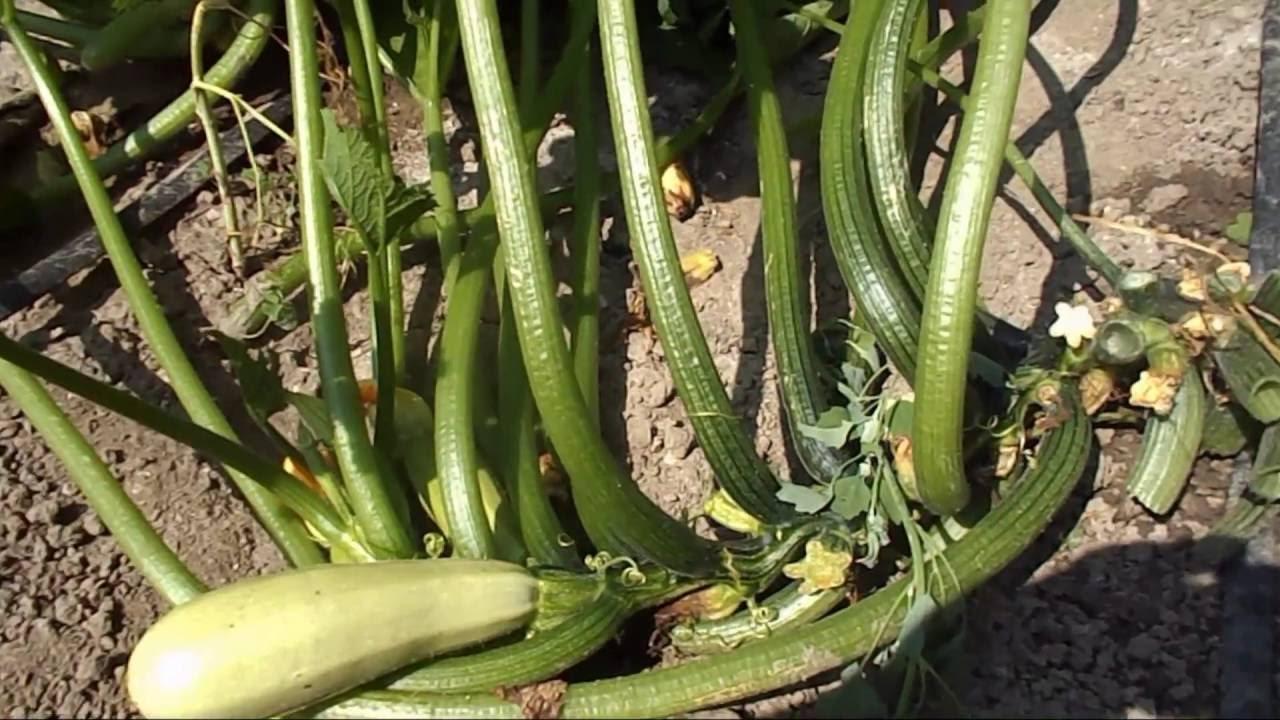
After zucchini, it's recommended to grow tomatoes, legumes, eggplants, and potatoes. The best predecessors for zucchini are onions, garlic, various legumes, and radishes.
Weeding
Weeding between the rows of zucchini plants is essential regularly. Mulching with wood chips or straw can cut the frequency of weeding in half. Covering the soil surface with mulch also reduces contact between the fruit and the soil, reducing the risk of rot.
Thinning
Zucchini plants form a spreading bush; dense plantings are unacceptable. They will not receive the necessary light, and air circulation will be reduced. If the plants begin to interfere with each other during growth, it is recommended to remove the weaker plant. Otherwise, both plants will grow stunted and overwhelmed by their neighbor.
Dosed feeding
When applying fertilizers and fertilizers, always follow the recommended dosage. Excessive amounts of certain components can adversely affect the development of vegetable crops, weaken the immune system, and cause disease.
Fertilizer should be applied at the recommended time and at a specific stage of zucchini growth. If the fertilizer is not a complex one, it's important to consider companion components that will enhance the absorption of certain elements.
Ventilation in greenhouses
To prevent the development of fungal infections and rotting processes in greenhouses and greenhouses, regular ventilation is carried out. This ensures that plants receive the necessary oxygen, and the indoor humidity and temperature are maintained at an optimal level.
To avoid sudden temperature changes that are detrimental to cultivated plants, ventilation is carried out in the morning or late in the evening.
Regular check-ups
Any infection can be treated at an early stage. Plants should be inspected daily for signs of infection, such as spots, wilting, growths, or insect infestations.
If the onset of the disease is not detected in time and the cause of its development is not eliminated, the gardener risks losing the harvest.
Selecting resistant varieties
Many modern squash varieties have been improved by breeders. These plants are genetically engineered to be resistant to powdery mildew. Naturally, such varieties are preferred for growing in areas with a high risk of fungal diseases.

The following zucchini varieties are resistant to powdery mildew:
- Aeronaut;
- Belogor;
- Anna;
- White;
- Waterfall;
- Karina;
- Black beauty.
The presence of the words “resistant to powdery mildew” in the description of a variety does not guarantee complete freedom from the disease, but it does significantly reduce these risks.
Folk remedies
Every gardener dreams of growing organic vegetables in their garden. What can you do if your beds are attacked by powdery mildew and you don't want to use chemicals? There are proven folk remedies.
Slurry solution
Spraying zucchini with a slurry solution is a biological method of combating powdery mildew. To prepare the solution, use rotted cow manure. Dissolve one shovelful of the organic material in 10 liters of water, let it sit for 24 hours, and strain. Dilute with water at a ratio of 1:2. Spray the zucchini twice a week in the evening.
Infusions of weeds
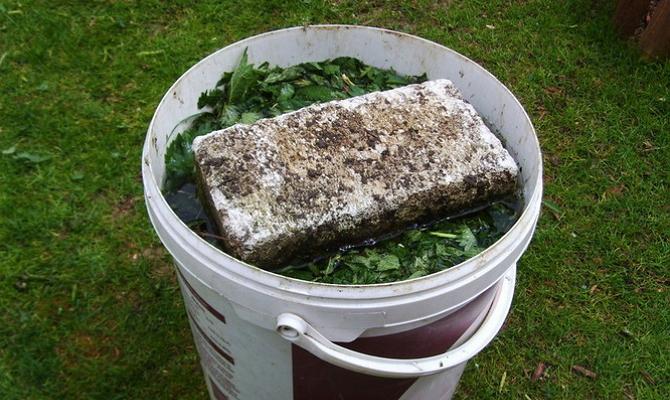
The collected weeds are crushed and steeped in water in a container at a ratio of 10 liters of water to 5 liters of weeds. The solution should be boiled and strained. Add 1 cup of wood ash. Strain and spray the zucchini.
Sour milk or whey
It's used as a preventative measure. One liter of whey or curdled milk is diluted with two liters of water. Zucchini leaves are coated with the milk solution every week for a month. The proteins contained in the solution have an antiseptic effect.
Onion tincture
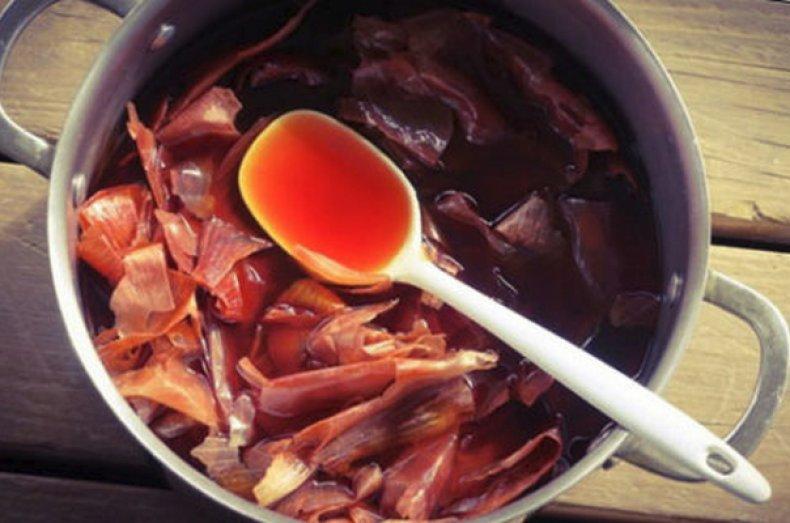
A tried-and-true method for decades. Onion peels are boiled in water at a ratio of 250 grams of peels per 1 liter of water. The infusion is steeped for two days, diluted with water, and sprayed on plants in the evenings twice a week for one month.
Spraying and pollinating golden squash
Using strong chemicals can kill pollinating insects. In this case, pollination must be done manually. A male flower is picked from the zucchini plant and its pollen is applied to the female flowers. One male flower can pollinate three female flowers. This procedure is performed in the morning, between 6:00 AM and 11:00 AM.
Soda ash solution
This solution is used to treat zucchini against powdery mildew in the early or mid-stages. Add two tablespoons of washing soda to 10 liters of water, 10 drops of iodine, and 2 tablespoons of liquid laundry soap. Spray the affected zucchini leaves with the resulting mixture.

Mustard solution
This product is used to combat powdery mildew and spider mites. Dissolve 2 tablespoons of dry mustard powder in 10 liters of boiling water. Spray and water affected plants with the solution.
Horsetail decoction
Horsetail infusion is effective against powdery mildew. Add 100 grams of fresh horsetail to 1 liter of water and bring to a boil. Let the infusion steep for 24 hours, covered, in a dark place. Strain. Spray the zucchini twice a week. The infusion should not be stored after this time, as it will lose its effectiveness.
Bacterial method
Biopreparations against powdery mildew are the optimal solution. These products are less harmful to humans than chemical medications, but are more effective in combating the fungus than traditional methods.

Fitosporin
A modern, broad-spectrum biofungicide. It prevents fungal growth and slows mycelial growth. Available in paste and powder form. Carefully read the instructions before use. It's best to treat zucchini with Fitosporin in the evening or early morning.
Rizoplan
A bacterial fungicide that effectively combats various types of rot and powdery mildew. It accelerates the growth of crops, improves their immunity and disease resistance, and increases seed germination when applied to seeds.
Fitoverm
Protects zucchini from insect pests and is also a proven remedy against powdery mildew. Apply during the flowering period as a preventative measure. Easy to use, it comes in drop form.
Powdery mildew is a dangerous fungal disease affecting vegetable crops. However, in modern gardening, it's easy to combat. A wide range of chemical and biological treatments are available at any specialty store.
Related posts:
 How to properly plant zucchini in open ground, cultivation technology and care
 TOP 20 simple recipes for pickled zucchini for the winter
 What to do if the leaves of zucchini in open ground turn yellow and how to deal with it
 Proper cultivation and care of zucchini in open ground, how to increase the yield
 What is the best way to feed zucchini in open ground and greenhouses during flowering and fruiting?
 How to cook fried zucchini with garlic for the winter, finger-licking good recipes and without sterilization
 How to make zucchini adjika for the winter using finger-licking good recipes and storage instructions
 How to treat grapes for mildew, the best control measures and treatment rules