
There are several reasons why zucchini ovaries may drop. If the cause of the problem is not identified and addressed promptly, the harvest can be lost. Ovary drop may be caused by improper preparation of the planting material, nutrient deficiencies in the soil, inadequate vegetable gardening, or disease. If not all the ovaries have dropped, the plant can be saved.
It all starts with following the planting rules
Once you've chosen the right zucchini variety, you need to learn the specifics of planting and growing it. Seeds should be planted no earlier than the first half of May, when warm weather sets in and the soil reaches 12 degrees Celsius.
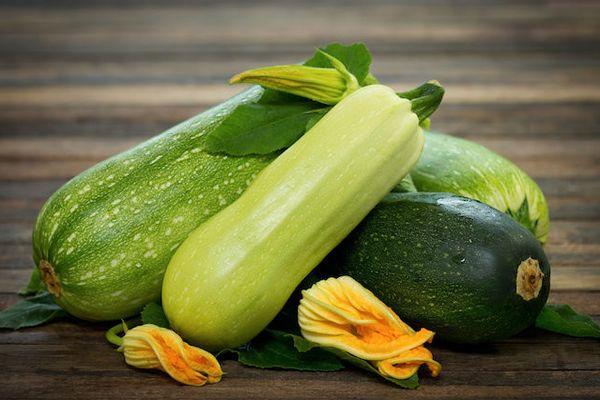
Rules for choosing the best site for zucchini:
- For planting, choose a well-lit place where there is no groundwater nearby.
- The soil should be loose, slightly acidic, and well-aerated. If the soil is highly acidic, liming is recommended.
- The best predecessors for this crop are potatoes, carrots, herbs, onions, and beets.
- The soil in the area where zucchini will be planted is dug over in the fall and fertilized with compost and superphosphate. In May, the soil is dug over again and saltpeter is added.
- It is useful to add sawdust, humus and peat to the soil.

Zucchini are planted in rows. Holes are dug 58 cm apart, with at least a meter between rows. The seeds are planted 5-6 cm deep, covered with soil, and then the furrows are watered.
If all planting instructions have been followed, but the fruit is still falling off, the cause is improper care. If the zucchini plant has already developed a bud and a flower remains, this indicates that the fruit has begun to rot. Moisture accumulates in the flowers, which causes the rot.
Reasons for zucchini ovary shedding
If the ovary dries up and falls, the harvest also declines. So, gardeners wonder why this happens. A common cause is failure to follow proper agricultural practices during the plant's flowering period. This weakens the plant's immune system, increases the risk of infection, disrupts the nutrient balance in the soil, and prevents pollination.
Reasons for deterioration of the condition of zucchini ovaries:
- excess moisture, a problem that often affects plants planted in open ground due to heavy rains (in this case, it is recommended to loosen the soil and remove the lower leaves);
- disruption of the pollination process;
- fungal, viral and bacterial diseases;
- deficiency or excess of microelements;
- dense plantings.
By eliminating all these unfavorable factors, you can get healthy ovaries and harvest a good crop.

Excess moisture and nutrients
Fruit drop can be caused by an improper watering regimen. This is most often due to overwatering due to frequent rainfall or watering. Therefore, it's important to know how to properly water your vegetable crop:
- water for irrigation should be warm and settled;
- it is enough to water once every two weeks;
- one root requires 12 liters of water;
- Avoid getting moisture on the green part of the plant.
After each watering, it's recommended to loosen the soil to improve oxygen supply to the roots. Fertilizing with organic fertilizers is recommended.

Plant wilting can be caused by a nutrient deficiency. Boron and iodine are especially important for squash development. To compensate, spraying with special solutions based on boric acid and potassium iodide is helpful.
An excess of micronutrients also negatively impacts growth. Therefore, it is recommended to apply fertilizer no more than three times during the growing season, maintaining precise dosages.
The problem lies in the flower
Squash ovaries can fall off even after the embryo has set. This occurs as a result of rotting. Therefore, as soon as the first ovaries appear, it is recommended to remove all remaining flowers. Disinfect the cut area with wood ash. Failure to remove the flowers increases the risk of rotting, as droplets of moisture begin to accumulate in them.
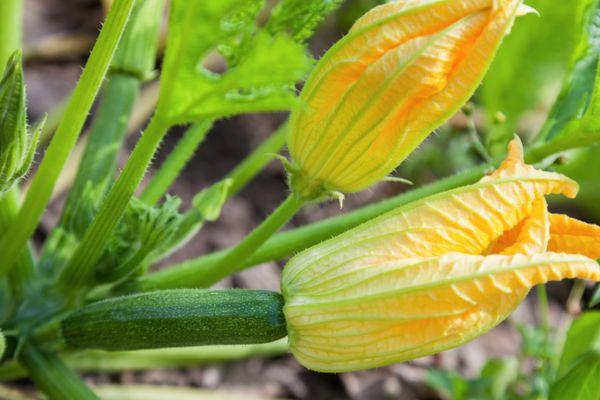
Insufficient pollination of female flowers can also cause the plant to drop ovaries. This problem can be solved by artificial pollination. Male flowers with ripe pollen are plucked from the squash plant and carefully applied to the female flowers.
In order to attract the attention of pollinating insects, it is necessary to treat flowering plants with a special solution (made from honey, sugar, and aromatic oils).
Powdery mildew infection
The cause of ovary drop is a fungal infection called powdery mildew. White, powdery spots appear on the stems and leaves of the plant. In the early stages of the disease, the lower rows of leaves are affected, then the infection spreads to all green parts. The leaves turn brown.

The following factors can provoke the proliferation of fungus:
- excess nitrogen in the soil and lack of calcium;
- excessive watering or rainy weather;
- small distance between planted bushes;
- weed growth.
If the soil in open ground is infected with a fungal infection, it needs to be disinfected. Remove the top layer of soil, and then water the area with an ash or soap solution. Ready-made disinfectants such as "Kefalon" and "Carborane" can be used.
A solution made from soap and baking soda can be used for both prevention and treatment. To prepare the solution, dissolve a teaspoon of baking soda in two liters of warm water. To ensure the solution adheres to the leaves and doesn't wash off in the rain, add 5 ml of liquid soap. Spray the beds with the prepared solution in dry, windless weather.
 To prevent the disease, you need to promptly remove diseased and dry leaves from the bush, water it properly, apply potassium-phosphorus fertilizers, and avoid overusing nitrogen components.
What to do
What should you do if your ovaries are turning yellow and falling off? To ensure a good harvest, experienced gardeners recommend following a few rules:
- It is recommended to add rotted manure, wood ash or peat to the soil before planting;
- After planting, it is recommended to add a complex of fertilizers to the soil, including organic and mineral components (fertilizing is carried out in 2 stages);
- It is useful to mulch the soil (straw, sawdust, and chopped meadow grass are suitable as mulch);
- Regularly loosen the soil and establish a watering regime.

The first fertilization is done after the first leaves have formed. The next fertilization coincides with the period of bud formation before flowering. Organic-based fertilizers (chicken manure, mullein) are ideal.
To avoid crop failure, you need to know what to do in the current situation. Once you identify the cause, you can choose the right control measures.
Related posts:
 How to properly plant zucchini in open ground, cultivation technology and care
 What to do if the leaves of zucchini in open ground turn yellow and how to deal with it
 Proper cultivation and care of zucchini in open ground, how to increase the yield
 How to control pests and treat diseases of zucchini in open ground
 What is the best way to feed zucchini in open ground and greenhouses during flowering and fruiting?
 How to make zucchini adjika for the winter using finger-licking good recipes and storage instructions
 Why do pumpkin ovaries turn yellow, fall off, and rot in open ground, and what can be done about it?
 30 Best Zucchini Varieties with Descriptions and Characteristics