
It's helpful to know about potential diseases affecting zucchini grown outdoors and how to control them. Over the years, infections and pest larvae accumulate in the soil, soil fertility declines, and weather becomes less predictable, all of which increases the risk of plant infections. Therefore, it's helpful to know how to control pests and diseases of melons.
How to combat zucchini diseases
Two or three zucchini plants planted by a gardener produce enough fruit for summer consumption and freezing. But not all zucchini growers are so lucky; for some, zucchini diseases destroy most of the harvest. Infections (fungal, viral, or bacterial) not only affect the surface of the leaves and stems but also cause the fruit to lose its nutritional value.
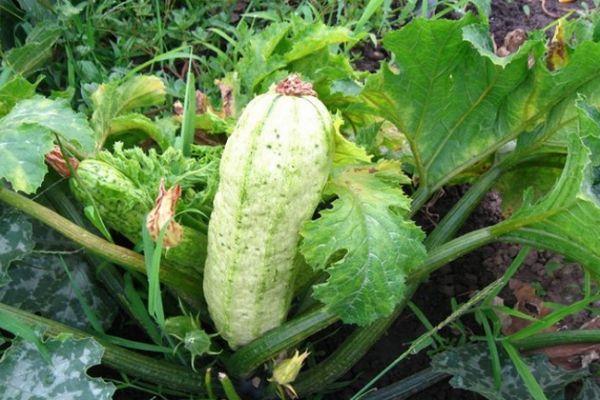
Anthracnose
It's essential to inspect the plant if the flesh of the picked fruit tastes bitter or isn't firm enough. A bitter taste is a dangerous symptom. If you notice round, brown or yellowish-brown spots on the leaves, it's anthracnose.
Outbreaks of the disease can occur throughout the growing season, right up until harvest. The spots increase in number, appearing on the stems. They are slightly sunken, oblong, and covered with a yellow-brown coating.
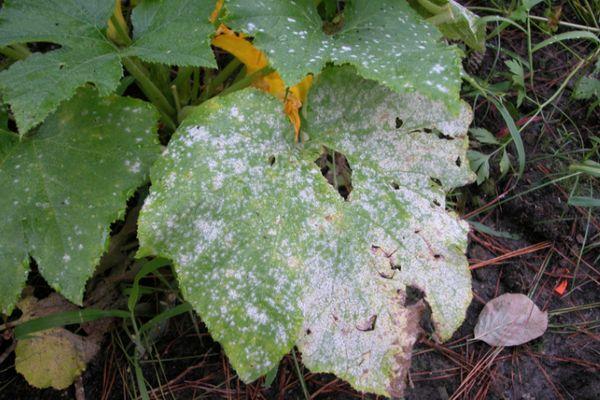
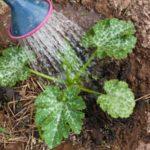
Squash diseases and their treatments are caused by gardeners themselves, who fail to follow basic care rules. They water the plants during the day, even during the hottest times of the year, and overwater them, causing waterlogging. To prevent anthracnose, squash plantings are watered in the evening. Diseased plants, at the first signs of symptoms, are treated with biological preparations such as Fitosporin-M and Gamair.
Bacteriosis
Most zucchini diseases begin with white spots on the leaves; with bacterial blight, these spots turn brown. This disease is incurable, so it can leave a gardener without a harvest. The ovaries and fruits turn white, yellow, lose their firmness, and become glassy.
Reasons why zucchini leaves and fruits are affected by bacterial blight:
- high humidity;
- lack of air circulation;
- dense planting;
- failure to observe crop rotation.
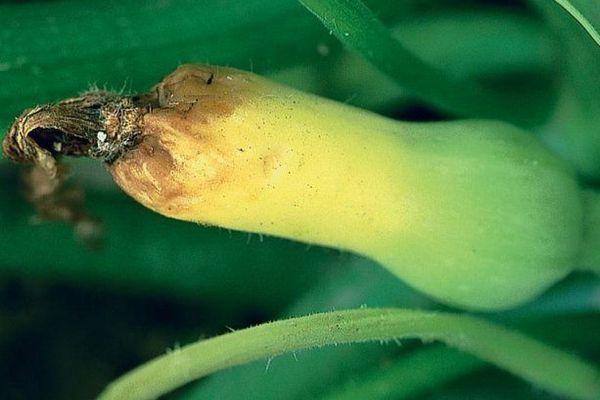
If the tips of the ovaries have already turned white (brown), they cannot be saved. The entire plant must be destroyed, uprooted. The reason for this is clear: to prevent contamination of the soil and other plants.
To prevent bacterial blight, seeds are soaked in a fungicide before planting. Most gardeners use Fitosporin-M. The same fungicide is applied to the garden bed five days before planting the zucchini seeds or seedlings. Water the plants with settled water, the temperature of which should correspond to the air temperature. When the temperature drops below 8°C, watering is reduced to a minimum.
White rot sclerotinia
Low temperatures combined with high soil and air humidity are the cause of most fungal diseases of zucchini grown outdoors. Plants showing symptoms of white rot can be saved if treatment is started as soon as the white coating is noticed on the zucchini leaves.
Prepare a mixture for dusting the affected areas by mixing crushed chalk with copper sulfate powder in a 1:1 ratio. Crushed charcoal helps stop the spread of fungus; sprinkle the powder on the damaged surface.
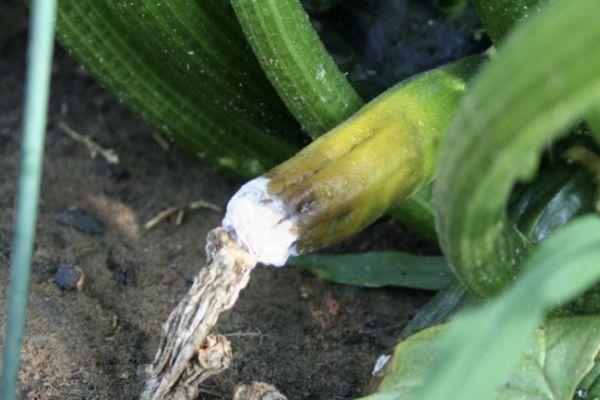
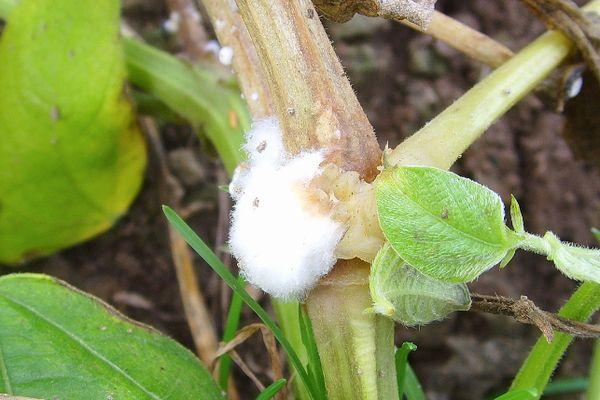
Left untreated, the symptoms of sclerotinia on zucchini become fully evident. A flaky coating appears on the leaves, fruits, petioles, and stems. The affected plant part becomes soft and dies. Factors influencing fungal activity include:
- low temperature;
- high humidity;
- dense planting;
- lack of crop rotation;
- excess nitrogen in the soil.
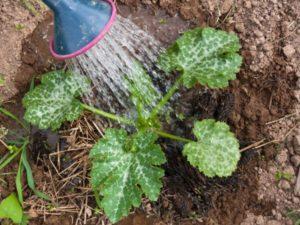
To prevent sclerotinia, spray the bushes with a mixture of water (10 liters), urea (½ tablespoon), copper sulfate (2 grams), and zinc sulfate (1 gram). Fruits with a white coating on the end should not be eaten and should be destroyed.
Gray mold botrytis
Fungal spores that cause gray mold can be found on the green foliage of weeds. Young zucchini plants are affected, and the first fruit buds and leaves become damaged. They become waterlogged, turn brown, and eventually become covered with a gray coating.
The disease is triggered by adverse weather conditions, manifested by sudden fluctuations in temperature, air humidity, and soil. Poor care weakens young zucchini, increasing the risk of gray mold.
Violations of agricultural technology include:
- irregular watering;
- use of cold water from a well or water supply;
- watering zucchini after sunset;
- frequent application of nitrogen fertilizers.
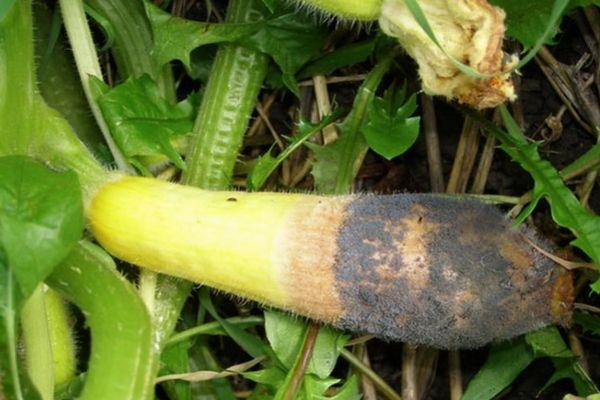
Control measures: destruction of ovaries (fruits) with signs of gray rot, treatment of stems with chalk (2 parts) mixed with copper sulfate (1 part), application of phosphorus and potassium fertilizers under the roots, clearing the space between rows of weeds.
Root rot
Blossom end rot on zucchini is a consequence of calcium deficiency in the soil; symptoms of root rot are more common on protected ground plants:
- brown coloration of roots and root collar;
- small fruits;
- the leaves are yellowish, smaller in size than on healthy bushes;
- shedding of ovaries and fruits.
Excessive fertilization is the main factor weakening plants. The disease develops when zucchini are watered with cold water (<20°C) and when daily air temperature fluctuates.
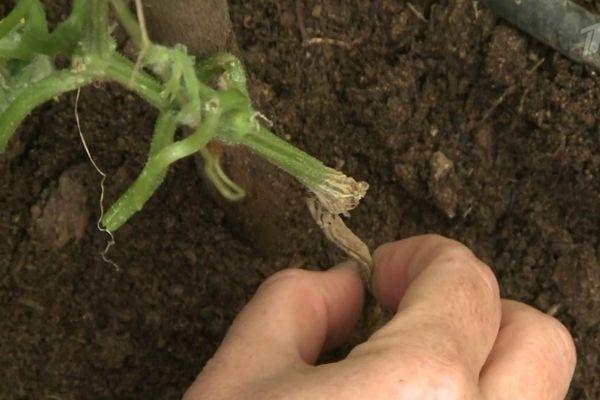
Zucchini plants can be saved by promptly treating them with a copper-containing preparation and earthing up the affected plant. If the root is severely damaged, resuscitation is useless – the plant must be destroyed along with the fruit, and the soil treated with a copper sulfate solution.
Powdery mildew
Any disease saps a plant's energy and reduces the number of fruits harvested during the season. Powdery mildew is a disease caused by a fungus. Initially, the undersides of infected leaves become covered with a grayish-white coating. As the disease progresses, more severe symptoms occur:
- the leaf blades become deformed and curl;
- shoots die off;
- the fruits are spoiling.
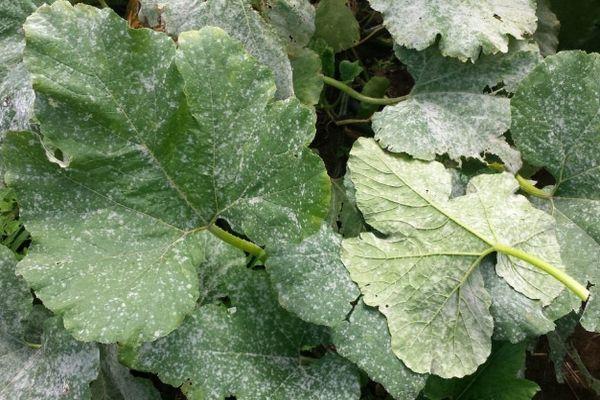
Powdery mildew prevention should begin while preparing the garden bed. It's best not to apply fresh manure, as excess nitrogen weakens the zucchini. Compost and humus applied at the appropriate rate (5-10 kg/m²) restore soil fertility without disturbing the NPK (nitrogen, phosphorus, and potassium) balance.
All parts of the diseased plant covered with plaque (leaves, stems, fruits) are removed, and healthy tissue is treated with a fungicide solution:
- Topaz;
- Fundazol;
- Coming soon.
When purchasing seeds, choose varieties with increased resistance to powdery mildew. To protect zucchini from infection, water them with an ash infusion before flowering, during budding, and during fruit formation. You can also sprinkle the ash in the soil after each watering. These simple measures will allow you to avoid using chemicals.
Downy mildew
A description of downy mildew treatment methods will help save your harvest. It manifests itself in high humidity and low temperatures. Leaves become covered with oily, gray-brown spots and a dirty white coating.
The treatment plan for diseased zucchini is simple:
- stop watering for 7 days;
- the bushes are sprayed with Metiram or a solution of copper oxychloride;
- carry out root fertilization with potassium fertilizer;
- If the air temperature at night (during the day) is < 18 °C, the bushes are covered with lutrasil.
Take a look Also
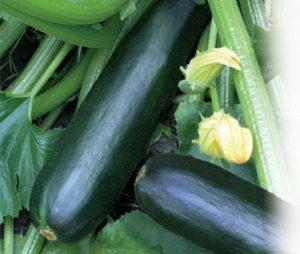
Black mold of pumpkins
An alarming symptom for gardeners is when yellow-brown, angular spots begin to appear on the leaves of zucchini. Within a short period of time, a gray coating will appear on the leaf blade, caused by the spores of a fungus that causes pumpkin disease.
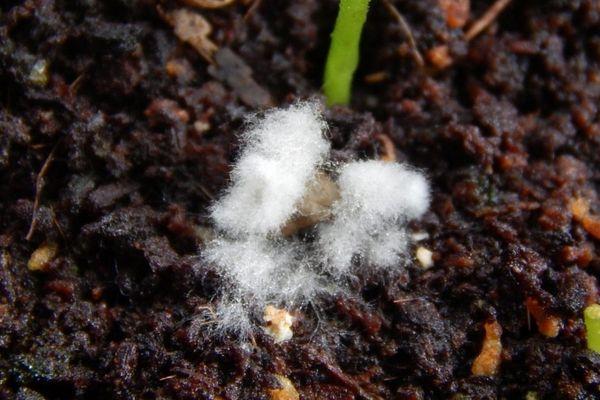
The plant may become infected with black mold if planting rules are not followed:
- failure to observe crop rotation;
- dense planting;
- When preparing the soil, plant roots and other plant residues were not removed from it.
Plants cannot be cured. If they are already diseased, they are completely destroyed and the soil treated with a fungicide.
Fusarium wilt
Fungal diseases and pests affecting zucchini aren't as serious as Fusarium wilt. It's virtually impossible to control, and the plant dies completely. The infection destroys the vascular system, leading to the death of roots, stems, and leaves, which wilt.
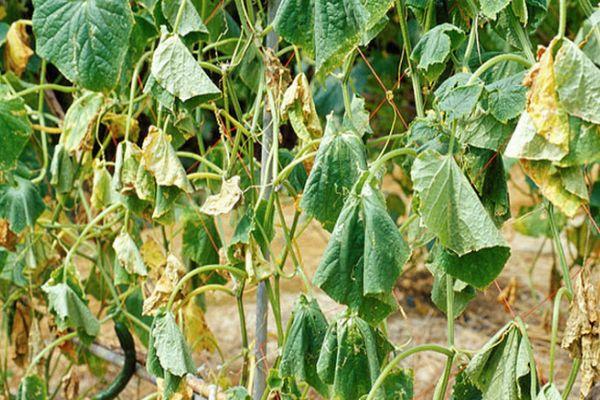
Causes of Fusarium wilt:
- weeds;
- remains of last year's plants in the soil;
- failure to comply with crop rotation rules, annual planting of pumpkin crops in the same place.
The diseased plant should be removed from the garden along with the root ball. Treat the soil with Fitosporin and Baktofit. Adding chalk and dolomite flour can also help. The fungus becomes less active in neutral soil.
How to control squash pests
Low temperatures weaken the immune system, and weakened plants are more susceptible to insect attacks. These can be controlled using both natural and chemical remedies.
Melon aphid
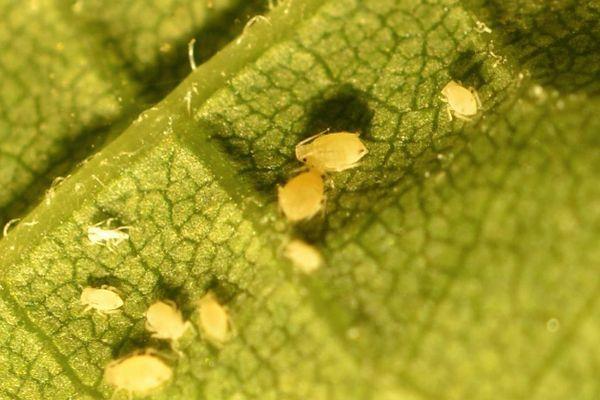
The ubiquitous aphid can be devastating to a plant. These tiny insects (3 millimeters) gnaw at leaves and shoots, transmitting infections (bacteria and viruses). These pests reproduce very quickly, damaging leaves, young shoots, and buds.
Insect activity begins in spring, when temperatures reach 12°C. Affected plants are easily identified by their curled leaves and stunted buds. If you look at the underside of a leaf, you'll see colonies of adult insects and their larvae.
Gardeners who avoid aphid infestations by using a simple preventative method—combined planting—plant the following next to zucchini:
- spicy plants (mint, coriander, fennel);
- flowers (marigolds, lavender);
- garlic, onion.
Diseased plants are treated with Bitoxibacillin, a drug that is harmless to bees and humans. This is an effective microbiological agent; the aqueous solution is prepared immediately before use. The recommended dosage is 80 to 100 grams per 10 liters of water. Plants infested with aphids are sprayed every 10 days.
If insects are few, a folk remedy called tobacco infusion can be used. Use 1 part tobacco infusion to 10 parts water. Let the infusion steep for 24 hours. Zucchini leaves are treated with a 1:3 dilution.
Whitefly
July is the time when whiteflies begin their flight. They resemble moths, with bodies no more than 2 millimeters long and pale in color—white or slightly yellowish. Whitefly larvae feed on leaves. They hatch from eggs laid by the female on the underside of the leaf.
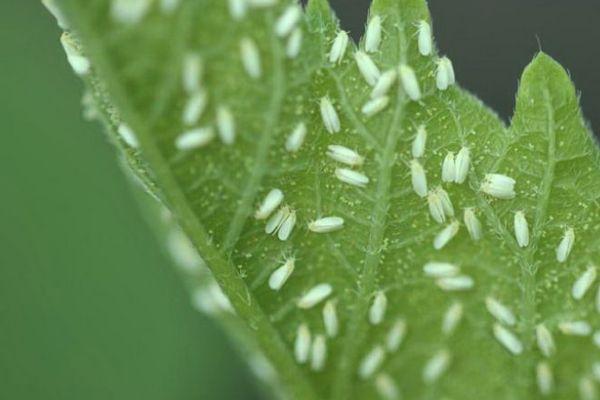
Zucchini infestations begin on young shoots (leaves), easily identified by the light spots that appear on the surface of the leaf blades. During their life cycle, the larvae secrete a sticky substance that clings to the leaves, impeding their development and serving as a breeding ground for sooty mold.
Leaves and buds affected by the insect become deformed, dry out, and fall off. To prevent the plant from dying, spray it with a garlic or tobacco infusion. This treatment should be repeated every three days. Leaves can be washed with settled water before spraying. Liquid soap should be added to the garlic or tobacco infusion.
Spider mite
The insect, no more than 0.4 millimeters long, nests on the underside of leaves. The mites are brown or green in color. They reproduce more actively in dry, hot weather. Affected leaves can be identified by yellow spots on their surface and the webbing they are covered with.
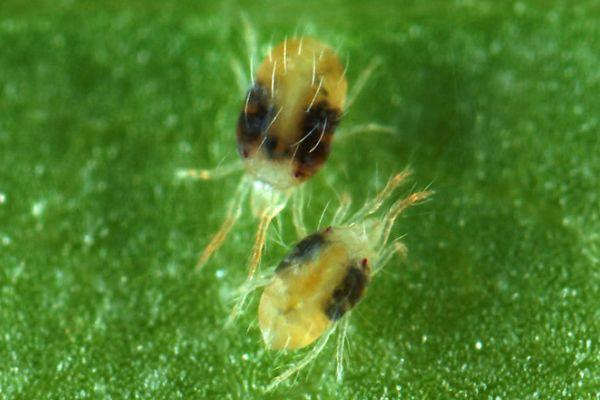
A large number of mites is very harmful. The insects can slow plant growth. Zucchini plants begin to lag behind in development, their leaves dry out, and their immune system suffers. Plants infested with mites are less able to withstand cold weather.
Small numbers of insects can be controlled by spraying with infusions of onion peels, garlic, and tobacco. For severe spider mite infestations, chemicals such as Fosfamide, Metaphos, Karbofos, and Akartan can help get rid of them.
Sprout fly
As its name suggests, this insect attacks young plant shoots. The larvae of the shoot fly can be found on young seedlings and seeds. The adult insect is gray in color and no more than 5 millimeters long.
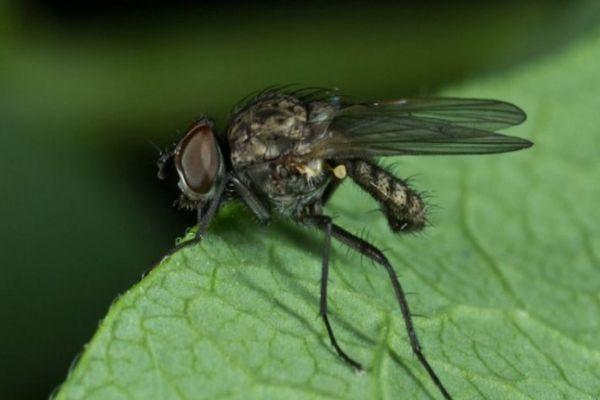
The fly's flight begins in the spring, with a single female producing up to three generations of pests per season. Zucchini suffer from the larvae, which can destroy young seedlings in just two weeks. Experienced gardeners recommend digging the soil thoroughly when adding manure, and watering the zucchini seedlings before the shoot fly attacks, using the following solution:
- water – 10 liters;
- table salt – 200 grams.
To protect against flies in the spring, Fufanon is added to the soil; the dosage is determined according to the instructions.
Slugs
Slugs love zucchini, devouring the ovaries and fruits. Other parts of the plant are also affected. The mollusks attach themselves to any part of the stem and gnaw it out. Young plants rarely survive this infestation. The slime secreted by the pests spoils the marketable appearance of the fruit.
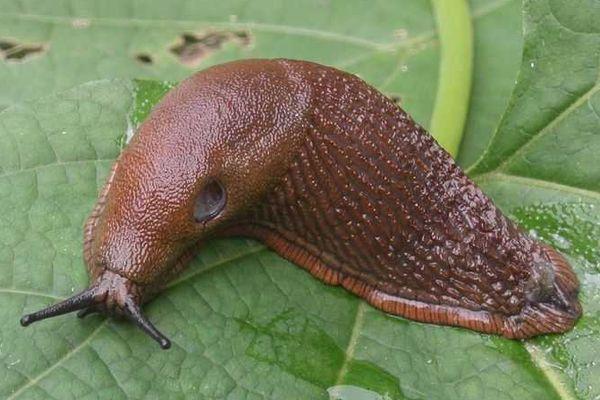
Slugs are controlled manually or using traps. These are made from old bags, cardboard, or plywood. These traps are placed around the entire perimeter of the garden bed. To protect against slugs, wide trenches (up to 30 centimeters) are dug around the plantings. These trenches are filled with sawdust or pine needles to impede their movement.
Additionally, scatter metaldehyde granules around the zucchini beds and spray the soil with a lime solution. Plants planted around the zucchini beds, such as lavender, sage, hot peppers, garlic, and mustard, help repel pests.
You can save a sick plant from a large number of sucking insects using proven remedies available at any gardening store. Products such as Confidor, Aktara, and Mospilan are effective against squash pests. Crop rotation, careful variety selection, proper planting and care, and modern fungicides will protect against diseases caused by viruses, fungi, and bacteria.
Related posts:
 What to do if the leaves of zucchini in open ground turn yellow and how to deal with it
 How to properly plant zucchini in open ground, cultivation technology and care
 Proper cultivation and care of zucchini in open ground, how to increase the yield
 What is the best way to feed zucchini in open ground and greenhouses during flowering and fruiting?
 How to make zucchini adjika for the winter using finger-licking good recipes and storage instructions
 Causes of powdery mildew on zucchini and methods of disease control
 Causes and treatment of eggplant pests and diseases, how to combat them at home
 How often should you water zucchini in open ground? Irrigation rates and methods.