
There are several reasons why zucchini grow abnormally. Solving the problem requires understanding each of them and how to correct the situation. This won't require much time or effort, and the gardener will be rewarded with smooth, tasty vegetables that can be used in both winter and summer dishes.
Uneven shapes
If your vegetables are growing pot-bellied or with a long tail, you'll first need to figure out the reasons for this.
Curves
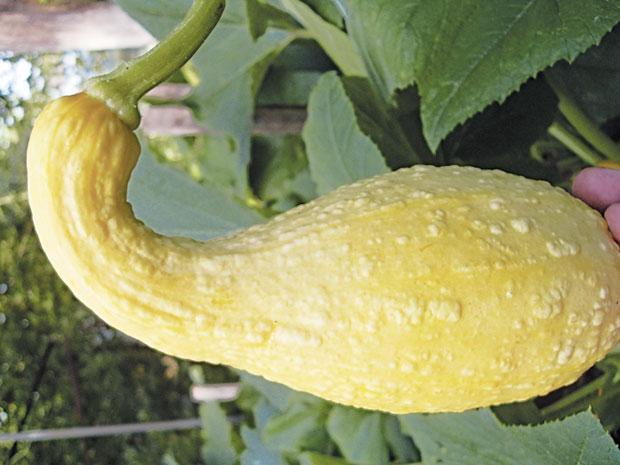
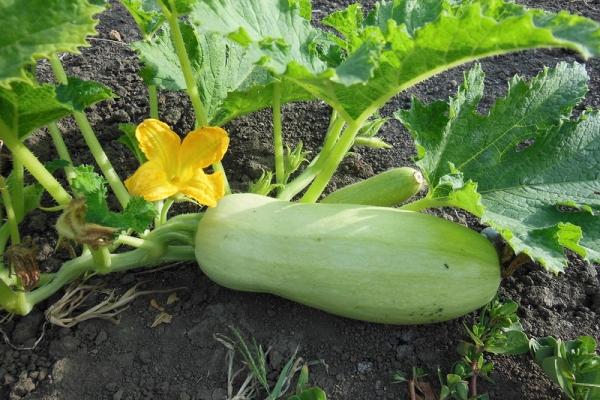
Zucchini are growing and developing well, but their shape is unpleasing to the eye. There are several explanations for this growth pattern, all related to poor preparation before planting the seeds. Under optimal conditions, the shape of the vegetables should be smooth and cylindrical. A lack of minerals causes stunted growth and crookedness.
If a young zucchini starts to grow crooked or its development slows down, pay attention to the level of illumination in the garden bed.
For planting, select a sunny area with adequate soil nutrients. To achieve this, add a full complement of minerals and organic matter in advance, dig, and leave the bed until planting time.
Pear-shaped
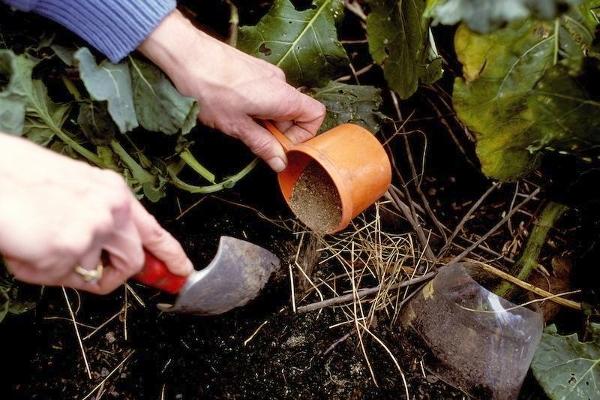
Zucchini are growing with a narrowed bottom and a pear-like shape—a sign to an experienced gardener that the vegetables are potassium-deficient. To remedy this, simply apply a commercial, balanced fertilizer.
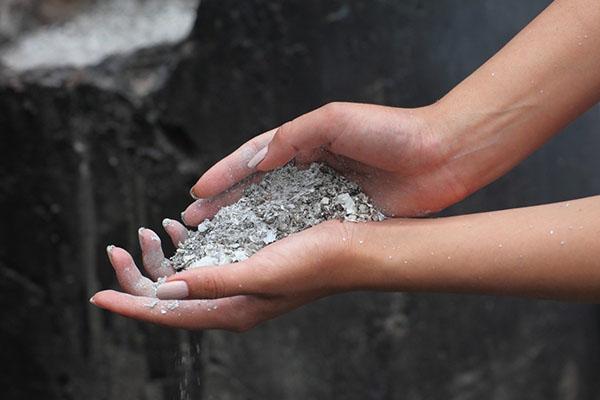
One popular recipe is to sprinkle a thin layer of wood ash on the soil under the plants after watering.
Thin tip
The thinning tips of zucchini change color from light or dark green to a washed-out light green. This problem occurs when the plants are not receiving sufficient nitrogen-containing fertilizers. To "cure" the problem, you can use nitrogen-rich organic matter or a commercial fertilizer.

Important! The main thing is to detect the defect in time and carry out fertilizing zucchini nutrient solution and provide the bushes with optimal conditions for growth.
The main causes of abnormal fruits
Let's take a closer look at the reasons for the manifestation of slow growth and curvature of forms:
- The plant requires minerals from various groups. This is indicated by its curved shape. The fertilizers required are described above.
- Industrial compounds and elements can be successfully replaced with organic matter or herbal infusions. Simply soak nettles in water or rotted leaves and pour the solution onto the soil around the plant. This treatment successfully replaces the use of nitrogen minerals.
- The quality and shelf life of seeds directly impacts growth retardation and possible deformation of vegetable shapes.
- Incorrect preparation and selection of a planting site can lead to distorted vegetable shapes and slower growth.
We've figured out what plants lack, now it remains to explain how to solve the problem.
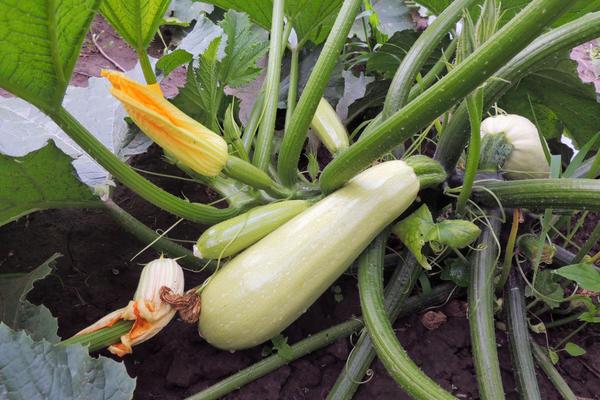
How to fertilize zucchini bushes
Vegetable care work is divided into several stages:
- Zucchini don't like to grow in heavy, highly acidic soils. To solve this problem, add sifted river sand and quicklime to the nutrient-rich soil in the garden bed.
- When preparing the planting site, the soil is fertilized with a nutrient solution at a rate of 5-7 kilograms of manure or compost, 200 grams of superphosphate, and 300 grams of sifted wood ash per square meter. This bed will not require fertilizing until the first zucchini ovary is harvested;
- Overwatering zucchini plants is not recommended, as this can cause the tips to rot, and the stems to become susceptible to gray mold and other fungal diseases. However, underwatering also causes stunted growth and distorted shapes. Regular loosening of the soil and mulching around the plants will help solve the watering problem.
- 2. Feeding is carried out immediately after the first ovary is harvested. At this time, focus on potassium-phosphorus fertilizers, but if the zucchini tip begins to thin, nitrogen fertilizer or organic matter will need to be added;
- If the zucchini takes on a ball-like shape, add potassium. It is recommended to use a solution of "Uniflor-bud" by dissolving 2 teaspoons of the fertilizer in a bucket of water;
- If the growth of the bush and vegetables slows down, in this case, apply a fertilizer composition, as when planting bushes.
Take a look Also
Conclusion
In conclusion, here are some tips from experienced gardeners.
It is not recommended to harvest small, underdeveloped zucchini, as they contain high levels of nitrates and harmful substances.
When growing zucchini, pay attention to their color. Darker zucchinis contain more vitamins. Yellowed zucchinis have higher carotene levels.
It is recommended to harvest at dawn – this will help preserve the freshness of vegetables for a long time.
By following the rules for preparing the planting site, watering, and fertilizing, every gardener can count on a high yield of evenly shaped zucchini.
Related posts:
 How to properly plant zucchini in open ground, cultivation technology and care
 Proper cultivation and care of zucchini in open ground, how to increase the yield
 What is the best way to feed zucchini in open ground and greenhouses during flowering and fruiting?
 What to do if the leaves of zucchini in open ground turn yellow and how to deal with it
 How to make zucchini adjika for the winter using finger-licking good recipes and storage instructions
 How to control pests and treat diseases of zucchini in open ground
 30 Best Zucchini Varieties with Descriptions and Characteristics
 How often should you water zucchini in open ground? Irrigation rates and methods.