
- What are the benefits of this plant: why is it worth planting in your garden?
- Varieties of sorrel and biological characteristics
- What conditions does culture require?
- Required soil composition
- Lighting, temperature, humidity
- What crops to plant sorrel after: crop rotation rules
- Planting a plant in open ground
- Deadlines
- Spring
- In the fall
- Is it possible to sow in summer?
- Selecting and preparing a landing site
- How to prepare sorrel seeds before planting
- Seeding scheme and technology
- Care instructions
- Regularity of watering
- Weeding and loosening the soil
- Mulching
- Nuances of fertilization
- Fertilizing sorrel in spring
- How to feed after cutting
- Diseases and pests of sorrel
- Transfer
- When to collect sorrel seeds?
- Harvesting and storage
Many modern gardeners actively grow sorrel in their summer cottages and garden plots. Planting and caring for sorrel in open ground requires following basic rules and taking into account the specific characteristics of the crop.
What are the benefits of this plant: why is it worth planting in your garden?
Sorrel cultivation has become widespread due to its beneficial properties. The edible leaves and stems of the plant are rich in minerals and vitamins. Specifically, sorrel contains:
- carotene;
- antioxidants;
- flavonoids;
- essential oils.
Consuming this product with its beneficial composition has a restorative and healing effect on the human body. An additional benefit is that the plant is low in calories, making it recommended for those leading a healthy lifestyle.
Varieties of sorrel and biological characteristics
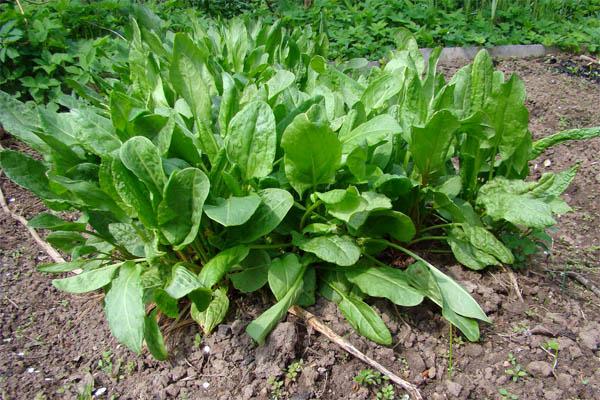
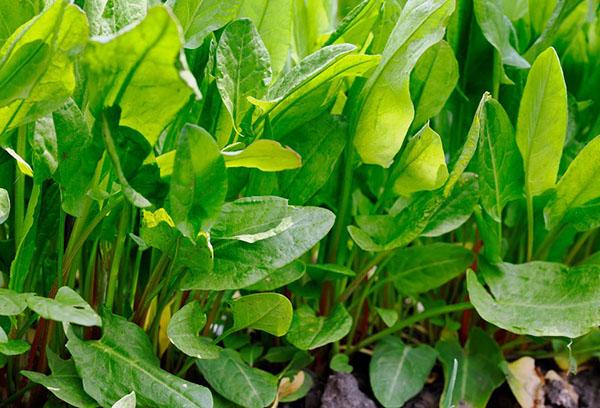
Sorrel is a perennial herbaceous crop from the Buckwheat family. The plants appear as small shrubs with elongated green leaves. Different varieties vary in leaf size and shape, petiole thickness, and flavor. Common varieties include:
- Altai. A variety with smooth leaves that turn red at the tips during the growing season. Its distinctive feature is its distinctly sour taste.
- Common. The most common variety with dark leaves, high yields, and cold tolerance.
- Lyon. A variety with fleshy, yellow-green leaves and medium-thick petioles.
- Spinach. Sorrel with matte leaves distinguished by the presence of anthocyanin spots. Medium-length stems with a mildly tart flavor.
What conditions does culture require?
To obtain a good harvest on time, you need to ensure favorable environmental conditions. Once you've decided to grow a crop, you need to select a site with suitable soil, consider crop rotation rules, and consider the surrounding plants.
Required soil composition
Since sorrel can grow in the same spot for several years, it should be planted in fertile, cultivated soil. The plant prefers rich soils—loamy or sandy. Soil acidity doesn't affect yield, so pre-liming is unnecessary. It's important to avoid waterlogging in the chosen area.
Lighting, temperature, humidity
During the first year of development, sorrel needs good lighting, so it is worth placing the beds in a place where the sun's rays fall throughout the day.Mature plants tolerate shade well. Thanks to their high frost resistance, most varieties can withstand temperatures down to -7 degrees Celsius, and growth continues even in autumn. The crop has high soil moisture requirements, and a lack of moisture can lead to premature bolting. Favorable and unfavorable neighbors
Correctly selected neighboring crops affect the development of sorrel.
It is recommended to grow greens next to white cabbage, potatoes, carrots, cucumbers, rhubarb, radishes, tomatoes and celery.
Avoid planting sage, beans, parsley, and basil near each other. These plants are susceptible to the same diseases and pests as sorrel, so planting them close together can lead to damage.
What crops to plant sorrel after: crop rotation rules
The best preceding crops for sorrel are: early potatoes, beets, carrots, cucumbers, and tomatoes. After harvesting these crops, nutrients remain in the soil, which promote active growth and development of sorrel. It's also important to keep in mind that crop rotation rules prohibit replanting crops in the same spot.
Planting a plant in open ground
Sowing in open soil is carried out according to a specific technology. When planting, you need to determine the timing in advance, select and prepare a site, process the planting material, and then correctly sow according to one of the following schemes.
Deadlines
Sorrel can be planted at any time of year. When determining the timing for sowing seeds outdoors, consider the region's climate, soil type, and the chosen variety.
Spring
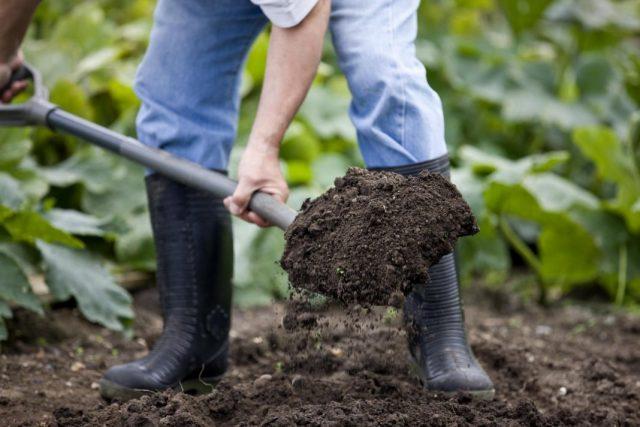
Sorrel can be planted in the spring in April, when the soil is still sufficiently moist and the outside temperature is stable. Soaking the seeds before planting in the spring is not necessary, as the seeds will germinate readily without any additional treatment. Sow sorrel in the spring if you want to harvest it in midsummer.
In the fall
Autumn planting is done in late October or early November. The seeds should be pre-dried to prevent germination before frost sets in. Autumn planting is convenient because the seedlings will overwinter in the ground and begin growing immediately after warmer weather sets in.
Is it possible to sow in summer?
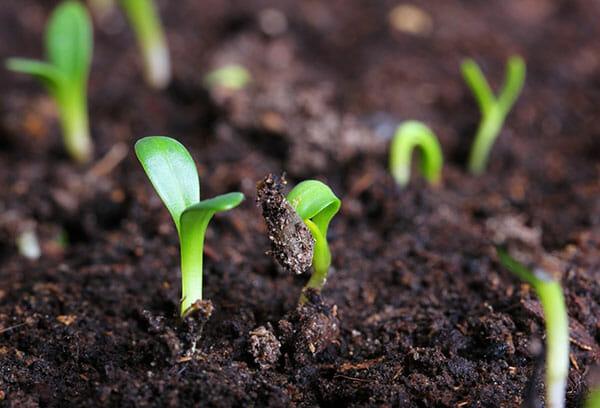
Sorrel sowing in summer is usually done after space in the garden has cleared following the harvest of early greens. Planting can be done in June or July for a harvest in late fall or the following spring, depending on the ripening time of the particular variety. In summer, the seeds should be swollen or sprouted.
Selecting and preparing a landing site
Choosing a site carefully is crucial, as sorrel is a perennial plant. Light, fertile soils are preferred. If this is not possible and sowing is being done in less suitable soil, ensure adequate drainage.
The selected area is cleared of weeds, which inhibit growth.
In the fall, the beds are treated with a mixture of fertilizers, including rotted compost or manure, superphosphate, and potassium chloride. After applying the fertilizer, the soil is thoroughly tilled. Before sowing, the soil can be additionally fertilized with urea.
How to prepare sorrel seeds before planting
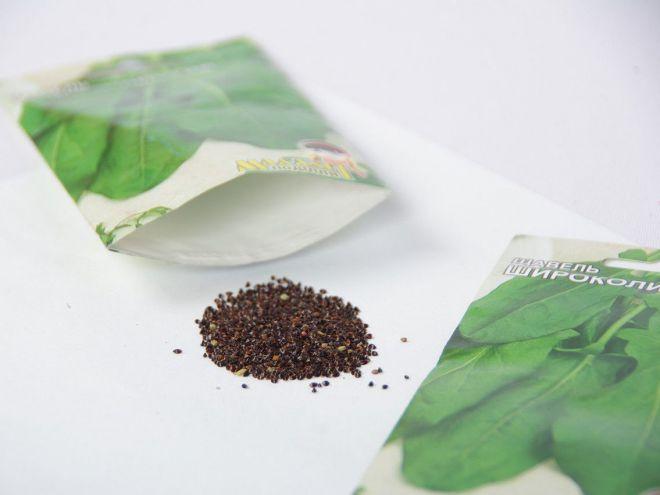
Preparing the planting material affects the rate of plant growth and the yield. To ensure good germination in large quantities, the seeds need to be soaked for two days. To disinfect the seeds, they are also soaked in a weak solution of potassium permanganate.
Seeding scheme and technology
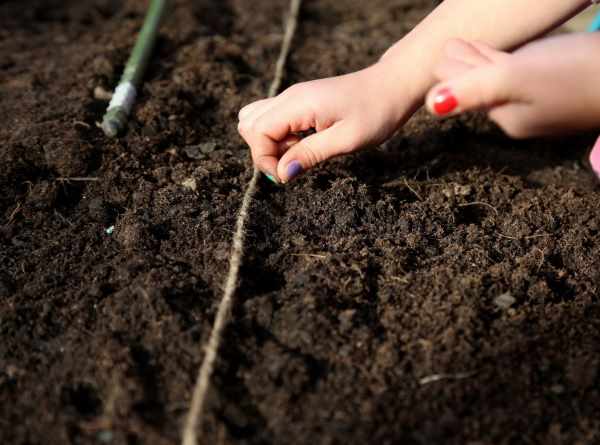
When sowing at any time of year, plant the seed at a depth of 1-2 cm. You can choose one of the following planting patterns:
- in furrows with a row spacing of 30 cm;
- free sowing over the entire area of the garden bed.
After planting the seeds deep, several agricultural practices should be followed. Immediately after sowing, the soil should be compacted with the underside of a rake or lightly tamped down. This technique promotes smooth germination.
Care instructions
Regular and thorough care is essential for a timely and healthy harvest. Sorrel should be cared for according to basic agricultural practices. It's also important to consider the specific variety and environmental conditions. By following these guidelines, you'll be able to grow herbs with excellent flavor.
Regularity of watering
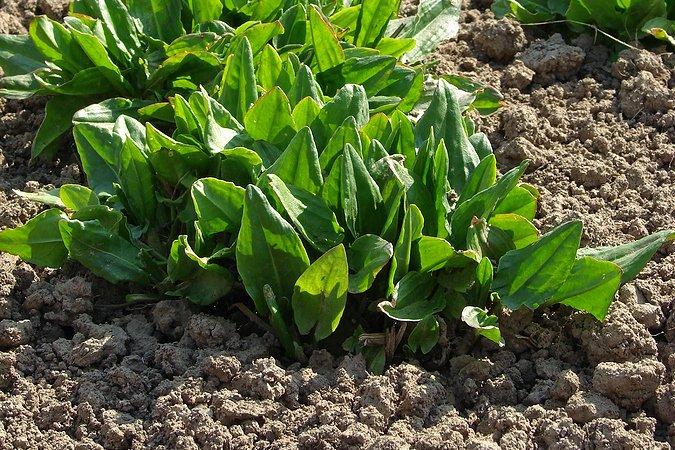
To prevent garden crops from blooming prematurely and to ensure that all the plant's energy is focused on nourishing the succulent leaves rather than the flower rosette, regular soil moisture is essential. In hot weather, it's especially important to monitor the soil and water as it dries out.
Avoid stagnant water in the beds and overwatering. Excess water leads to root rot and wilting of the plants.
Therefore, watering should be constant but moderate. The exact amount of water depends on the weather conditions in the growing region.
Weeding and loosening the soil
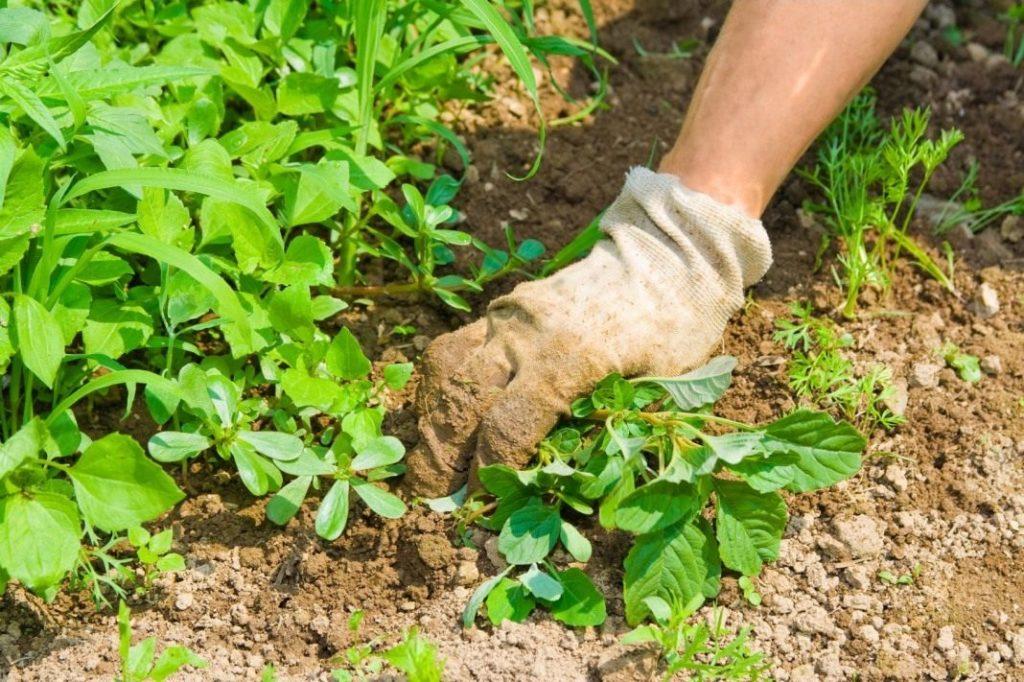
An important part of caring for this crop is periodic loosening and weeding of the soil. Gently loosen the soil after each watering to ensure fresh air reaches the roots and better drainage of moisture to the lower soil layers. With the arrival of spring, the soil between the rows is also loosened. Weeding is performed as weeds appear in the area.
Mulching
For mulching sorrel beds, it's recommended to use peat, compost, or fallen leaves. A layer of mulch is placed between the rows to allow fertilizer to reach the roots and allow the plants to breathe freely. Mulch prevents weed growth, minimizing the effort required to remove them.
Nuances of fertilization
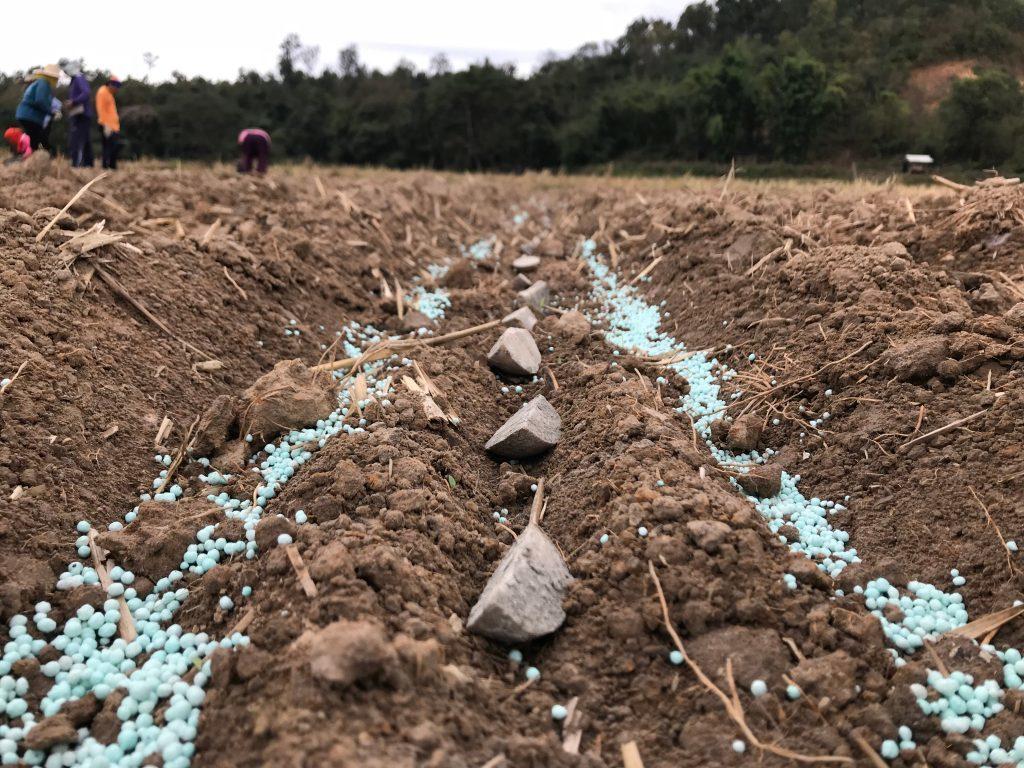
To enrich the soil with nutrients, fertilize the growing beds. Typically, sorrel is fertilized 2-3 times during the season. The type and composition of fertilizer are selected based on the time of year and the reason for application.
Fertilizing sorrel in spring
Spring fertilization is necessary in the second and subsequent years of plant growth. Before applying fertilizer, clear the plantings of leaves remaining from the previous season and prune away old stems. Then, use one of the following plant feeding methods:
- 2-2.5 buckets of rotted compost or humus are added per square meter of land;
- The beds are watered with a solution of mullein diluted with water in proportions of 1:7.
To ensure proper and vigorous plant growth, you can also use a mineral fertilizer. In this case, dissolve one teaspoon each of superphosphate, ammonium nitrate, and potassium salt in a bucket of water. The resulting mixture is sufficient for one square meter of soil.
Experienced gardeners often use nitrogen fertilizers for spring sorrel fertilization. High-nitrogen fertilizers are dissolved in water and sprayed when the sorrel fails to germinate on time or is slow to develop foliage.
How to feed after cutting
Applying fertilizer after cutting allows you to increase the yield. The first pruning is done when the leaf blades reach 8 cm in length. Subsequent prunings are made when the rosette has 5-6 leaflets. Cuts must be made with extreme care to avoid damaging the apical buds.
After cutting, plants can be fertilized with a mixture of mineral components, the main part of which consists of nitrogen-containing fertilizers.
The application process depends on weather conditions. If rainfall is frequent, fertilizer can be applied dry. If rainfall is infrequent, pre-dissolve the fertilizer in liquid, following the instructions on the packaging.
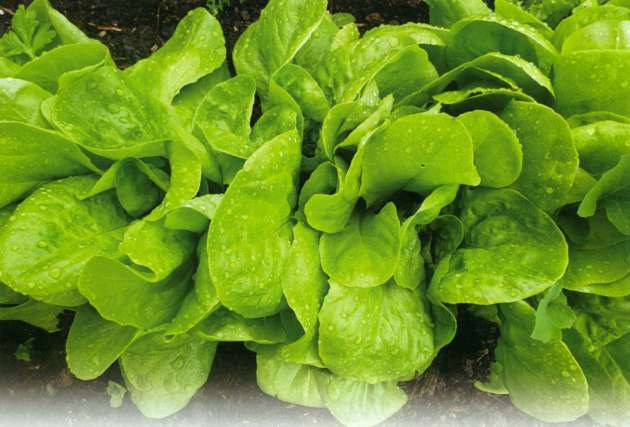
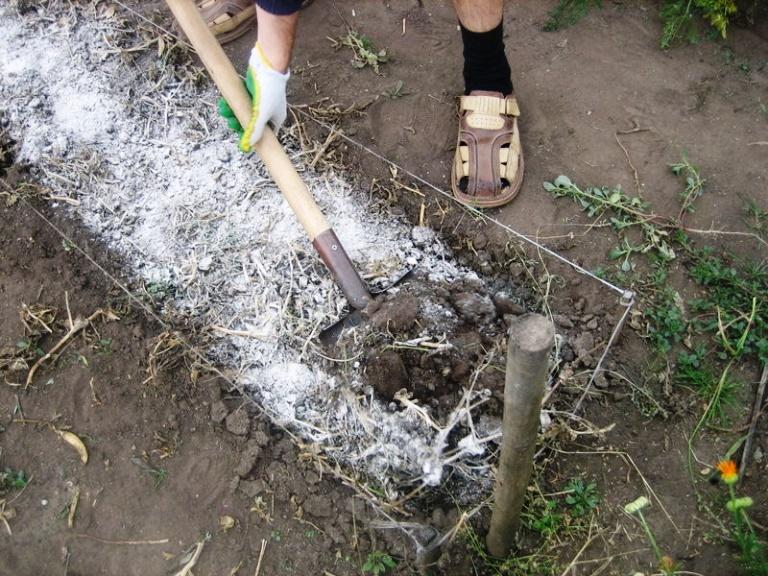
At the end of summer, it's best to use potassium-rich fertilizers. Wood ash is not recommended for garden beds, as it will reduce the soil pH to neutral levels. Many varieties of sorrel require acidic soil to thrive. To prevent sorrel from blooming during the growing season, ensure that the fertilizer does not contain phosphorus. For an early sorrel harvest, sprinkle the beds with peat chips a couple of weeks before the snow melts and cover them with plastic film.
Diseases and pests of sorrel
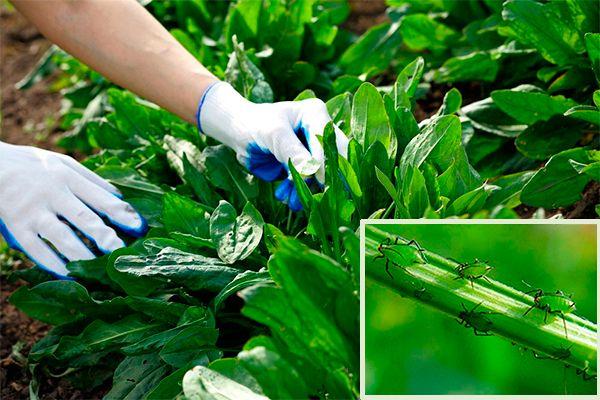
Diseases and pest infestations lead to deterioration of flavor, crop failure, and the spread of infections to neighboring crops. To protect crops, prompt action is necessary as soon as signs of damage are detected. Sorrel most often suffers from the following diseases and pests:
- Rust. This disease manifests itself as yellow, orange, or brownish spots on the surface of the leaves. Over time, the spots increase in size, and the sorrel leaves dry out. Treatment with complex fungicides helps combat rust.
- Sorrel leaf-boring beetles and sawflies. These pests settle on the leaves of the plant and begin gnawing at them, leaving large holes. To repel them, spray the plants with a garlic or nightshade infusion. Spray the plants at intervals of a couple of days until the insects are completely eliminated.
- Aphids. These tiny green bugs infest garden beds in large numbers, and their tiny size makes them impossible to collect by hand. To control aphids, treat plants with organic ingredients, including wood ash, dandelion infusion, or stinging grass.
- Downy mildew. This disease, also known as peronosporosis, is characterized by the appearance of a grayish coating on the underside of plant leaves. The disease can be treated with the fungicide Fitosporin, which is completely safe for humans but fatal to the infected plant.
Take a look Also

Transfer
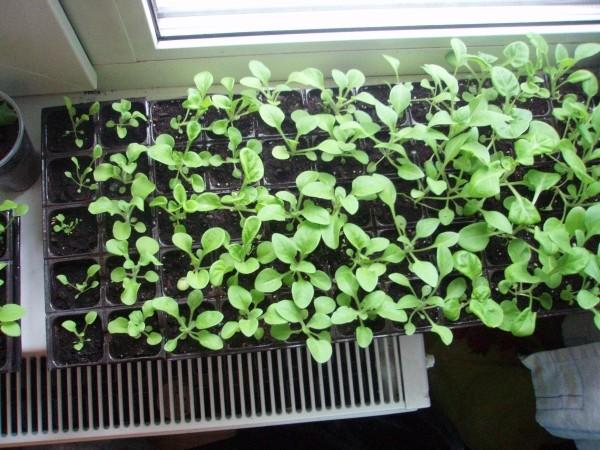
The need to transplant sorrel to a new location arises when the planting is too dense or when the initial site chosen for the bed is unsuitable. Typically, transplanting is done in April, when stable above-zero temperatures are recorded. This will help reduce the risk of poor seedling survival.
To plant sorrel, water the beds and carefully remove the plants, along with a small ball of soil to protect the roots from damage. Once the plant is removed, move it to another, previously prepared location.
Pre-cultivation of the soil prior to transplanting facilitates plant survival and adaptation. To do this, dig the soil before replanting and apply a mixture of half a bucket of compost, a tablespoon of nitrophoska, and a teaspoon of urea per square meter of soil. Fertilizing is necessary to provide the newly planted plants with nutrients. Rake the bed and dig furrows, leaving 5-10 cm between them.
When to collect sorrel seeds?
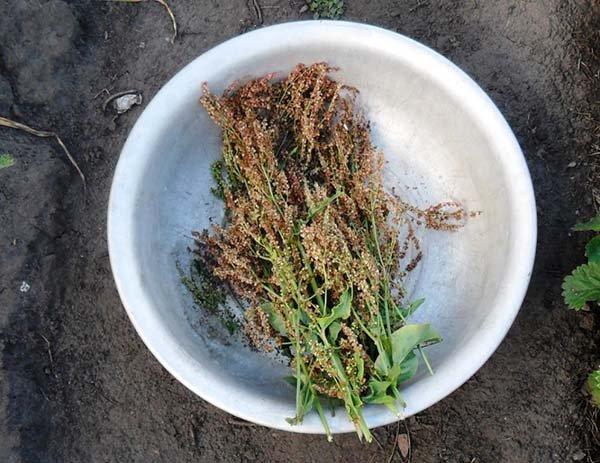
It's not necessary to purchase planting material for sorrel propagation every time the existing plants have finished flowering. If the variety you want to propagate is already growing in your garden, simply collect the seeds from the plants and replant them. To do this, leave 3-4 sorrel bushes unpruned and allow them to flower. When the sorrel begins to bolt and the formed inflorescences take on a brownish tint, you can begin collecting the seeds as follows:
- After flowering, the plants are cut and dried for 10-12 days;
- dried specimens are peeled by rubbing them between the palms;
- By sifting out plant residues, we obtain seeds.
Seeds can be stored for up to 4 years. To prevent spoilage, store them in a cool, dry place, away from direct sunlight.
Harvesting and storage
Harvesting begins when the leaves reach 10 cm in length. Several harvests are possible throughout the spring and summer. It's important to prevent the formation of flower stalks, as this causes the green part of the plant to become coarse and the flavor to deteriorate. Flower stalks are left on only when seeds are needed, but the leaves from these rosettes are not eaten.
When harvesting sorrel, it's important to properly cut the leaves at the base. Picking the greens can accidentally damage the stem and disrupt further development. Harvesting at the dacha is only done in the spring or early summer, as oxalic acid, which can negatively impact human health, accumulates in the leaves.
After each harvest, loosen the soil, apply ammonium nitrate as a fertilizer, and water. These cultivation techniques will help the sorrel resume vigorous green growth and produce a good harvest again.
Harvested sorrel does not last long. Place the greens in plastic bags and store them at 1-2 degrees Celsius (33-37 degrees Fahrenheit). This will keep them fresh for 3-4 weeks. At room temperature, the shelf life is no more than a couple of days. The plants can be used immediately for processing, rather than storing them. Before using, trim the roots, separate the rosettes into individual leaves, and wash thoroughly. Do not eat yellowed, rotted, or rough sorrel leaves.
Related posts:
 How to treat sorrel for pests, causes and control
 Description of the best sorrel varieties with photos for growing in open ground and greenhouses
 TOP 10 recipes for the best way to freeze sorrel for winter soup, choosing herbs, and storing them
 The best recipes for canned sorrel at home for the winter
 Carrot care guidelines for outdoor cultivation to ensure a good harvest
 Is it possible to soak treated cucumber seeds before planting and how to do it correctly?
 How to grow sorrel on a windowsill, prepare containers and seeds, plant and care for the plant
 Planting and caring for cherries, feeding and growing rules