
- Why does sorrel get sick?
- What contributes to plant damage by insects?
- The main pests of sorrel and methods of control
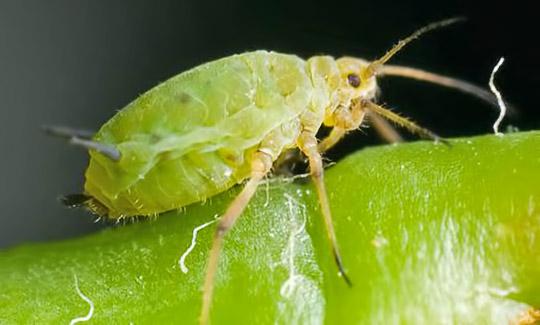
- Aphid
- Naked slugs
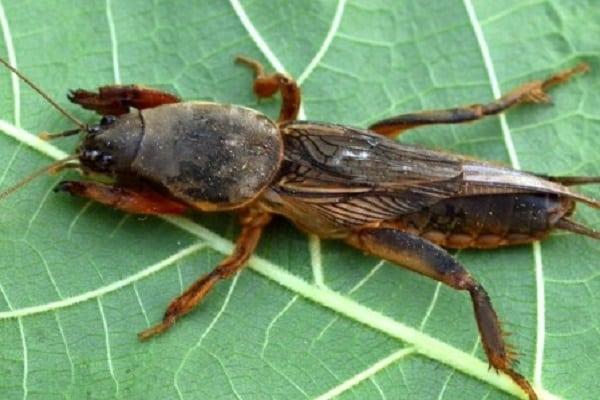
- Mole cricket
- Wireworms
- Winter moth
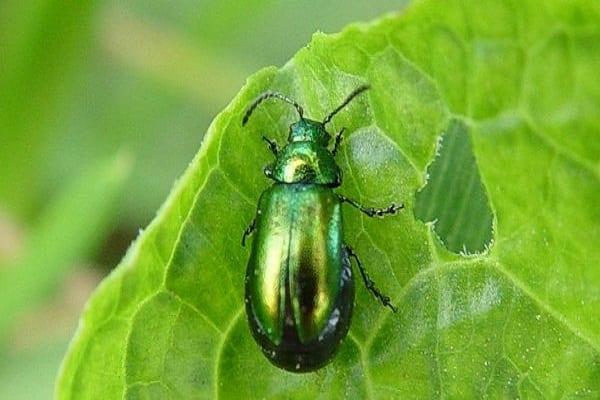
- Leaf beetle
- Sorrel sawfly
- Diseases and treatment methods
- Downy mildew
- Powdery mildew
- Ovulariasis
- Rust
- White spot
- Gray rot
- Peronosporosis
- Folk remedies: how to protect and what to treat with?
- Wood ash
- Tobacco ash
- Onion peel
- Garlic
- Soda
- Mustard powder
- Laundry soap
- Potassium permanganate
- Capsicum
- Vinegar treatment
- Rating of the best store-bought products
- Care instructions
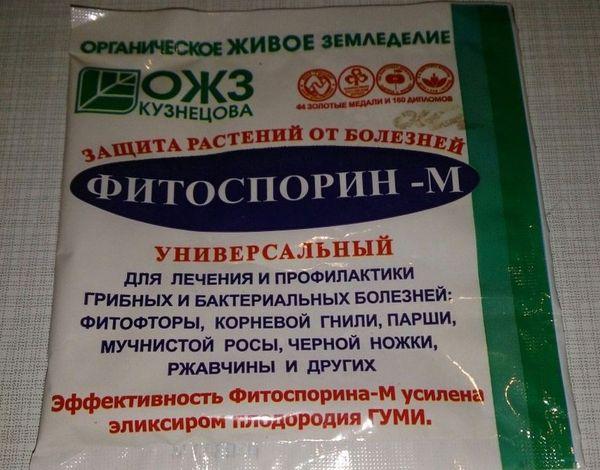
- Topsin-M"
- Plangiz
- Phenoxin Plus
- Tanrek
- Aktara"
- "Arrow"
- Fundazol
Infestations of sorrel beds by harmful insects and the development of infections lead to reduced yields and a deterioration in the taste of the greens. Repelling sorrel pests and controlling diseases helps preserve the harvest. The measures needed to protect plants depend on the specific pest or disease.
Why does sorrel get sick?
To reduce the risk of plant damage, it's important to determine the cause of the problem. In most cases, sorrel is susceptible to disease for the following reasons:
- growing in an unsuitable climate;
- violation of care rules (insufficient or excessive moisture, lack of fertilizers);
- failure to observe crop rotation.
What contributes to plant damage by insects?
Harmful insects are attracted to sorrel by the presence of weeds and plant debris in the beds. Also, parasites can move to plants from neighboring plantings if recommendations for favorable neighborhoods are not taken into account.
The main pests of sorrel and methods of control
Knowing the common pests that affect crops will help you take appropriate measures when the first signs of insect infestation are detected. Each pest has its own unique characteristics and quirks.
Aphid
If aphids invade a plot, these green bugs primarily infest shrubs and trees, posing a threat to sorrel. The insects feed on young leaves and then move on to the vegetable garden, where they gnaw at the remaining plants. Affected plants turn yellow and wither. If the sorrel has yellowed and has holes left from aphid infestation, spray it with an insecticide. Protective measures must be taken immediately, as aphids actively reproduce and settle on the undersides of leaves, absorbing the sap.
Naked slugs
Slugs leave holes and liquid marks on sorrel leaves. Small numbers of slugs can be removed by hand, but for larger infestations, the following methods can help:
- processing the space between rows with wood ash, lime, superphosphate or crushed eggshells;
- spraying plantings with ammonia at a concentration of 10%;
- luring slugs into a trap with a fermented drink.
Naked slugs often hide under plant debris. By clearing your garden of excess organic matter, you can reduce the risk of damage to your plants.
Mole cricket
When sorrel begins to dry out and is easily pulled out of the soil, there's a high probability that mole crickets have appeared in the garden beds. There are a number of protective measures against this pest:
- luring out the pest by pouring a soap solution into dug holes in the garden bed;
- planting coriander, basil, chrysanthemums or marigolds between rows;
- treatment of plants with onion peel infusion;
- apply chemical insecticides.
Wireworms
Wireworms remain in the soil throughout the winter and, with the onset of warmer weather, lay eggs near the surface. The larvae actively develop in the soil and feed on the lower parts of plants. The drier the soil, the deeper the wireworms can penetrate and gnaw at the roots.
To protect the roots from insects, you need to remove weeds, deoxidize the soil, and thoroughly dig it to a depth of about 20 cm.
Winter moth
To prevent winter cutworm infestations, dig up the area in the fall and regularly remove weeds. If the cutworm has already attacked the sorrel, spraying it with a burdock infusion can help save the crop. To prepare the solution, pour half a bucket of freshly crushed leaves into warm water and let it sit for three days. Spray every other day for a week. Adult winter moths can be lured into baits containing sweet and aromatic foods.
Take a look Also

Leaf beetle
The leaf beetle is a small bug no larger than 10 mm. It chews through leaves, leaving holes in them. The parasites overwinter in the soil, and as temperatures rise, they actively reproduce and attack plants. If sorrel leaves are full of holes, what to do to control the pests is a pressing question. The following common measures for protecting sorrel are:
- spraying the above-ground part with a solution of tobacco dust and wood ash for 4-5 days;
- pollination with soap-garlic mixture;
- planting pyrethrum bushes between rows;
- treating the beds with wood ash mixed with mustard and ground black pepper.
Sorrel sawfly
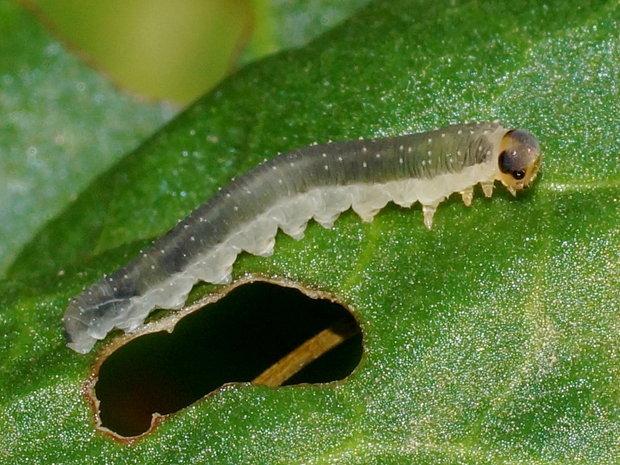
Sawflies are active in the summer and settle on sorrel, feeding on the succulent leaves. Without protective treatments, the insects constantly feed on the leaves, and by autumn, only the hard veins remain. If you spot insects in your garden beds, spray them with a chamomile infusion mixed with a solution of laundry soap. The optimal frequency of treatment is once a week.
Diseases and treatment methods
In addition to pest damage, sorrel is also susceptible to diseases. Diseases can develop due to exposure to vectors, unfavorable climate, and poor agricultural practices.
Downy mildew
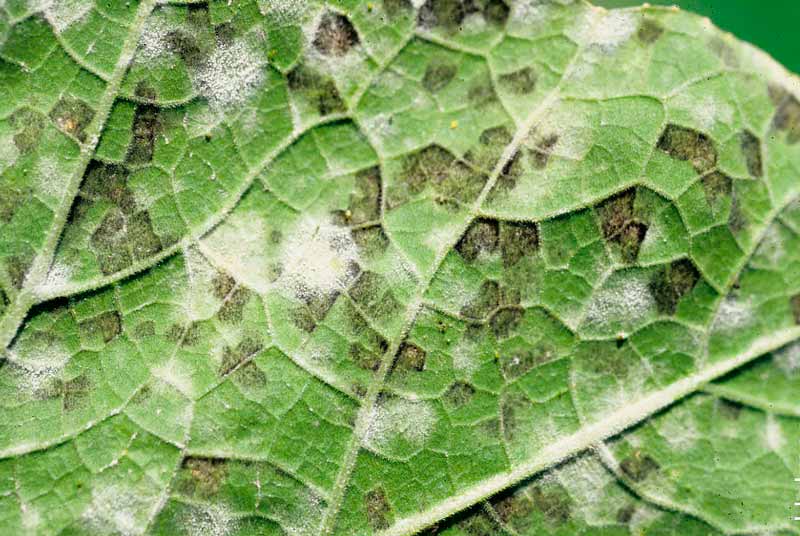
This disease is characterized by the appearance of numerous yellow spots on the upper side of leaves. A dark purple coating appears on the underside. Signs of downy mildew are visible in early summer. To combat the effects of the disease, complex fungicidal agents and folk remedies are used, including spraying with a solution of dry mustard or rotted cow manure.
Powdery mildew
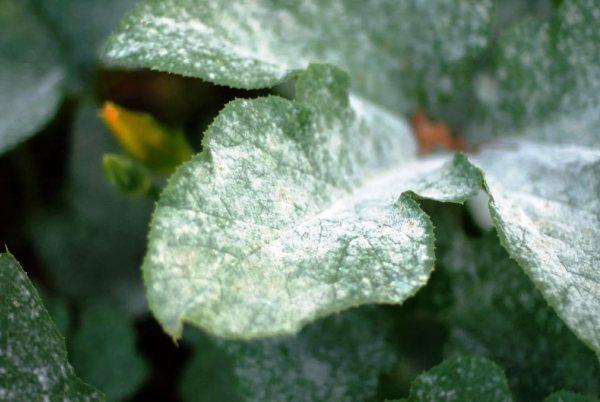
Powdery mildew causes a gray coating to form on the leaves. The affected areas turn black and die, weakening the sorrel's immunity and causing the plant to die. Several treatments can help eliminate the infection:
- A mixture of whey and cool water in a ratio of 1:10.
- Crushed weeds fermented in boiling water.
- Infusion of wood ash and laundry soap.
Ovulariasis
A fungal infection causes dark spots with distinct borders to form on the leaf surface. These spots rapidly increase in size and cause the foliage to dry out. To save the harvest, it is necessary to cut and destroy the affected plants, and spray the beds with fungicides.
Rust
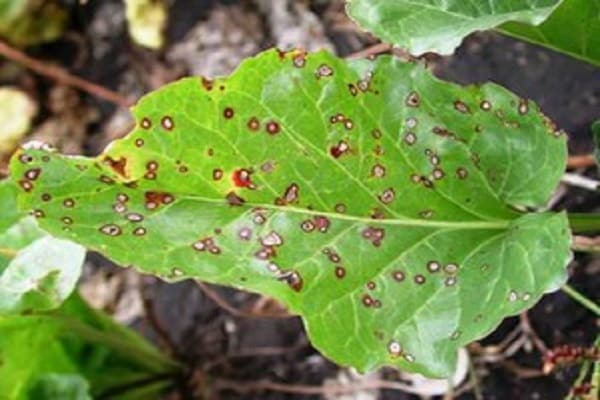
Symptoms of rust include brown, orange, or red spots on the leaves and petioles. If the sorrel turns red, treat it with a mixture of copper sulfate, shavings of laundry soap, and warm water. Spray the mixture onto the planting beds, not the spots themselves. Apply the mixture twice a day for a week.
White spot
White spot infestation of sorrel causes numerous spots to appear on the leaf blades. Restoring the condition of affected plants is virtually impossible. In practice, gardeners cut and burn the diseased bushes, then treat the beds with a ready-made fungicide or Bordeaux mixture at a 1% concentration.
Gray rot
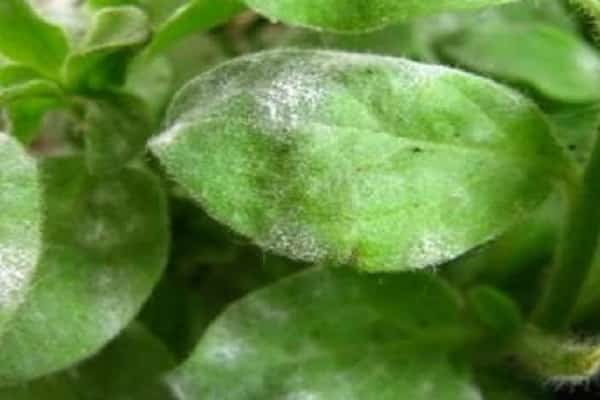
The main symptom of gray mold is a pubescent coating on the foliage. This coating forms at low ambient temperatures and excessive soil moisture. In the early stages of the disease, spray the plants with a solution of wood ash, copper sulfate, ground chalk, and water. In cases of severe infestation, chemical fungicides are used.
Peronosporosis
Downy mildew is another name for peronosporosis. The infection attacks plants due to frequent temperature fluctuations, high humidity, cold water irrigation, or dense plantings.
Folk remedies: how to protect and what to treat with?
Treatment with folk remedies is effective for minor pest infestations or early stages of disease development. Diseases can be controlled using folk remedies at any stage of sorrel growth.
Wood ash
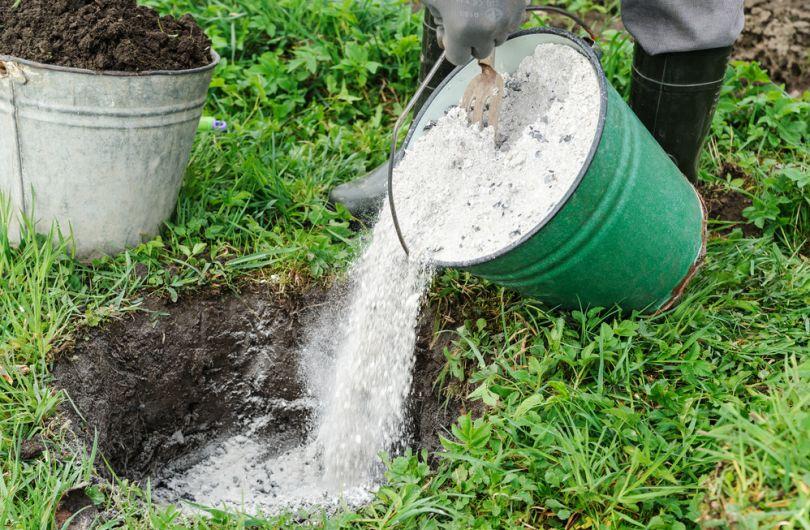
Ash acts as a plant fertilizer and helps protect plants from diseases and pests. You can sprinkle wood ash on the soil in your garden beds or prepare an ash solution. To do this, dissolve 100-150 grams of ash in a bucket of water and let it steep for 8-10 hours. Before watering, stir the mixture to ensure the undissolved ash is evenly distributed.
Take a look Also
Tobacco ash
The smell of tobacco masks the aroma of greenery and disorients pests. Tobacco ash can be used as a preventative measure. Common uses include:
- Infusion. Dissolve 50 g of ash in warm water and let it sit for 24 hours. Then strain the solution, dilute it with water in a 1:2 ratio, and add grated laundry soap.
- Dry ash. Sorrel leaves are carefully dusted with ash, using 40-50 g per square meter of soil.
- Fumigation. A container of smoldering coals is left near the garden and covered with about 500 grams of dust.
Onion peel
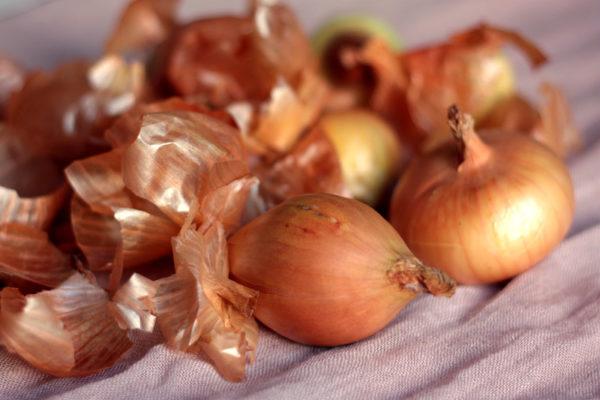
The husks are used to control aphids, sawflies, and mole crickets. If pests are detected in the garden beds, water them with an infusion made by adding 250 grams of the husks to 10 liters of water, steeping for two days, and straining. Spray the plants 4-5 times, every three days.
Garlic
The scent of garlic repels all insects that attack sorrel. To combat pests, you can plant peeled garlic cloves in the soil, placing them 5 cm away from the plants. You can also mix crushed garlic in water, let it steep for several days, and then spray the plants. This solution can be used preventatively once or twice a month.
Soda
Baking soda is used as an alternative to insecticides. Bushes are treated with a mixture of 5 tablespoons of baking soda, 10 liters of water, and 2 tablespoons of grated or liquid soap.
Spray twice daily, every 3-4 days, until the pests are completely eliminated. It is recommended to perform this procedure early in the morning, when there is dew on the leaves.
Mustard powder
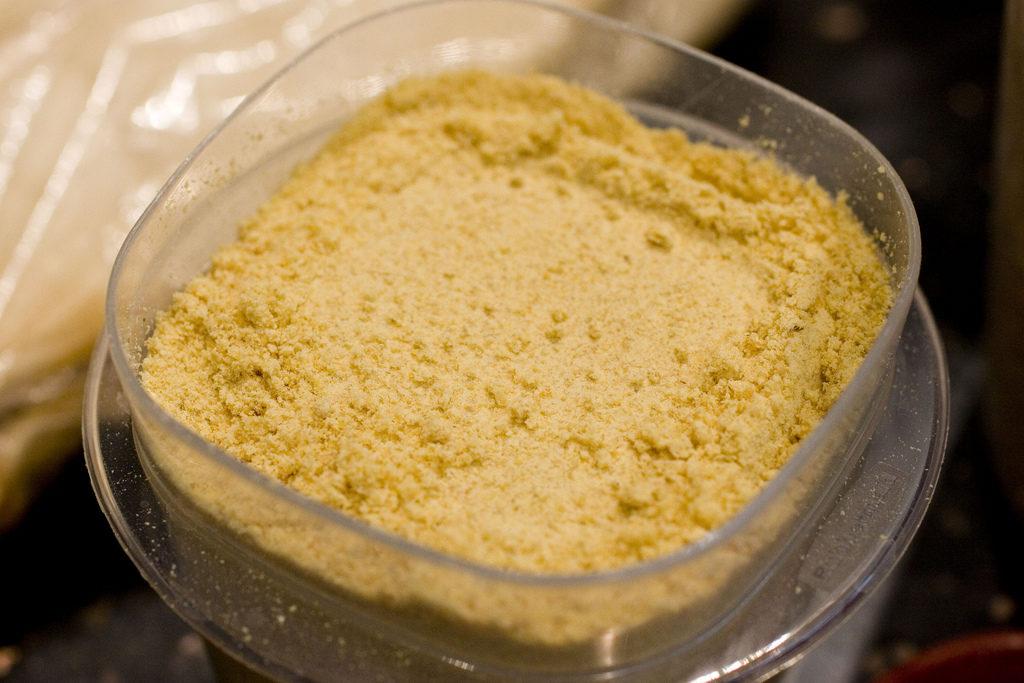
If you notice slugs in your garden beds, use mustard powder to repel them. Dry mustard powder is effective in saving crops. Sprinkle the powder around plants and between rows. Positive results are seen after just one application, but it's recommended to sprinkle the powder three to four times.
Laundry soap
A solution of laundry soap and water forms a protective film on the leaves, preventing insects from eating through them. To water the plants, crush the soap, add 1 liter of water, and let it sit for 3 days.
Potassium permanganate
A solution of potassium permanganate disinfects the beds. Typically, this treatment is performed before planting the seedlings in their permanent location. As a preventative measure, the beds can be watered monthly with a solution with a concentration of no more than 1%.
Capsicum
Hot peppers repel a wide range of harmful insects, including slugs, aphids, caterpillars, and thrips. Sorrel can be treated with solutions prepared according to the following recipes:
- Infusion. Add 1 kg of crushed pods to 10 liters of water and let steep for 10 days. Before use, dilute 100 ml of the solution in 10 liters of water and add liquid soap.
- A decoction of dried pepper. Simmer 100 g of pepper in 1 liter of water for an hour, then make a working solution at a ratio of 1:10.
- Fresh decoction. Fresh pods are boiled in water and left to steep for two days. Before use, 50 ml of the solution is mixed with 10 liters of water.

Vinegar treatment
Vinegar essence repels many types of harmful insects from sorrel. To protect greenery, add a tablespoon of 70% vinegar to 10 liters of warm water, mix thoroughly, and let steep for 12 hours. Spray the resulting solution on plants where pests have been observed. It is recommended to spray in the evening.
Rating of the best store-bought products
Specialized products designed to combat diseases and pests have a more powerful effect than traditional methods.
When choosing suitable insecticidal and fungicidal preparations, it is recommended to familiarize yourself with the ratings of the most common options.
Care instructions
Specialized products for treating garden beds should be used when traditional methods fail to produce the desired results. When spraying, it's important to select the appropriate products, adhere to the recommended concentration, and carefully read the instructions. Failure to follow plant care rules can lead to negative consequences and reduced yields.
<img class="aligncenter wp-image-43226" src="https://harvesthub.decorexpro.com/wp-content/uploads/2019/04/luchshiesredstvadlyaobrabotkikapustiottl_376456E9.jpg" alt="sorrel processing» width=”598″ height=”405″ />
Topsin-M"
Topsin-M is a multi-action fungicide for sorrel diseases. Spray the plants with the fungicide when symptoms of disease are detected or as a preventative measure. The product destroys phytopathogenic fungi, slows root damage, and promotes overall plant health.
Plangiz
The environmentally safe and effective product "Plangiz" is used to combat fungal infections and eliminate insects. Its main advantages are that it does not accumulate in the soil and promotes active sorrel growth.
"Plangiz" contains components that nourish the crop and improve yield. Applications are performed twice a week.
Phenoxin Plus
The product "Phenoxin Plus" is available in powder form. It is designed to combat harmful insects and prevent their active reproduction. The product's composition is safe for humans, so treated sorrel can be consumed. To prepare a working solution, dissolve 5 g of powder in 10 liters of water.
Tanrek
Tanrek is effective against large pest infestations. The insecticide kills aphids, flower beetles, flea beetles, and various bugs. Tanrek's main advantage is its long-lasting action. After spraying, plants receive protection for 3-4 weeks. Due to the product's toxicity, treatment should be carried out no more than once a month. Treated sorrel should be thoroughly washed before use.
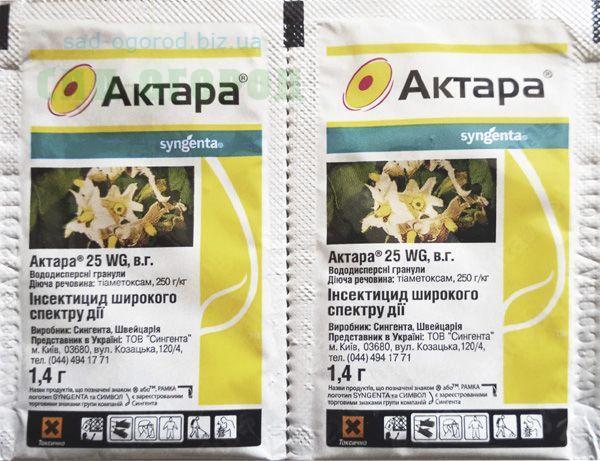
Aktara"
This complex product destroys lepidopteran pests and their larvae. Treatment of sorrel provides protection against parasite attacks and disease development. Plants are sprayed once a month. For safety, wear gloves and a respirator to avoid inhaling toxic substances. At least a week should pass between treating sorrel with Aktara and eating the greens.
"Arrow"
The insecticide "Strela" is particularly effective against aphids. It kills parasites, boosts plant immunity, and doesn't affect the taste of sorrel. It comes in powder form and is dissolved in water for use. For best results, weekly treatments are recommended.
Fundazol
Fundazol is available as a white powder with a pungent odor that repels pests from plants. It can also be used to combat the effects of fungal infections. The ingredients pose no danger to humans, so sorrel can be eaten after treatment. To spray the crop, dissolve 10 grams of powder in 10 liters of water. The recommended frequency of application is 1-2 times per week.
Related posts:
 Planting and caring for sorrel in open ground, how to feed it and when to sow it
 Description of the best sorrel varieties with photos for growing in open ground and greenhouses
 TOP 10 recipes for the best way to freeze sorrel for winter soup, choosing herbs, and storing them
 The best recipes for canned sorrel at home for the winter
 How to grow sorrel on a windowsill, prepare containers and seeds, plant and care for the plant
 Pests and diseases of gooseberries and their control using chemical and folk remedies
 The best eggplant varieties for growing in a polycarbonate greenhouse: planting and care
 Planting and caring for cherries, feeding and growing rules