
A perennial herb that appears in gardens before other plants, it is prized for its rich vitamin content. Its greens are used in salads and added to soups and borscht. Sorrel has a thick root, a straight stem, and large, petiolate leaves. In the wild, it grows in meadows, near roadsides, and bodies of water. Cultivated varieties of sorrel have now been developed, which are used in both cooking and folk medicine, as they are rich in flavonoids, essential oils, and tannins.
Sorrel varieties for open ground
This perennial barely reaches a meter in height, easily tolerates adverse weather conditions, and does not freeze during cold winters. Sorrel grows in the same place for 2–3 years, and in rare cases, 4.
In open ground, many gardeners sow seeds of the Belleville variety, which produces a good early harvest. The leaves are harvested 50 days after germination. They are ovoid in shape, with light green blades up to 14 cm long. Sorrel does not produce stems. Up to 7 kg of succulent leaves can be harvested per square meter.
This spinach variety is a hybrid. The perennial's greens contain as much protein as soybeans and are rich in ascorbic acid. The herb has an upright rosette of dark green leaves that grow quickly.
Gardeners harvest the Sanguine variety less than six weeks after the sprouts emerge. Seeds are sown both in a greenhouse and in open ground. Up to 5 kg of greens are produced per square meter.
The Odessa broadleaf sorrel variety is drought-resistant and freeze-resistant, with its upright rosette. The harvest is 45 days after the seeds germinate. The greens are suitable for canning and for making borscht.
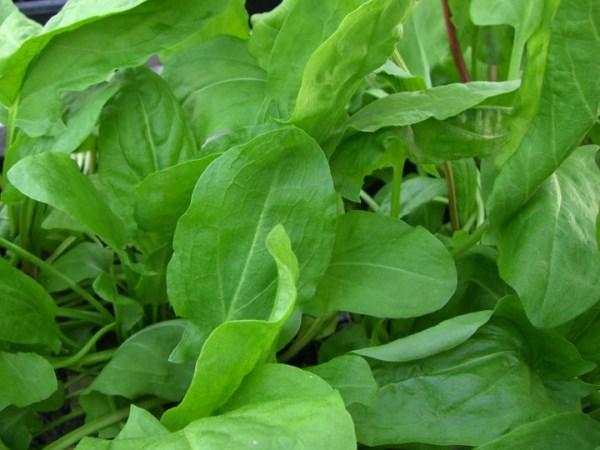
Red sorrel
A type of herbaceous perennial that grows low to the ground, it has slender, dark-burgundy stems and lance-shaped leaves. Red sorrel resembles spinach in appearance, reaching 60 cm in height and forming a rosette base. In summer, tiny green flowers appear, followed by small, seed-bearing fruits.
Take a look Also
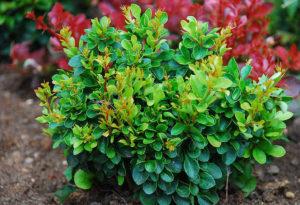
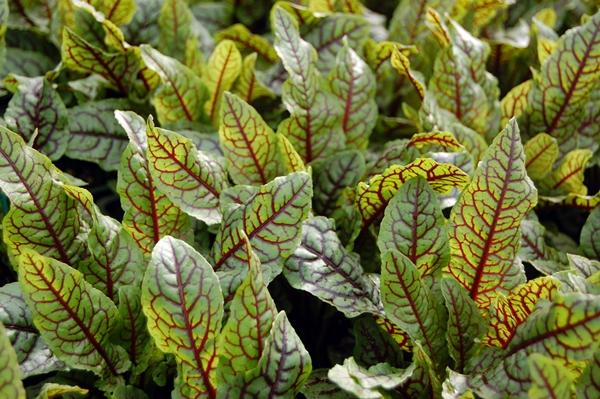
This perennial is very attractive, with vibrant blood-purple veins visible on its leaves. They contain a lot of oxalic acid, which is dangerous to animals. The herb grows in temperate climates and is grown in the tropics during the winter. It reproduces by seed, both when planted in the ground and by wind pollination.
Red sorrel thrives in moisture, is undemanding of soil fertility, and wilts in drought. This perennial is cut after flowering and used for:
- sauces;
- soups;
- omelettes.
The decorative properties of bloody or red sorrel have found application in pond decoration. The herb changes hue, adding additional color to the pond's background, and can grow in the same spot for up to five years.
Large-leaved sorrel
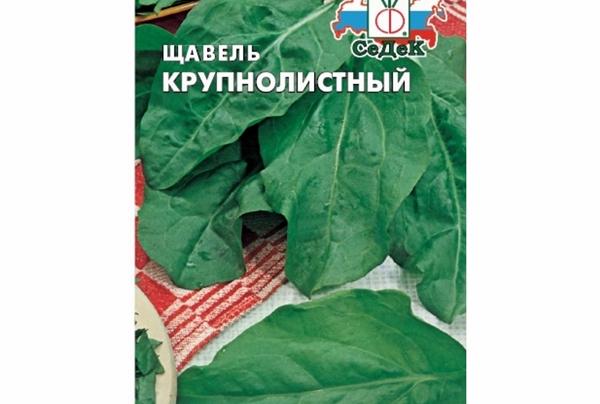
Gardeners and summer residents adore this plant variety because its succulent greens can be harvested 36 days after sowing. The advantages of large-leaved sorrel include:
- high productivity;
- pronounced sour taste;
- resistance to frost and stem loss.
About 6 kg of elongated leaves are harvested from the plant twice, giving the cabbage soup its special flavor. The herb is rich in ascorbic and nicotinic acids, iron and potassium, riboflavin, and retinol.
Broadleaf sorrel
This herbaceous variety has a medium ripening period, with the harvest occurring after 40–50 days. However, harvesting is not done twice or three times, with five cuttings being obtained per season. The name "sorrel" refers to the appearance of the leaves. According to the description, the blades reach 8 cm in width.
Sow seeds every 3-5 years. To ensure rapid foliage growth, row spacing should be at least 50 cm. Sorrel thrives in any soil, but marshy areas are not suitable for planting broadleaf varieties.
Spinach sorrel
A plant with a thick, erect stem reaching 130 cm in height is found in Siberia, the Russian Far East, China, and much of Europe. Spinach sorrel flowers form panicles, the joints thickening at the base. The leaves are distinguished by:
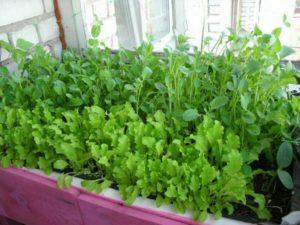
- oblong shape;
- wavy edges of the plates;
- up to 10 cm wide, up to 35 cm long.
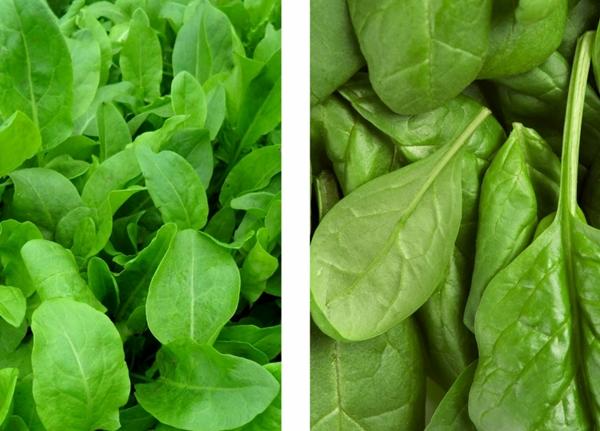
This variety is grown in summer cottages and vegetable gardens. The herb is rich in proteins and microelements such as sulfur, phosphorus, and iron, but does not contain oxalic acid. The leaves ripen quickly and are suitable for salads and used as a seasoning for various dishes.
Sorrel Victoria
This perennial herb thrives at temperatures ranging from 16 to 23°C, with seeds germinating at 0 to 3°C, making it a popular choice in a wide range of climates. In temperate climates, gardeners prefer to plant early varieties of sorrel, but the late-season Victoria variety is also highly valued because it doesn't bolt. The dark green leaves have a distinctly sour taste and are suitable for canning and fresh eating.
The best varieties for the Moscow region
Breeders are creating not only hybrids of fruit trees and shrubs, but also new varieties of grasses adapted to specific climatic conditions.
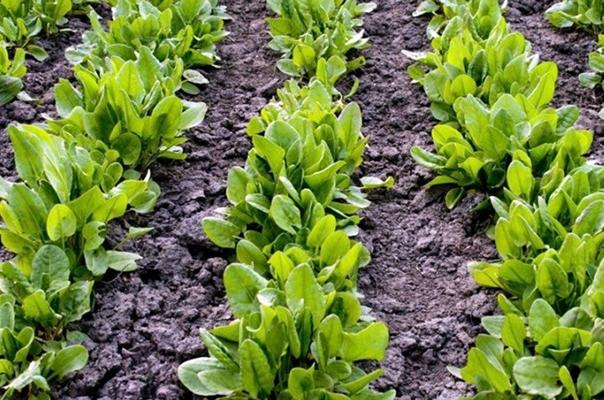
Thanks to the work of breeders, perennial varieties have been developed for cultivation in temperate latitudes and the Moscow region that require little care and can withstand significant frosts.
Sorrel, beautifully named "Emerald Snow," has a wide rosette of rounded leaves. They are prized for their delicate flavor, and yields over 7 kg per square meter.
Early spring, late autumn and summer months are all suitable for planting seeds in open ground.
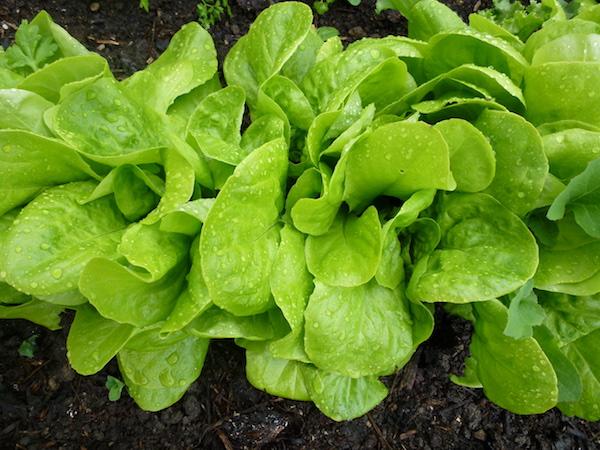
Gardeners consider Belvilsky sorrel to be one of the best old varieties. This sorrel is rich in:
- vitamin C;
- carotene;
- minerals.
In a good year, up to 7.5 kg of fleshy leaves are harvested, which are used to make soups and side dishes. The herb easily tolerates frost, rain, and damp weather.
Malachite pleases with its early ripening. In temperate climates, this perennial variety is harvested just six weeks after the shoots emerge. The rosette is formed by smooth-surfaced leaves, no longer than 15 cm.
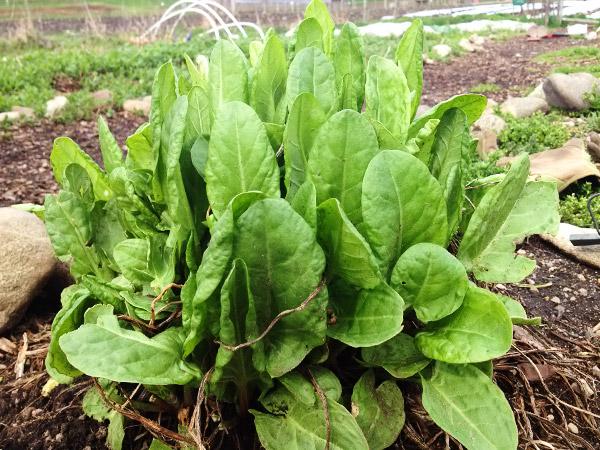
The Broadleaf variety quickly gained popularity among gardeners in the Moscow region for its high yield, reaching 8 kg per square meter. In hot and dry weather, the stem produces shoots, so the plant requires watering. It is used in salads, and the acidity is barely noticeable.
Altai sorrel has a pleasant green flavor. The herb is frost-resistant. In summer, the leaves change color to a reddish hue.
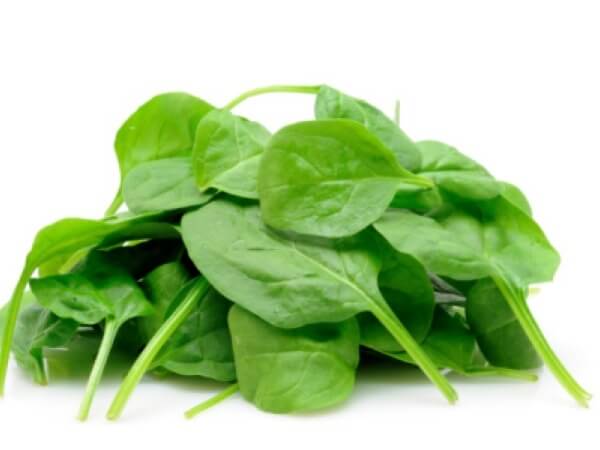
The spinach variety thrives in temperate climates. It ripens early and thrives in cool temperatures. The herb contains a small amount of oxalic acid, and the leaves have a sweet taste.
The delicate foliage of the perennial Lyon variety grows very quickly, but it requires special care and can be killed by severe frost. In temperate climates, gardeners cover the roots of the grass for the winter.
The Odessa broadleaf variety thrives in the Moscow region. Gardeners enjoy planting this grass. The yield, approaching 8 kg per square meter, is harvested six weeks after the sprouts emerge. The wide, long leaves are bright green and rich in iron and potassium.
Related posts:
 Planting and caring for sorrel in open ground, how to feed it and when to sow it
 How to treat sorrel for pests, causes and control
 TOP 10 recipes for the best way to freeze sorrel for winter soup, choosing herbs, and storing them
 The best recipes for canned sorrel at home for the winter
 How to grow sorrel on a windowsill, prepare containers and seeds, plant and care for the plant
 80 Best Eggplant Varieties for Different Regions with Descriptions and Characteristics
 12 Best Homemade Winter Greens Recipes
 Description of the best potato varieties of domestic and foreign selection