
- The benefits of propagating barberry yourself
- When is the best time to perform the procedure?
- Methods of crop propagation: step-by-step instructions
- Cuttings
- Green cuttings
- Woody cuttings
- Dividing the bush
- Growing from seeds at home
- Root shoots
- Layering
- When to plant seedlings in open ground
- Preparing the site and planting hole
- Planting and caring for young barberry
Propagating barberry is a delicate matter. To ensure the shrub becomes a striking decorative element in the landscape, certain care guidelines must be followed. If the bush is strong enough, it can be used as a donor plant for new seedlings. Before propagating barberry from cuttings in the summer, it's important to familiarize yourself with the intricacies of the procedure. To do this, you'll need proper tools for handling the stems and patience.
The benefits of propagating barberry yourself
This ornamental shrub isn't particularly demanding, so you can propagate it yourself. The advantages of propagating the shrub yourself:
- high germination rate compared to purchased material;
- saving money on purchasing raw materials;
- the ability to accurately determine the variety of the resulting seedling.
All work can be carried out as carefully as possible, without damaging the root system.
When is the best time to perform the procedure?
Barberry can be planted in both spring and fall. Spring is considered optimal, as the shrub quickly revives after the snow melts. However, higher temperatures increase the risk of the seedlings' roots drying out.
If planting in the fall, it's best to begin in early September. This will allow the seedling to gain strength before the cold weather sets in.
If you delay planting, the plant may freeze and not survive the winter cold. If necessary, propagation can be done in the summer. In this case, it's best to begin in the first days of June.
Methods of crop propagation: step-by-step instructions
Barberry can be propagated in several ways: by cuttings, dividing the bush, and using layering.
To plant seedlings, you need to set up a greenhouse. This process consists of several stages:
- Preparing the base. This is made from compost, topped with forest litter or a mixture of rotted leaves and soil, laid to a depth of 10-15 centimeters. Next comes a layer of river sand, 4 centimeters thick.
- The resulting substrate should be carefully compacted and watered generously.
- On top it is covered with film or transparent glass.

The finished greenhouse will serve as a temporary place for planting cuttings.
Cuttings
Those wishing to propagate barberries should opt for cuttings. It's best to take cuttings in the morning, while dew still remains on them.
To prepare cuttings, do the following:
- Prepare a sharp knife.
- Select a one-year-old branch with firm bark. It's best to choose one with at least four internodes.
- Cut the shoot almost at the root.
- Place the cutting in a container with water.
- Move it to a dark place.
When the material is ready, the shoot begins to be trimmed.
Green cuttings
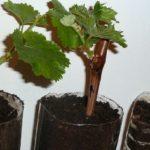
Green cuttings can be used for propagation. From a one-year-old growth, cut the middle section of the stem, 8 to 10 centimeters long. All cuts should be made at a 45-degree angle.
On each stem fragment, the leaves should be shortened by half, and a couple of them should be removed from the bottom.
The finished cuttings can be tied into bundles and placed with the bottom cut in a container of water. This will significantly improve the rooting of the resulting seedling. Next, plant the cuttings in a greenhouse and then in the ground.
Woody cuttings
Woody cuttings are also used for propagation. This procedure is carried out in late autumn. Two-year-old shoots should be selected as the starting material. They should be cut to 20 centimeters in length.
Important! Be sure to cut the sprouts at an acute angle.
They are then planted in a deep trench. A layer of mulch (or fallen leaves) will help the cuttings root. When spring arrives, the planted cuttings are placed in greenhouses. The rest of the process is the same as with green cuttings.

Dividing the bush
A beautiful bush can be propagated by dividing the bush, which is used when young seedlings need to be produced quickly. The procedure is as follows: the bush is dug up as carefully as possible and cut into sections. Each cut should be treated with a special paste to stimulate growth. If the root system is sufficiently developed, simply saw the root and plant the resulting seedlings in separate holes, moistening them first.

Growing from seeds at home
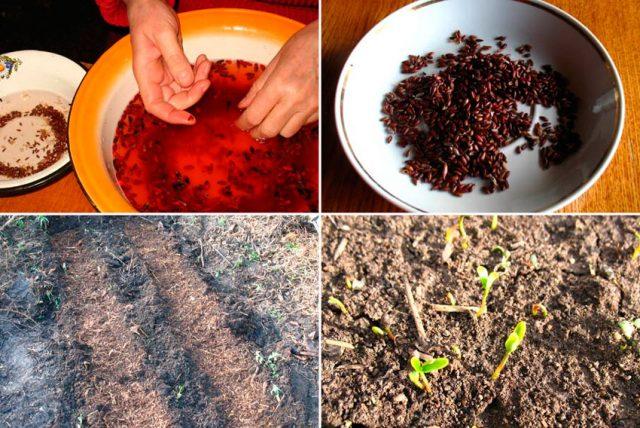
A healthy barberry bush can be grown even from a small seed. However, growing barberry from seeds is quite laborious, and the chances of germination are low. Seeds are sown in the fall, in furrows 3 centimeters deep. Germinated seeds are weeded and thinned. After a year, the seedlings are transplanted to their permanent location.
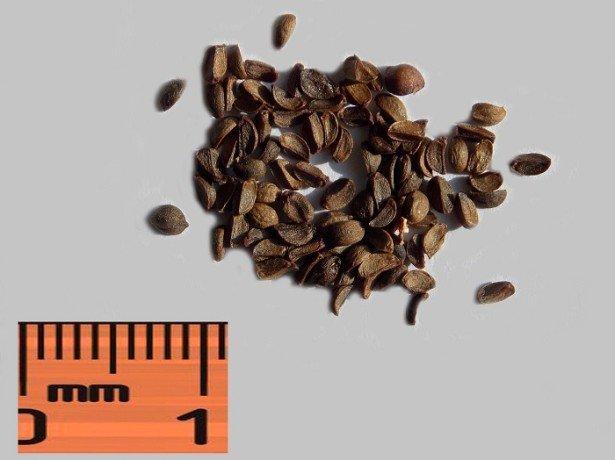
Important! Sometimes barberry reproduces by self-seeding.
Root shoots
Quite often, buds form on barberry roots, from which shoots emerge. These shoots provide the opportunity for new bushes to grow. When shoots are discovered, follow these steps:
- Dig around the resulting sprout.
- Cut the connection between the mother bush and the cutting using pruning shears.
- Transplant it along with the lump of earth to the chosen location on the plot.
Propagating barberry in this way is the most painless for the plant and does not require much effort.
Layering
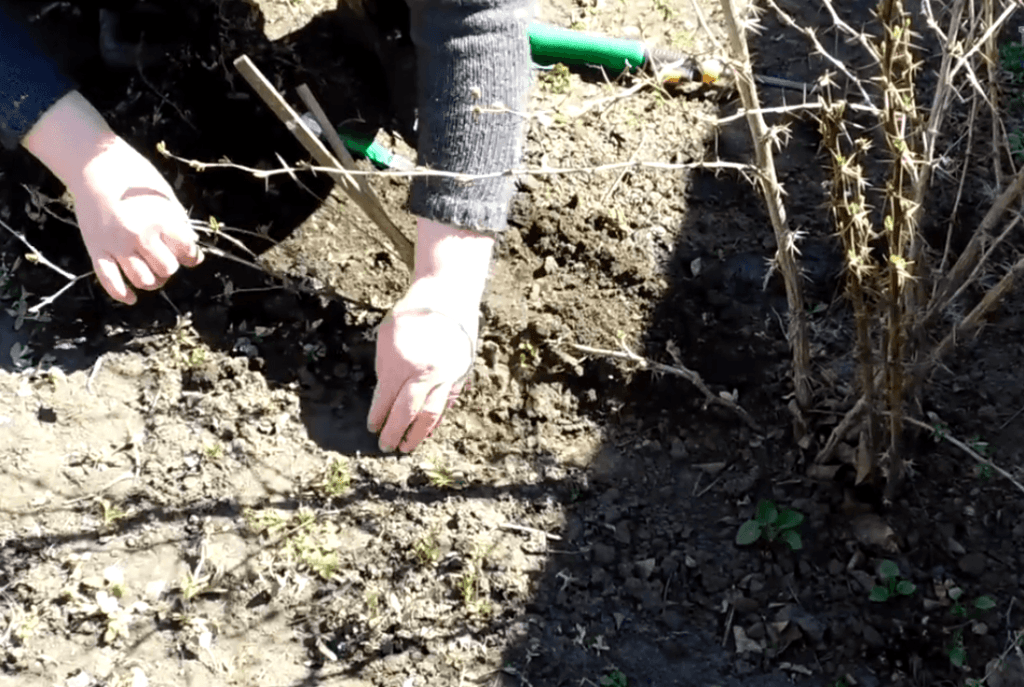
If you already have a barberry bush on your property and are happy with it, but want to add a few more to your landscape, you can use cuttings to propagate the bush. To do this, select healthy, one-year-old branches. Make furrows around the parent bush and water them.
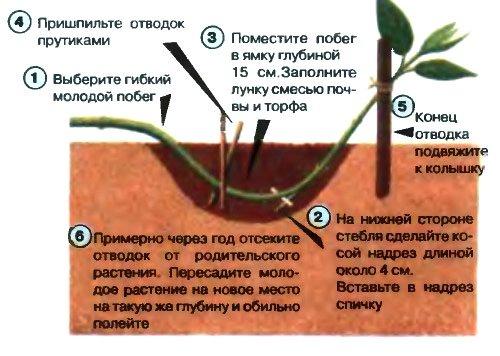
Shoots 15 centimeters long are placed into the resulting holes, secured, and covered with soil so that only the tips are visible. The cuttings are watered for one season, and by fall, they are ready-to-plant seedlings with their own root system.
When to plant seedlings in open ground
It's best to plant new seedlings in open ground in the spring. This is the optimal time for barberry rooting. It has sufficient warmth and moisture, and frosts are already behind it. If you plant the seedlings in the spring, by fall the plant will have gained strength enough to overwinter on its own. Before this, you'll need to prepare the soil and select a permanent site for the plant.
Preparing the site and planting hole
If you're planting a single seedling, a hole measuring 45x45 centimeters and 50 centimeters deep is sufficient. This amount of space is needed not only for the seedling but also for the fertilizer that fills the space.

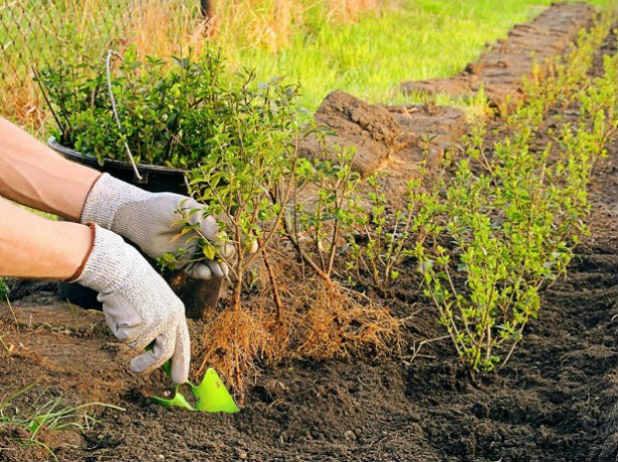
Water is poured into the resulting hole. A drainage layer of pebbles or pieces of wood is then placed at the bottom. Once the hole is prepared, it is filled with a mixture of peat, soil, and humus.
Planting and caring for young barberry
Growing barberry The quality of the planting depends on the quality of the soil. The prepared hole is filled with soil, and the seedling is placed on it. The roots are then spread out, and the seedling is covered with soil. After compacting the soil, it is topped up and watered. The planting area is then mulched with peat.
After planting in open ground, young bushes require essential care. This consists of several essential steps:
- regular watering;
- weed removal;
- seasonal feeding.
By autumn, the seedlings become stronger and can survive the winter.
Propagating barberry allows you to create a beautiful landscape with spectacular plants that delight the eye year-round using just one bush.
Related posts:
 Planting and caring for barberry bushes in open ground
 Description of the 20 best varieties and types of barberry, planting and care rules
 Useful properties and contraindications of barberry fruits, rules of application
 When is the best time to harvest barberries, how to dry them, and storage rules
 When and how to prune barberries for beginners
 Signs of pest and disease attacks on barberry, treatment methods
 Instructions on how to propagate grapes by layering in spring, summer, and fall
 How to propagate grapes in summer using green cuttings at home