
- Plant characteristics
- Composition and content of active substances
- In what cases is it recommended to use peony?
- Medicinal properties
- Rules of use
- Decoction
- Tincture
- Features of use for certain diseases
- Gynecology
- For nerves and insomnia
- Under pressure
- To relieve joint pain
- For epilepsy
- To solve cosmetic problems
- Peony evading during pregnancy
- Contraindications for use
- Features of planting and growing on the site
- Rules for harvesting peony raw materials
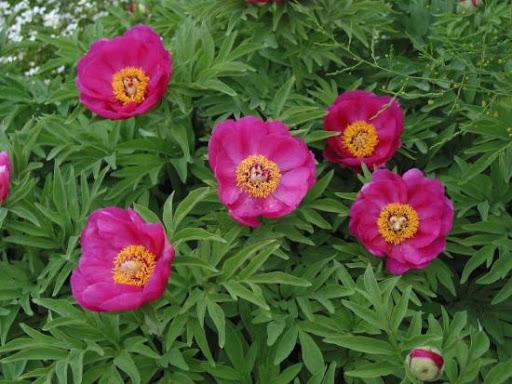
Peony, heart berries, unusual peony, and Peony root are all common names for the evading peony. The plant is renowned not only for its ornamental appearance. All its parts possess medicinal properties. Below are plant characteristics, information on its use for certain ailments, and cultivation tips.
Plant characteristics
The peony is a perennial rhizomatous plant. Its shoots reach a height of 1.5 meters. The leaf blades are large and dissected. The spindle-shaped roots are reddish-brown. They can reach a depth of 90 centimeters.
The root system is white when cut. When broken, a sweetish odor is released. The roots have a sweet taste. Peony evades bloom in May. Purple or pink flowers reach 10 centimeters in diameter. After flowering, fruits with small black seeds form, which ripen in early autumn. Peony peony, like Peony obovate, has medicinal properties. All parts of the plant are used in folk medicine to treat many ailments.
Additional information: The culture was named after the physician Asclepius Paeon, who cured the ancient Greek god Pluto of his illness.
Composition and content of active substances
The peony contains the following useful substances:
- benzoic acid;
- acetylsalicylic acid;
- ascorbic acid;
- carbohydrates;
- essential oils;
- minerals;
- alkaloids;
- glycosides.

Active substances are contained in all parts of the plant.
In what cases is it recommended to use peony?
Its healing effect is noticeable in the treatment of many ailments. It is used for nervous disorders, insomnia, and epileptic seizures. It is successfully used in the treatment of gynecological diseases, in urology, and to strengthen the heart and blood vessels.
Medicinal properties
The peony has the following medicinal properties:
- pain reliever;
- anti-inflammatory;
- sedative;
- anticonvulsant;
- bactericidal;
- antitumor.
In addition, peony infusion is used to normalize metabolism and remove toxins from the body.
Rules of use
For the remedy to be effective in treating illnesses, it must be used correctly. The tincture can be purchased at a pharmacy or made at home.

Decoction
A medicinal decoction from the peony is prepared as follows:
- 1 teaspoon of dried raw material is poured into an enamel bowl;
- pour in 2 glasses of hot water;
- boil for 15 minutes;
- cover with a napkin and leave for 4 hours;
- filter through 2-3 layers of gauze.
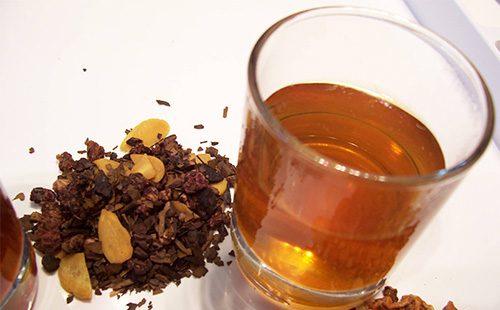
Drink the prepared decoction 25-30 minutes before meals. Use for stomach ailments and swelling.
Tincture
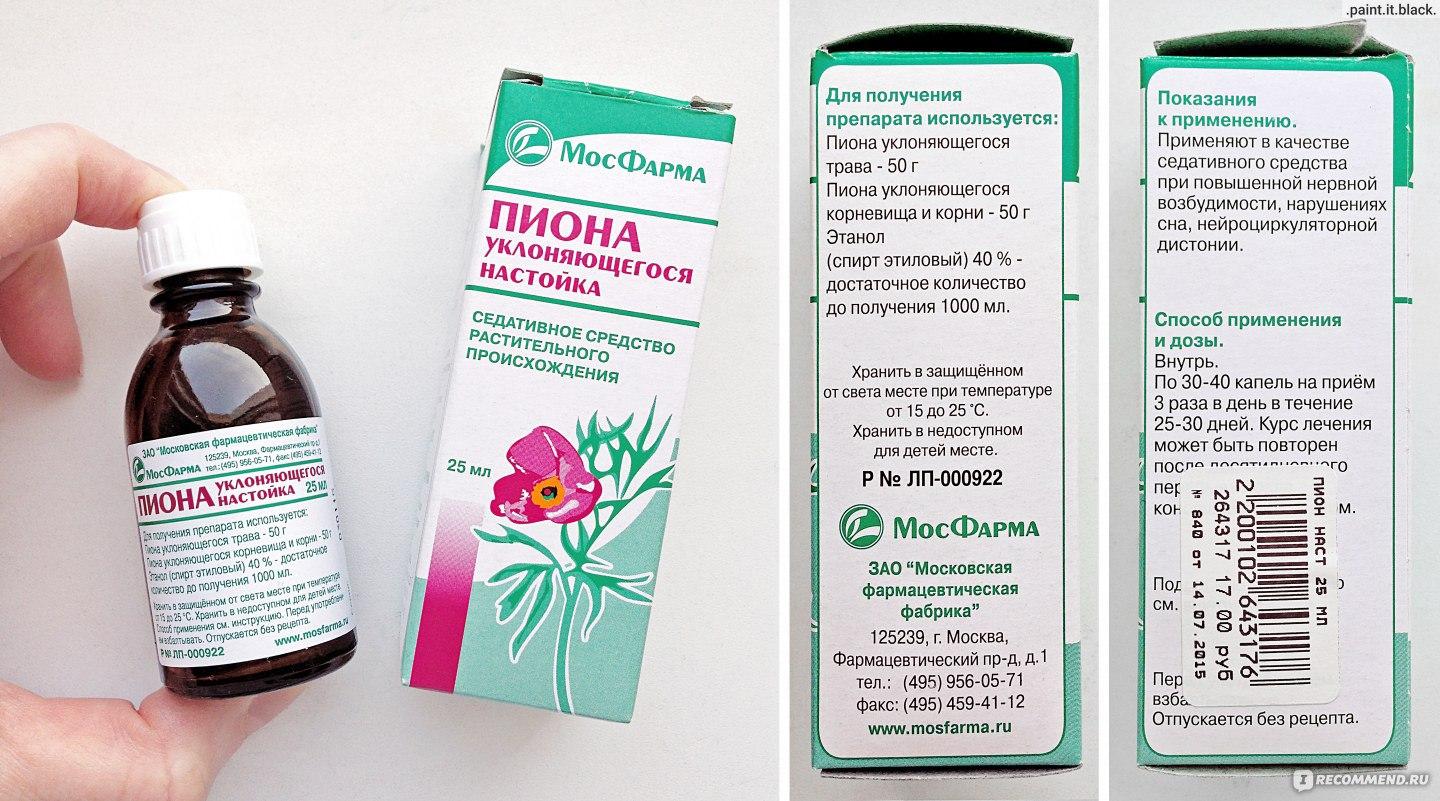
To make a tincture, both the underground and aboveground parts of the plant are used. However, the roots are most often used for the medicine. They are steeped in alcohol or vodka and placed in a dark place for 2-3 weeks. The infused remedy is taken 15-40 drops three times daily. The course of treatment is 2-4 weeks. If necessary, the course of treatment is repeated after a month.
Features of use for certain diseases
Peony root is widely used in folk medicine to treat many ailments. However, like any medicine, it has side effects and contraindications.
Gynecology
Peony tincture is used by women during menopause. It helps reduce fatigue and relieve inflammation. To prepare the tincture, steep 3 tablespoons of peony roots in 500 grams of vodka. After three weeks, the remedy can be taken 25 drops three times a day. Within a month, hormonal levels will return to normal.
In addition, the medicine is used for infertility. Peony eliminates congestion in the appendages and malignant tumors. The tincture is also used for menstrual irregularities. It reduces excess testosterone levels, relieves spasms, and alleviates irritability.
For nerves and insomnia
For long-term sleep disturbances, use a remedy prepared as follows:
- 50 grams of dry root is poured with 0.5 liters of vodka;
- place the dishes in a shaded place;
- shake the tincture periodically;
- after 2 weeks, filter.
One hour before bed, take a solution of 50 grams of water and 3 small spoons of the tincture. After a few days of use, sleep is normalized due to the relaxation of the nervous system.
Under pressure
The tincture is used for hypertension. It is not used for hypotension, as it may reduce blood pressure even further, leading to adverse effects. The tincture is prepared as follows:
- 50 grams of dried peony roots are poured with half a liter of vodka;
- Keep in a dark place for 3 weeks, shaking the product periodically;
- strain through 2-3 layers of gauze.
Take the tincture on an empty stomach, 30 drops three times daily.
To relieve joint pain
The tincture is used not only for internal consumption but also for rubbing. To prepare the remedy, 50 grams of dried flowers are infused in 500 grams of vodka. After two weeks, the prepared mixture is rubbed into the joints 3-4 times a day. The therapeutic effect is achieved due to the peony's analgesic and anti-inflammatory properties.
For epilepsy
This remedy requires a doctor's approval because it has some side effects. The roots and flowers are infused (50 grams per 500 grams of vodka). Drink a teaspoon three times daily on an empty stomach. The effect is achieved due to the plant's anticonvulsant properties.
To solve cosmetic problems
Peony root is used not only to treat illnesses but also to improve the condition of the scalp. However, for these purposes, water infusions and decoctions are used rather than alcohol tinctures. The product is used as a hair rinse after washing.
To improve the condition of facial skin, prepare peony oil as follows:
- the petals are poured with olive oil;
- keep the containers with raw materials in a dark room for 2-3 days;
- Use every other day, applying to the face for 20 minutes.

If your skin is oily, wipe it with an alcohol tincture. This eliminates blackheads and pimples and tightens pores.
Peony evading during pregnancy
Peony root has the ability to contract muscles. Therefore, pregnant women are prohibited from taking preparations containing it. This can cause miscarriage. Furthermore, peony can negatively affect fetal development.
Contraindications for use
Despite its many beneficial properties, peony has some contraindications. It should not be taken in the following cases:
- during pregnancy and breastfeeding;
- small children;
- at low pressure;
- people suffering from allergies;
- It is prohibited to take alcohol tincture if you have gastrointestinal diseases.
The following side effects may occur when taking the medication: drowsiness, low blood pressure, and weakness. Therefore, during this period, it is not recommended to perform tasks requiring concentration. In large doses, peony root is toxic.
Important! Before using products containing peony, consult a doctor!
Features of planting and growing on the site
Plant the peony in the garden in early autumn. It prefers a sunny spot in well-drained soil. If the site has a high groundwater table, install drainage pipes. Drainage material is placed in the bottom of the hole.
Planting of peonies is carried out as follows:
- a month before planting, dig a hole 50 centimeters deep and wide;
- half-fill with a mixture of garden soil, humus, sand with the addition of mineral fertilizers;
- pour in a fertile mixture without adding fertilizer and water;
- a month later, a peony bush is planted in the prepared hole;
- water and mulch the soil in the root circle.


Care involves timely watering, fertilizing, loosening the soil, and pruning. At least 20 liters of water should be applied under the bush. Frequent watering is not recommended, as the peony has a long root system that draws moisture from deep within. After watering, loosen the soil around the bush. This procedure allows air to reach the root system. Weeds should be removed, especially when the bushes are newly planted. Tall weeds rob the plant of nutrients, water, and sunlight.
The first feeding is done in early spring. A mixture of nitrogen and potassium is used. The soil is fertilized again in early summer, adding potassium and phosphorus. The same mixture is applied two weeks after flowering. In the fall, the shoots are cut back and burned. The remaining stumps are sprinkled with wood ash.
Rules for harvesting peony raw materials
All parts of the plant are considered medicinal. To maximize these properties, harvesting should be done at the right time. Leaves and stems are cut in midsummer, and petals are collected before they fall. The raw materials are dried under a canopy, away from direct sunlight. The dried material is stored in dark boxes.
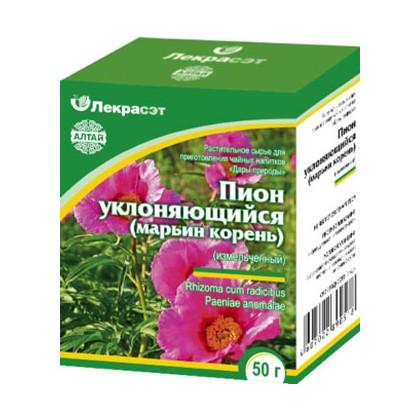
The rhizomes reach their peak nutrient content in August. Therefore, they are harvested in late summer. The roots are thoroughly rinsed under running water and dried. Then, they are cut into pieces and thoroughly dried in a dry, ventilated area. The process can be accelerated by drying the raw materials in an oven at 45-60°C. The roots should turn dark brown or yellow-brown in color and feel brittle to the touch. Store in closed containers or linen bags at room temperature. The shelf life of the raw materials is 3 years.
Related posts:
 Planting and caring for tree peonies: the best varieties and growing mistakes
 Description of the hybrid peony variety Bartzella, planting and care instructions
 Top 11 Coral Peony Varieties and How to Grow Them
 Description and characteristics of the Sarah Bernhardt peony variety, planting and care instructions
 Descriptions and characteristics of all varieties of peonies, varieties and names of the best
 The best eggplant varieties for growing in a polycarbonate greenhouse: planting and care
 What are the health benefits of quince, its medicinal properties, and contraindications for the body?
 The health benefits and contraindications of black currants