
- Selection and description of the ITO hybrid
- General characteristics of the plant
- Features of flowering
- Examples of use in landscape design
- Pros and cons of Bartzell
- Planting and caring for peonies
- Preparing the site and planting material
- Timing and planting patterns for peonies
- Fertilizing and watering
- Loosening and mulching the soil
- Shelter from drafts
- Trimming
- Transfer
- Preparing for winter
- Preventive treatments
- Pests
- Diseases
- How to propagate Bartzella
- Gardeners' reviews of the ITO hybrid
The history of peonies began in China, where this flower has been cultivated for centuries. Thanks to the efforts of breeders, a herbaceous form of this plant and many different cultivars have emerged. Before choosing a peony variety for their garden, gardeners study the flower's characteristics and its growing conditions. The Bartzella peony variety was developed relatively recently, but has already won the hearts of gardeners worldwide.
Selection and description of the ITO hybrid
The Itoh hybrid was developed by Japanese breeder and scientist Toichi Ito in 1948 by crossing the Kakoden and Kinko varieties. Also in 1948, Bartzella was established as a distinct cultivar by Andersen, an American botanist assistant. The Bartzella variety only achieved worldwide recognition in 2002, and today it is considered one of the most expensive hybrids. The American Peony Society awarded this variety a gold medal in 2006.
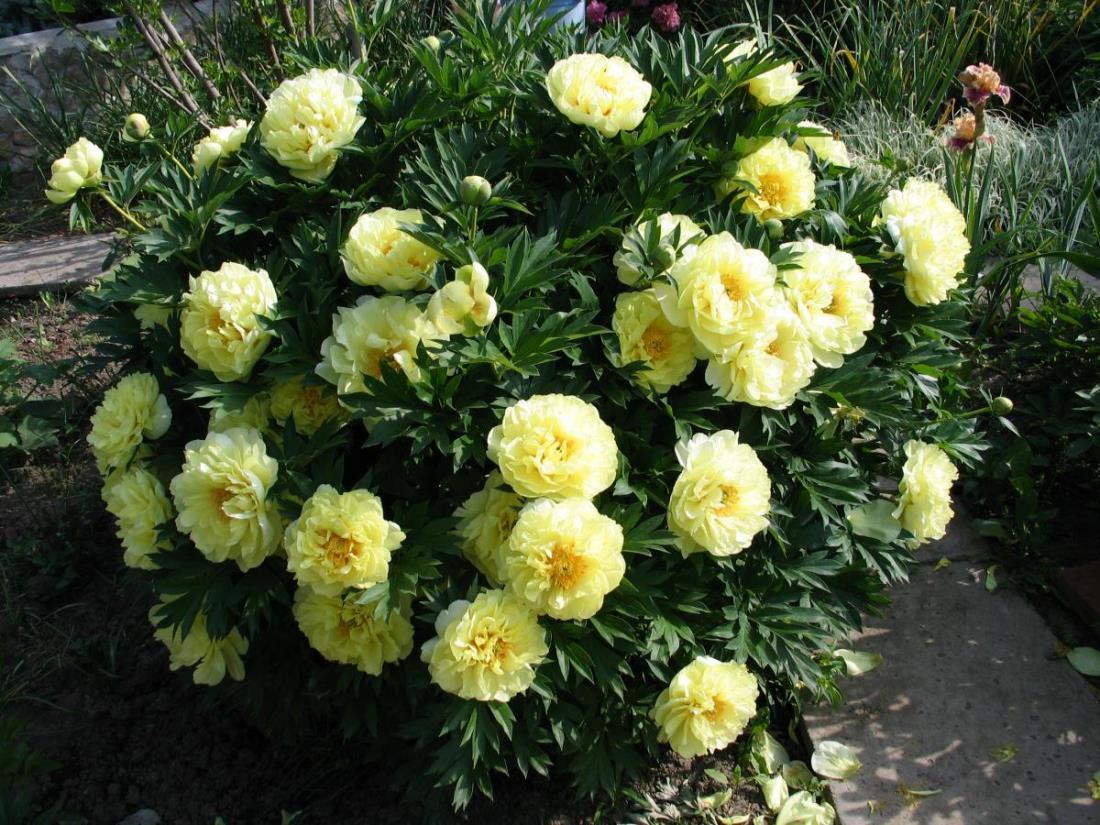
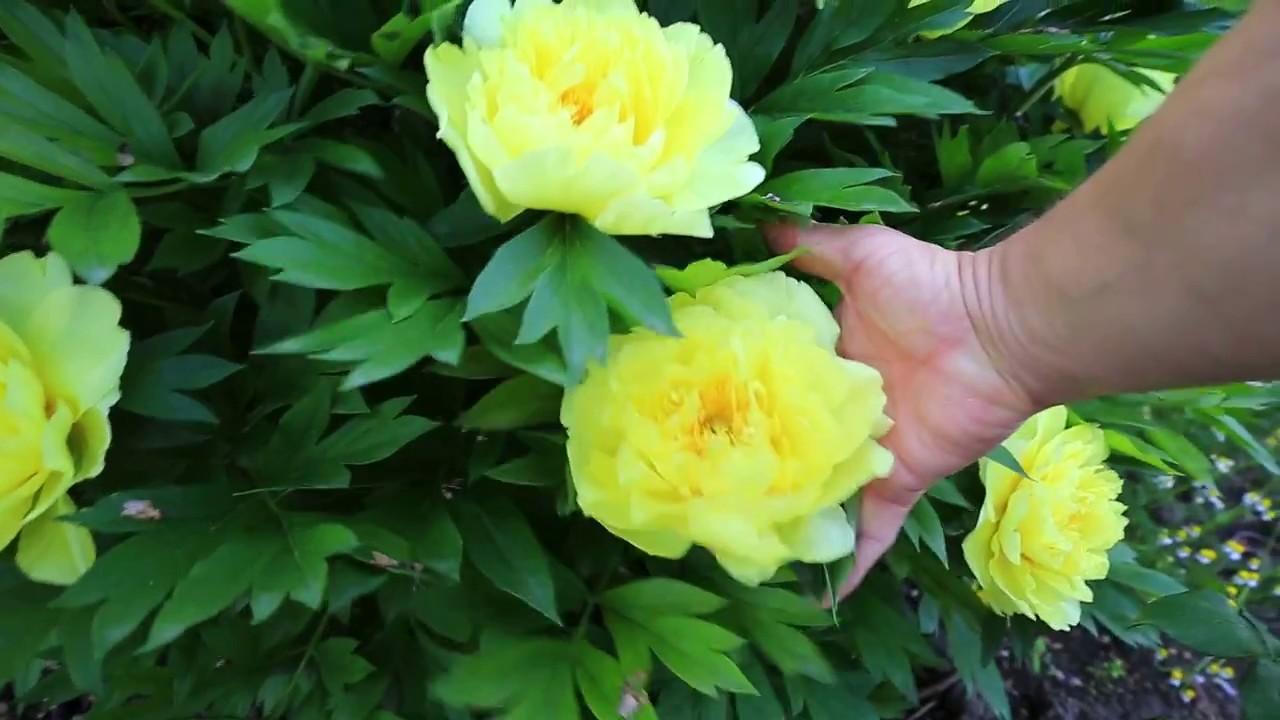
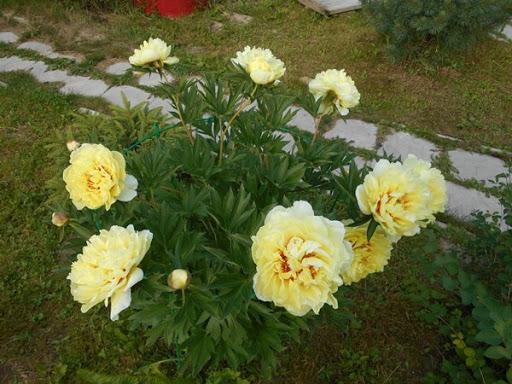
The bush reaches a height of 1 meter, and the sunny yellow buds exceed ¼ meter in diameter. The peony is characterized by high winter hardiness and requires minimal shelter. Compared to other hybrids, the flower retains its freshness in a vase for a long time, making it a popular cut flower.
General characteristics of the plant
The Bartzella peony is characterized by herbaceous-woody stems; they are quite sturdy and therefore require no additional support. The herbaceous part of the plant dies back in winter, while the tree-like part easily tolerates temperatures down to -30°C (-22°F) without additional shelter.
The dark green, leathery leaves are finely dissected and large. Their decorative appeal lasts almost until the first frost.
In addition to being beautiful and low-maintenance, the hybrid also has medicinal properties, which is why it is used in traditional medicine recipes.
Features of flowering
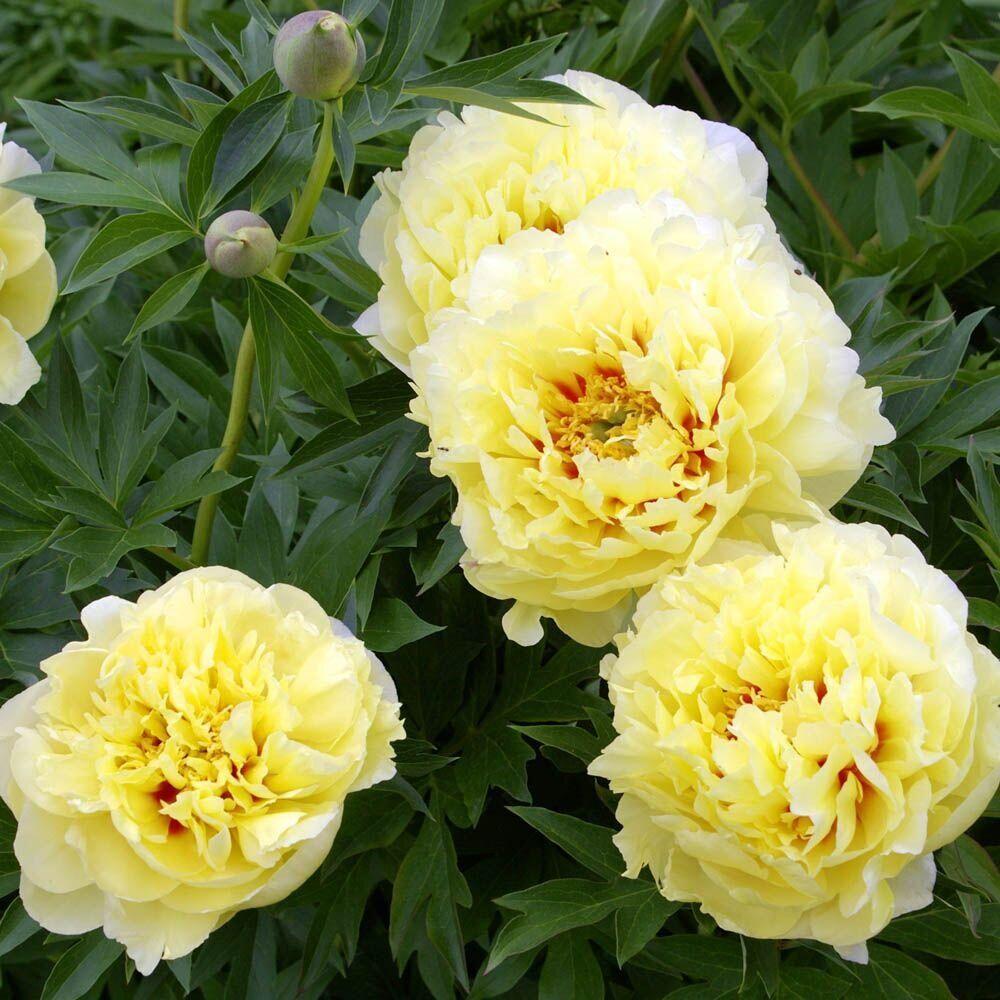
A single hybrid bush produces approximately 60 yellow buds. Each flower has a small red spot in the center. Peonies have a pleasant, light fragrance that attracts pollinating insects.
Take a look Also
The flowering period depends on the climate of the growing region and begins around the beginning of June. The buds delight with their decorative appearance for a long time, on average, up to a month. The hybrid can bloom as early as the first year after planting, but experienced gardeners recommend removing the first buds to avoid weakening the plants. Furthermore, varietal characteristics only appear several years after planting.
Examples of use in landscape design
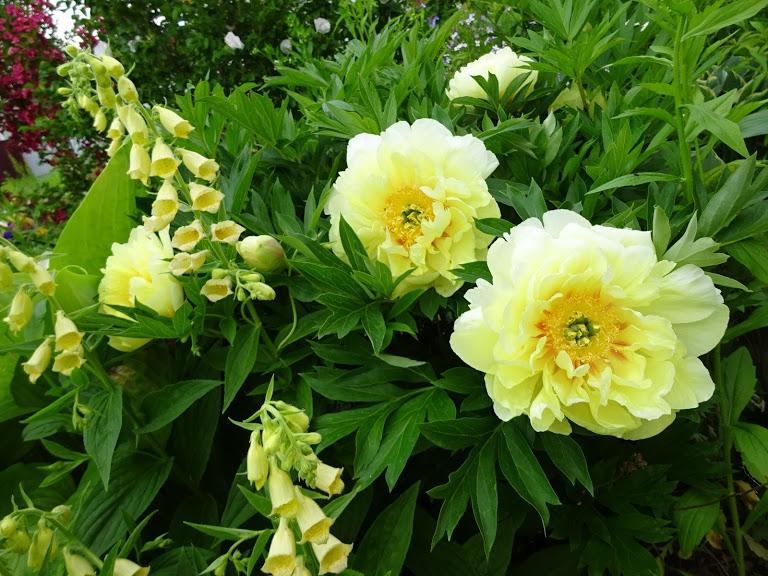
Even a single Bartzella peony bush can completely transform a garden plot thanks to its decorative qualities. There are several ways to use this hybrid in landscape design:
- As a single planting, the peony looks spectacular against a green lawn; bushes are also planted near a terrace or gazebo, on both sides of steps.
- In group plantings, peonies of this variety are combined with other representatives of this group with contrasting petal shades. Yellow Bartzella looks spectacular with white or bright red peonies.
- Peony bushes are planted along garden paths and around the perimeter of the plot, thus forming a hedge.
- As a decoration for alpine slides and mixed borders, in combination with other ornamental plants with similar flowering periods, the hybrid creates spectacular garden compositions.
- Low-growing plants are planted around the bush as the central accent of the composition.
Pros and cons of Bartzell
Before purchasing hybrid planting material, study its strengths and weaknesses.
The undeniable advantages of the Bartzella peony include:
- Long and spectacular flowering.
- High winter hardiness.
- Possibility of growing without additional supports.
- Pleasant aroma that does not irritate the respiratory tract.
The following are noted as disadvantages:
- Inability to reproduce by seeds.
- Demanding of sunlight.
- Need for regular watering.
Planting and caring for peonies
Since peonies are perennials, careful selection of a planting site is crucial. They also don't transplant well and often fail to thrive in their new location. Growing them is simple, and even novice gardeners can handle it without difficulty.
Preparing the site and planting material
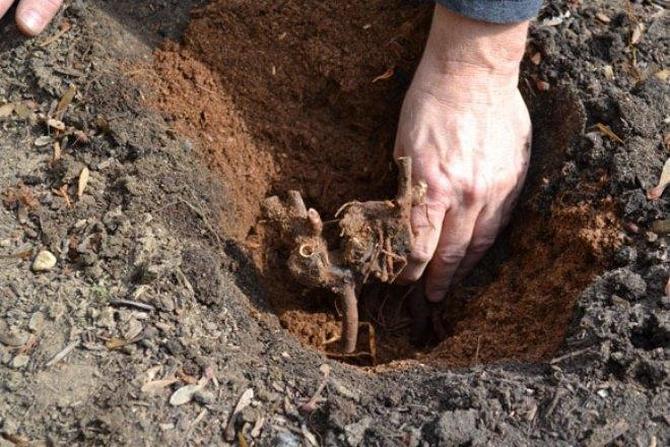
Since this variety is quite rare and expensive, it's recommended to purchase seedlings only from specialized retailers where the seller can provide a certificate. Peonies are most often sold as rhizome divisions; seedlings are less common. Make sure the division contains at least two buds, and five is ideal; these plants take root and flower faster.
The roots should be free of rot and insect damage. Before planting, soak the roots in a highly concentrated solution of potassium permanganate for an hour.
The Bartzella peony is a sun-loving plant, so choose open areas with full sun for most of the day. Light afternoon shade is acceptable. Shaded areas can cause the plant to wilt, and the buds will be small.
Avoid planting this hybrid near buildings, as rainwater falling from the roof will damage its petals. Peonies also dislike being planted close to other ornamental plants, as they can rob them of nutrients.
A site with elevated ground is chosen for planting the bush, as peonies react negatively to excess moisture that accumulates in low-lying areas. The same applies to groundwater levels close to the soil surface. In this case, drainage will be required.
Before planting peonies, dig the soil in the selected flowerbed to a depth of two spade-widths, removing weed roots along the way. If the soil is highly acidic, lime must be added during digging. Clayey and heavy soil can be improved with river sand.
Timing and planting patterns for peonies
Peonies can be planted in either fall or spring, but experienced gardeners recommend the former. The key is to allow at least a month before the first frost.
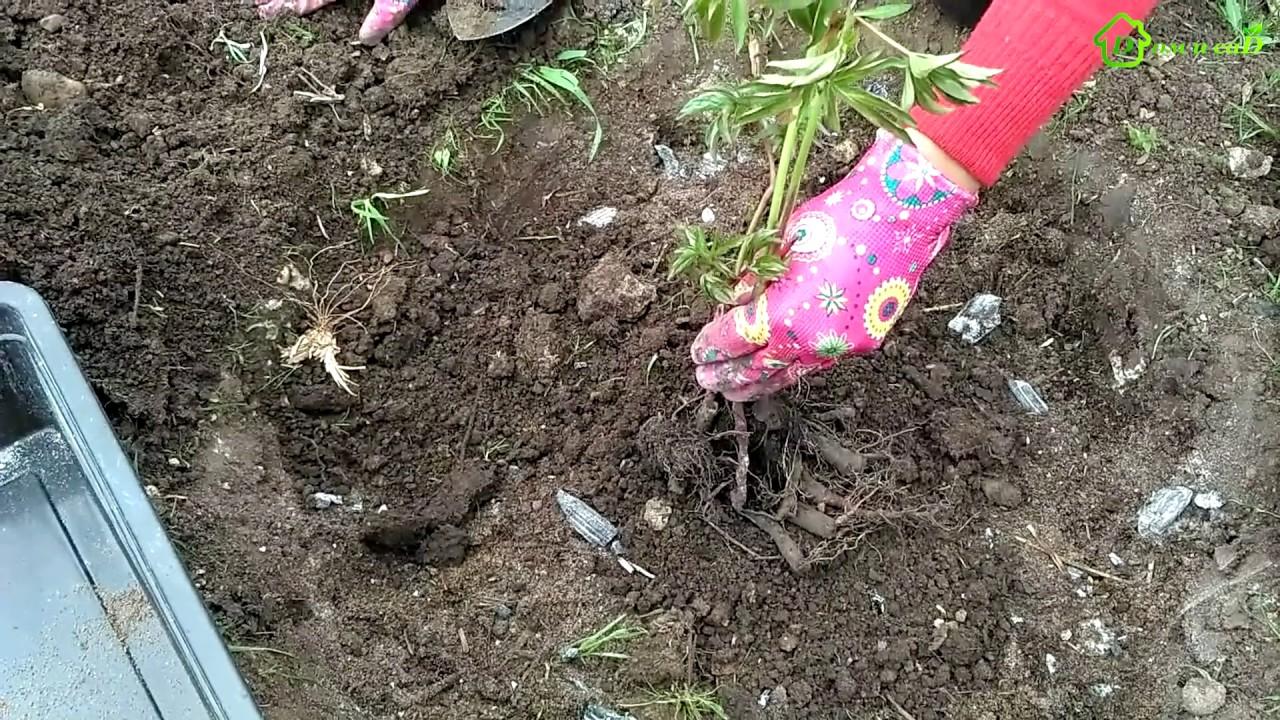
The work is carried out according to the following instructions:
- Dig holes measuring 60x60x60 cm.
- At the bottom, drainage is arranged using small pebbles.
- Next comes a layer of sand.
- Next, add fertilizers: wood ash, superphosphate and dolomite flour.
- Carefully spreading the roots, place the peony in the hole and cover with the remaining fertile soil. Make sure the root collar is above ground level.
- Peonies are watered generously and sprinkled with mulch on top.
Fertilizing and watering
Peonies are fertilized three times during the growing season. Nitrogen fertilizers are applied early in the growing season to boost foliage. Potassium chloride and superphosphate are used during bud formation. Potassium and phosphate fertilizers are applied a few weeks after flowering begins.

Peonies require copious but infrequent watering during the flowering stage. Use warm, settled water, using up to 30 liters per bush.
Loosening and mulching the soil
After each watering, it's recommended to carefully loosen the soil around the bushes, removing weeds along the way. This procedure is often replaced by laying a layer of mulch, which protects the plant roots from overheating and moisture evaporation.
Shelter from drafts
Initially, peony bushes are planted in areas protected from drafts. Tall shrubs are placed at a distance of 1 meter to protect the hybrid from gusts of wind.
Trimming
After wilting, all buds are removed from the bushes to prevent them from spoiling the plant's decorative appearance. As soon as the first frost arrives, all above-ground parts are cut off, and the peonies are prepared for winter.
Transfer
The Bartzella hybrid does not transplant well and does not establish well in a new location, so this procedure is only performed in extreme cases. It is best done in the fall, as this reduces stress on the plant.
Preparing for winter
Thanks to its high frost resistance, peonies don't require additional shelter. A 10-cm-thick layer of mulch over the pruned bushes is sufficient.
Preventive treatments
Preventive treatments will protect plants from pathogens and insect pests.
Pests
The most common insects that infest peonies are aphids and ants. To prevent pest infestations, spray the bushes with insecticides twice a season. Use Actara or Actellic.

Diseases
Gray mold and powdery mildew are considered the most dangerous diseases. As a preventative measure, three treatments with fungicides are carried out.
How to propagate Bartzella
Since this is a hybrid, seed propagation is not used. Bartzella peonies are propagated by rhizome division. In the fall, dig up the bush and use a sharp tool to divide the root system into several sections, ensuring that each section has at least two buds.
The method of cuttings is used quite rarely.
Gardeners' reviews of the ITO hybrid
Darya Aleksandrovna Chernova, 60: "I took a risk and bought this variety. The material is quite expensive, but I didn't regret it. The large buds became a real highlight of the garden. I later grew this hybrid myself."
Related posts:
 Descriptions and characteristics of all varieties of peonies, varieties and names of the best
 Top 11 Coral Peony Varieties and How to Grow Them
 Planting and caring for tree peonies: the best varieties and growing mistakes
 The medicinal properties and contraindications of the peony and its composition
 Description and characteristics of the Sarah Bernhardt peony variety, planting and care instructions
 The best time for transplanting peonies, schemes and technology of implementation
 TOP 20 Itoh Peony Varieties and Their Characteristics, Planting and Care Guidelines
 Timing of planting and care of peonies in open ground, growing rules