
- What conditions are suitable for peonies?
- Lighting
- Soil composition and crop rotation
- Groundwater level height on the site
- Blow-by protection
- Planting peonies
- Optimal timing
- In the spring
- In summer
- In the fall
- Site preparation
- Preparing planting material
- Seating plans and technology
- Perennial herbaceous peonies
- Shrub (tree) varieties
- How to care for a plant: recommendations and basic rules
- Watering regime
- Fertilizers: foliar and root
- Mulching, loosening
- Shaping and pruning of the bush
- Protection from pests and diseases
- Preparing the flower for winter
- What difficulties do beginning gardeners face?
Perennial plants that adorn gardens at the beginning of summer originate from China. Peonies are relatively easy to care for, requiring little time and gardening expertise, making them a popular choice for creating striking landscape compositions. Before you begin growing these flowers, it's worth familiarizing yourself with the rules for planting and caring for them outdoors.
What conditions are suitable for peonies?
If you understand the rules for growing peonies, their site requirements, and proper care, you can create a unique floral arrangement in your garden that will delight the eye all summer long. Pay attention to the lighting conditions, groundwater level, and the soil composition in which the plants will grow.
Lighting
The most important requirement for a garden plot is plenty of sunlight. If the area is shaded for half a day, the buds will be small and the flowering period will be shortened. Furthermore, without sufficient sunlight, peonies will become ill. Avoid placing peonies in a garden with many tall fruit trees, as they will block the sun and prevent the peonies from receiving any light.
The area where flowers are planted must be well-ventilated; stagnant air encourages the development of fungal diseases. For this reason, flower beds should not be placed near high walls, which would impede natural air circulation.
It's not recommended to plant peonies close to building walls, as they reflect sunlight in the summer and cause the peonies to overheat. Avoid placing peonies in close proximity to other plants to avoid competition for nutrients. The optimal distance between plants is at least 1 meter.
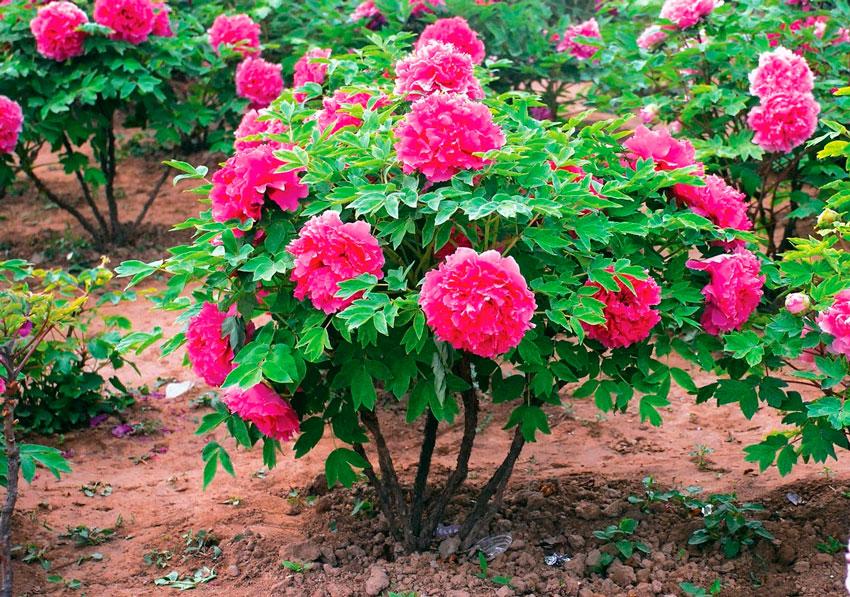
Soil composition and crop rotation
Peonies don't have any particular soil requirements and generally thrive in a wide range of soil types. However, perennials prefer loamy soil—which absorbs moisture but allows air and water to pass through easily. Soggy or waterlogged soils are not recommended for growing flowers, as they can lead to root rot. A slightly alkaline soil pH—between 5.8 and 7—is preferred for flowers.
Because peonies' root systems only develop fully in soft, loose soil, deep digging is necessary before planting. Failure to do so will result in roots growing laterally rather than inward. This will lead to the root system developing in the upper layers of soil, which quickly dry out, stunting the plant's development and reducing the gardener's ability to bloom. If the soil is poor, apply necessary fertilizers during deep digging.
Legumes and lupines are considered the best predecessors for peonies. Avoid planting peonies in areas previously occupied by similar crops until at least two years have passed. Furthermore, peonies do not thrive in areas previously occupied by large shrubs and trees, which have been draining the soil of nutrients for many years.


Groundwater level height on the site
If the groundwater level at your dacha is high, this will cause the peonies' roots to become waterlogged and rot. Therefore, choose a site on elevated ground for planting—at least 1 meter from the groundwater table is recommended. Otherwise, install a drainage system to remove excess moisture.
Blow-by protection
This perennial plant is extremely sensitive to drafts and strong gusts of wind. Therefore, peonies should be planted in wind-protected areas or provided with additional protection from drafts. It is recommended to plant taller plants around the bushes, but maintain a distance of 1 meter and ensure they do not block the sun.
Planting peonies
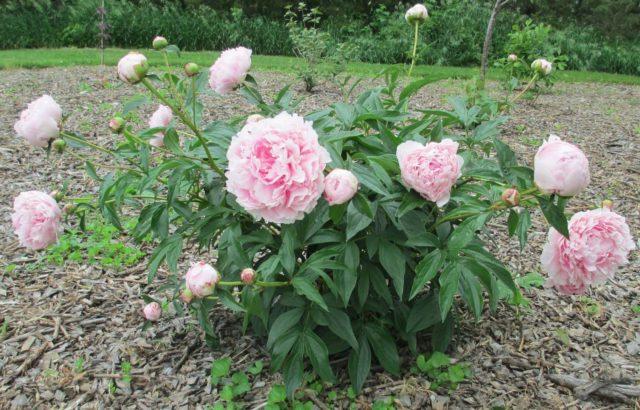
Planting peonies and caring for them isn't particularly difficult, but there are certain rules that must be followed to grow luxurious bushes that delight the gardener.
Optimal timing
Peonies are planted at different times, but experienced gardeners recommend doing this work in the fall.
In the spring
Planting peonies in the spring presents certain challenges. The buds have already begun to actively grow, which can cause the plant to die after transplanting. Spring planting is generally only used as a last resort, when the purchased plant material cannot be stored until autumn.
In this case, work begins as soon as the snow melts and the soil warms. Planting is usually done in early or mid-April. If you miss the deadline, the plant will not take root and may die.
In summer
The last days of August are the best time to plant peonies. If you start earlier, the shrubs won't take root.
In the fall
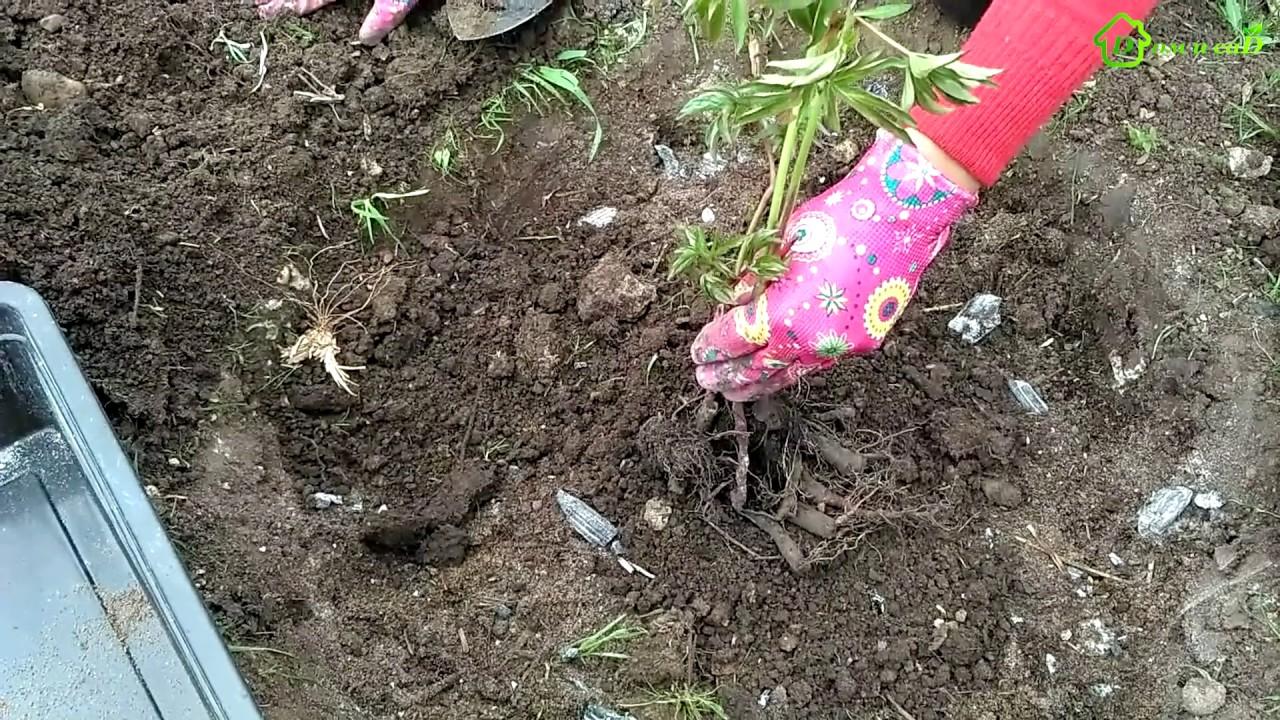
The best time to plant peonies is autumn. Depending on the growing region, this is September or October. In southern regions, there's no need to rush planting, as warm weather persists until the end of October. However, in northern regions, it's recommended to complete all work by the end of September.
Site preparation
The area where peonies will be grown should be prepared in advance—2-4 weeks beforehand. The soil should be dug to a depth of two spade depths, removing weed roots along the way. If the soil is not particularly fertile, additional fertilizer should be added—compost or a complete mineral complex.
Preparing planting material
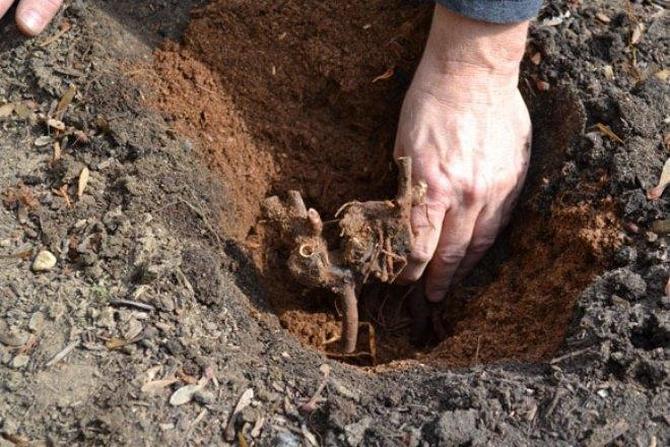
To help peonies establish quickly in their new location, they need to be prepared before planting. To treat the roots, prepare the following mixture: two Heteroauxin tablets, natural clay, and copper sulfate. Mix these ingredients into a paste, and dip the peony roots in it before planting them outdoors.
Seating plans and technology
Depending on the peony variety, planting holes are spaced at different distances. Otherwise, the process is virtually the same for herbaceous and woody plants.
Perennial herbaceous peonies
When planting herbaceous plant varieties, maintain a distance of 60 cm between the holes. The hole width should be approximately 50 cm.
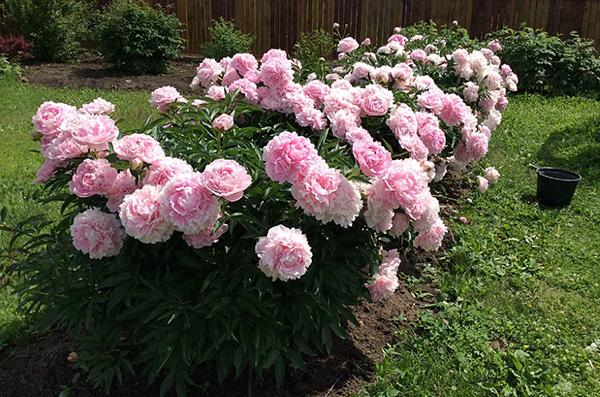
Further work is carried out according to the following instructions:
- A drainage layer consisting of broken brick or expanded clay is placed at the bottom of the dug hole.
- The soil removed from the holes is mixed with 150 grams of superphosphate, a liter of wood ash and a tablespoon of ferrous sulfate.
- Fill the hole two-thirds full with this mixture and place the peony seedling in it, carefully spreading the roots in different directions.
- Cover them with the remaining soil to a depth of 15-20 cm so that the growth buds are buried at least 10 cm deep.
- Water the plants generously and place a layer of organic mulch on top, which will protect the planted plants from freezing during the winter.
Shrub (tree) varieties
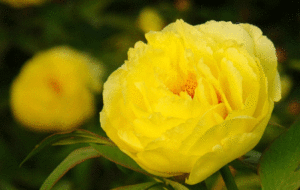
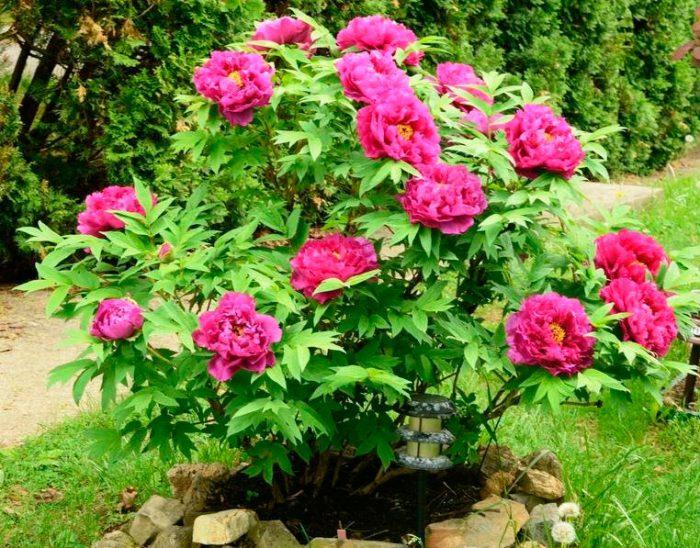
The only difference between planting tree varieties and herbaceous varieties is the size of the hole. The planting hole is 80 cm deep and 60 cm wide. Leave at least one meter between plants to ensure adequate root space and sufficient nutrients for the peonies. The rest of the process follows the same procedure as for herbaceous varieties.
How to care for a plant: recommendations and basic rules
The continued development of plants and the abundance of their blooms depend on proper agricultural care. Mandatory procedures include watering, root and foliar feeding, loosening and mulching the soil, pruning, preparing for winter, and preventative treatments against diseases and pests.
Watering regime
Each gardener determines the frequency of watering their peonies based on the weather. During the rainy season, there's no need to water the plants, but during hot weather, peonies require ample watering.
The first irrigation is necessary in early spring, as soon as the snow melts. Add 2 grams of potassium permanganate to a bucket of water and water the peony bushes with this solution. This solution disinfects the soil and promotes root and bud growth.

During the summer, water the plants every 10 days, using about 30 liters of water per mature plant. Don't forget to water the bushes in August, after the flowering period has ended.
Fertilizers: foliar and root
If all the necessary nutrients have been added to the planting hole, peonies will not require additional fertilization for the first 2-3 years. Subsequently, phosphorus-potassium fertilizers are added to support root growth and development, and nitrogen complexes are added to encourage bud formation.
However, nitrogen must be applied in small quantities, otherwise the growth of green mass will increase at the expense of flower set.
During the growing season, root feeding is carried out three times:
- The first time plants are fertilized is in early spring, even before the snow melts. Urea (15-20 g) and potassium sulfate (10-20 g) are scattered around the bushes.
- The second application of nutrients is necessary during the bud formation stage. Prepare a working solution of the following components: 15 grams of superphosphate, 10 grams of urea, and 15 grams of potassium sulfate. Dissolve them in a bucket of water and water the soil around the bushes.
- The last time the plants are fed is three weeks after flowering has finished. Use a potassium and phosphorus fertilizer dissolved in water for irrigation.
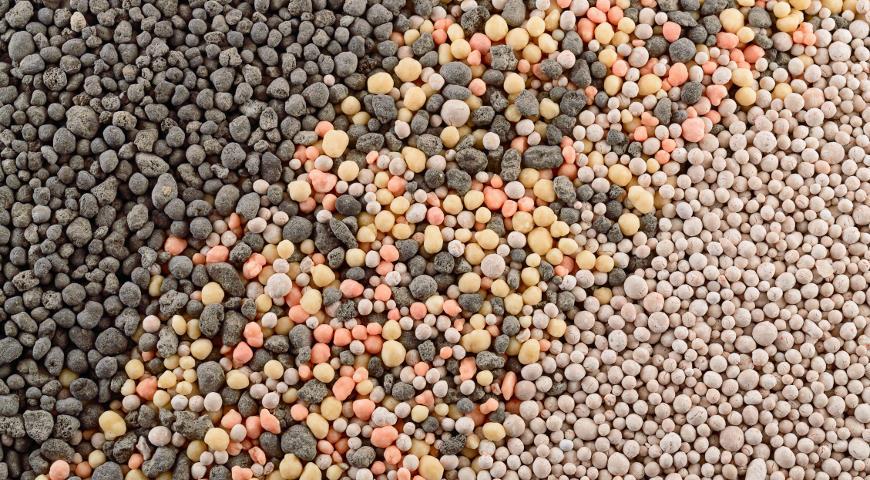
When applying nutrient complexes, remember not to sprinkle them on dry soil. This will burn the plant's root system, and the peonies will die.
Young bushes also benefit from foliar feeding with urea during the summer. Apply it three times, 15 days apart, when the first shoots appear.
Mulching, loosening
After each rainfall or irrigation, the soil around peony bushes needs to be loosened to prevent a dry crust from forming, which would prevent air from reaching the root system. This procedure is first performed when the green shoots have just emerged from the soil. This should be done carefully to avoid damaging the delicate stems. The soil should be loosened to a depth of no more than 5 cm during this period.
Subsequent times, when the plants have become stronger, deeper loosening is performed. This procedure promotes better oxygen and nutrient penetration to the roots. Along with loosening, weeds are removed, as they can cause infectious diseases and attract insect pests.

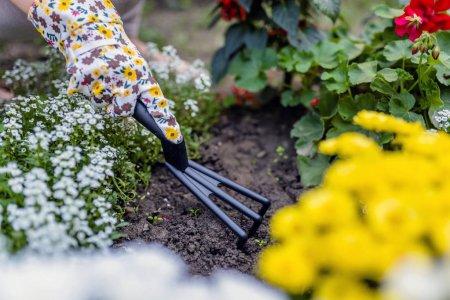
To protect peony roots from the scorching sun and excessive heat, mulch is essential. This also prevents soil erosion and maintains moisture in the tree's root zone. Organic materials such as tree bark, humus, or compost are used for this purpose. It is recommended to change the mulch layer monthly.
Shaping and pruning of the bush
Some peony varieties require additional support to prevent the stems from breaking under the weight of the buds. Bush shaping is generally not necessary; only branches growing inward and older specimens are removed. After flowering, faded buds are removed from the bushes to prevent them from spoiling the decorative appearance of the flowerbed. Leaves are left alone, as they provide nutrition for future buds.
Pruning of bushes begins in the fall, adhering to the following recommendations:
- Work begins in the second half of October, when the first frosts arrive.
- The entire above-ground part of the bush is cut off, leaving small stumps about 5-7 cm high.
- All trimmed parts are immediately removed from the site and disposed of there. Failure to do so will result in a large number of insect pests breeding on the property, which overwinter in plant debris.
- If the cuts look very dry, the soil around the bush is generously moistened.
- Add fertilizer in the form of wood ash or bone meal.
- The stumps are sprinkled with peat, this will protect the roots from freezing during the winter.

Protection from pests and diseases
Viral diseases are considered the most dangerous for peonies. Their main cause is the purchase of already infected material. Mosaic, or ringspot, disease is incurable, so infected plants are dug up and destroyed outside the garden. To prevent viral infestations, insect control is practiced in the garden, as they can transmit diseases from flower to flower.
Fungal diseases that commonly affect peonies include gray mold, phyllostictosis, cladosporiosis, and powdery mildew. These diseases are controlled with Bordeaux mixture and fungicides.
Aphids are a common pest on peonies; they suck the sap from the leaves, causing them to curl and dry out. If the pests are few in number, they can be washed off the bushes with a jet of water. Otherwise, insecticides such as Actellic are used.
Preparing the flower for winter
After autumn pruning, peonies begin preparing for the cold weather. To do this, add compost to the bushes and mulch the surrounding soil with peat. If winters in the growing region are frosty, cover the plants with spruce branches or any non-woven material.
What difficulties do beginning gardeners face?
Inexperienced gardeners face certain challenges when growing peonies. For example, if the site is shaded, the bushes develop slowly, and the buds form small. A lack of abundant blooms can also result from failure to adhere to the fertilization schedule. Without adequate nutrients, it's impossible to grow strong and healthy bushes.
Related posts:
 Descriptions and characteristics of all varieties of peonies, varieties and names of the best
 TOP 20 Itoh Peony Varieties and Their Characteristics, Planting and Care Guidelines
 Planting and caring for tree peonies: the best varieties and growing mistakes
 Winter preparation guidelines for peonies by region, timing, and care
 The best time for transplanting peonies, schemes and technology of implementation
 Top 11 Coral Peony Varieties and How to Grow Them
 Description and characteristics of the Sarah Bernhardt peony variety, planting and care instructions
 Description of the hybrid peony variety Bartzella, planting and care instructions