
- General description and characteristics of the moonflower
- The most popular varieties
- Advantages and disadvantages
- Specifics of growing ornamental crops
- Location
- Planting material
- The landing process
- Features of flower care
- Watering the plant
- Spraying
- Soil
- Flowering and replanting
- Top dressing
- Methods of combating diseases and pests
- Reproduction
- Use in landscape design
Moonwort is an unassuming garden plant. It doesn't stand out with its brightly colored flower heads. Its beauty is subdued. The fragrant inflorescences consist of small white or lilac-violet flowers. In autumn, the plant's seed heads make a striking appearance. The seeds are used in folk medicine to treat ailments. Below is information on the specifics of growing moonwort, its advantages and disadvantages, and its use in landscape design.
General description and characteristics of the moonflower
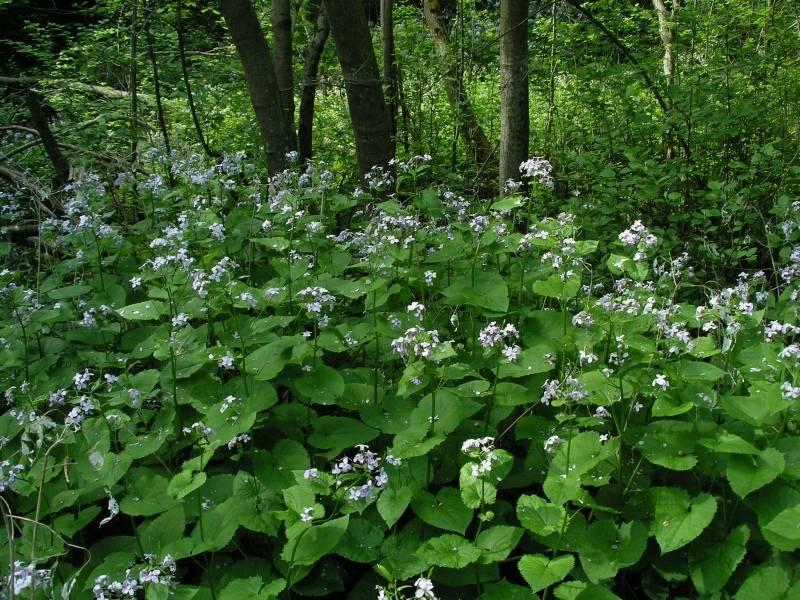
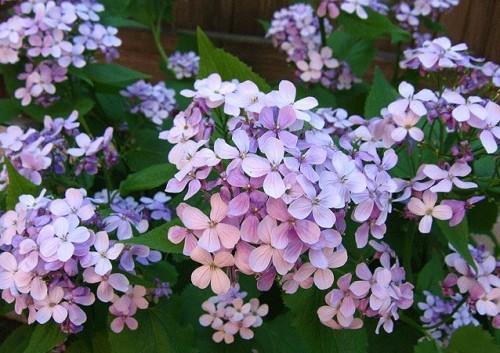
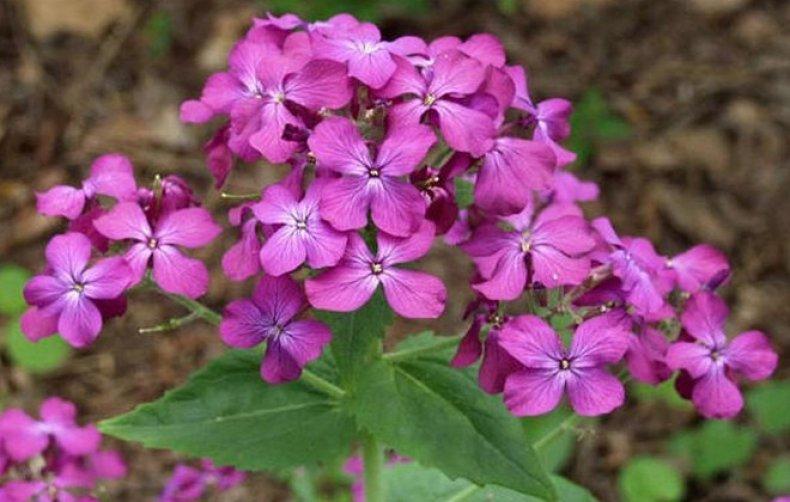
Lunaria, or perennial moonwort, is a herbaceous plant growing 30-100 centimeters tall. The erect stems are covered with white hairs. The leaves are dark green, heart-shaped, with serrated edges. Flowers are lilac-violet or white, gathered in corymbose inflorescences. The buds open in April. During this period, the plants emit a delicate, fragrant aroma. Flowering lasts about a month, after which seed pods form.
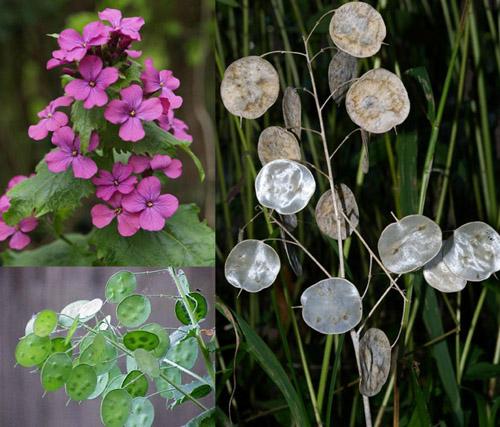
The pods are elliptical. They are thin, translucent, and coin-like. They resemble the moon, hence the plant's name. Lunaria annua also exists in the wild.
The most popular varieties
Several varieties of moonflower are suitable for growing in the garden. The most popular are:
- Alba. This is an annual moonflower. It has beautiful white flowers that bloom in May.
- Munstead Purple. The buds are purple. The bushes emit a strong fragrance during flowering.
- Elongata. This variety of perennial moonflower is rarely found in the wild.
- Purple. The plants have lilac-colored petals on their buds.
- Variegata. The leaves of this cultivar are variegated, and the flowers are pinkish-purple.
After flowering, seeds form. They are hidden in gray-yellow plates, which look very impressive on plants in the fall.
Advantages and disadvantages
The positive qualities of lunaria include the following characteristics:
- beautiful appearance;
- delicate aroma;
- ease of care;
- can be used as dried flowers;
- beneficial properties that allow the plant to be used in folk medicine.
No significant disadvantages were found in Lunaria.
Specifics of growing ornamental crops
Lunaria is planted in the area using seedlings or seeds, which require at least 2 months of cold conditions.
Location
Moonberry prefers shady locations. Too much light can cause the plant to dry out. The soil should be loose and well-drained. Depleted soil can be supplemented with minerals, compost, and peat. To ensure adequate air circulation, the soil should be dug to a depth of 20 centimeters before planting.
Important! Moonwort should not be planted after crops of the cruciferous family, which include cabbage, radish, horseradish, mustard, stock, aubrieta, and iberis.
Planting material
Lunaria is planted from seeds or seedlings. It blooms in the second year after planting. Lunaria seeds require stratification. Therefore, they are refrigerated for two months and then sown in the spring. If the seeds are planted in the fall, they will undergo natural stratification.
The landing process
In spring, the seeds are laid out in shallow furrows and covered with soil. The emerging seedlings are thinned out, leaving 30-35 centimeters between plants. By the end of summer, the bushes will have grown, but they will not bloom until the following spring.
Features of flower care
Caring for the lunaria involves timely watering, fertilizing, loosening the soil, and removing weeds. To prevent diseases and pests, the bushes are sprayed with special preparations.
Watering the plant
Water Lunaria moderately. Excess moisture promotes the growth of pathogenic microflora on the roots. However, care must be taken to ensure that the soil layer does not dry out too deeply. Water the plant in the morning or evening. Use warm, settled water.

Spraying
Lunaria vivifera bushes don't require high humidity. Therefore, spraying with plain water is not necessary. Lunaria is a resilient plant, but under unfavorable conditions it can be susceptible to diseases and pests. Therefore, as a preventative measure, the bushes are sprayed with fungicides and insecticides.
Soil
Moonberry is planted in loose, fertile soil. If the soil is depleted, add nutrients. You can prepare the substrate yourself using the following ingredients:
- turf and leaf soil;
- humus;
- peat;
- sand.
Lime is added to acidified soil. To allow air to reach the roots, the soil around the plants should be loosened after watering.

Flowering and replanting
Lunaria blooms heavily in May. Depending on the variety, the petals of the buds range in color from white to lilac-purple. Flowering occurs in the second year after planting. By autumn, seed heads form. Lunaria revivifera can grow in the same location for many years. If repotting is necessary, it should be done in late summer or early fall. For the winter, the bushes are insulated with organic mulch and covered with spruce branches.
Top dressing
Lunaria is fertilized several times per season. In the spring, before flowering, nitrogen fertilizers are applied to boost foliage. Mineral fertilizers are then used to promote flowering and maintain healthy growth. Lunaria is fertilized once a month until midsummer. Nutrients are added to moist soil.
Methods of combating diseases and pests
The genus Lunaria has a strong immune system, but under unfavorable conditions it can be susceptible to diseases and pests. One way to prevent these is to avoid planting in areas previously occupied by members of the Cruciferae family. Otherwise, the bushes may become susceptible to flea beetles, aphids, and cabbage moths. These harmful insects can be controlled by spraying with insecticides.
Overwatering can cause fungal infections in the root system. To prevent this, plant the crop in loose soil and add drainage to the bottom of the planting hole. Spraying the plants with fungicides several times a season is acceptable.
Important! Chemical treatments are prohibited during the flowering period, as they may kill the nectar-collecting bees.
Reproduction
Moonberry is propagated by seed or vegetatively. To use the latter method, the roots are dug up in late summer and replanted in a new location. The planting area is covered with mulch for the winter.
The best time to use the seed method is in the fall. Before the onset of frost, the seeds are planted in 5-centimeter-deep furrows and covered with soil. Over the winter, the seedlings will undergo the necessary stratification in natural conditions.
Use in landscape design
Lunaria is an indispensable plant for a shady garden. Only in the shade will it truly reveal its full beauty. For this purpose, lunaria is planted under tree canopies or in other locations that rarely receive bright sunlight. It can be planted alone or used in a mixed border with other shade-loving plants.
Related posts:
 The best grape varieties for growing in the Urals, planting and care rules in summer
 How to propagate and grow peas, cultivation technology, and care in open ground
 How to properly plant peas in a greenhouse and open ground
 Description and cultivation of the 15 best cherry plum varieties for the Moscow region, planting and care rules
 Description of varieties of sowing peas and cultivation, to which family they belong
 Methods for planting and propagating cherries at home
 Rules for planting and caring for cinquefoil in open ground, growing and pruning
 Growing and caring for hazelnuts in open ground, rules for planting hazelnuts