
A perennial ornamental shrub in the Buttercup family, columbine, will be a stunning addition to any garden. Choosing a plant to your liking is easy; breeders have developed dozens of varieties. To ensure abundant blooms, columbine requires comprehensive care, timely pruning, and preparation for winter.
Preparing columbine for winter
Aquilegia is a cold-hardy perennial shrub and, according to some gardeners, requires no additional winter protection. The degree of winter protection depends on the region's climate. In areas with harsh climates and low snowfall, it is recommended to insulate and prepare all aquilegias for frost, while in temperate continental climates, only young plants require protection.
Note: The older the columbine bush, the more cold-hardy it is.
You can create a cover for the plant from improvised materials, such as spruce branches, or purchase a special non-woven covering material from a specialty store.
Additionally, it's necessary to protect the columbine's root system. The area around the trunk is loosened, hilled, and covered with humus and last year's leaves or sawdust.
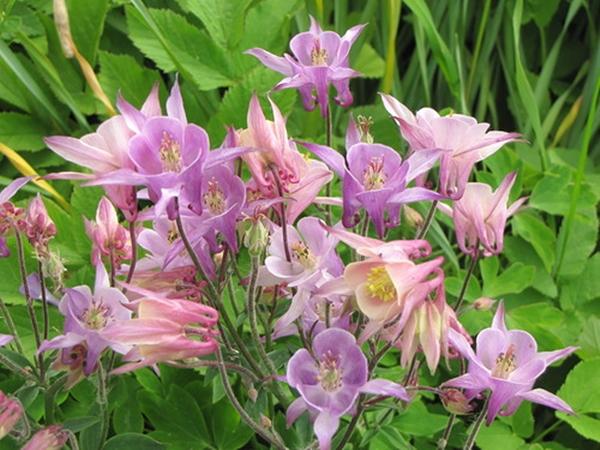
Should I prune the plant for the winter?
Winter pruning should be gentle. Dry, dead, and deformed stems are removed, thereby ensuring the bush is cleaned for health.
The height of the above-ground parts after pruning should be 7 centimeters. The rhizome is carefully covered with soil and humus, and mulched.
Timing and rules for pruning
Shrub pruning for winter is done in the fall, in early October. Here are the pruning guidelines:
- First of all, sanitary pruning is carried out.
- The plant is trimmed with sharp pruning shears.
- The shoot should rise above the ground at a distance of no more than 10 centimeters.
- The rhizome is insulated with humus and leaves.
It is not recommended to prune shrubs too early, in September, as during a long, warm autumn, columbine may produce new shoots.

Preparing covering materials for wintering columbine
Natural materials, such as spruce branches and last year's leaves, provide optimal and reliable cover for plants during the winter. Furthermore, such materials are environmentally friendly, biodegradable, and do not harm ecosystems or the environment.
In regions with little snow in winter, it's important to insulate the columbine rhizomes. Humus, leaves, and wood shavings can be used for this purpose. The upper part of the plant is covered with spruce branches, plastic containers, or special non-woven agrofibre.
The best non-woven material for winter shelters is spunbond or lutrasil. Gardeners often use burlap or fine plastic mesh.
Covering shrubs with spruce branches has a significant drawback: the spruce branches are in close contact with the plants, and if the snow melts rapidly, they can damage the young columbine buds. Furthermore, mice are active under the "spruce houses" in winter, which can damage the stems and root systems of ornamental plants.
It's also important to remember that when choosing a synthetic covering material, pay attention to its breathability. Excessive moisture and lack of air circulation can cause the growth of fungi and bacteria under the cover, which can lead to rhizome rot or insect infestation.

Covering the flowerbed
In the fall, after all the preparatory gardening work has been completed in the flowerbeds, the gardener begins covering their favorite shrubs for the winter. After insulating the columbine roots with humus and leaves, the gardener decides on the covering material and prepares it for use.
Spruce branches are carefully laid on top of the trimmed plants; the material can be pressed down with staples or stones; old columbine bushes are secured with twine.
If the plants are young, plastic pots can be used as covers; these containers are convenient and don't come into contact with the buds of the shrubs. The non-woven agrofibre should be secured with staples, pegs, and twine.

What to look out for
Protecting plants for the winter is an important step in caring for your garden. To ensure the plant quickly recovers from the winter cold and emerges from dormancy in the spring, it's important to take care of this in the fall. What should you pay attention to when preparing young aquilegia bushes for frost? Basic rules:
- Be sure to insulate the rhizome with humus and last year's leaves.
- In summer, faded flower stems are cut down to the very root.
- Remove root shoots and excess additional shoots.
- Before covering the above-ground part, treat the bushes and soil with a solution of potassium permanganate, iodine or brilliant green.
- The best covering for flowers is a material that can provide air circulation to the plant and regulate the humidity balance.
To ensure your favorite shrub blooms abundantly next year, don't neglect autumn gardening in your flowerbed. Columbine should be pruned, the rhizomes should be covered with compost, and the above-ground portion of the plant should be covered with agrofibre or spruce branches. In the spring, with the first rays of sun, the covering can be removed.
Related posts:
 Planting and caring for columbine at home, the best varieties and growing rules
 Rules for planting and caring for terry columbine, the best varieties and cultivation secrets
 Caring for hosta in autumn and preparing for winter, how to prune and cover
 Causes and treatment of eggplant pests and diseases, how to combat them at home
 Growing and caring for hazelnuts in open ground, rules for planting hazelnuts
 When is the best time to prune roses in the fall and how to do it, and the timing of preparation for winter by region.
 The best ways and methods for properly covering grapes for the winter
 Winter preparation guidelines for peonies by region, timing, and care