
- Why doesn't the chrysanthemum bloom?
- Age of the bush and variety
- Climate and location of the landing site
- Incorrect watering during budding
- Poor soil
- Lack of flowering as a factor in diseases and insect infestations
- Root rot
- Septoria
- Baldness of buds
- Rust
- Aphid
- Scale insect
- Spider mite
- How to stimulate chrysanthemums to bloom
- Rules for choosing a site for a plant
- We are setting up watering
- Feed the bushes in a timely manner
- Preventive and curative treatments
- Winter holidays
- Artificial stimulation of flowering: drugs and folk recipes
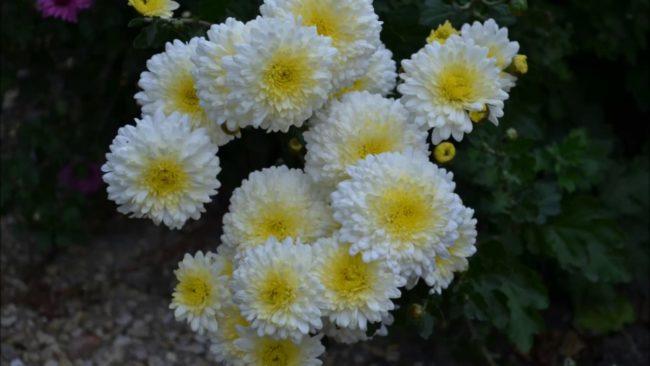
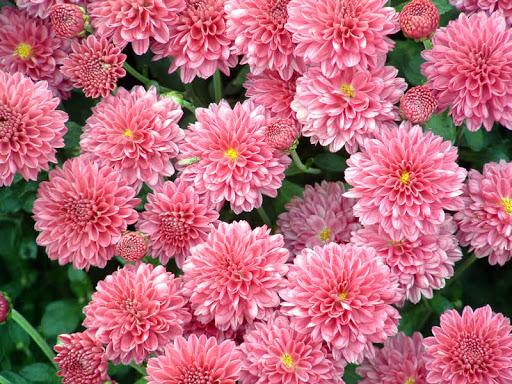
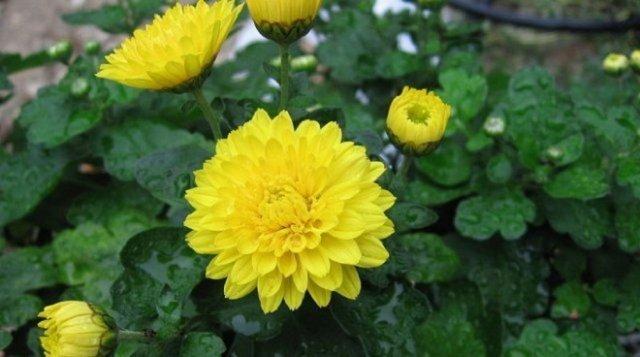
Chrysanthemums are autumn flowers that adorn garden plots long after other plants have faded. With proper care, they will reward you with a decorative appearance and abundant blooms. However, sometimes gardeners encounter the problem of chrysanthemums failing to bloom outdoors. It's important to understand the reasons for this before you begin growing them.
Why doesn't the chrysanthemum bloom?
If there are no flowers on your chrysanthemum bushes, you need to find out the cause and correct any mistakes in caring for the plants.
Age of the bush and variety
One of the main reasons for bushes not producing flowers is a mistake in choosing the right variety. Specific varieties have been developed for specific climates, adapting well to their growing region and delighting gardeners with their decorative appearance. Late-blooming varieties don't have time to form buds in cold climates with early winters. Therefore, when purchasing a chrysanthemum bush, it's important to know what region it's intended for.
The lifespan of a garden chrysanthemum is no more than 10 years, but during this time it is recommended to rejuvenate it and replant it. If this procedure is not carried out regularly, the number of buds will decrease over time, and soon the plant will stop blooming altogether.
Climate and location of the landing site
Some varieties of garden chrysanthemums brought from warmer climates fail to bloom outdoors in our climate. Therefore, it's recommended to choose varieties specifically bred for a specific region for planting in your garden. In colder climates, many chrysanthemum varieties fail to bloom outdoors if planted in the shade. Korean hybrids are ideal for our climate.
As a rule, they bloom equally profusely in both the southern and northern regions.
Incorrect watering during budding
Inexperienced gardeners often make mistakes in their gardening practices, which impacts the flowering of their bushes. Overwatering when chrysanthemums are just beginning to bloom causes the stems and leaves to grow too quickly, while bud formation is delayed.
Poor soil
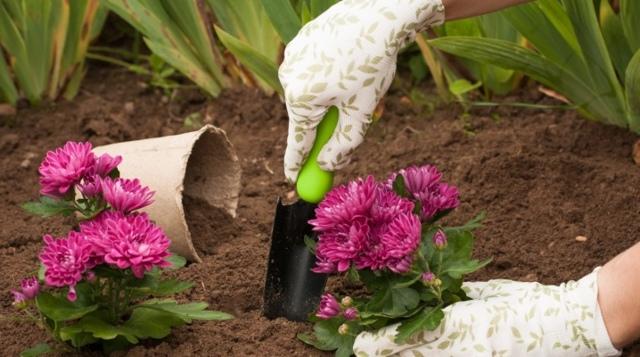
To develop flower buds, chrysanthemums require nutritious soil containing the essential micronutrients needed for bud formation. The soil in which the plants grow for several years becomes poor, as the chrysanthemums draw all the nutrients from the soil. In this case, it is recommended to transplant the plants to a new location and apply the required fertilizer.
Lack of flowering as a factor in diseases and insect infestations
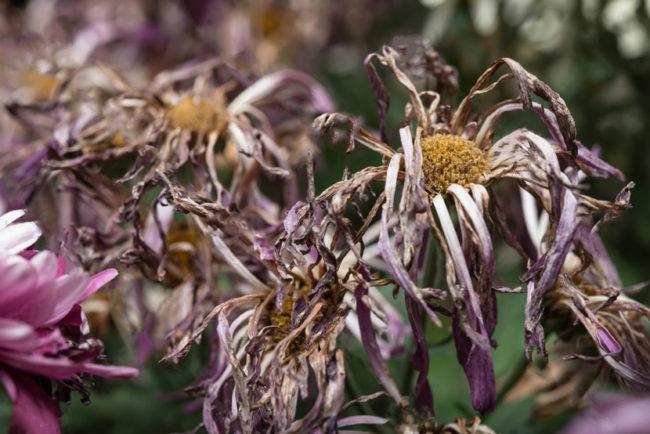
In the absence of preventative treatments and violation of agricultural practices, chrysanthemums are affected by diseases and pests, which lead to a lack of abundant flowering.
Root rot
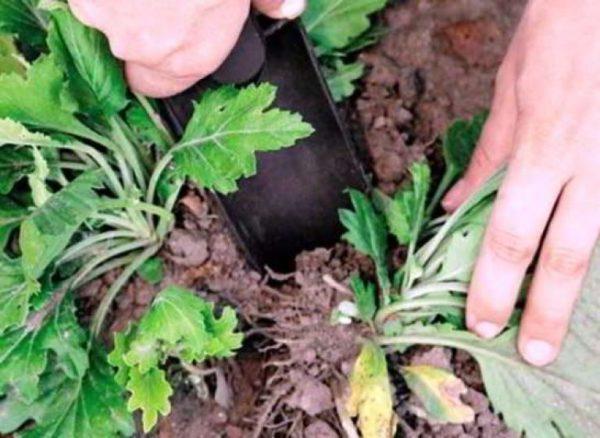
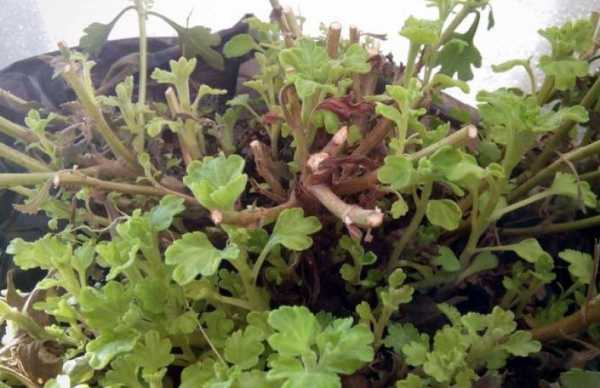
Root rot is caused by fungi of the genus Rhizoctonia solani Khun. After infection, dark spots appear on the plant's roots, gradually increasing in size. The fungus spreads from the roots to the stems, causing the chrysanthemums to wilt and die. If a gardener notices that the chrysanthemums are missing buds during flowering, they should dig up the plant and carefully inspect its roots. If the disease has only just begun to affect the flower, remove the damaged parts, treat the cut surfaces with fungicides, and then replant the plant in another location.
Septoria
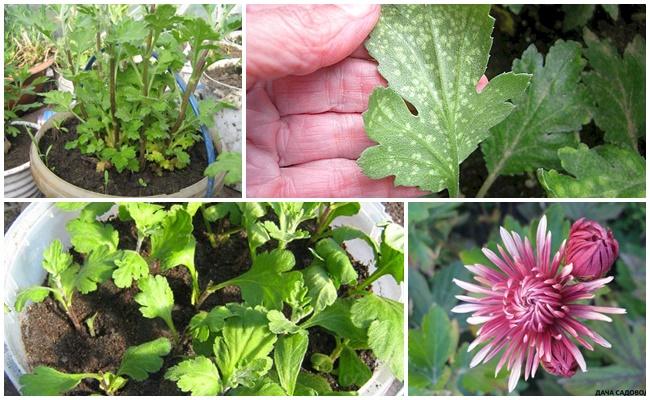
White leaf spot, or septoria leaf spot, is also a fungal disease. Initially, white spots appear on the lower leaves of chrysanthemums. As the disease progresses, the leaf blades turn dark brown, curl, and dry out. High humidity and poor ventilation are considered ideal conditions for the fungus to thrive.
In the early stages of the disease, simply pluck off the damaged lower leaves and treat the plant with a fungicide, such as Fundazol. If the fungus has spread extensively, it is recommended to completely remove the bush from the area to prevent infection of other crops.
Baldness of buds
With this problem, chrysanthemum buds remain underdeveloped and unopened, appearing bald. This occurs when the plant lacks nutrients during preparation for flowering. Deformed buds are removed from the bush immediately, as the plant will continue to produce bald flowers. Fertilizers are then added to stimulate bud formation.
Rust
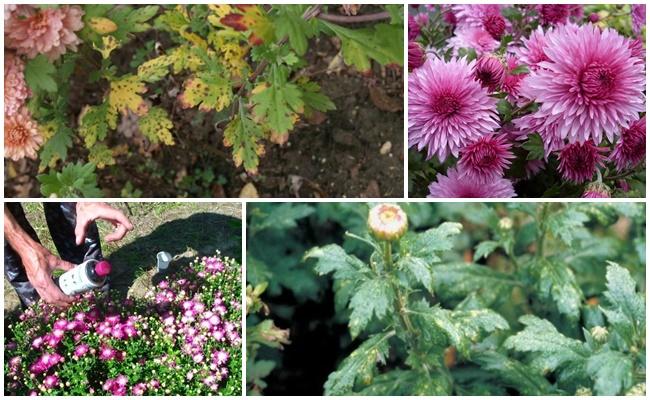
White rust of chrysanthemums appears as small, light-yellow spots on the leaves. Less commonly, the disease attacks the stems of chrysanthemums. Over time, the leaf blades die, and necrotic spots appear on the buds. Because the disease spreads quickly and is untreated, affected chrysanthemums are dug up and burned outside the garden.
To avoid disease, it is recommended to purchase chrysanthemum seedlings only from nurseries or gardening stores.
Aphid
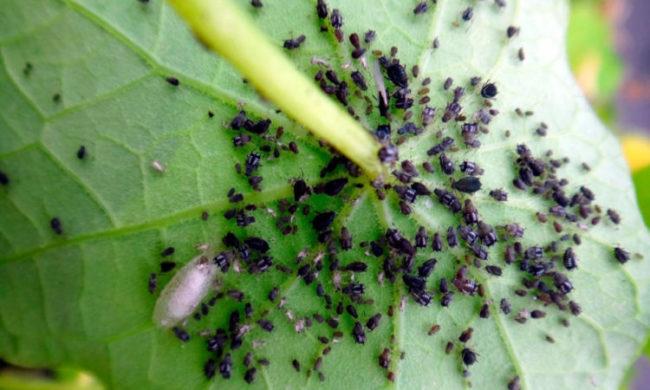
Typically, two types of aphids are found on garden chrysanthemums: brown and greenhouse. The former does not damage the buds or affect the abundance of blooms, but only pollutes the center with their waste products. The greenhouse variety is pink or green in color and infests the undersides of leaf blades and buds.
Since the pest feeds on the plant's cell sap, after some time the chrysanthemum weakens and stops blooming.
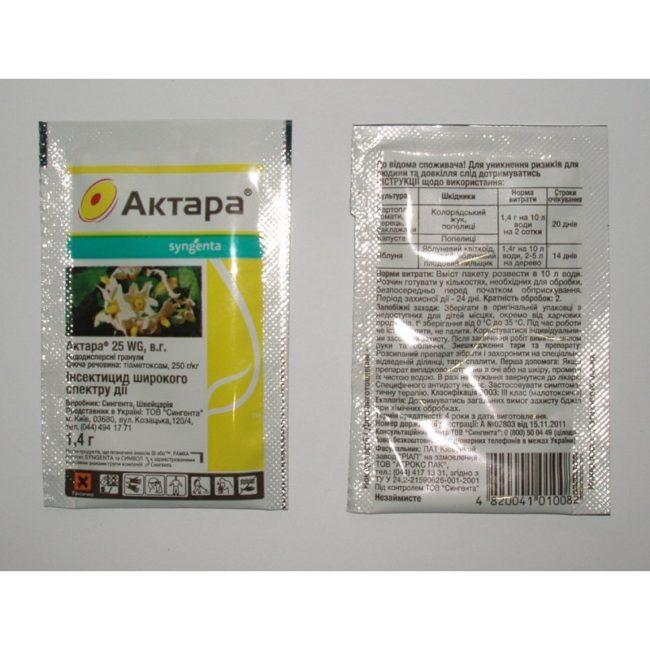
To get rid of the insect, use insecticidal acaricidal products such as "Aktellik" or "Aktara." A solution consisting of green soap (200 g) and copper sulfate (20 g) is also effective.
Scale insect
The pests settle on the leaves of chrysanthemums and suck their sap. As a result, the plant withers and stops forming new buds. If the scale insects aren't detected promptly, they will destroy the entire mature plant within a week. If there are only a few pests, you can remove them by hand. Otherwise, treat the chrysanthemums with Aktara, dissolving the product in water according to the instructions.
Spider mite
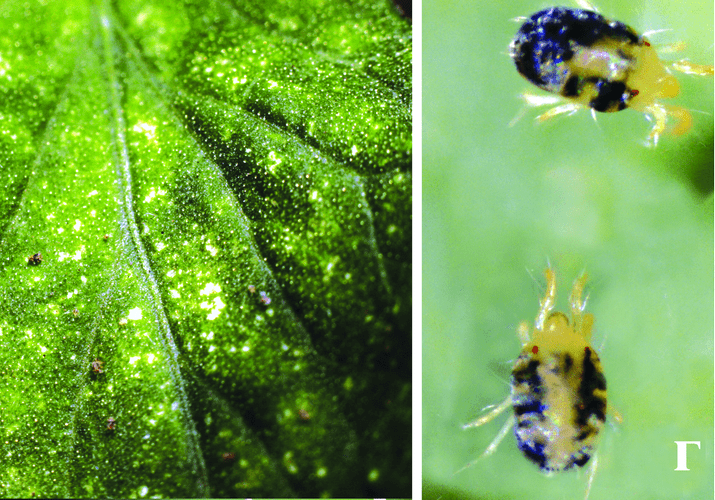
This pest is especially common on chrysanthemum bushes, as it loves to feed on the sap of these plants. Spider mites first appear on the underside of the leaf blade and lay eggs along the veins. These voracious insects destroy the leaves within a few days, and the plant not only fails to produce flowers but also dies completely.
If the pests are few in number, folk remedies can be used, such as garlic infusion or a solution of laundry soap. In severe cases, chemical treatments are essential, such as Fitoverm or Neoron.
How to stimulate chrysanthemums to bloom
To ensure your bushes bloom abundantly, it's important to properly manage your agronomic care and regularly carry out disease and pest prevention.
Rules for choosing a site for a plant
To ensure the plant develops fully and produces flower buds, it should be planted in a sunny location on a slightly elevated site. Chrysanthemums dislike shady garden spots and areas with low groundwater levels. Therefore, if situating the bushes on a hill is not possible, a drainage layer should be created using broken brick.
We are setting up watering
Chrysanthemums prefer regular, but not excessive, watering. Excessive moisture can cause fungal diseases. Water the flowers with warm, settled water until they begin to bloom. Once buds begin to form, watering should be stopped and resumed only after the flowering period has ended.

Feed the bushes in a timely manner
To encourage chrysanthemums to bloom earlier, apply nutrient complexes that stimulate bud formation. The first feedings are applied before budding begins. It's also important to feed the plants during flower formation and after flowering.

The first fertilizer application should contain a higher dose of nitrogen, which is responsible for the growth of foliage and stems. During the flowering period, fertilizers containing potassium are used. To promote abundant flower formation, use the "Bud" regulator, spraying the chrysanthemums twice, two weeks apart.
Preventive and curative treatments
As a preventative measure, it's recommended to regularly weed and destroy weeds outside the garden. It's also important to dispose of fallen leaves from trees if chrysanthemums are grown in the garden. Before planting, the soil should be treated with a fungicide or potassium permanganate solution to disinfect and kill fungi. During the growing season, plants should be sprayed with biological fungicides twice as a preventative measure.
Winter holidays
Winter dormancy requirements vary depending on the chrysanthemum variety. Some varieties are dug up before the onset of cold weather, while others remain in the open ground under cover to overwinter. If the flowers aren't dug up, soil is raked up to them and covered with dry sawdust or spruce branches. If the plants aren't insulated for the winter, they won't bloom abundantly come summer.
Artificial stimulation of flowering: drugs and folk recipes
You can speed up bud formation and encourage chrysanthemums to bloom using special preparations or folk remedies. Among chemical treatments, the following are preferred:
- "Bud";
- Ripen;
- Bio Bloom;
- Cannabiogen Delta;
- Hesi Super Vit;
- TopMax.
If you don’t want to use chemicals, make a composition from natural ingredients:
- Young nettles are collected before the seeds form.
- Place it in a bucket so that it takes up 2/3 of the capacity.
- Pour warm water to the top and cover with a lid.
- The fermentation process takes from 5 to 10 days, depending on weather conditions.
After this, the resulting composition is diluted with water in a ratio of 1 to 10 and the chrysanthemums are generously watered after each application of nutrients.
Related posts:
 Descriptions and characteristics of chrysanthemum species and varieties, growing rules
 Top 10 Chrysanthemum Varieties, Planting and Care Guidelines for Outdoor Plants
 How to properly prepare chrysanthemums for winter and storage methods by region
 Planting and care guidelines for the Multiflora chrysanthemum and the top 9 beautiful varieties
 Top 15 Korean Chrysanthemum Varieties, Planting and Care in the Open Ground
 The best time and rules for transplanting chrysanthemums to another location in the fall, care
 Timing and methods of propagating chrysanthemums at home, their cultivation
 The ripening time of grape vines by variety, how to speed up the process, and what to treat the plant with