
- Benefits of Growing Chrysanthemums
- Methods and step-by-step instructions for flower propagation
- Cuttings
- When can a bush be propagated by cuttings?
- Harvesting time and rooting technology
- Planting and caring for cuttings
- Sowing seeds
- When and how to collect seeds
- Timing and sowing patterns
- Dividing the bush
- We propagate plants by layering
- The nuances of propagating bouquet chrysanthemums
- Choosing a flower
- Prepare the pot and soil mixture
- Planting and further care
- Mistakes of novice gardeners
Chrysanthemums are beloved for their long and abundant autumn blooms, their low maintenance, and their frost resistance. They are easily propagated by layering, division, seeds, and cuttings. Each method has its advantages. Below are step-by-step instructions for propagating chrysanthemums, including some common mistakes made by novice gardeners.
Benefits of Growing Chrysanthemums
Garden chrysanthemums are easily propagated vegetatively. This procedure offers the following advantages:
- accessibility of the procedure;
- the ability to obtain a large number of young bushes;
- propagation can be carried out from spring to late autumn;
- all parental cultural traits are preserved;
- This way you can save a diseased rare variety of chrysanthemum.
Please note! Vegetative propagation preserves the parental characteristics of the variety.
Methods and step-by-step instructions for flower propagation
Chrysanthemums are propagated by seeds, cuttings, division, and layering. The gardener chooses the most suitable method.
Cuttings
This is one of the most effective methods of propagating the crop. If done in spring, flowering will occur the same year. This method preserves all the parental traits of the variety. The mother plants are bushes with strong shoots, free from diseases and pests.

When can a bush be propagated by cuttings?
Early chrysanthemum varieties, depending on the region, are propagated in late March or early April. Late-blooming plants can be propagated by cuttings in late April or May. Additionally, stems can be pruned repeatedly throughout the summer. After this procedure, the plant begins to bush out better. The cuttings are used for propagation.
Harvesting time and rooting technology
In the fall, select strong, healthy bushes with woody shoots to serve as mother plants. When frost sets in, cut back the above-ground portions, leaving stumps 5-10 centimeters high. Dig around the bushes on all sides and remove them from the soil. Place them in a container, sprinkle with substrate, and store in a cool place.
In the spring, a large number of new shoots will appear. Large-flowered chrysanthemums, depending on the variety, will produce 8-16 cuttings indoors, while small-flowered varieties will produce 20-30. During the winter, the bushes should be inspected and sprayed with water as needed.
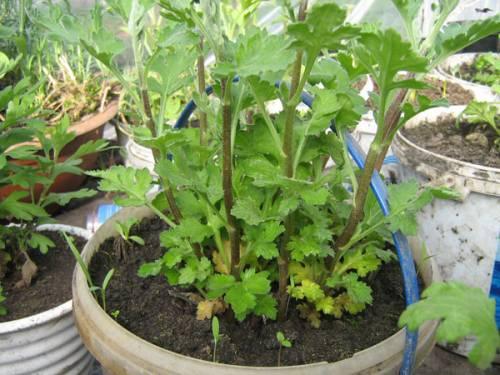
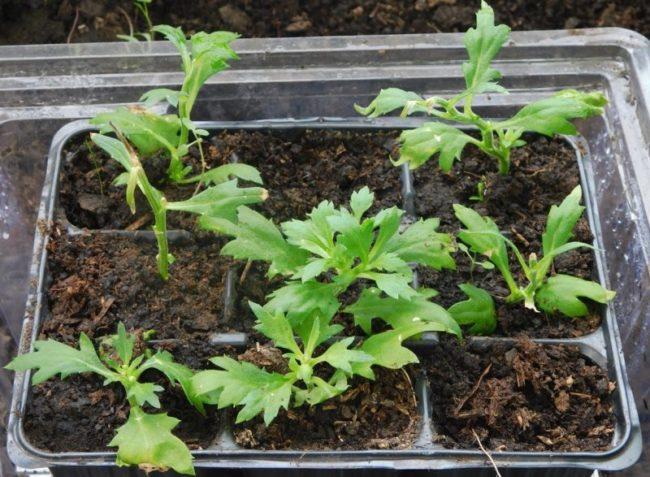

At the end of winter, the container with the plants is moved to a warm place. In about a week, new shoots will begin to appear. When the shoots reach a height of 7 centimeters, they are cut back. A couple of leaves should remain on the stumps. The young cuttings are planted in a separate container, and the bushes are once again used as mother plants. Another method of propagation is by planting them in the ground along with the emerging roots. To do this, the young bushes are carefully separated from the mother plant and from each other by hand in the spring.
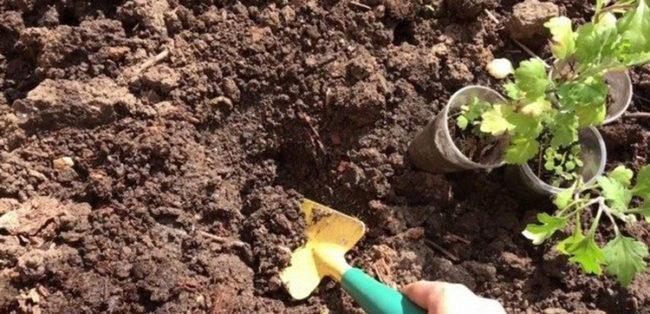
The root system is sprinkled with Kornevin. The shoots are then pre-planted in small pots or directly into the ground.
Planting and caring for cuttings
If propagation is done in the spring, take cuttings 7-8 centimeters long. Smaller green sections may rot in the soil. In summer, shoots are semi-woody, so take cuttings 5-6 centimeters long. They should have 3-4 leaves.

To root cuttings, follow these steps:
- a mixture of peat and sand is poured into the container;
- the lower leaves are removed;
- the cut is powdered with a growth enhancer;
- cuttings are planted in the substrate to a depth of 1-1.5 centimeters;
- the container is covered with film.
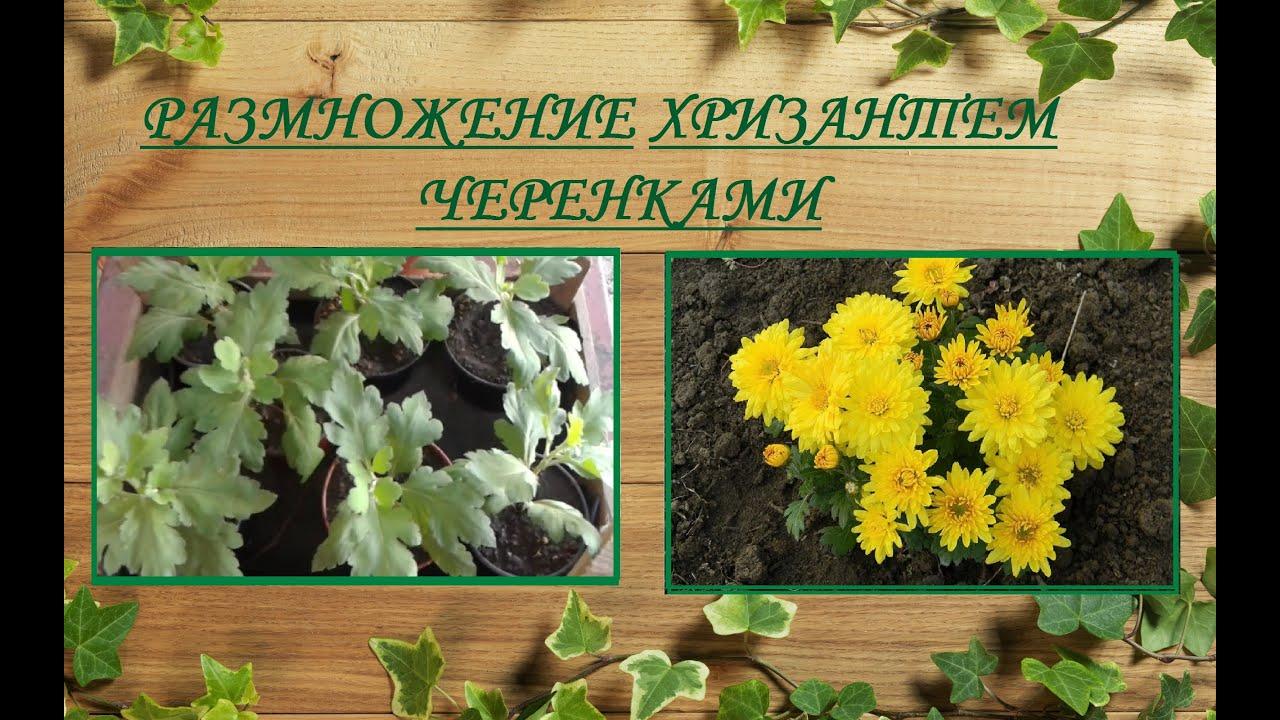
When roots begin to form, remove the covering. Water the bushes as needed. Once the plants begin to grow, fertilize with mineral fertilizer. If the cuttings were planted too close together, thin them out, leaving 8-10 centimeters between them.
Sowing seeds
Chrysanthemums can be grown from seed, but this propagation method is not very common among gardeners. It is usually used by breeders. The process is time-consuming and labor-intensive. While this method can be used to propagate the plant, it may not convey all the parental traits stated in the variety's specifications.
When and how to collect seeds
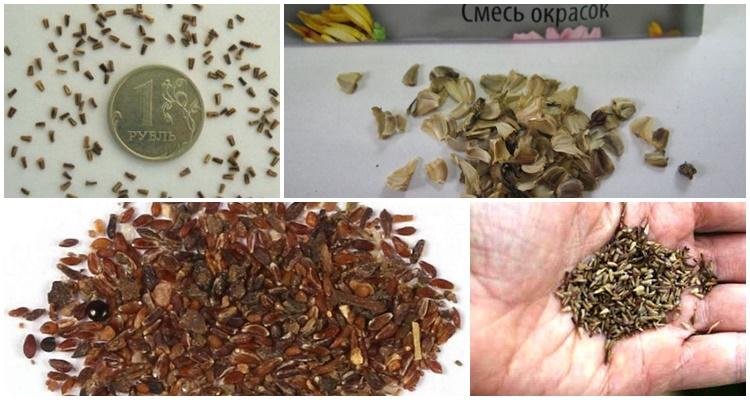
Flowers with seeds can be harvested after the petals turn brown. This occurs in late autumn. The seeds are left to ripen in a dry place and then harvested. After this, the germination rate of the seeds increases significantly.
Timing and sowing patterns
Chrysanthemums can be grown using either direct or direct seedling methods. In the direct method, seeds are sown directly into the soil at the end of May. This method is suitable for annual chrysanthemums. To do this, dig holes 30 centimeters apart. Plant 2-3 seeds, water, and cover with soil.
To create greenhouse conditions, the area is covered with plastic film. When seedlings emerge, the covering is removed. One strong bush is left in the hole, and the others are removed. The crop receives the necessary care throughout the season. The seedling method is used in late winter as follows:
- the seeds are disinfected in a solution of potassium permanganate and dried;
- a light substrate consisting of peat and sand is poured into the container;
- sow the seeds, pressing them lightly into the ground;
- spray with water from a spray bottle;
- cover with film.
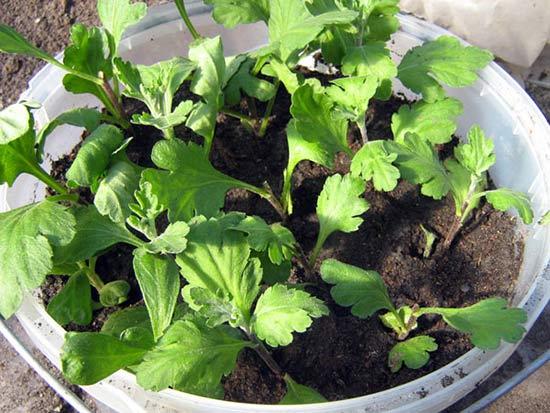
The container with the seeds is brought into a warm room. Seedlings will appear in 14-15 days. The plastic film is then removed. When 3-4 leaves appear, the plants are pricked out. The grown bushes are hardened off and planted in the ground.
Please note! The covering material must be removed daily to remove condensation from it and the sides of the container.
Dividing the bush
Chrysanthemums older than three years are propagated using this method. In spring or early fall, the bush is carefully dug up on all sides and removed from the soil. Old shoots are removed along with the roots. The plant is divided into several parts.
Each division, consisting of shoots and root system, is planted in a separate hole.
We propagate plants by layering
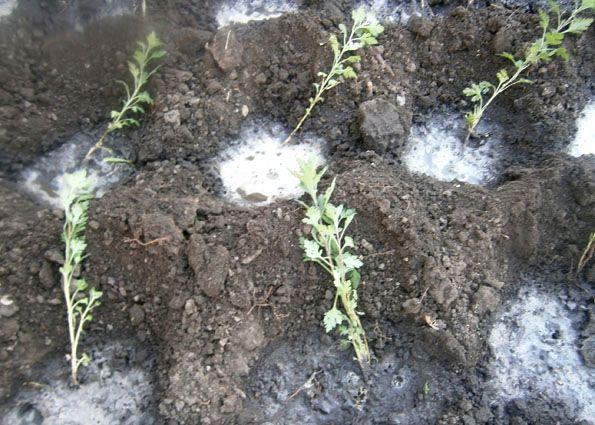
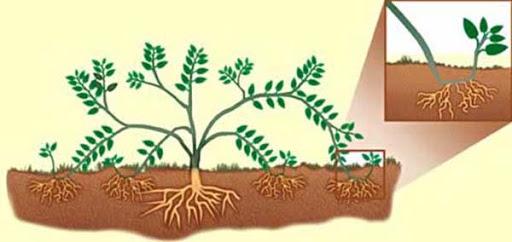
This method is easy to propagate chrysanthemums with long stems. Dig a furrow near the bush and place a stem, stripped of leaves, into it. Secure the stem with staples, water, and cover with soil. Care is provided throughout the season: water, loosen the soil, and remove weeds.

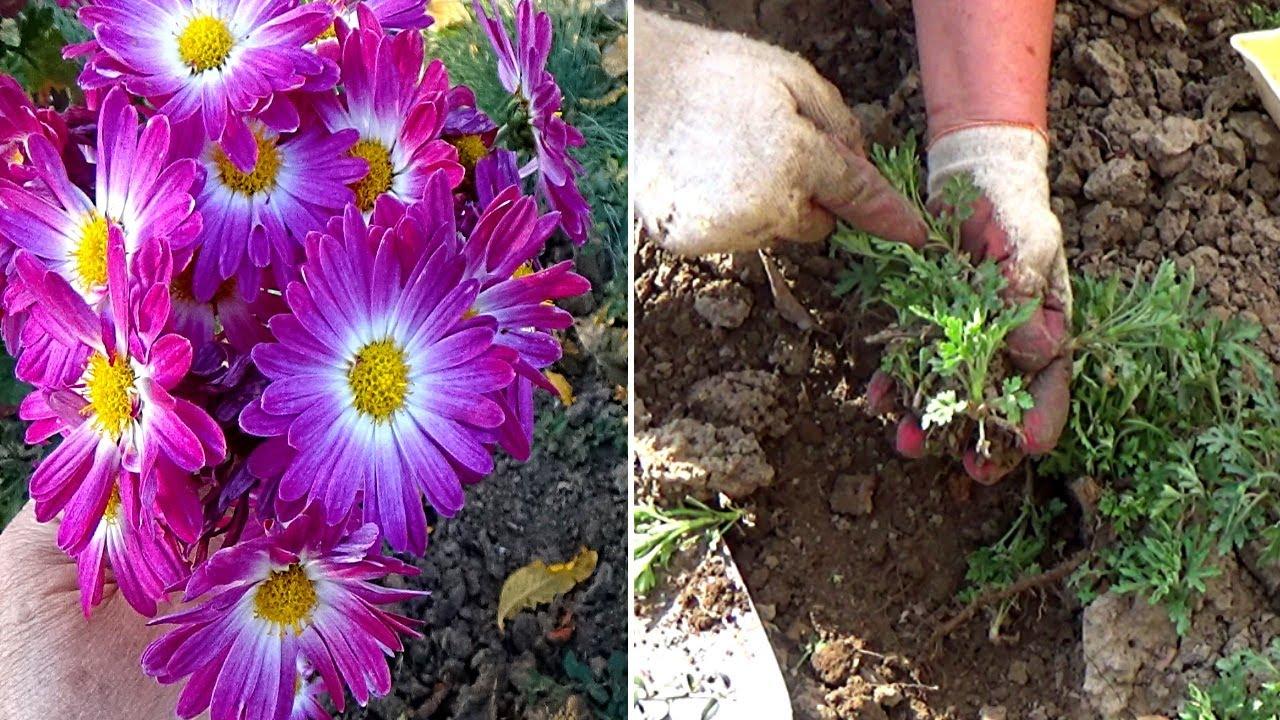
For the winter, the furrow is covered with a layer of soil. In the spring, when the threat of frost has passed, the rooted cutting is dug up. Stem pieces with roots are planted in separate holes. These will develop into full-fledged chrysanthemum bushes over the course of the season.
The nuances of propagating bouquet chrysanthemums
Typically, cuttings are taken during the warmer months. However, if a bouquet of beautiful, rare chrysanthemums was given in winter, you can try rooting them even during the colder months. Young plants propagated by cuttings will replicate all the characteristics of their parents.
Choosing a flower
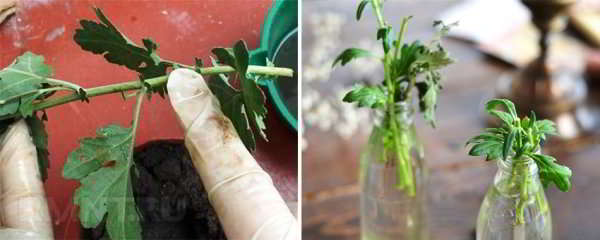
For rooting, select strong stems free of spots, dents, rotted, or dry parts. Diseased shoots will not only die but can also infect other plants. Remove buds and the lower part of the stem, and use the center of the stem as a cutting.


Prepare the pot and soil mixture
Choose a wide container with low sides. Plants must have enough space to grow, otherwise they may be susceptible to fungal diseases or pests. The container shouldn't be too deep, as too much soil will hinder the growth of the cuttings.
The substrate should be lightweight, breathable, and water-permeable. Special soil for ornamental flowering plants can be purchased at a flower shop or made at home. To do this, mix garden soil, sand, coconut fiber, sand, and perlite. To protect the cuttings from pathogens, the soil is baked in the oven at a low temperature.
Planting and further care
Planting of cuttings is done as follows:
- drainage consisting of small stones and sand is placed into the container;
- pour in the prepared soil;
- the cuttings are cleared of lower leaves;
- disinfect in a solution of potassium permanganate;
- planted at an angle in a container and watered.
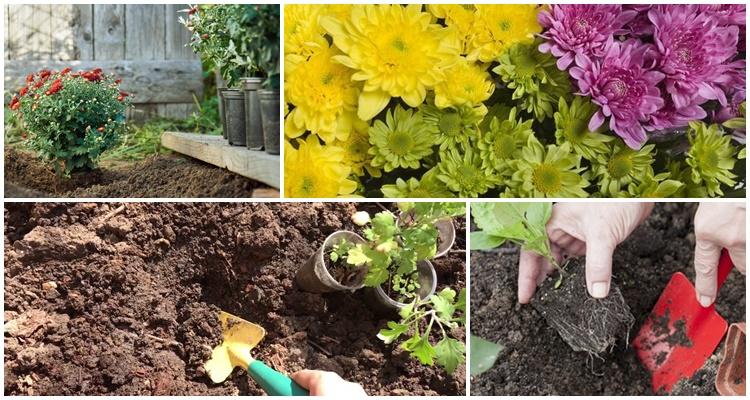
To create greenhouse conditions, cover the containers with cuttings with transparent film and place them in a warm location. Remove the covering material daily and wipe off any condensation. When the top layer of soil begins to dry out, water. The appearance of new leaves will indicate successful development of the cuttings. Once the young bushes begin to grow, they should be transplanted into separate containers. Otherwise, the shoots will become thin and weak.
Chrysanthemums are planted in a well-lit area and carefully tended throughout the season. The bushes require timely watering, periodic fertilizing, loosening of the soil, and weed control. To prevent diseases and pests, the bushes are sprayed with special preparations.

Important! Chemical treatments should not be carried out during the flowering period.
Mistakes of novice gardeners
Propagating chrysanthemums is a simple process. However, inexperienced gardeners may encounter some problems during the process. The most common mistakes are:
- They use undisinfected tools. As a result, the plants become infected with fungus and die.
- Do not remove the plastic wrap from containers with cuttings. The covering material should be removed daily, and the plants should be aired. Remove any water droplets from the sides of the container and the plastic wrap to prevent fungal infections.
- Cuttings are planted too close to each other. The optimal distance between plants when planting is 4 centimeters. As the bushes grow, they are pruned, leaving a distance of 8 centimeters between them.
- Keep chrysanthemums in a dark place. This mistake results in thin, weak shoots.
- Cuttings are planted in heavy soil. This type of soil can lead to water stagnation, which is detrimental to the plant. A loose, breathable substrate is selected.
- Mother plants are kept in a warm room during the winter. This causes shoots to emerge prematurely. Plants are stored in a cool, dry room during the winter.
- Don't remove the lower leaves when planting cuttings. This will cause the green parts to rot, affecting the entire plant. Only the upper leaves should be left on the cuttings.
- Planting outdoors in spring is too early. Chrysanthemums can rot from frost and meltwater. Planting should be done after the threat of frost has passed.
- Planting bushes late in the fall can result in poorly adapted plants not surviving the frosty winter. The best autumn month for propagating chrysanthemums is September. Plants planted during this period should be mulched for the winter.
- Bushes are planted too close together in a plot. This creates air stagnation between the plants, which can lead to fungal infections. When planting chrysanthemums, it's important to know the growing size of the bush; space the plants according to the variety's characteristics.
Propagating chrysanthemums is a fascinating process. There are several methods for cultivating the flowers. By following the recommendations outlined above, a gardener can grow a wide variety of chrysanthemums in their garden.
Related posts:
 Top 10 Chrysanthemum Varieties, Planting and Care Guidelines for Outdoor Plants
 Top 15 Korean Chrysanthemum Varieties, Planting and Care in the Open Ground
 Descriptions and characteristics of chrysanthemum species and varieties, growing rules
 How to propagate grapes in summer using green cuttings at home
 The best time and rules for transplanting chrysanthemums to another location in the fall, care
 Planting and care guidelines for the Multiflora chrysanthemum and the top 9 beautiful varieties
 Methods for planting and propagating cherries at home
 Why chrysanthemums sometimes fail to bloom in open ground and how to speed up the process