
The beauty of gladioli makes gardeners want to grow as many specimens as possible to expand their collection. This raises the question of how they reproduce. varietal gladioli, what are the features and subtleties of different methods of growing garden crops.
How do garden gladioli reproduce?
Gladioli can be propagated vegetatively and by seeds.
Children
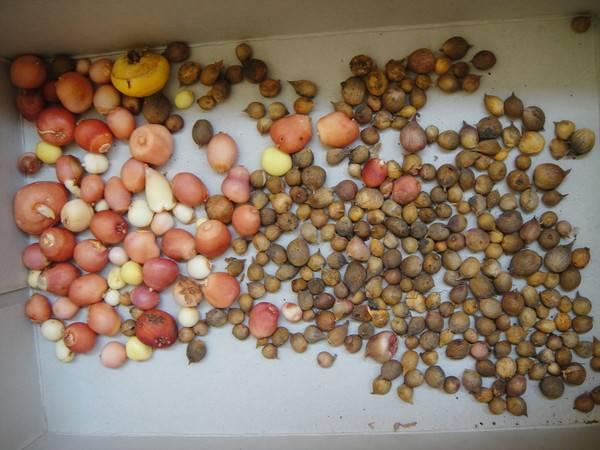
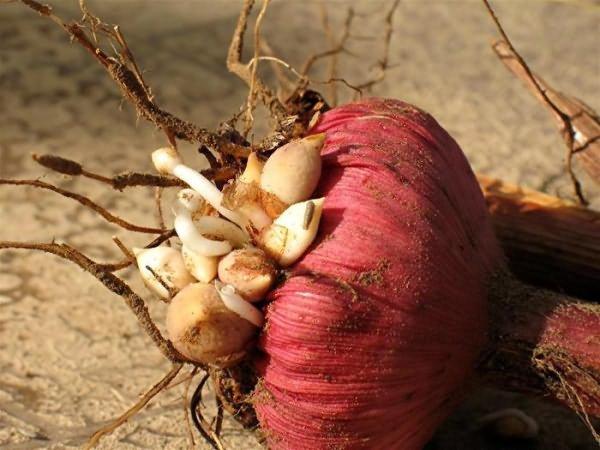
The main method of propagating this garden crop is by tuber buds. Plants grown from tuber buds are disease-resistant and adapt well to new conditions.
To do this you need to:
- Separate the baby bulbs from the main bulb in the fall, before harvesting for winter storage.
- In the spring, sort the tubers and remove any dry husks. Then, mix them with peat or fine gravel and germinate for 7 days at a temperature of 18-25°C (64-77°F) in containers no more than 15 cm high. When sprouts appear, place the tubers, along with the gravel, in boxes filled with humus-rich soil.
- In March, the sprouted shoots should be transplanted into transplant boxes and covered with a 1-2 cm layer of soil. Ensure the plants' root system doesn't suffer from moisture deficiency. Gladiolus seedlings should be hardened off after the last spring frosts by moving them outdoors to a shaded area to prevent the foliage from being burned by direct sunlight.
- Then remove the bottoms of the boxes and place them, along with the plants, in the prepared flowerbed. It's best not to transplant the rooted cuttings, as this will reduce their growth.
- After planting, water the plants and mulch the soil around them.
Tip! In rainy weather, stretch plastic film over the boxes at a height of at least 1 m to allow air circulation.
Throughout the growing season, it's important to moisten young gladioli, loosen the soil, and fertilize them. Once foliage has formed, apply a nitrogen-rich mineral fertilizer. After two weeks, fertilize with iron and manganese-based fertilizers.
Emerging flower stalks from young plants should be cut off.
Seeds
This cultivation method is used in the breeding of new crop varieties. Plants grown from seeds do not retain the varietal characteristics of the parent plant, so this method is rarely used in gardening. Uniformly colored flowers growing close to each other are suitable for collecting seed material.
After flowering has finished, wait until the seed pod has formed, which must be carefully removed and dried.
Sowing should be planned for February. This will require a nutrient substrate containing leaf humus and river sand in a 2:1 ratio. The material must be prepared before sowing by soaking it in a 0.01% sodium humate solution for 2-3 hours, after which planting can begin.
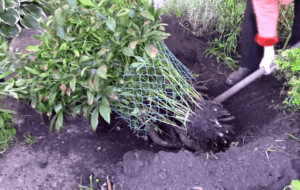
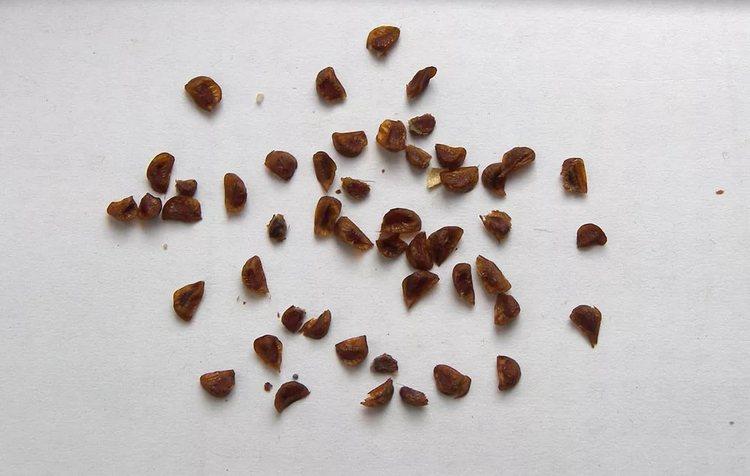
In the spring, place the seeded boxes in a greenhouse or bury them in the ground along with the container. With proper care, young bulbs measuring 0.8-1.5 cm in diameter will form by fall. These should be stored for the winter and then planted in the spring for further growth.
By dividing the bulbs
Propagating gladioli by dividing the bulb is a practice practiced by experienced gardeners. This requires certain skills and theoretical knowledge. Dividing the bulb can yield a large amount of planting material and also stimulate the formation of offspring. To perform this procedure, select material from the second or third year of growth, free of disease symptoms or pest infestation. Cut the bulb vertically using a sharp knife.
Important! Each section must have living buds and a base for new root formation.
It's important to disinfect the cut areas with brilliant green and treat them with wood ash. Afterwards, leave the corms to dry and then replant them in prepared, fertile soil. In the fall, dig up the already formed gladiolus corms. Next season, they will produce numerous corms, which can then be used for propagation and renewal of planting material.
We break off the apical buds
Another productive method of vegetative propagation of gladioli is to break off the apical bud. The resulting dormant lateral buds form shoots of varying vigor and bulbs of second- to third-grade size.
Planting and caring for seedlings
Choosing the right site for growing gladioli is crucial, as flowering depends on it. Gladioli thrive in open, sunny beds with fertile, moisture-retentive soil. The site should be protected from strong winds to prevent the stems from bending. Prepare the site for planting gladioli in the fall by digging the soil to the depth of a bayonet and enriching it with compost and humus.
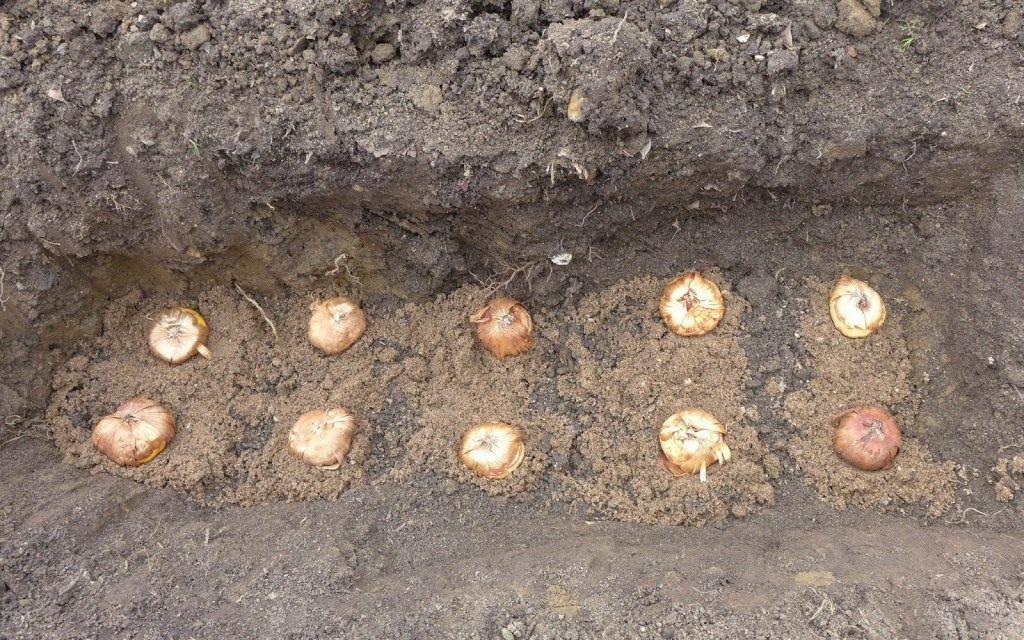
Planting should begin once the soil at a depth of 10 cm has warmed to 8-10 degrees Celsius. To do this, add a 1-2 cm layer of sand to the furrows or holes, plant the corms or corms, and cover with more sand and then soil. The spacing should be adjusted based on the size of the corms. Large gladiolus corms should be spaced 15 cm apart within a row, 20 cm between rows, and 5 and 15 cm apart for corms.
Caring for gladioli consists of carrying out certain agricultural techniques:
- regular watering promotes normal bud formation and abundant flowering;
- application of fertilizers using both mineral and organic substances;
- loosening at least once a week, regardless of precipitation;
- weeding, since in areas overgrown with weeds there is a high probability of diseases and damage to plants by slugs;
- tying the flower stalks of tall varieties to pegs;
- removing dried flowers so that plants do not waste nutrients on ripening seeds that will be unsuitable.
By following all the necessary care procedures, you can find a way to nurture your luxurious gladiolus. And with proper care, it will begin to grow vigorously, beautifying your home's surroundings and creating a cozy atmosphere.
Related posts:
 Description and characteristics of wild and cultivated varieties of gladioli
 Planting and caring for gladioli in open ground, growing and the best varieties
 When to dig up gladioli for the winter, timing and rules for storing bulbs
 The best eggplant varieties for growing in a polycarbonate greenhouse: planting and care
 Reasons why gladioli don't bloom, planting mistakes, and pest control, recommendations
 Why gladioli change color and how to maintain their color
 How to care for gladioli after flowering, pruning and fertilizing, and storing bulbs
 Description of the Byzantine gladiolus, planting and care for the variety in open ground