
Gladiolus is one of the most beautiful flowers that can adorn a home's garden. To ensure its lush blooms, careful attention to every stage of its development is essential. This will ensure successful flower cultivation. Gardeners often ask the pressing question of why gladioli change color and what factors influence this.
Can gladioli cross-pollinate and change color?
Florists typically propagate varietal gladioli using corms or cormels. Vegetative propagation ensures that the offspring inherit all the characteristics of the mother plant, preventing cross-pollination. Therefore, with proper care, separate storage of planting material from different species, and systematic rejuvenation, varietal specimens are not at risk of degeneration.
Growing in one bed
Cross-pollination can occur between gladioli of different varieties growing nearby if the crop is grown from seed. This method of propagation is considered time-consuming and labor-intensive, leading many gardeners to propagate the crop by removing offshoots. This method prevents cross-pollination, even if numerous varieties with different characteristics are growing nearby.
Different varieties
It's recommended to plant flowers according to a specific pattern, avoiding mixing varieties. This is because when digging and storing, you might accidentally discard some of the most decorative specimens. The gardener tries to select healthy specimens and discard the rest. This will leave a small number of hardy varieties with poor decorative qualities. This will create the impression that the gladioli have cross-pollinated and are all the same color.
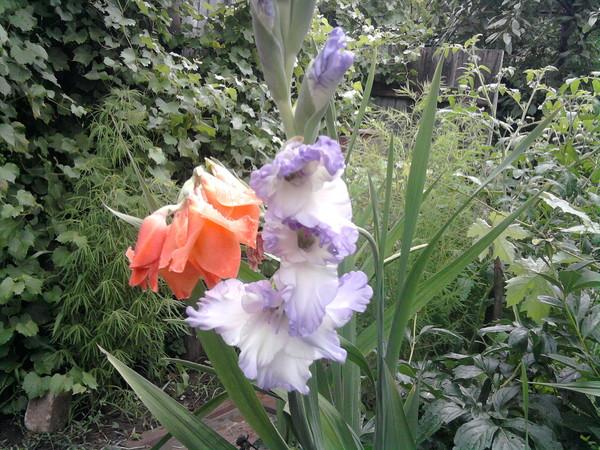
What diseases affect plant color?
The reason for the change in flower color can be various diseases affecting garden crops.

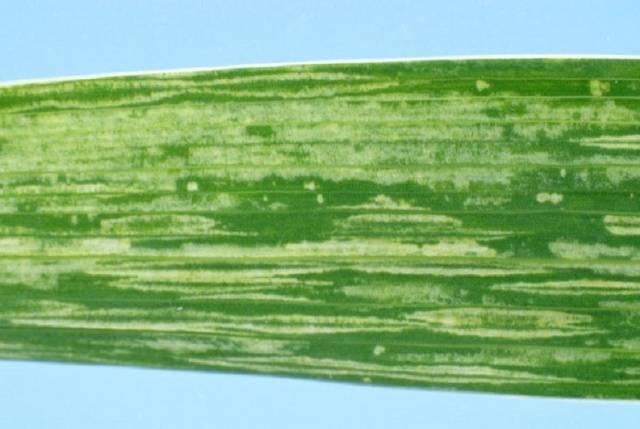
Mosaic
A viral disease that damages the leaves and flowers of the plant. Symptoms include spots and ring-shaped or angular stripes of green-yellow and gray on the foliage, which later spread to the flowers. Mosaic disease adversely affects both the plant's ornamental qualities and its growth; flowers change color, become smaller, and produce fewer buds.
Control measures:
- removal and burning of infected plants along with the bulbs;
- destruction of aphids and thrips, which are carriers of the virus;
- creating favorable conditions for the growth of gladiolus;
- planting flowers in well-ventilated flower beds.
It is important to carry out preventive and protective treatments in a timely manner.
Cancer
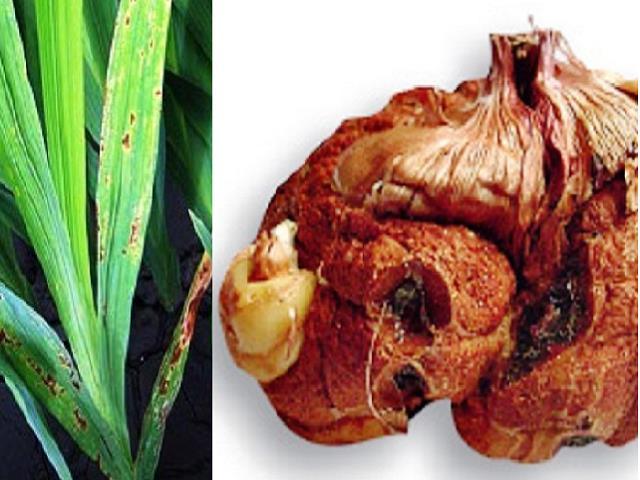
A bacterial disease that can be detected when digging up plants, it appears as a large, bumpy growth on the replacement corm. Diseased gladioli must be destroyed, as there are no treatments for the disease.
It is important to carry out preventative measures in a timely manner and get rid of such an insidious pest as a nematode.
Scab
The disease is caused by heavy, moist soil with insufficient acidity, as well as high groundwater levels. Scab is indicated by reddish-brown spots on the basal portion of the stem and corm, which subsequently expand and cause rot. The foliage also turns yellow and dries out at the tips. Affected plants should be dug up and destroyed. Experienced gardeners recommend treatment for both prevention and protection.
Botrytis
Cool, damp weather conditions favor the development of botrytis. At this time, wind and raindrops spread fungal spores from infected plants to healthy ones.
Symptoms:
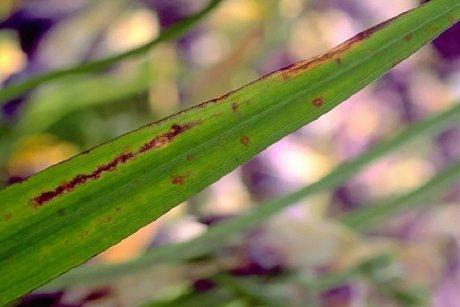
- The presence of red spots on the foliage of blooming gladioli.
- Flowers become shapeless and droop.
- Loss of decorative value due to rotting of stems and corms.
- The bottom of the bulbs is soft and breaks when dug up.
This disease is incurable. Affected plants must be destroyed, but it is possible to harvest their offspring if they show no signs of infection.

Advice! As a preventative measure, spray the bushes and the surrounding soil twice a month with Bordeaux mixture or copper sulfate.
Septoria
Acid leaf spot is rampant in peat and marshy areas characterized by heavy, moist, and highly acidic soil. Septoria leaf spot can be identified by characteristic water-soaked, round spots on the leaves, which then spread up the stem.
If the bulbs are slightly damaged, remove the rot with a knife and coat the cut areas with brilliant green. If the damage is severe, the bulbs should be burned. As a preventative measure, treat the bulbs with a comprehensive seed treatment before planting for highly effective rot protection.
Sclerotinia
The causative agent is the fungus Sclerotinia, which lives in the soil and thrives in favorable conditions: damp, acidic soil and rainy weather. The disease is indicated by yellowing of the leaves, which subsequently turn brown and dry out. The gladiolus bends and falls. If the fungus penetrates the bulb, the plant dies.
Treatment for sclerotinia involves removing diseased bulbs. When grown as a preventative measure, gladioli require treatment with copper-containing products.
Fusarium
Fusarium wilt is caused by a fungus that penetrates the bulb through the soil. Triggering factors include excessive amounts of ammonia- and nitrogen-based fertilizers, as well as high temperatures and soil moisture.
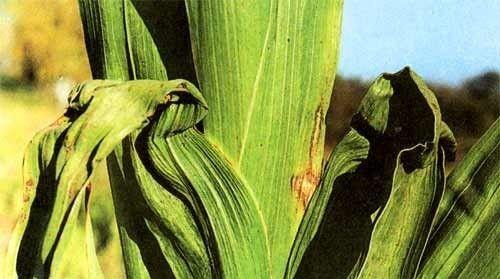
The first symptoms can be seen on the bulbs. They are covered with water-soaked spots that gradually increase in size and darken. Later, the folds begin to wrinkle and become covered with white-pink fungal mycelium. An infected flower is characterized by a twisted stem, drooping foliage, and delayed bud formation.
Control measures:
- the crop can be grown in one bed for no more than 4 years;
- After flowering, mulch and drain the soil;
- top dressing with substances containing nitrogen and ammonia should be carried out in small doses and when necessary;
- The bulbs should be dried before being stored.

Advice! Before planting, treat the corms with a solution of potassium permanganate.
How to preserve the color of gladioli?
It's recommended to select healthy offshoots of your favorite varieties each year to cultivate young bulbs and replace old ones, thereby preventing the natural deterioration of the planting material and the degeneration of the variety. Old bulbs should be discarded, and the offshoots should be used to cultivate bulbs. A year later, they will delight you with their diversity.
&n bsp;
It's also important to properly care for the plant, including timely prevention of fungal infections and harmful insects. Then, your beautiful gladiolus will surprise you with its rich palette of colors.
Related posts:
 The best eggplant varieties for growing in a polycarbonate greenhouse: planting and care
 80 Best Eggplant Varieties for Different Regions with Descriptions and Characteristics
 Is it possible to soak treated cucumber seeds before planting and how to do it correctly?
 Description and characteristics of the best seeds of pea varieties and types
 Growing and caring for hazelnuts in open ground, rules for planting hazelnuts
 The benefits and contraindications of lentils for the human body
 Why tomato seedling leaves may wilt and curl, and what to do about it
 Why potatoes aren't growing well in the garden, and what to do to ensure a bountiful harvest