
- The Importance of Bulb Processing
- When to perform the procedure
- Rules for processing tulips
- Peeling
- Inspection and sorting
- Disinfection
- Hydrogen peroxide 3%
- Green stuff
- Farmayod
- "Chlorhexidine" 0.05%
- Bactogen
- Fitosporin
- Maxim XL
- Fitolavin
- Potassium permanganate
- Turmeric
- How and where to properly store bulbs after processing
Tulips are among the most popular early flowers, delighting the eye with the arrival of spring. After flowering, their bulbs are dug up from the ground and stored indoors until planting. One of the most important steps in gardening is treating tulips in the fall before planting; this helps eliminate pathogens and keep the bulbs healthy.
The Importance of Bulb Processing
Experienced gardeners recommend not only sorting the tulip bulbs by size before planting them in the fall, but also treating them with fungicides. Advantages of pre-planting treatment of tulips:
- The treated material starts to grow faster with the arrival of spring.
- Prevention of diseases, insect pests and rodents is carried out.
- Young shoots planted in the fall have time to adapt well to their new location before spring.
- During transportation, flowers retain their shape and decorative appearance of buds longer.
Just one bulb infected with a fungal disease can infect the entire tulip planting.
When to perform the procedure
Since tulip bulbs are stored in an apartment or country house all summer, they need to be prepared before planting them in flower beds for the winter.
The work consists of several stages and begins several days before the planting material is moved into open ground.
These timeframes will vary by region depending on climate conditions. Work typically begins between mid-September and the end of October. The key is to allow at least a month before the first significant cold snap.
Rules for processing tulips
Processing primrose bulbs involves several stages. It's important to follow the recommendations of experienced florists and not neglect any of the steps, so that the tulips will delight you with large, vibrantly colored buds in the spring.

Peeling
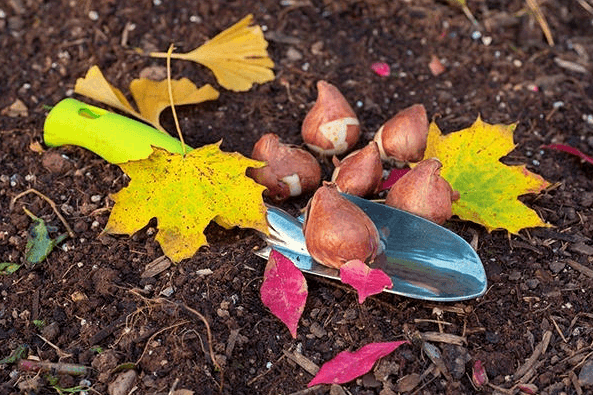
If the planting material is purchased immediately before planting, it is cleaned of dry scales and husks. If the bulbs were dug up in the summer, this preparation is carried out immediately before storage. This procedure is necessary to ensure that the tulips better absorb nutrients from the soil.

Inspection and sorting
Gardeners typically sort bulbs by size before storing them. This is necessary to separate large and small bulbs and plant them at different depths when planting. This procedure also helps remove infected or damaged bulbs.
After summer storage, all the tubers are spread out on a table, covered with newspaper or paper. Each bulb is carefully inspected for mechanical damage, signs of fungal infections, or pest damage. Healthy bulbs are set aside, and damaged areas are trimmed from the remaining bulbs with a disinfected knife.
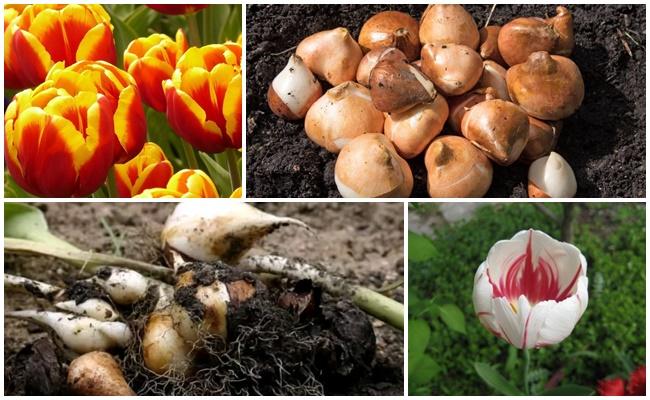
The next stage of preparation is sorting. To do this, take three different containers and separate the large, medium, and small bulbs.
Disinfection
The next step in preparing the planting material is disinfection. For this, both products purchased at a gardening store and improvised means are used. Many commercial products also act as growth stimulants.
Hydrogen peroxide 3%
A common, affordable medication used to treat wounds and abrasions is also used in gardening. In addition to disinfection, 3% hydrogen peroxide is used if tulip planting material has dried out during storage.
Take a container and fill it with a liter of room-temperature water. Add a tablespoon of hydrogen peroxide and mix thoroughly. Immerse the bulbs in the resulting solution and let them soak for half an hour. After the recommended time, remove the bulbs and lay them out on a kitchen towel to dry.

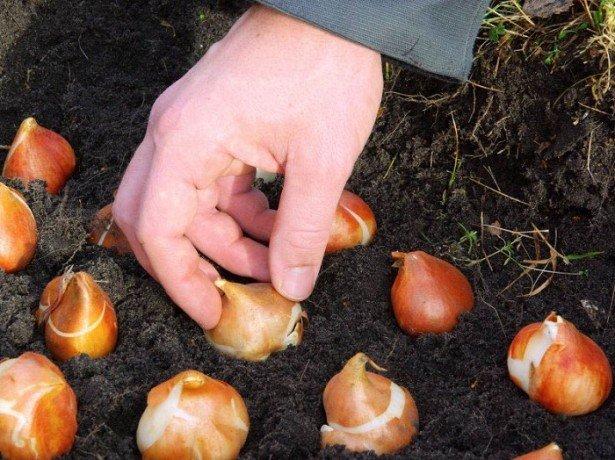
Green stuff
Soaking the entire bulb in green paint is not recommended. This solution is ideal for treating rotted areas on the tuber. To do this, first trim away the damaged tissue, then gently brush the damaged areas with a brush. Afterwards, allow the bulb to air dry.
Farmayod
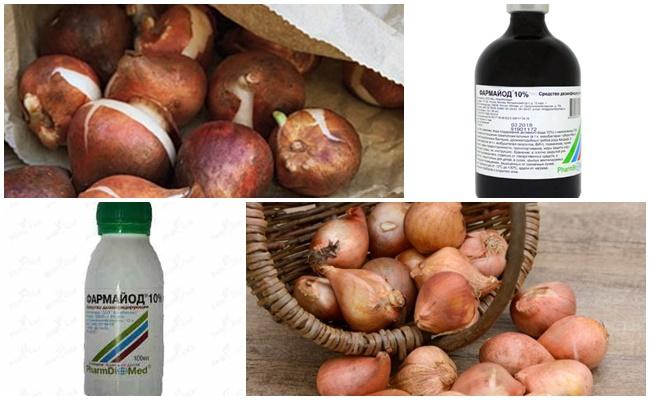
The biological product "Pharmaiod" is effective against fungal and viral pathogens. It suppresses and completely destroys harmful microflora that comes into contact with planting material. To treat bulbs, prepare a concentrated solution by diluting 100 mg of the product in 3 liters of warm water. The planting material is soaked in the solution for about half an hour and then dried.
"Chlorhexidine" 0.05%
There's no need to dilute Chlorhexidine to soak the bulbs. Its only drawback is that it kills both harmful and beneficial microflora. Soak tulip bulbs in Chlorhexidine for no longer than 20 minutes.
Bactogen
The biological product "Bactogen" is used in horticulture against fungal and viral pathogens. In addition to its disinfectant properties, the product also stimulates plant growth. No protective equipment is required when using it.
Fitosporin
Fitosporin is also a biological product, safe for both plants and humans. The solution should be prepared two hours before the intended treatment. Use 10 grams of Fitosporin per half liter of warm water; this amount is enough to treat 2 kg of bulbs.
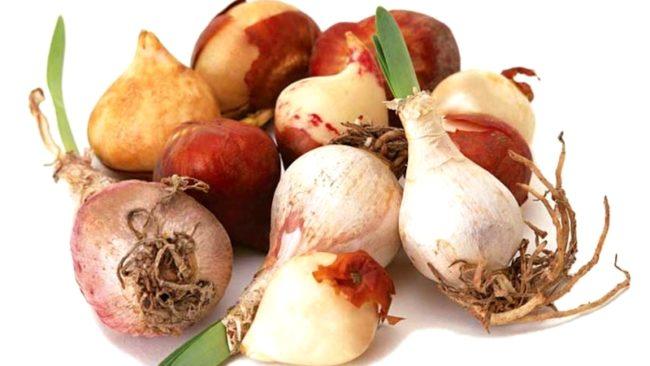
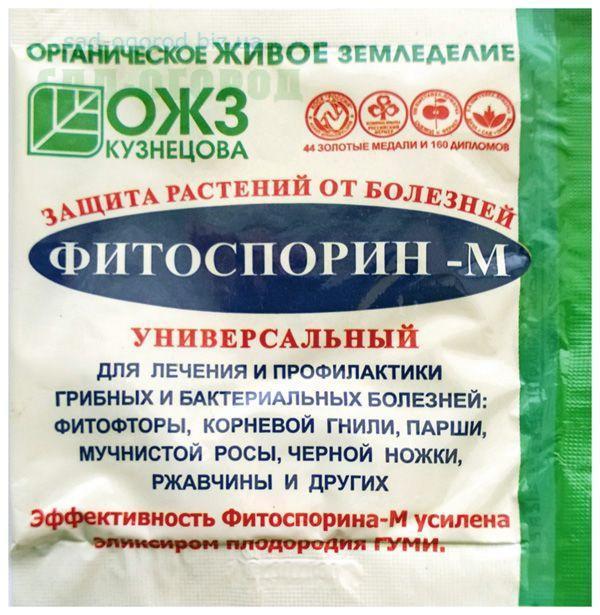
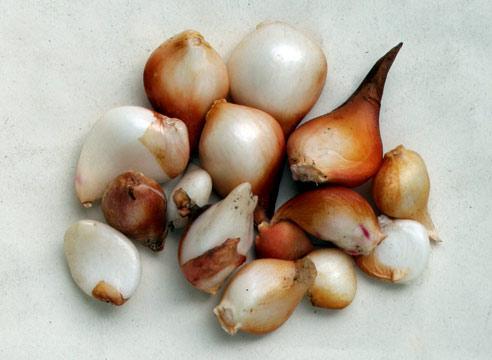
The product is characterized by a long-lasting effect. After treatment, a colony of hay bacillus forms on the surface of the planting material. After the bulbs are planted, the colony colonizes the soil, where the tulips' root system will subsequently develop.
Maxim XL
According to gardeners, this product is 100% effective. Its main advantage is that, unlike other products, it only combats pathogenic microflora without harming beneficial ones. To soak tulip bulbs, add 4 ml of Maxim to 2 liters of room-temperature water. Soak the bulbs in the solution for 30 minutes.
Fitolavin
This product is ineffective against pathogens such as fusarium wilt and gray mold. It is a systemic fungicide belonging to the streptothricin group of antibiotics. It is effective against pathogens such as blossom-end rot, early blight, crown rot, and bacterial black spot.

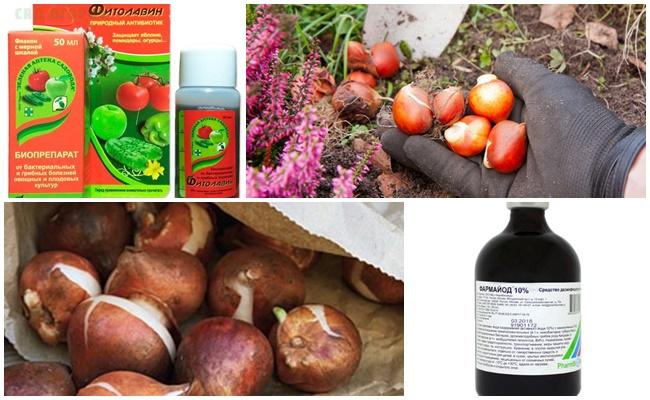
To create a working solution, add 2 ml of the product to 2 liters of water and mix thoroughly. Soak the tulip bulbs for 20-30 minutes.
Potassium permanganate
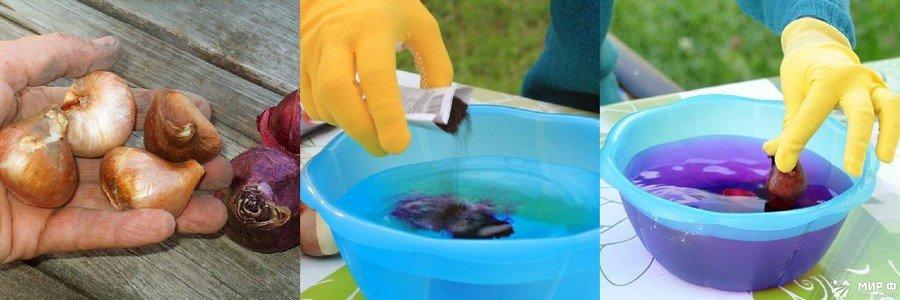
Potassium permanganate is not often used for treating tulip tubers. This is because it is ineffective in its weak concentration, and if made into a concentrated solution, it damages the scales and base of the planting material.
To prepare the solution, add 2 grams of potassium permanganate crystals to 10 liters of room-temperature water. Apply to the bulbs for no more than 20 minutes.
Turmeric
Turmeric isn't just used in cooking. Gardeners successfully use this spice to treat plant bulbs against pathogens. It's used in an alcohol solution.
Take half a liter of vodka and add 20 grams of seasoning powder. Let it steep for two days, then dissolve a tablespoon of the resulting solution in a liter of water. The only drawback of this remedy is that it inhibits the growth of hay bacillus.
How and where to properly store bulbs after processing
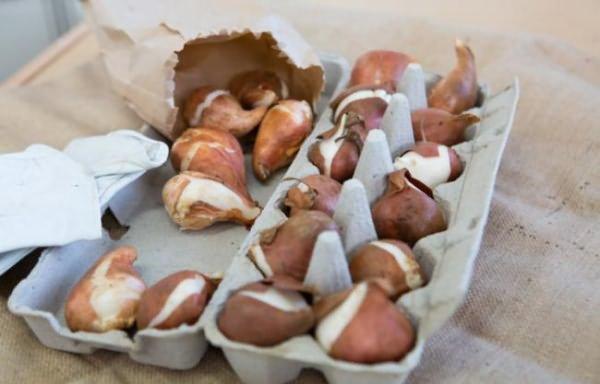
If the gardener doesn't plan to plant the bulbs in the fall, it's necessary to prepare containers and a room for successful winter storage. Wooden boxes are ideal, and the bulbs should be placed in them in a single layer after drying. The room should have low humidity (no more than 60%) and low temperatures (for winter storage, between 13 and 15 degrees Celsius).
Related posts:
 When is the best time to plant tulips in open ground? Timeframes by region and rules.
 Timing and methods for planting tulips with your own hands in baskets for bulbous plants
 When and how to plant tulips in the Urals in autumn and care for them outdoors
 How to prepare and store tulip bulbs, possible difficulties
 When is the best time to plant tulips in the Moscow region in autumn? Timing and care instructions.
 Timing and rules for replanting tulips in the fall, further care
 Description of shallot varieties, cultivation and care, when to harvest
 How to plant tulips beautifully: diagram and ideas for landscape design