
- The main reasons for leaf curling
- Violation of agricultural practices during cultivation
- Excess of mineral fertilizers
- Nutrient deficiencies
- Micronutrient deficiency
- Incorrect watering
- Damage to the root system
- Varietal characteristic
- The ambient temperature is too high
- Incorrect pinching
- Tomato seedlings affected by diseases and pests
- Fusarium wilt
- Bacteriosis
- Bacterial cancer
- Thin leaf virus
- Whitefly
- Aphid
- Spider mite
- Medical procedures
- How to prevent seedlings from curling and drying out
To ensure tomatoes ripen in a temperate climate, seeds are sown for seedlings, which require very high care. They require good lighting, regular watering, and the right temperature and humidity to thrive. Beginner gardeners are often worried when the leaves on their tomato seedlings curl and wilt. They don't want to be left without a harvest, but they don't always understand why this happens or know what to do, and time is of the essence.
The main reasons for leaf curling
Healthy seedlings quickly take root in a greenhouse and in an open garden bed. Young tomato plants wilt when temperatures are too high, causing them to lack moisture and poor mineral absorption by the roots. It's not always immediately clear why the leaves are curling.
Violation of agricultural practices during cultivation
Only by identifying the cause of seedling wilting can you save them and wait for the tomatoes to ripen. Most often, young tomatoes die due to neglect of care and improper agricultural practices.
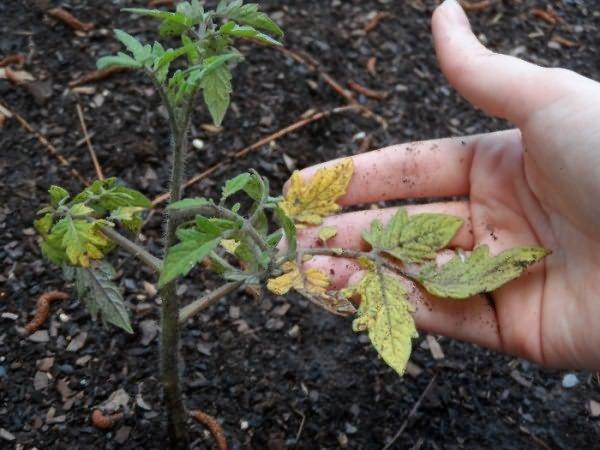
The leaves change color and bend downwards:
- in low light conditions;
- due to temperature fluctuations;
- when placing seedlings in acidic soil.
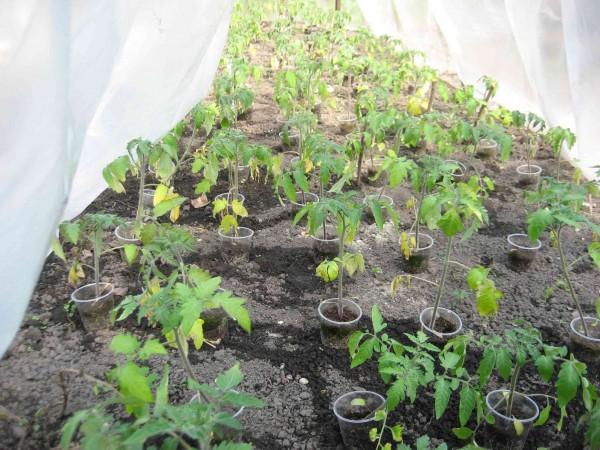
When tomato seeds are sown in heavy clay soil, germination takes a long time, and the seedlings' roots develop poorly because air and nutrients are limited. Salts form in the soil, which absorb micronutrients.
To prevent seedlings from dying, they are transplanted into a new substrate made from peat and leaf mold with sand and vermiculite added. The soil is disinfected or placed in a hot oven for 30 minutes.
Excess of mineral fertilizers
Seedlings develop normally when they have sufficient nutrients. However, if they are overfed with nitrogen:
- The stems become denser.
- The roots are damaged.
- The leaves are curling.
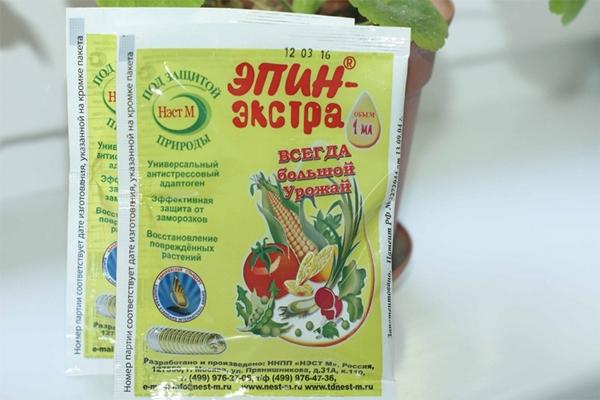
If there's excess soil in the substrate, remove the top layer of soil and add new soil mixed with sawdust. After watering, place the seedlings in the soil and treat them with Epin.
Take a look Also
Nutrient deficiencies
When tomato seedlings emerge in a greenhouse where temperatures are maintained at high levels, their leaves curl. This occurs because the plants are deprived of fresh air, making it difficult for them to absorb nutrients.
Micronutrient deficiency
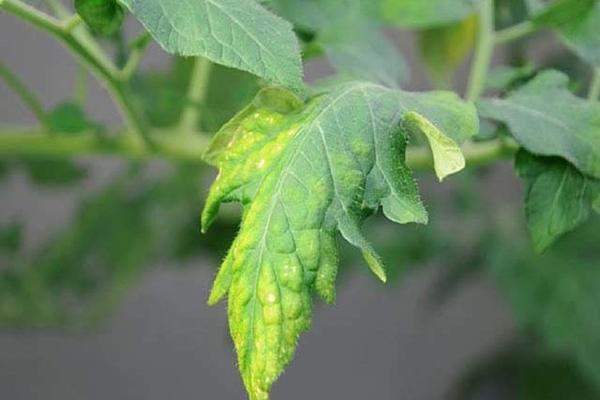
Tomato plant development slows, and seedlings die, when there's a lack of boron, nitrogen, and potassium. A magnesium deficiency causes light spots to form between the veins, which eventually turn brown, and the leaves curl and dry out.
A phosphorus deficiency negatively impacts the health of the roots. The above-ground portion of young tomatoes turns purple and becomes tough, and the leaf edges dry out. Leaf necrosis occurs due to a potassium deficiency. A deficiency of this micronutrient causes stem wilting.
When there is a lack of boron in the soil, the growth points of tomato bushes die off, while the lateral branches develop normally, the leaves turn lighter and turn into tubes.
Bronze spots all over the surface of the plate appear when the seedlings lack zinc.
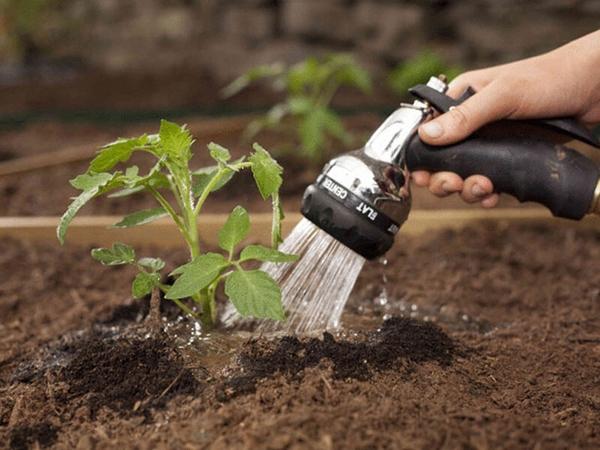
Incorrect watering
When the soil dries out, which occurs with irregular irrigation, the absorption of nutrients is disrupted, and the tomato leaves in the greenhouse begin to wilt.
With frequent and abundant watering, water stagnates in the soil, which is fraught with:
- root rot;
- activation of fungi;
- death of seedlings.
If there is excess moisture, the bushes are removed from the wet substrate, moved to another soil treated with a solution of potassium permanganate, and the leaves are sprayed with a growth stimulator.
Damage to the root system
Tomato seedlings wilt when they grow and become crowded in the box. In this case, the plants are removed and transplanted into another container, but sometimes a root or stem is damaged during transplantation. The plant dies.
Varietal characteristic
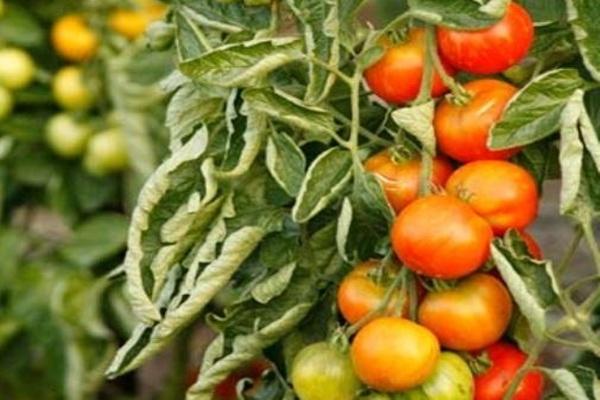
Some tomato varieties have very thin leaves that curl downward along the entire length of the blade, which causes the leaves to grow at a slower rate than the veins. This is considered normal for hybrid varieties such as Japanese Crab and Fatima, miniature cherry tomatoes, and tall tomatoes, and poses no threat to the development of the seedlings.
The ambient temperature is too high
Tomatoes stop absorbing essential nutrients when they're cold: at 14°C (55°F), they don't absorb phosphorus, and at 10°C (53°F), they don't absorb nitrogen. However, at temperatures above 35°C (95°F), seedling leaves curl inward from overheating. Seedlings develop normally at 20–23°C (68–73°F).

Incorrect pinching
When transplanting tomatoes to a garden bed or greenhouse, some gardeners remove all the lower leaves on young plants and are surprised when the upper leaves dry out. Delayed removal of shoots can impair plant ventilation. Side-sonning should be started 2-3 weeks after planting, once the tomatoes have established themselves and become stronger.
This procedure promotes the formation of the ovary, but it must be performed on time.
Tomato seedlings affected by diseases and pests
Tomato leaves become spotted, curl up and fall off when infected by pathogenic microorganisms or parasitic infestations.
Fusarium wilt
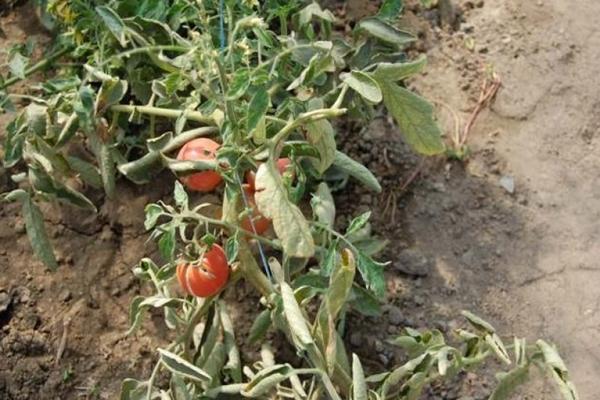
Sometimes gardeners sow tomato seeds in undisinfected soil. When temperatures drop to 13–14 degrees Celsius, and when they rise to 28 degrees Celsius, fungi that cause fusarium wilt become active:
- The leaves acquire a light shade.
- The upper shoots fall off.
- The seedlings are dying.
Saving young bushes is virtually impossible. Prevention can help prevent fungal infections, including soil disinfection, maintaining the correct temperature, and treating the seeds with biopreparations.
Bacteriosis
Sometimes tomato seedlings begin to turn yellow, stop growing, and develop brown streaks on the stems. Eventually, the leaves fall off. Despite adequate lighting and proper care, plants affected by bacterial blight, caused by harmful microorganisms, die. To save healthy plants, treatment with Fitolavin is used, and infected tomatoes are uprooted and burned.
Bacterial cancer
The disease is rare, but it quickly destroys tomato seedlings. Ulcers appear on the stems of the seedlings, and sap flow through the affected vessels stops. Diseased plants must be uprooted, and healthy ones are replanted in new soil. To prevent the development of bacterial canker, tomato seeds need to be soaked in formalin solution.
Thin leaf virus
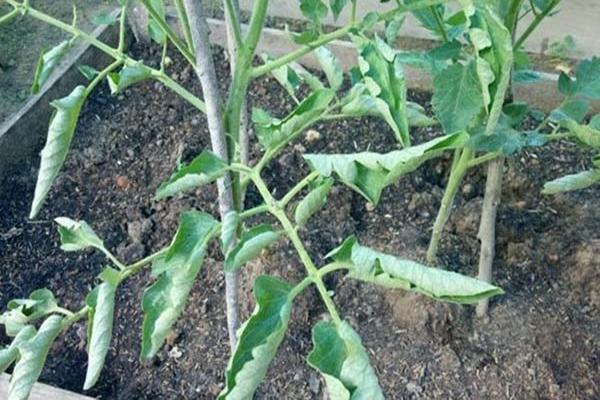
The disease most often occurs in seedlings grown in greenhouses. Excessive light promotes the activation of the microorganism that attacks tomatoes. Young plants' leaves curl into tubes. A solution made from urea and potassium permanganate, along with nitrogen fertilizers, can cure tomatoes of the virus.
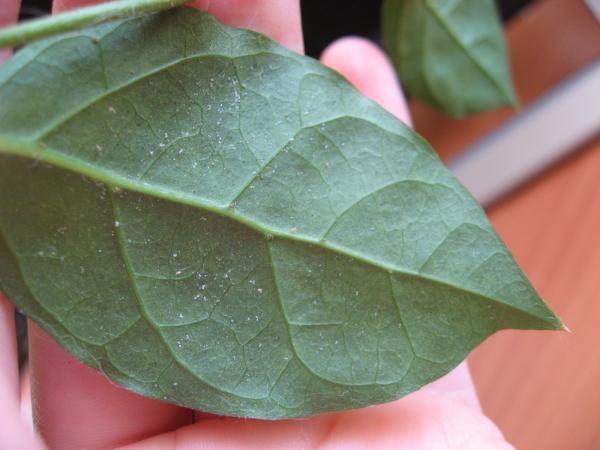
Whitefly
A small insect, resembling a moth, lays numerous eggs on the underside of leaves. Larvae emerge from these eggs and suck the sap. Various methods are used to protect tomatoes from this pest. Products such as Aktara, Confidor, Intavir, and Verticillin are effective in protecting tomatoes from this parasite.
Aphid
This microscopic insect will destroy all seedlings within a few days if immediate action is not taken. Entire colonies of the pest, settling on the leaves, quickly consume the sap, causing the plants to curl and turn yellow. Aphids cannot stand the smell of tobacco and are killed by spraying tomatoes with a solution of ash and soap.
Spider mite
When growing seedlings in a greenhouse, you may sometimes notice small white or yellowish spots on the leaves, caused by spider mites piercing them with their proboscis. These pests love sap and quickly drain it from entire plants. Spraying with alcohol, dandelion and henbane infusions, and treating the bushes with biological products helps control the insect.
Medical procedures
To understand what to do with tomato plants, you need to know what's causing the problem. If the seedlings are drying out at high temperatures, the temperature should be lowered; if they're not getting enough nutrients, fertilize. Leaves turn yellow when the roots are crowded; thinning the seedlings can help. Stems stretch upward when there's insufficient light; installing a supplemental light can solve this problem.
Both folk remedies and fungicides are used to combat viruses, bacteria, and fungi. If tomato plants dry out and their leaves become spotted due to pests, the bushes are sprayed with insecticides.
How to prevent seedlings from curling and drying out
Prevention helps grow healthy tomatoes. Before sowing, seeds should be disinfected and the soil disinfected. To prevent tomato leaf curl, you should:
- Comply with agricultural technology requirements.
- Maintain optimal temperature and lighting.
- Avoid overcrowding of plantings.
- Control soil moisture.
Spraying bushes with solutions of potassium permanganate, urea, and Bordeaux mixture helps prevent the appearance of pests and the development of diseases.
Prick out seedlings carefully to avoid damaging the roots. Fertilizers should be applied in the recommended proportions, taking care not to overfeed the plants with mineral components.
Related posts:
 What is the best way to feed tomato seedlings to make them plump?
 Reasons why tomato seedlings die (fall) and what to do
 Description of the best varieties of black tomatoes for open ground and greenhouses
 What fertilizers and when to use for feeding tomatoes in a greenhouse
 Why tomato seedlings may turn yellow and what to do about it
 How to prepare tomato seeds for planting seedlings
 Why do cucumber leaves curl inward and what to do about it?
 The best eggplant varieties for growing in a polycarbonate greenhouse: planting and care