
- Peculiarities of growing tomatoes in the Moscow region
- Which tomatoes are best to plant?
- Varieties of tomatoes for open ground in the Moscow region
- Popular varieties
- Bull's heart
- De Barao
- Königsberg
- Pot-bellied house
- Cio-chio-san
- Apple tree of Russia
- Phytophthora resistant
- Fitous
- Demidov
- Sanka
- Olya
- Japanese black truffle
- The best low-growing varieties
- Leningrad Chill
- Barnaul Cannery
- Alsou
- Snowdrop
- Mirage
- Cherry tomatoes are the best for the Moscow region.
- Honey drop
- Hybrid Barberry
- Ildi
- How to avoid mistakes when growing
Climate conditions don't always allow for growing tomatoes outdoors. Breeders have developed a wide range of varieties for open-ground cultivation in the risky Moscow region, but gardeners must select just a few of the best and plant them in their plots. The changeable weather dictates that hardy, early-ripening varieties are preferred.
Peculiarities of growing tomatoes in the Moscow region
To harvest tomatoes in the Moscow region, seedlings are essential. The short summers prevent seeds from being sown directly into open beds. Late-ripening varieties should also not be planted outdoors, as rain and cooler temperatures at the end of the summer season encourage the development of fungal diseases.
Tomato cultivation practices in the Moscow region avoid dense plantings. Bushes must be pinched out. After heavy rainfall, plants are treated with antifungal agents, and if temperatures drop, the beds are covered. Timely fertilizing helps speed up the harvest. It is important not to overdo it with the amount of fertilizer, otherwise the tomatoes will become fat and will not form ovaries.
At the beginning of the growing season, nitrogen-containing preparations are added, and with the beginning of flowering and fruit formation, phosphorus is added.
In the Moscow region, acidic soils are common. Before planting tomatoes there, chalk or wood ash should be added to the soil. Greenhouses cultivate varieties with high disease resistance and good cold tolerance.
Which tomatoes are best to plant?
When selecting seeds for the Moscow region, it's important to know exactly which tomatoes are suitable for these weather and climate conditions. Outdoor cultivation primarily involves early-ripening determinate or superdeterminate varieties. Preference should be given to varieties developed by local breeders. Seeds are purchased only from trusted sources and reputable manufacturers.
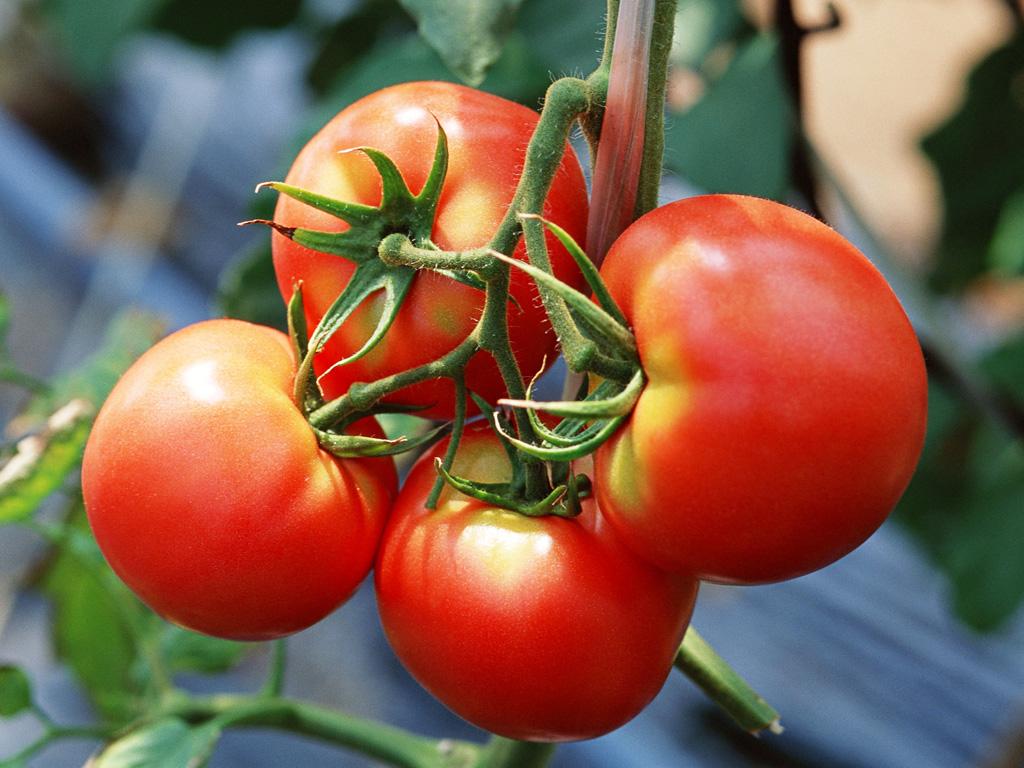
To avoid losing a harvest due to extreme weather, it's worth planting several varieties with different characteristics. Early-ripening varieties produce a larger harvest during the short summer and are less susceptible to pathogens.
Varieties of tomatoes for open ground in the Moscow region
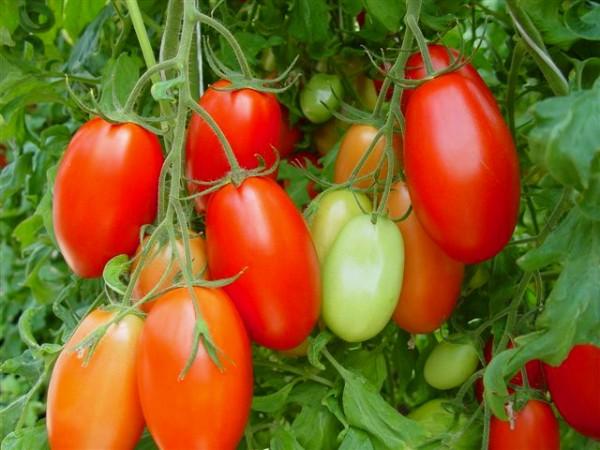
In Moscow region gardens, uncovered tomatoes are predominantly grown using low-growing varieties that are not prone to dense bushes. Early- and mid-season varieties are preferred. Late-ripening tomatoes don't have time to ripen before the onset of persistent cold weather and are also highly susceptible to late blight.
Popular varieties
Over the years of growing tomatoes, gardeners have come to love certain varieties and readily recommend them to their friends, acquaintances, and neighbors.
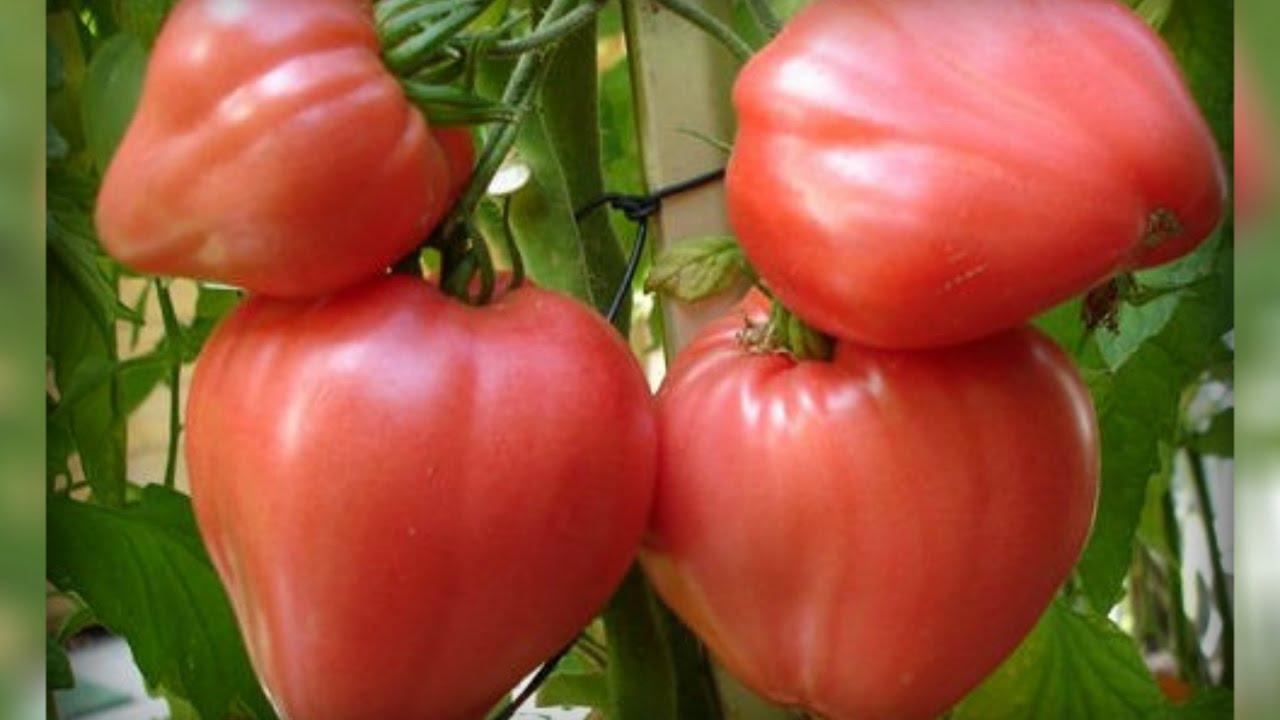
Bull's heart
A tall bush with large fruits, allowing for large harvests even in the Moscow region. Each tomato weighs 0.5 kg, and when ripe, it turns red, yellow, orange, or black. Growing up to 1.5 m tall, this tomato bush requires timely support.
De Barao
This variety is recommended for growing in protected ground. Harvesting begins in August and continues until frost. The tomato bush can reach heights exceeding 2 meters. It exhibits increased resistance to fungal diseases. The oval fruits ripen in classic red, orange, black, and yellow colors. They weigh no more than 90 grams. Each bush produces up to 4 kg of tomatoes per season, with excellent taste and marketability.
Königsberg
This variety was originally bred for cultivation in the harsh Siberian climate, but it has also performed well in gardens in the Moscow region. It produces abundant fruit, growing tasty and nutritious tomatoes that turn red when ripe. The plant tolerates drought and temperature fluctuations, and is resistant to pests and diseases.
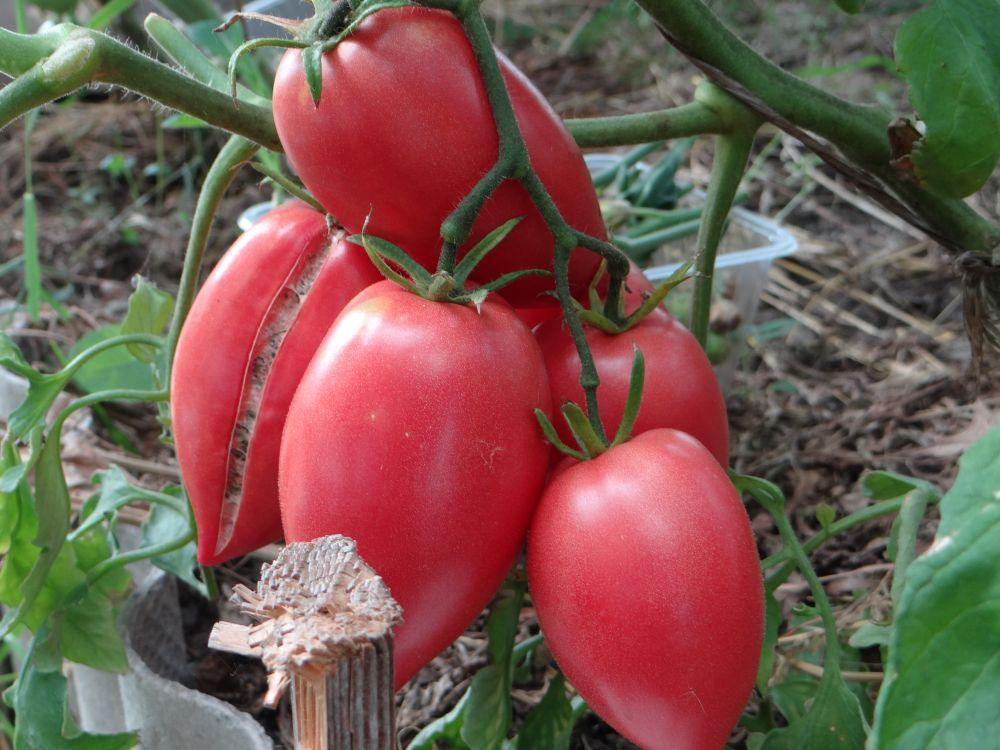
Pot-bellied house
This tomato is distinguished by its high yield, unusual fruit shape, and high sugar and micronutrient content. When ripe, the fruit acquires a beautiful red-orange color. The harvested crop stores and transports well. It is disease-resistant but requires staking and pruning, and has high soil fertility requirements.
Cio-chio-san
Tomatoes of this variety grow to over 2 meters in height, requiring timely staking and support. Yields are high, with each plant producing approximately 60 fruits. The ripe tomatoes have excellent flavor. They are cream-shaped and pink when ripe. This versatile crop is suitable for all types of use.
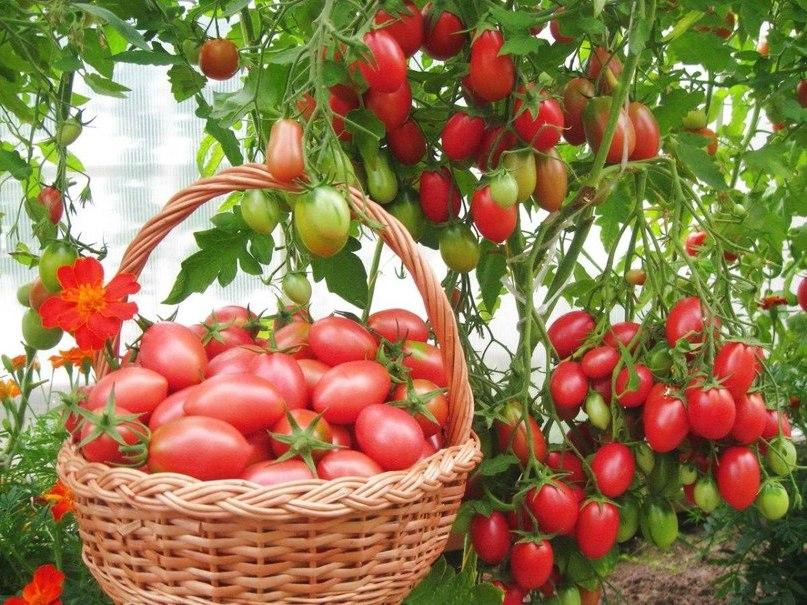
Apple tree of Russia
A standard, determinate tomato with early ripening. It requires no staking or side shoot removal. The plant is drought-tolerant and has increased resistance to major diseases. These tomatoes are suitable for storage and transportation, and turn red when ripe. Each fruit weighs up to 100 g, and up to 100 tomatoes are harvested from each plant. Harvesting lasts from early August until the first frosts.
Phytophthora resistant
An important characteristic of tomatoes recommended by experts for growing in the Moscow region is their resistance to late blight. Every year, breeders introduce several varieties with improved characteristics and excellent immunity to fungal diseases.
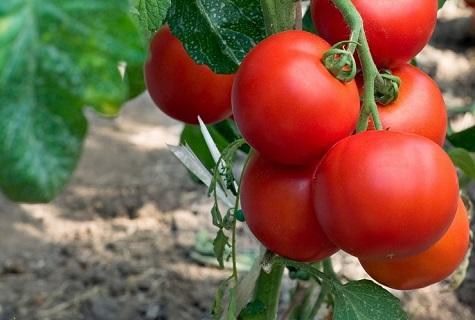
Fitous
This variety is distinguished not only by its excellent resistance to viruses and infections, but also by its juicy, sweet fruits. These tomatoes belong to the well-known cherry variety and continue to bear fruit until the first frost. A single plant produces up to 12 kg of fruit per season.
Demidov
The maximum height of this tomato variety is 0.6 m. They not only have increased resistance to late blight but also tolerate temperature fluctuations well. Fruit weight ranges from 80 to 120 g, with a yield of approximately 12 kg per square meter. The plant is undemanding in terms of cultivation and care. Tomatoes are often picked unripe and stored in a cool, dark place.
Sanka
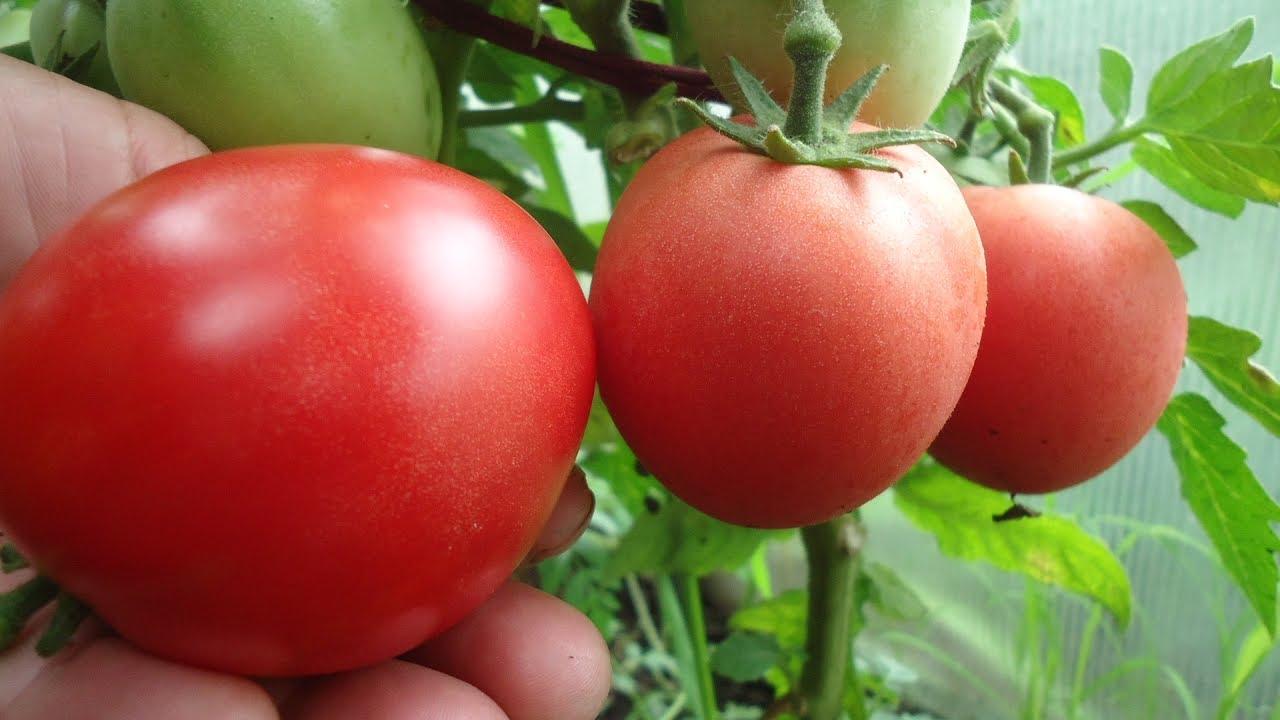
This variety is noteworthy not only for its strong immunity and low maintenance, but also for the excellent taste of its fruits, which contain increased amounts of nutrients. This low-growing tomato ripens very early. Each bush yields approximately 3.5 kg of tomatoes, and they ripen evenly.
Olya
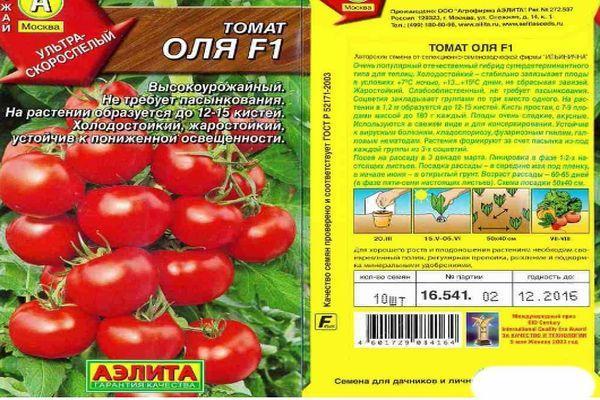
This hybrid requires little care and doesn't require pinching. It produces a consistent harvest. The flavor is excellent. Each tomato weighs between 130 and 150 grams. The yield is high. The fruits are widely used for fresh eating and canning.
Japanese black truffle
This variety is a favorite among lovers of exotic varieties. The fruits have an unusual pear shape and a reddish-brown color when ripe. This early-ripening tomato requires timely support. The flavor of ripe tomatoes is excellent. This versatile crop is widely used for storage and transportation.
The best low-growing varieties
Dwarf varieties significantly simplify plant care and harvesting. They also boast consistent fruit production and increased disease resistance.
Leningrad Chill
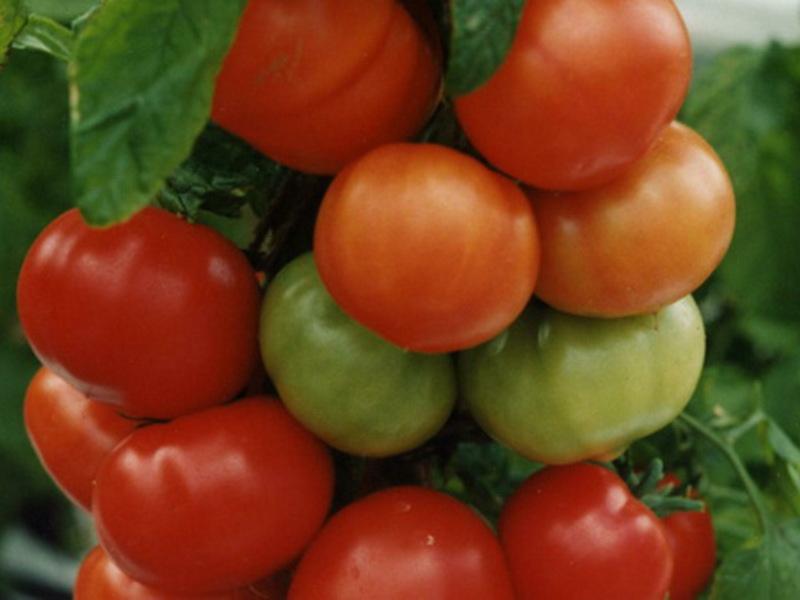
The tomato bush does not exceed 35 cm in height. Each bush produces approximately 3 kg of high-quality fruit. When ripe, the tomatoes acquire a beautiful glossy sheen and a red color. Thanks to their dense skin, the harvested crop is transported long distances and used for whole-fruit pickling and canning.
Barnaul Cannery
Tomato plants grow to only 40 cm. The fruits are elongated and turn bright red when ripe. The flesh is firm. Ripe tomatoes have excellent flavor. The crop is versatile.
Alsou
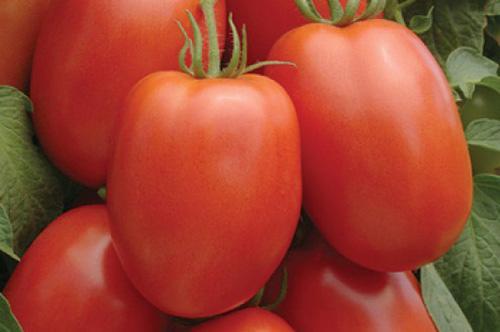
The tomato plant grows up to 0.8 m and requires timely support. Each tomato averages 0.5 kg. When ripe, the fruits turn pinkish-red and fleshy. The flesh has an excellent flavor. The harvest is used for fresh eating and processing; they are not suitable for whole-fruit canning or pickling.
Take a look Also

Snowdrop
This variety owes its name to its frost resistance. This early-ripening tomato doesn't require pinching. It does require hilling during cultivation. The fruits average 150 g in weight, have excellent flavor, and are used for canning.
Mirage
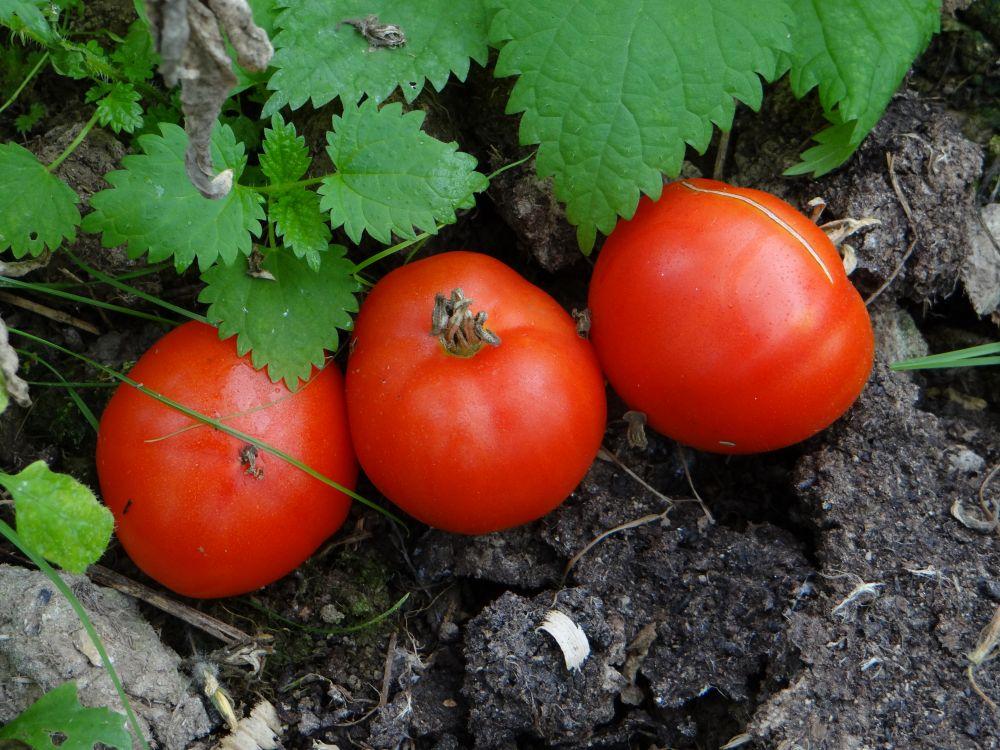
A mid-season tomato. The fruits are versatile, suitable for long-distance transportation, and retain their flavor and marketability for a long time. The harvest is consistent.
Cherry tomatoes are the best for the Moscow region.
The climate of the Moscow region makes it possible to grow small-fruited tomatoes, known as cherry tomatoes, in plots.
Honey drop
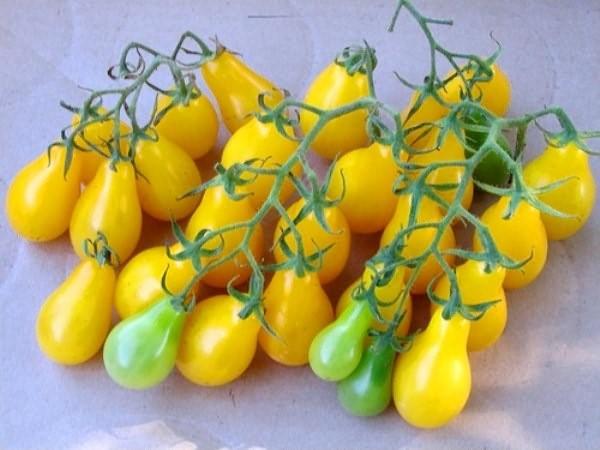
An indeterminate variety with a mid-early ripening period. The plant height exceeds 2 m. The fruits are pear-shaped, turning yellow when ripe. The flavor is excellent.
Hybrid Barberry
This tomato is distinguished by its ability to produce up to 60 round fruits on a single cluster. They have a sweet and sour flavor, with tasters rating it as average.
Ildi
Tomatoes of this variety are used for canning. They are considered a cocktail variety. When ripe, the small fruits turn yellow or orange.
How to avoid mistakes when growing
The Moscow region's climate makes it possible to grow tomatoes exclusively from seedlings. Seeds are sown no earlier than the end of March. Planting in open ground occurs after the soil has warmed and the threat of spring frosts has passed. To obtain a high-quality and abundant harvest, follow the recommended agricultural practices for each selected variety.
Don't constantly plant the same tomato variety in the same plot, even if it has shown good results. Several varieties are preferred. The fruits should be harvested immediately as they ripen, otherwise ripening will be significantly delayed.
Related posts:
 Description of the best varieties of black tomatoes for open ground and greenhouses
 Description of the best tomato varieties for open ground in the central zone
 The best tomato varieties for growing in the Leningrad region for greenhouses and open ground
 Description of the best tomato varieties for open ground and greenhouses in the Krasnodar region
 What varieties of tomatoes are best to plant in a polycarbonate greenhouse?
 The best eggplant varieties for growing in a polycarbonate greenhouse: planting and care
 Description and characteristics of the sweetest tomato varieties for greenhouses and open ground
 Description of the best tomato varieties for open ground in the Nizhny Novgorod region