
- Tomato diseases
- Fungal diseases
- Late blight
- Alternaria blight (macrosporiasis)
- Anthracnose
- White leaf spot (septoria)
- Cladosporiosis (brown olive spot)
- Gray rot
- Septoria (white rot)
- Phoma (brown rot)
- Powdery mildew
- Black leg (root rot)
- Viral diseases
- Mosaic
- Chlorotic curl
- Non-communicable diseases
- Blossom end rot
- Fruit cracking
- Green or yellow spot near the stalk
- Silver spots
- Eden (oedema)
- Soil phytotoxicity
- Curling of leaves at the tops of bushes
- Nutritional deficiencies
- Yellowing of tomato leaves
- Tomato diseases typical for greenhouses
- Processing period
- How to process
- Pharmaceutical products
- Chemicals
- Disease prevention
Tomatoes are a popular vegetable crop grown in both garden beds and protected areas. Tomato diseases can be viral, fungal, or non-infectious. These diseases are dangerous because they spread quickly throughout the plant, affecting leaves and fruit. Failure to recognize the disease promptly and take appropriate measures to eliminate it can result in loss of the harvest.
Tomato diseases
Tomatoes are susceptible to fungal, viral, and non-infectious diseases. A description of each will familiarize you with the signs of each, allowing you to recognize the problem early and take action to eliminate it.
Fungal diseases
Fungal diseases are common and often incurable. The following factors contribute to fungal infections:
- low temperature;
- high humidity;
- poor care.
Late blight
This is a rather insidious disease that, if left unchecked, will destroy the harvest. Rapidly spreading brown or grayish-brown spots appear on the leaves. If the moisture is excessive, a whitish coating appears on the foliage, and diffuse dark spots appear on the fruit.
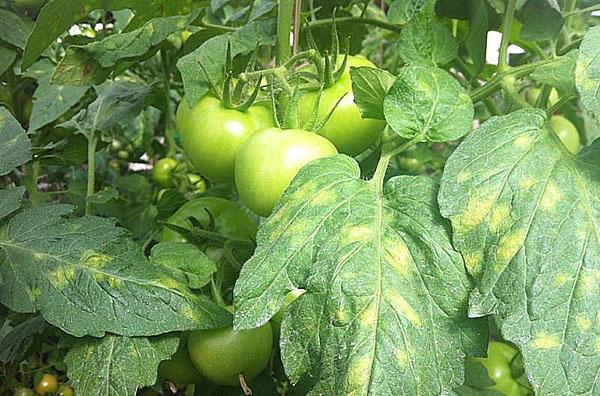
Alternaria blight (macrosporiasis)
This disease affects a large portion of the crop. Single black spots appear on the leaves, which later merge. Similar spots appear on the fruiting portion of the plant. Not only ripe fruit but also green fruit are affected. It develops under high humidity and temperature. Sudden changes in environmental conditions are also a prerequisite for the disease's development.
Effective means: "Quadris" at the initial stage; "Ridomil Gold" and "Metaxil" are effective in open ground.
Anthracnose
There are two types: foliar and fruit. The severity of the disease depends on growing conditions. With foliar anthracnose, the upper leaves wilt, exposing the stem. If the fruit is affected, sunken, dark spots form. The fruit then mummifies.
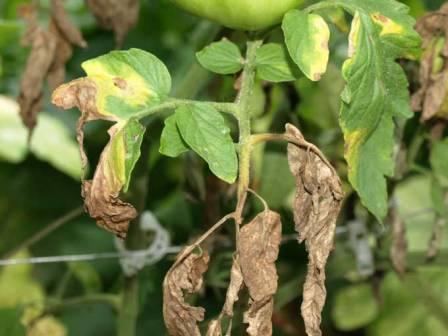
Effective products: "Agat-25" for seed treatment; "Quadris", "Strobi" for vegetative plants.
White leaf spot (septoria)
Half of the fruit is lost. Typically, the foliage near the soil is affected: it becomes spotted, turns brown, becomes deformed, and dries out. Conditions for development: temperatures from +15 to +27°C. OC, humidity - from 75%.
Cladosporiosis (brown olive spot)
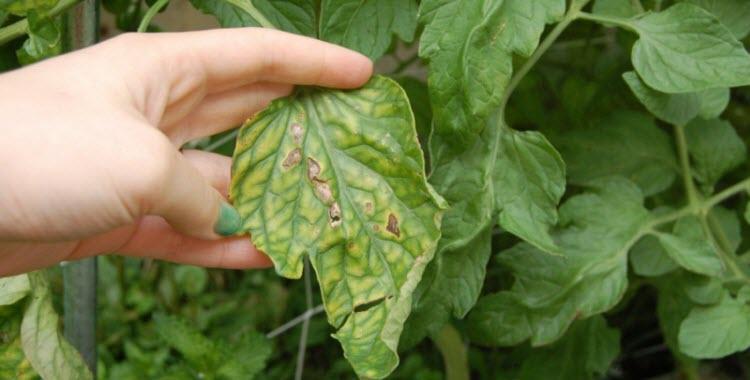
This disease is becoming less severe each season as resistant varieties are developed. When infected, orange spots form on the lower leaves, turning brown. These spots then develop a dark coating. It develops under conditions of excessive humidity and high temperatures.
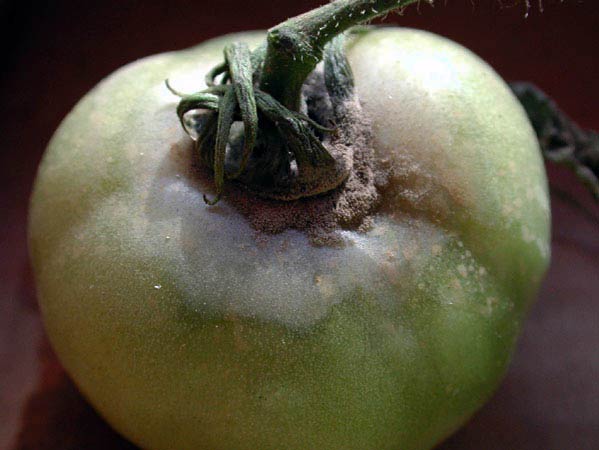
Gray rot
A dangerous disease that can destroy more than half of the harvest. The fungus spreads throughout the trunk, causing tissue necrosis. A white, grayish coating forms. The plant gradually wilts. The infection is transmitted from other plants. There are no varieties resistant to this disease.
Effective means: compliance with agrotechnical requirements, use of growth stimulants and chemical protection agents (Euparen Multi, Bayleton).
Septoria (white rot)
Crop loss occurs during storage. Rot spotting spreads through the above-ground portions. White rot most often occurs in areas of mechanical damage, such as crushing or cracking of the fruit. The source of infection is compost or soil. Soil tillage is recommended. Sclerotia in the soil are the main source of disease. Thorough disinfection is necessary after previous cultivation.
Phoma (brown rot)
A 3-4 cm spot appears on the fruit at the stalk. The disease spreads internally. The fungus enters the fruit through mechanical damage to the surface of the tomato. Treatment with copper oxychloride and Bordeaux mixture is recommended for prevention. Affected fruits should be disposed of immediately.
Powdery mildew
This disease causes the most damage to glass structures. However, its incidence has been declining recently. If a plant is infected, crop losses are significant. There are several pathogens that cause this disease:
- a white coating appears on the leaves, the shoots and stems change visually;
- First, yellow spots appear on the leaves, and then the entire leaf blade becomes covered with a coating.
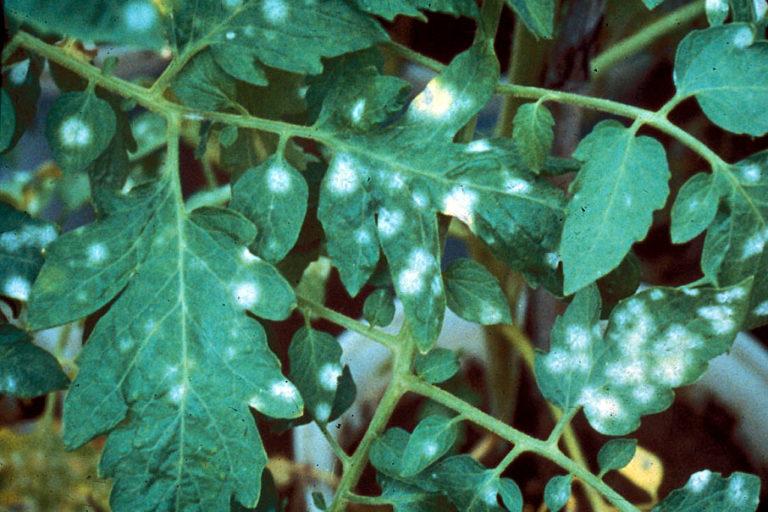
Low humidity, temperature, and poor watering are factors that favor the spread of the disease. Effective remedies include Topaz, sodium humate, Bayleton, Strobi, and Quadris. The effectiveness of these products can be enhanced by adding silicate glue.
Black leg (root rot)
This condition appears when grown in greenhouses. If the tomato plant is grown outdoors, it develops in a waterlogged area. It develops throughout the plant's lifespan. Yield loss is insignificant. It is identified by the appearance of blackening, a so-called "black leg," around the root collar and root. Rhizoctonia dangerous for unripe fruits.
In damp weather, the fruit quickly begins to rot. The bush then wilts. The plant weakens and becomes vulnerable to other diseases. Overwatering is a prerequisite for this. Mycelium may remain on the seeds. The best preventative measure is disinfecting the soil, seedlings, and seeds.
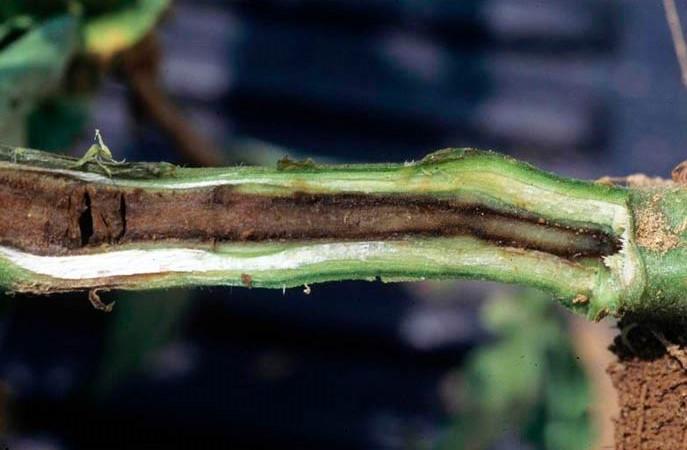
An effective remedy for severe lesions is Ridomil Gold.
Viral diseases
One of the diseases affecting tomatoes. If caused by a virus, it is incurable, and the plants will have to be destroyed. Careful care and protection from environmental stress can prevent the disease.
Mosaic
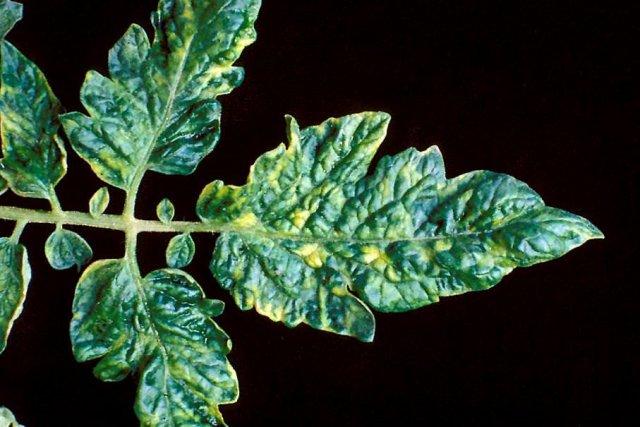
Damage affects more than half the crop, and in some cases, fruit does not form at all. In the initial stages, leaves are affected; they become deformed, brightly colored, and variegated, developing green spots similar to a mosaic (alternating light and dark shades). The virus begins to spread in tandem with other similar diseases. It is quite resistant to environmental changes. It spreads by seeds, plant debris, insects, and through the soil. The affected bush should be removed along with the root ball. The remaining soil should be treated with a potassium permanganate solution.
Chlorotic curl
Yellow leaf curl virus is transmitted by whiteflies. The disease makes the plant look unsightly. The foliage becomes chlorotic and deformed. The plant's coloring is uneven.
Non-communicable diseases
Such diseases are caused by poor care during planting and subsequent growth of seedlings, and by aggressive environmental influences.
Blossom end rot
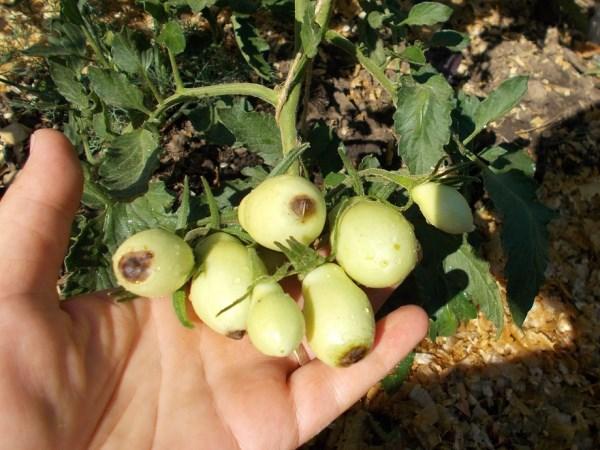
Stems are not affected. The first symptoms of the disease are characterized by the appearance of water-soaked spots on the foliage. White or brown spots appear on unripe tomatoes. Sometimes, up to a third of the fruit is affected, and the spots turn black. The causes of the disease can vary. It primarily affects large-fruited tomato varieties due to a lack of calcium ions, a pH below 6, and high temperatures.

Fruit cracking
This problem occurs when temperature fluctuates too much or when there's insufficient watering during dry periods. The solution is to increase watering.
Green or yellow spot near the stalk
A likely cause of yellow spot is poor lighting. Lighting in a greenhouse is closely linked to temperature conditions. This is typically a disease of greenhouse tomatoes.
Such formation may also be a feature of the genetic character of the variety.
Silver spots
The appearance of such spots is not a disease, but an anomaly. They occur due to temperature fluctuations during the day and night.
Eden (oedema)
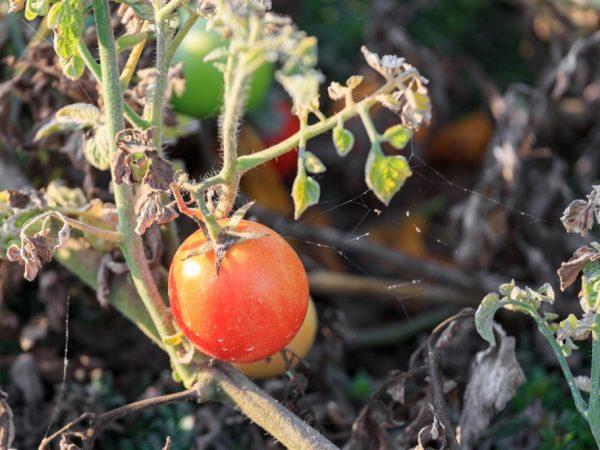
Leaf swelling occurs due to improper watering. Raised spots resembling white mold appear. A temperature imbalance between the soil and air can also be the cause. It is important that the plant has good ventilation.
Soil phytotoxicity
This soil condition occurs when fertilizers are used disproportionately; excessive fertilization is harmful to the plant.
Curling of leaves at the tops of bushes
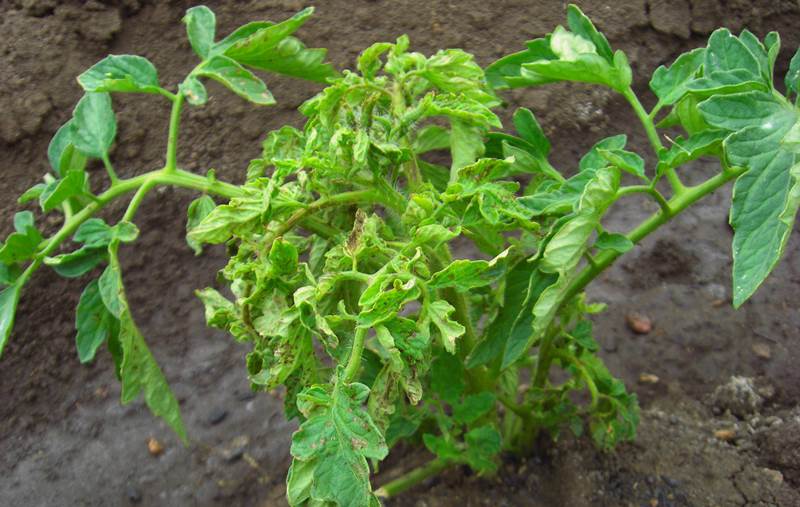
This occurs due to improper plant conditions: exposure to herbicides, improper watering, or inappropriate use of fertilizers. Curled leaves should be removed, and waterlogged soil should be loosened.
Nutritional deficiencies
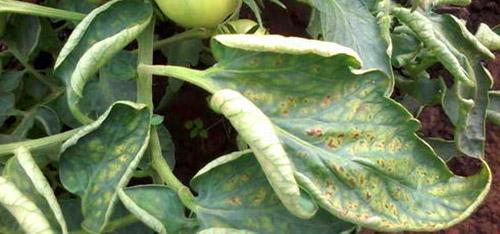
Deficiency of any element causes developmental delays and pathologies:
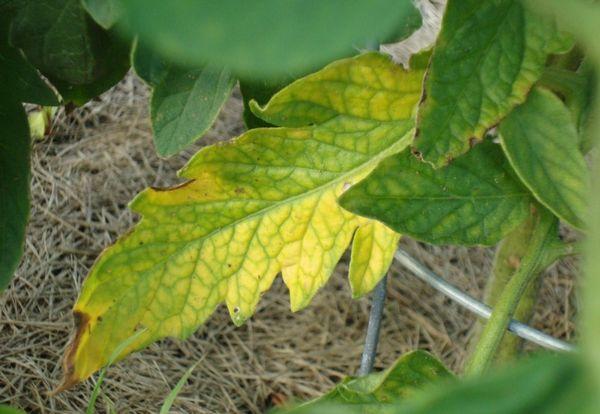
- nitrogen - leaves turn yellow;
- phosphorus - first the leaf blade turns blue, then black;
- potassium - the edges turn black, the fruits will be sour;
- iron - the surface of the leaf is yellow with a green vein;
- boron - poor fruit set;
- calcium - a gray or brown top appears on the fruits;
- magnesium - the leaf surface is yellow with a red vein;
- Manganese - symptoms are similar to mosaic disease, but appear on the upper leaves.
Yellowing of tomato leaves
Yellowing of plant leaves raises the question of the cause. There are several possible causes:
- Obstacle to the full development of the root system: the roots of neighboring bushes intertwine, preventing each other from breathing.
- Hypothermia: A sharp drop in temperature causes yellowing with a bluish tint.
- Damage to the root system during loosening and transplanting.
- Untimely or insufficient watering.
- Excessive humidity.
- Lack of valuable elements.
Tomato diseases typical for greenhouses
Tomatoes grown in protected ground are susceptible to most of the same diseases as those grown outdoors. The main causes of disease are poor crop rotation, excessive moisture, and poor ventilation in greenhouses, most of which are typically made of polycarbonate. The most common diseases are late blight, macrosporiosis, leaf mold, mosaic, and brown spot.
Processing period
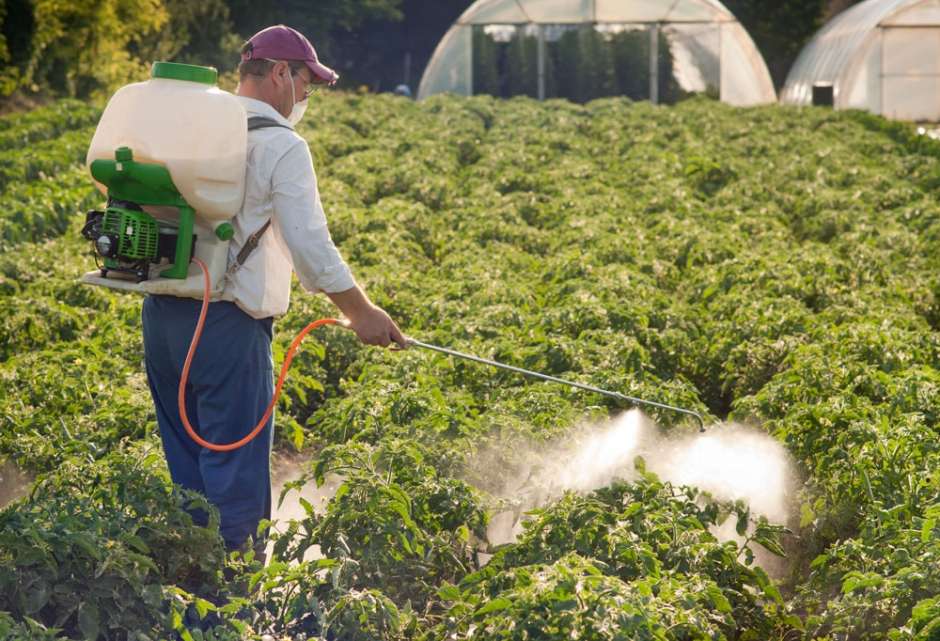
Timely plant treatment will, in most cases, save both the plant and the fruit. For late blight and early blight: during the growing season: first treatment at the first leaf stage, then at 10-day intervals.
For root rot: water the seedlings, then at 15-day intervals. For bacterial rot and black spot: spray at 15-day intervals.
How to process
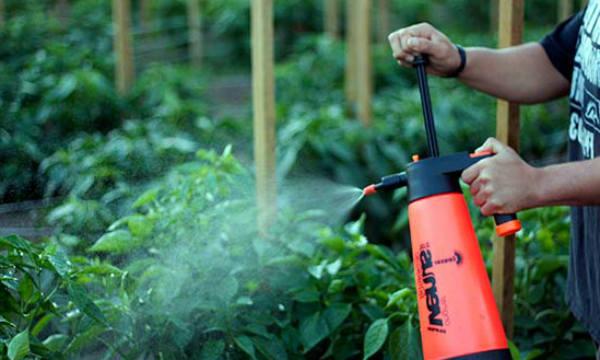
Treatment methods include the use of chemical and improvised (folk) remedies.
There are biological means to combat diseases:
- Trichodermin. For Alternaria, powdery mildew, and late blight, use in tandem with Gaupsin.
- "Pseudobacterin-2" is used to treat various types of rot, blackleg, late blight, and brown spot. Apply before planting and twice during the growing season.
- Fitocid-R is used to protect against fungal and bacterial diseases and strengthen the immune system. For pre-sowing treatment: dilute 5 ml in 0.5 liters of solution to treat 100 g of seeds. For seedling treatment: dilute 10 ml in 4 liters. For treatment during the growing season: dilute 7-10 ml in 10 liters of solution, apply 4 times every 10 days.

Pharmaceutical products
The fight for plant health is carried out with medicinal products that are not directly intended to destroy diseases:
- Trichopolum is an antimicrobial and antibacterial agent that is safe for plants but effective against pathogenic flora. To treat, dissolve several tablets in 1 liter of liquid and spray every 10 days. It is easily washed off, so repeat the application after rain.
- Furacilin. Used for late blight. Dissolve 1 tablet in 1 liter of liquid. Apply during flowering, fruit set, and at the end of the growing season.
- Calcium chloride effectively destroys pathogenic microflora.
Chemicals
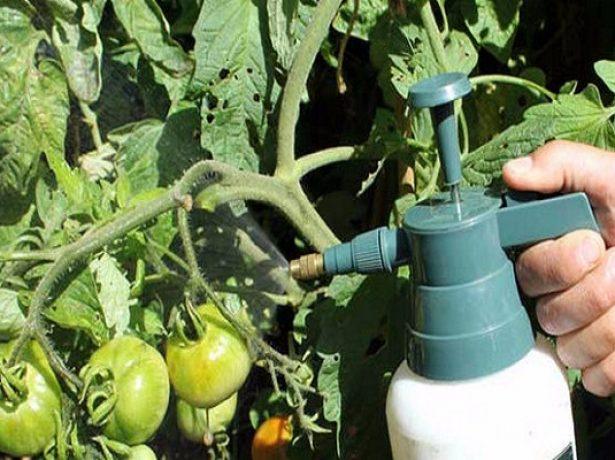
- "Quadris." Effective against Alternaria, late blight, and powdery mildew; apply three times every 10 days.
- Ridomil Gold MC. Used for late blight and early blight. Spray four times during the growing season.
- Rincozeb. Effective in controlling Alternaria and late blight of tomatoes; treatment is performed three times per season.
- "Strobi." Prevents the spread of powdery mildew and late blight. Apply twice, 10 days apart.
Folk remedies
In the early stages, it is recommended to spray with improvised means, they are not dangerous for the environment, humans and animals:
- Garlic infusion. Crush 45 g and add 10 liters of liquid. Apply once a month, starting when the ovaries appear.
- Celandine. Steam 0.5 kg of green parts in 10 liters of boiling liquid with 5 g of potassium permanganate.
- Tobacco decoction: 200 g of tobacco per 10 liters of boiling liquid.
- Dry tobacco with ash: mix and sprinkle on the plant.
- Iodine: 20 drops of iodine per 10 liters.
- Dairy products are fungal enemies. It's recommended to use kefir, whey with iodine, or skim milk. Dilute with equal parts liquid.
- Salt solution. Treat green tomatoes to prevent rotting.
Disease prevention
To prevent diseases it is necessary:
- adhere to crop rotation rules;
- steaming, soil disinfection;
- disposal of residues after cleaning;
- cultivation of resistant varieties;
- absence of pathogen reservoir cultures.
Only preventative measures, timely detection of the disease and its elimination will allow you to save the tomato bush and get a harvest.
Related posts:
 What is the best way to feed tomato seedlings to make them plump?
 Description and treatment of potato diseases, methods of control using folk and chemical means
 Causes and treatment of eggplant pests and diseases, how to combat them at home
 What fertilizers and when to use for feeding tomatoes in a greenhouse
 What is the best way to mulch tomatoes in open ground and greenhouses?
 The best eggplant varieties for growing in a polycarbonate greenhouse: planting and care
 Why cucumber leaves are drying out and what to do, how to treat them in a greenhouse and in the ground
 Causes and treatment of cherry diseases, methods of pest control