
To harvest tomatoes from a single plant for several years, choose perennial tomatoes. These tomatoes are ideal for growing indoors on a windowsill or balcony.
Many experts recommend the perennial tomato "Dream," as it meets all the requirements. However, there are other varieties that can also produce fruit for more than one season.
Rules for sowing seeds
To grow a perennial plant and reap a bountiful harvest for years to come, it's essential to provide the tomato with all the necessary conditions. This starts with proper seed sowing and careful seedling care. The optimal time for sowing is considered to be the first half of March. This will allow you to harvest ripe tomatoes early.
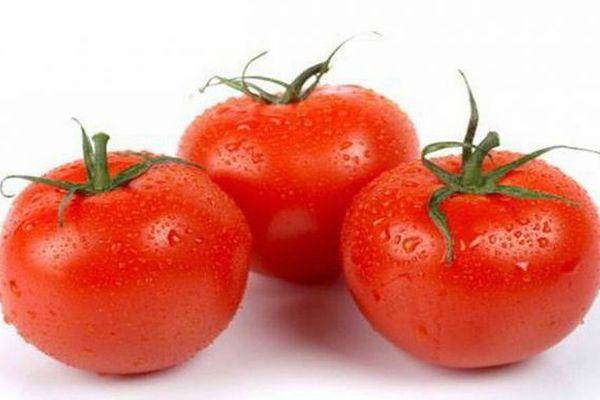
Even the most seasoned seeds can produce less-than-perfect seedlings. Therefore, the gardener's job is to prepare and disinfect the seeds. This is especially true for seeds collected from tomatoes grown last season. To ensure high-quality and healthy seedlings, soak the seeds in a potassium permanganate solution for 20 minutes beforehand. The solution should be slightly pink, otherwise the seeds will simply burn and fail to germinate.
After the material has been disinfected, it must be rinsed with water. Next, another important procedure is necessary to increase yield.
For example, Dream tomato variety It's considered quite productive. However, if you soak the seeds in a nutrient solution before planting, you can increase the yield by 30%. Epin, Immunocytophyte, and even potato juice can be used for this purpose. Aloe juice is a good stimulant. After this, there's no need to rinse the seeds with water. Simply dry them before planting.
Take a look Also

First, you need to prepare the soil. To do this, mix peat with sand and add a nutrient solution consisting of urea and superphosphate. For every 10 liters of nutrient mixture, use 10 g and 30 g of dry matter, respectively.
Peat pots are a great way to start seeds. This eliminates the need for pricking out the seeds, and you won't have to replant the seedlings. For tomatoes that will be grown for more than one season, pots with a diameter of 35 cm are ideal.
Fill each pot with prepared soil. Next, make small holes in the soil to place the seeds. You can place three seeds at a time, as 100% germination is not possible.
Caring for seedlings
To grow a vigorous plant that will produce fruit for years to come, you need to ensure that the seedlings are strong and resilient to all potential problems. Hardening off the seedlings is essential for this. This makes the plant resistant to various weather conditions and diseases.
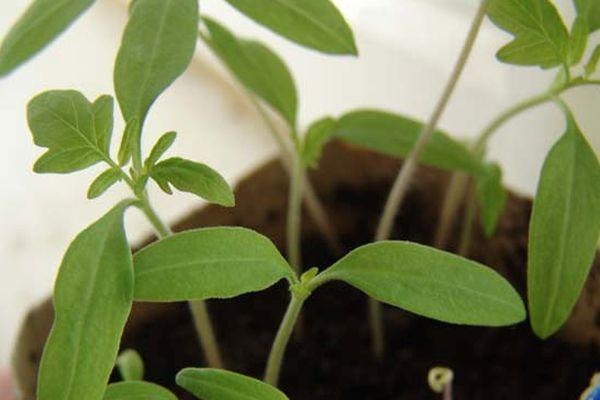
Once the seedlings have grown to a sufficient height of approximately 10-15 cm in the peat pots, hardening them off should begin. To do this, periodically take the seedlings outside. Increase the amount of time the seedlings are exposed to fresh air each day. Before planting them in their permanent location, they should be left outside for three days.
Transplantation into the ground
To grow perennial tomatoes, the plant needs to be given the opportunity to develop properly. It's best to grow the bush outdoors for the first season, but only if the summer is normal and the plant receives proper care.
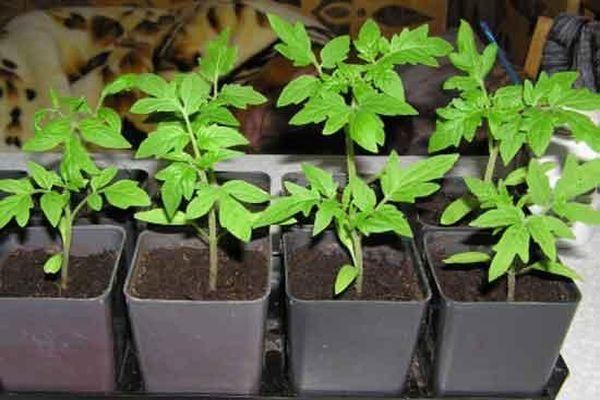
First, a gardener must select a suitable planting site. This should be a bed previously used for legumes or root vegetables. Tomatoes should never be planted in a spot where diseased bushes grew last season. Tomatoes should also be avoided near potatoes, as this can spread late blight.
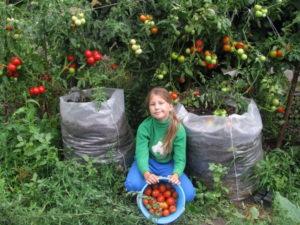
Tomatoes thrive in sunny locations, so it's best to avoid planting them in the shade of trees or near fences. Furthermore, choose a location that's as sheltered from the wind as possible. Dwarf varieties are typically used for growing perennial tomatoes, but even these can suffer if exposed to constant wind.
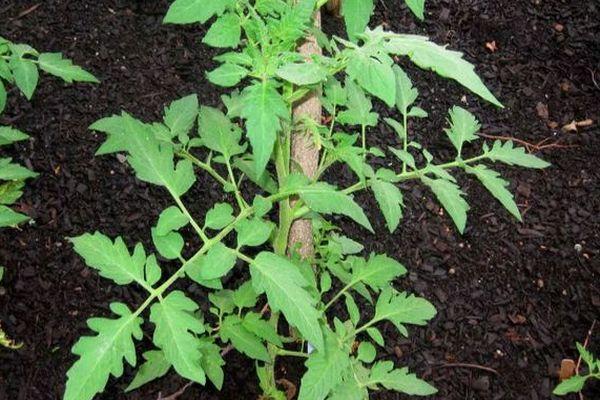
Planting should be done strictly according to the plan. For example, for the Dream variety, 4 bushes should be planted per 1 m² of fertilized soil. This will be sufficient for the plant to develop normally and obtain the necessary amount of nutrients from the soil.
After planting the bushes in their permanent location in the garden, they need to be fertilized. Next, water the plants. Initially, use warm water.
How to make a tomato perennial?
With proper care, a gardener can harvest quite a lot of fruit from each bush. Once the plant has produced all its tomatoes, you can consider extending the life of the bush. This is entirely possible with the right approach. However, it's important to remember that turning a regular tomato into a perennial one requires choosing the right variety. Many experts who grow tomatoes year-round recommend choosing Mechta, as this variety has all the necessary qualities for perennial cultivation.
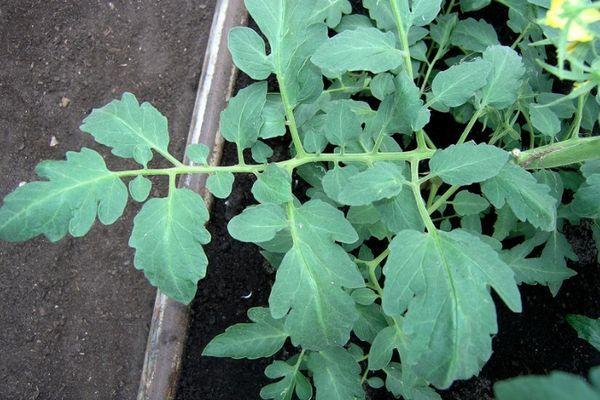
Dream tomatoes produce relatively low bushes. After the plant produces fruit during the summer season, carefully dig up the seedling and place it in a pot. However, this time, choose a large pot to give the tomato plant enough space.
Choosing the right time for repotting is crucial. The best time to do this is in the fall. Afterward, the tomato pots should be kept in a cool place. Ideally, overwintering at temperatures around 10-15°C.
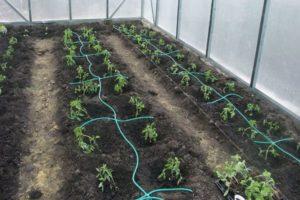
However, to preserve the annual plant and allow it to thrive, light is needed. Therefore, it's best to place tomato pots on a windowsill. A prerequisite for normal tomato growth is the application of mineral and organic fertilizers. In addition, the bushes need to be watered generously.
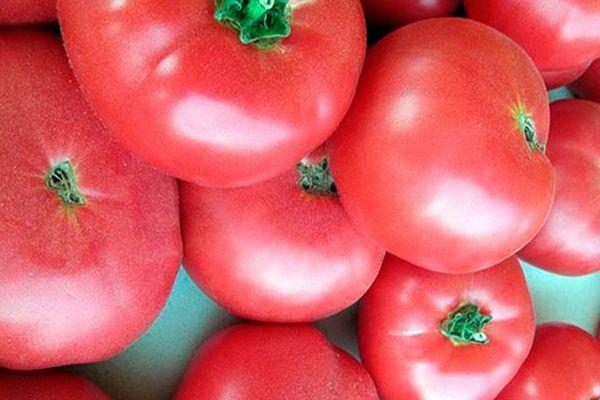
If tomatoes are growing in pots on a windowsill, the soil should never be allowed to dry out, as this will kill the plant.
With proper care, you can harvest tomatoes again next season. The second season won't produce as many tomatoes as the first, but it's still entirely possible to produce fruit from a single plant for several years. There are no particular difficulties involved. Caring for tomatoes on a windowsill isn't much different from growing indoor flowers. This way, you can keep a plant alive for two years, and sometimes even three.
Related posts:
 How to plant grapes step by step, with a description of the process and care
 How to propagate and grow peas, cultivation technology, and care in open ground
 Is it possible to grow an apricot tree from a seed in your garden? How to plant and care for it?
 How to properly plant peas in a greenhouse and open ground
 Description of the Bryanochka cherry variety, planting and care instructions
 How to grow grapes in the Moscow region in open ground without a greenhouse
 How and whether it is possible to graft an apricot, the choice of rootstock, timing and methods of budding
 Description of varieties of sowing peas and cultivation, to which family they belong
I've been growing a few tomato plants on my windowsill for two years now. It's important to remember that not all tomato varieties are suitable for this. It's essential to use a bioactivator, which I buy. BioGrow.