
- Tomato varieties for greenhouses
- Amur standard
- Anastasia
- Betta
- Valentina
- Mystery
- Golden brush
- Raspberry Giant
- Mandarin duck
- A gardener's dream
- Greenhouse early maturing F1
- Present F1
- Sanka
- Sweet bunch
- Superstar
- Meal
- Tomato varieties for open ground
- De-Barao yellow
- Gina
- Diabolik
- Marmande
- Present
- F1 Search
- Pudovic
- Rio de Grande
- Roma
- Tarasenko 2
- Wonder of the World
- Ultra-early
- frying pan
- Features of cultivation
- In open ground
- In greenhouses
- Care for early ripening varieties
- Watering
- Top dressing
- Processing of bushes and soil
- Reviews from gardeners
Thanks to advances in breeding, ultra-early ripening varieties of juicy tomatoes have been developed. These tomato varieties are characterized by early ripening, the ability to bear fruit in unfavorable climates, and resistance to low temperatures.
Tomato varieties for greenhouses
A significant portion of tomato varieties are grown in greenhouse conditions. The greenhouse creates a favorable environment for early ripening by retaining heat and protecting from external influences.
Amur standard
The Amursky Shtamb tomato variety ripens three months after sowing. The bushes reach a height of 1.5 meters and produce bright red fruits weighing approximately 120 grams. A single bush can yield up to 4 kg of fruit. The key characteristics of the Amursky Shtamb harvest are:
- flat-round shape;
- dense pulp;
- sweet taste.
Anastasia
Fruit tomatoes Anastasia They are distinguished by their burgundy skin and slightly oblong shape. The flesh has a typical sweet and sour flavor. The tomatoes are medium to small in size, weighing around 100 g. When ripe, they withstand long transportation well and ripen further when picked early.
Betta
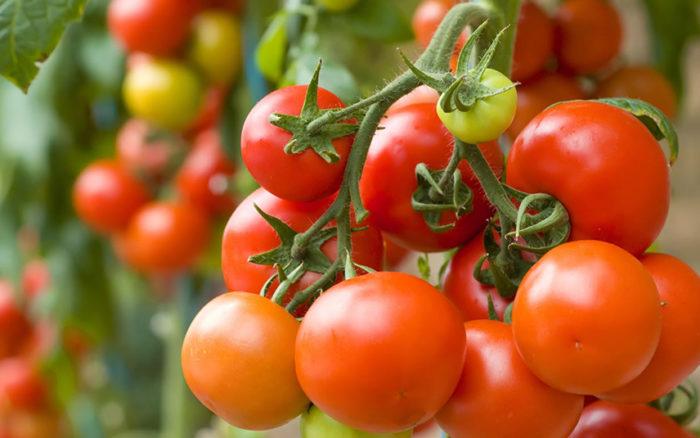
The ultra-early Betta tomato ripens on medium-density, standard-type bushes up to 50 cm tall. No staking or pinching is required during ripening. Each bush produces approximately 2 kg of fruit. The fruits are flat-round and weigh 50-60 g.
Valentina
Valentina tomatoes ripen 100-105 days after sowing. When planted in a greenhouse, partial removal of side shoots is required. Determinate bushes grow up to 60 cm and require staking. The fruits are resistant to infections and diseases and can tolerate short-term drought.
Mystery
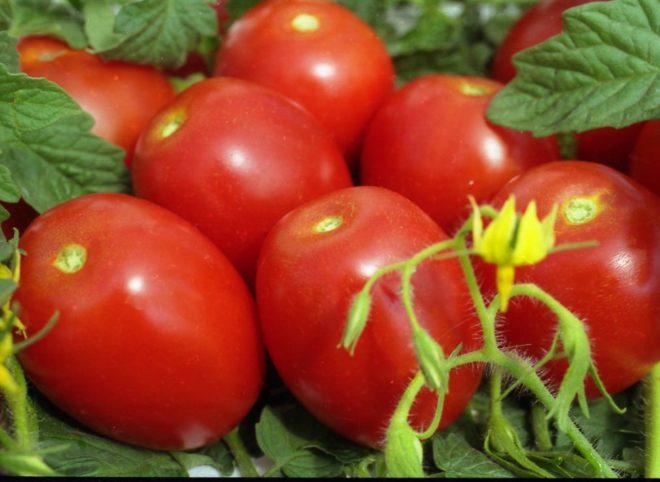
The Zagadka variety has a robust trunk, a height of approximately 60 cm, and a medium amount of foliage. From planting to harvest, the first harvest takes no more than 85 days. Distinguishing characteristics include minimal side shoots, good shade tolerance, and comprehensive resistance to common infections.
Golden brush
The main characteristic of the ultra-early Golden Brush tomato is its high yield. Up to 6.5 kg of fruit can ripen per square meter. The first harvest appears on the bushes 80 days after planting the seeds to produce seedlings. The bushes are tall, reaching 1.8 meters when grown in a greenhouse.
Raspberry Giant
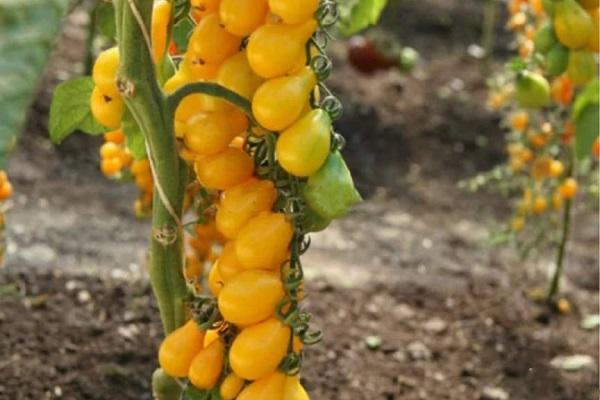
The determinate Raspberry Giant variety requires no growth control and boasts strong stems. Bushes range in height from 50 to 100 cm. The harvest begins three months after planting. Raspberry Giant is moderately resistant to major diseases and is resistant to late blight, as the fruit is harvested before sudden temperature fluctuations.
Mandarin duck
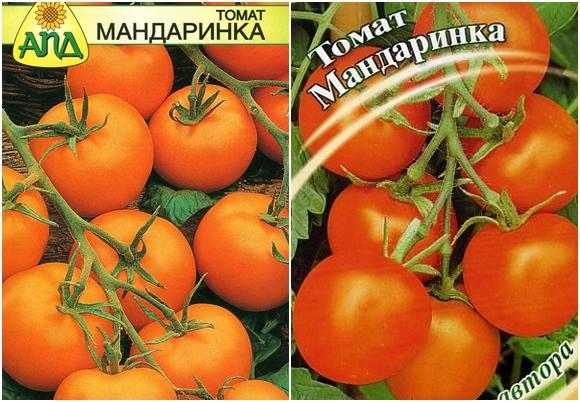
Mandarinka tomatoes require bright light and warmth. The plants begin to bear fruit 90-100 days after the first shoots emerge. The fruits are characterized by a round shape, a sweet flavor, and bright orange skin. Under favorable conditions, the plants reach a height of 1.8 m.
A gardener's dream
An early-ripening, high-yielding tomato variety, the Gardener's Dream yields up to 6-8 kg per square meter. The bushes are compact but branched. Plants reach 70 cm in height. The fruits are rounded and glossy. They weigh 140-180 g. The flesh is firm, juicy, and sweet.
Take a look Also

Greenhouse early maturing F1
The Greenhouse Early Ripening F1 hybrid tomato variety bears fruit 70 days after germination. The fruits are round, weighing up to 100 g, and have a firm texture. The harvest has a long shelf life and can be transported over long distances.
Present F1
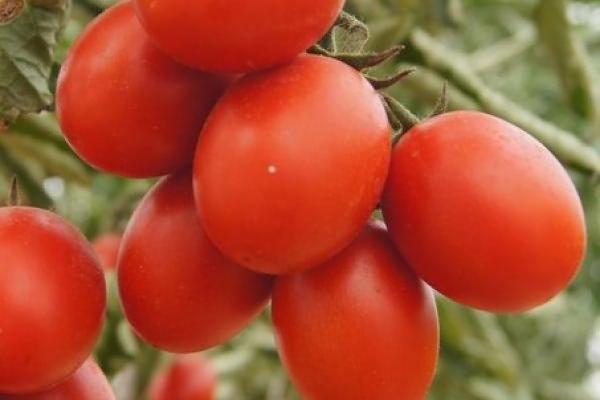
The Present F1 variety is a hybrid. The fruits of this variety are distinguished by their glossy skin. Each tomato weighs 120-150 g. The flesh is firm, slightly meaty, with a balanced sweet and sour flavor.
Sanka
Sanka tomatoes are low-growing, with plants reaching an average height of 50 cm. The fruits ripen 90-100 days after the first shoots emerge. The large, fleshy fruits have a sweet flavor. When grown in greenhouse conditions, a single tomato can weigh up to 150 g.
Sweet bunch
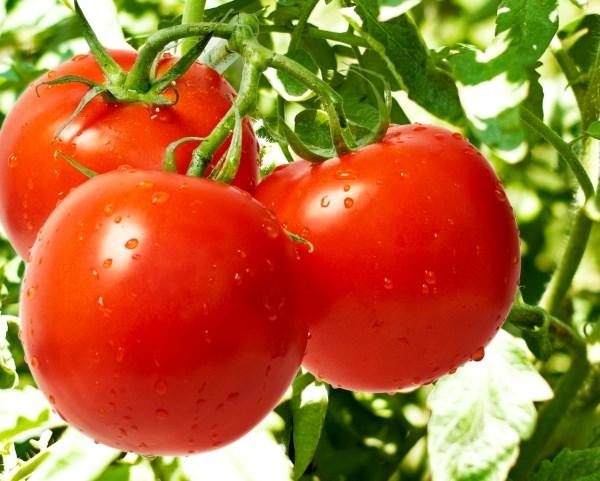
The ultra-early Sladkaya Brogs (Sweet Bunch) variety yields fruit 103-108 days after sowing. Maximum yields are achieved when the bush is formed into 1-2 stems. Bushes reach a height of over 2.5 m. Plants should be tied or grown on trellises.
Superstar
The main advantage of the Superstar variety is its large fruit size. Each tomato weighs up to 250 g. The fruit is distinguished by its bright red skin, firm flesh, and excellent flavor. Three months pass from the emergence of the first shoots to harvest.
Meal
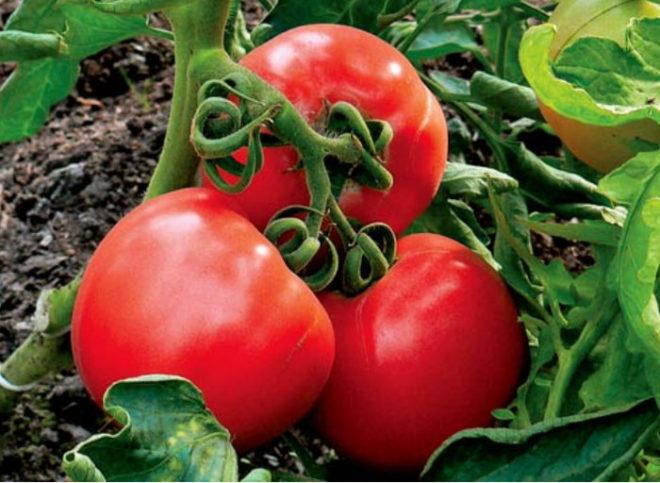
Trapeza tomato plants grow 150-180 cm tall, with moderate foliage and strong branching. Small, egg-shaped fruits weighing 17-20 g ripen three months after planting. The plants produce a consistent harvest even under extreme growing conditions, including drought and high temperatures.
Tomato varieties for open ground
Certain tomato varieties are suitable for growing outdoors. When planting these varieties, favorable environmental conditions must be created, as the plants will be less protected than when grown in a greenhouse.
De-Barao yellow
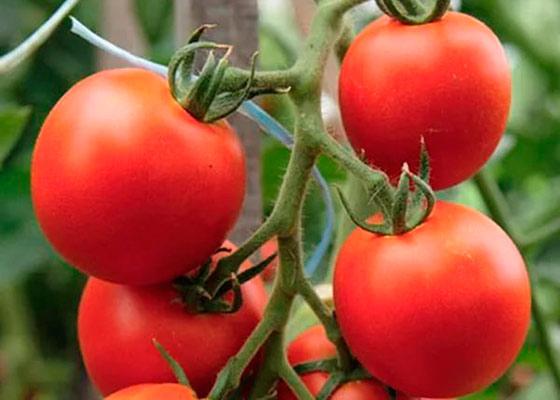
The De-Barao variety grows on bushes up to 3-5 meters tall. The size of the bushes depends on the soil type. The first fruits ripen 115-120 days after planting. The tomatoes have a noticeable sour taste. Each tomato weighs 40-90 grams. With proper care and a favorable climate, a yield of approximately 8-9 kg can be obtained from one square meter.
Gina
The Gina vegetable variety is a large-fruited variety. Early-ripening tomatoes weigh approximately 200 g and ripen on vines up to 60 cm tall. The skin is thick and slightly ribbed. Each bunch produces 3 to 6 tomatoes. Gina is renowned for its excellent flavor and consistent yield.
Diabolik
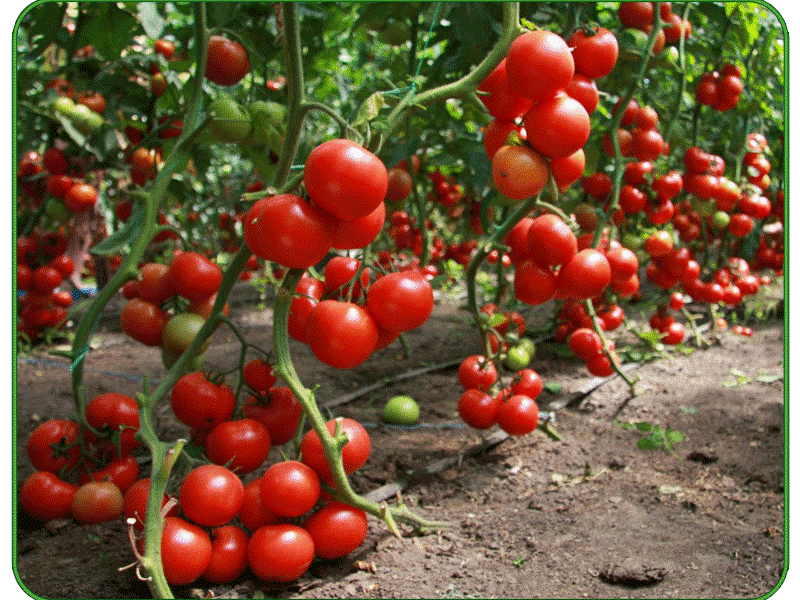
The Diabolik variety is considered a determinate hybrid. The plants are limited in growth, reaching a height of no more than 1.6 m. Diabolik is distinguished by strong stems and dense foliage. It takes approximately 3.5 months from the formation of the first shoots until the harvest is fully ripened. The fruiting period can extend for up to a month.
Marmande
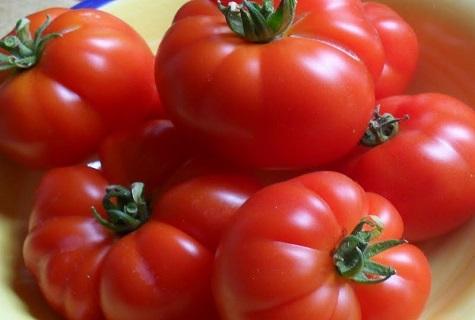
Marmande tomatoes The fruits ripen in 85-90 days. The bushes reach a height of 1.5 meters. The main advantages of the Marmande variety are its stable yield and resistance to several diseases, including verticillium wilt and fusarium. When ripe, the fruits are red, have firm flesh, and minimal seeds.
Present
The ultra-early Podarok variety is suitable for growing in southern regions. The low-growing bushes require constant light and a warm climate. Ripening occurs in 109-120 days. A single square meter can yield up to 8 kg of fruit. The fruits are round, deep red, and weigh approximately 100 g.
F1 Search
The Poisk F1 hybrid is renowned for its high resistance to many common vegetable diseases. This variety's bushes are medium-sized and reach a height of no more than 1 m. Achieving consistently high yields is only possible with proper plant training.
Pudovic
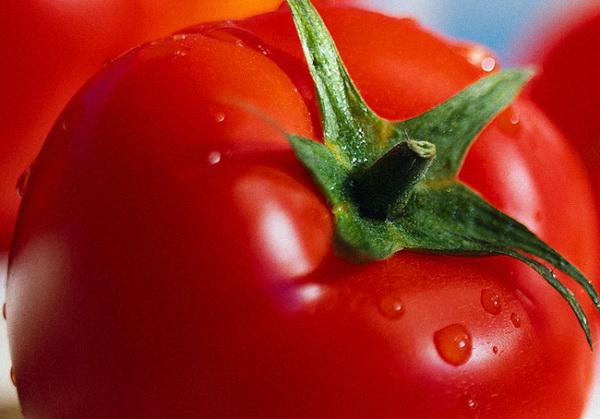
When grown outdoors, the Pudovik variety matures in 110-115 days. The bushes reach a height of 1.8 m and have spreading branches. Pudovik requires regular removal of side shoots and securing with supports. The average yield is 4.8-5 kg per bush.
Rio de Grande
Rio de Grande tomatoes They have firm flesh and a slightly tart flavor. The bushes are compact, with a moderate amount of foliage. The plants do not require side shoots or support. This variety is prized for its low maintenance, good shelf life, and ability to ripen further after harvest.
Roma
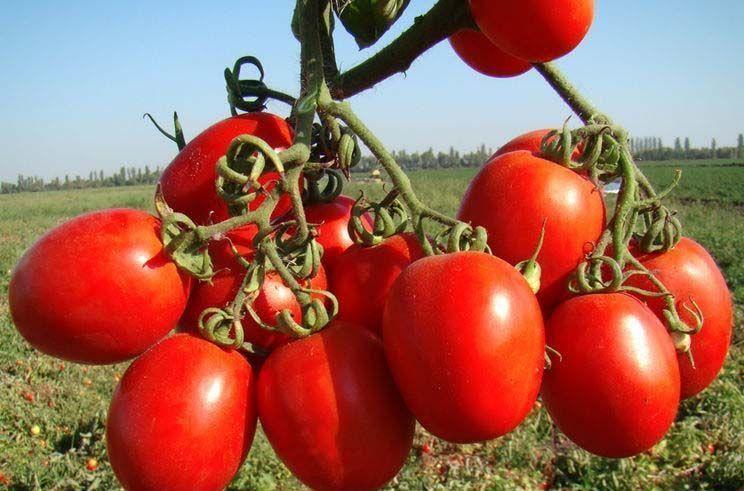
A variety bred by American breeders Roma tomatoes Characterized by vigorous, spreading bushes, this variety is recommended for open-air planting in southern regions. The vegetables are resistant to common diseases but react negatively to high humidity.
Tarasenko 2
The high-yielding Tarasenko 2 variety produces fruit reliably with proper care. Each tomato weighs approximately 90 g. The bushes reach a height of 2.2 m. During growth, regular side shoot removal, tying to a support, and training into multiple stems are required.
Wonder of the World
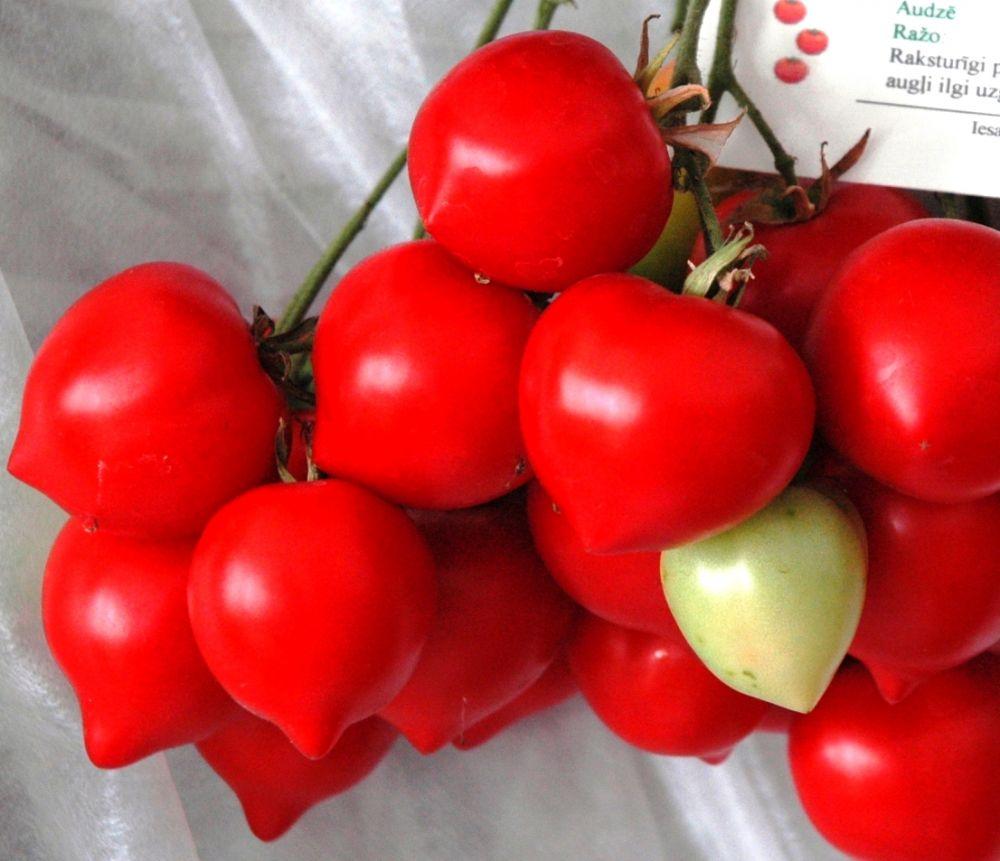
For cultivation Chudo Sveta tomatoes It takes 100 to 110 days. When growing vegetables outdoors, provide protection from wind. With proper care, the plants grow up to 2 m tall and produce yellow fruits weighing up to 100 g. The tomato flesh is dense and fleshy, with 3-4 chambers.
Ultra-early
The ultra-early Moscow variety produces round fruits weighing up to 100 g. According to the variety's description, tomatoes can be grown both in open ground and in a greenhouse. Positive characteristics include:
- high yield;
- long shelf life;
- disease resistance.
frying pan
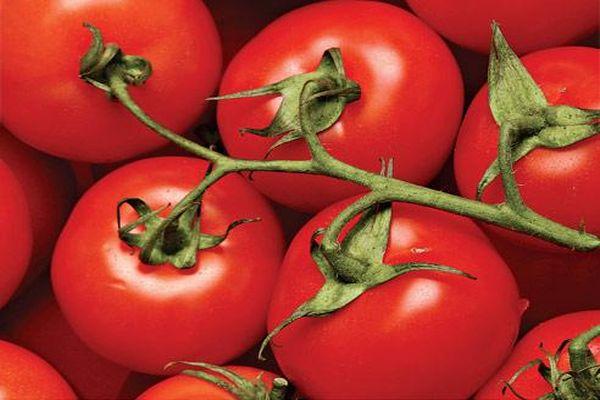
The early-ripening Skorovodina tomato variety yields up to 2 kg per plant. The fruits are resistant to late blight, as they ripen in less than 100 days. The variety's bushes
The frying pan plants reach a height of no more than 0.5 m, do not require pinching and have an average density.
Features of cultivation
To grow a large harvest with excellent flavor, several nuances must be observed. Planting techniques depend on soil type, environmental conditions, climate, and other factors.
In open ground
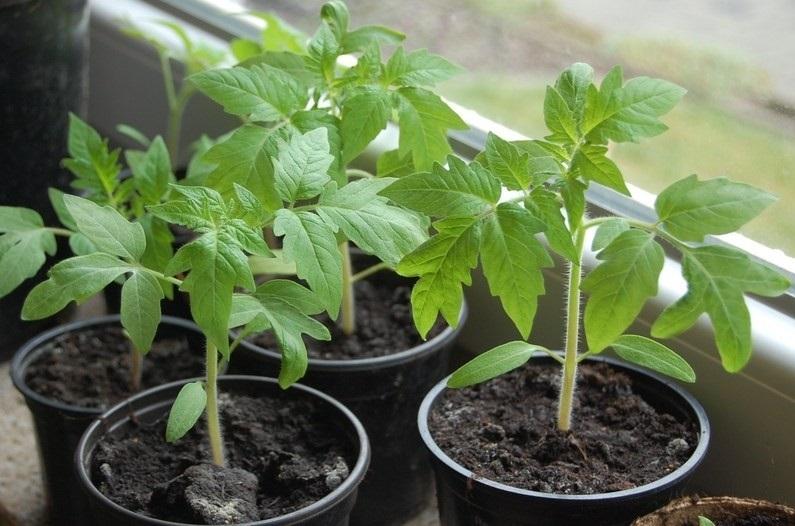
When planting seeds in open ground, you'll need to carefully select the location for the seedbeds. The seeding area shouldn't be located in low-lying areas to avoid groundwater flooding. You'll also need to provide protection from strong winds and select a well-lit area.
In greenhouses
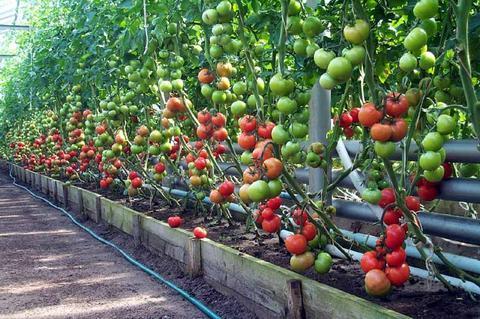
When using a greenhouse to grow crops, it's important to ensure the right temperature for proper ripening. Excessive temperatures and humidity can significantly reduce yields. Ensure adequate ventilation and pre-treat the soil in the greenhouse.
Care for early ripening varieties
The process of caring for tomatoes that fall into the early ripening category involves periodic watering, fertilization, and pest and infection control.
Watering
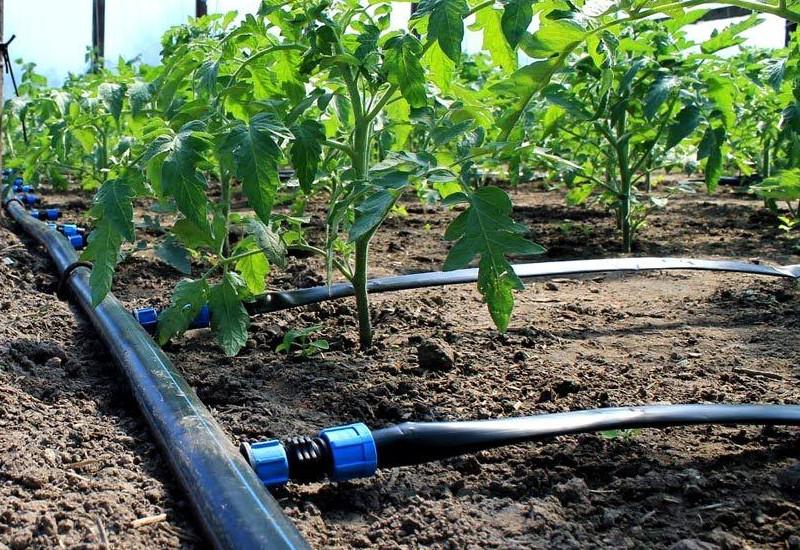
You should start watering tomatoes 12-14 days after planting.Plants grow more slowly in waterlogged soil, so the following guidelines should be followed:
- 4 liters per square meter before flowering;
- 12 liters per square meter during the flowering and fruit formation period.
In the absence of precipitation, it is recommended to water every 5-7 days, checking the soil condition first. The optimal water temperature for irrigation is above 22 degrees Celsius.


Top dressing
Tomatoes require several fertilizing applications during their growth phase. The first application is before sowing the seeds. These applications include wood ash, boric acid, nitrophoska, and superphosphate. The next applications are made a week after planting, once the seedlings are well established. For active growth, mullein and manganese sulfate are required. Fertilizing is also necessary during budding, flowering, and fruit formation.
In the final stages of growth, the root system requires large amounts of phosphorus and potassium.
The amount of fertilizer applied is 0.5-1 liter per bush. A solution of boric acid and sugar can be used as an additional fertilizer to attract pollinating insects. If the ambient temperature is high and the flowers are shedding, spray with a nutrient mixture at a rate of 5 g of boric acid per 10 liters of liquid.

Starting in the second half of July, it's necessary to stop applying fertilizer. Additional feeding, as well as excess moisture, during this period leads to intensive foliage growth and delayed harvest ripening.
Processing of bushes and soil
To combat diseases and pest infestations, plants will need to be treated with protective agents. In addition to standard insecticides and fungicides, treatments with the following substances are also used:
- Fitosporin. Tomatoes are sprayed after the first fruit appears, then repeated every ten days of the month. The Fitosporin solution can be poured into the holes for the bushes before planting or added to the water for irrigation.
- Trichopolum. Dissolve 1 tablet in 1 liter of water and spray whenever symptoms of late blight are detected.
- Bordeaux mixture. A few days before flowering, as a preventative measure, spray the plants with a mixture of a couple of tablespoons of copper sulfate and 10 liters of water.
Wood ash, which provides a wide range of beneficial components, including magnesium, calcium, and sodium, can be combined with the above-mentioned preparations. Ash dusting is performed a few days after planting and repeated during fruit set.
Reviews from gardeners
Ivan Matveevich Sokolov, retiree: "I've been growing different varieties of tomatoes in my garden for several years now. The yield is consistently high, and I haven't had any pest problems. I follow the usual care guidelines, but I have to water less frequently due to the frequent rains."
Elena Zimkina, housewife: "I planted tomatoes in a greenhouse for the first time last season. To be on the safe side, I chose several varieties. I ended up harvesting over 40 kg. The tomatoes have a sweet and sour flavor, typical of tomatoes, but very pleasant."
Natalya Vasilyevna Korchik: "I plant tomatoes every year at my dacha. I don't have the space to build a greenhouse, so I grow them in the garden. My favorite varieties are Marmande and De Barao. I'd like to point out how easy they are to care for. The only downside for me is the large amount of foliage that needs to be trimmed."
Related posts:
 80 Best Eggplant Varieties for Different Regions with Descriptions and Characteristics
 Description of the best varieties of black tomatoes for open ground and greenhouses
 The best eggplant varieties for growing in a polycarbonate greenhouse: planting and care
 The best grape varieties for growing in the Urals, planting and care rules in summer
 What varieties of tomatoes are best to plant in a polycarbonate greenhouse?
 Description and characteristics of the sweetest tomato varieties for greenhouses and open ground
 Description of blight-resistant tomato varieties for open ground and greenhouses
 Description and characteristics of the best tomato varieties for outdoor cultivation in the Urals