
- Where is the best place to grow tomatoes?
- The best varieties
- For greenhouse conditions
- For open area
- How to prepare soil for tomatoes
- In the greenhouse
- In open ground
- Agricultural technology of tomatoes
- Temperature, lighting and humidity
- Pinching out tomato seedlings
- Proper watering
- Bush formation
- Loosening and mulching
- Hilling
- Fertilizer
- Pollination
- Protection from pests and diseases
Growing vegetable plants requires following certain rules during planting and subsequent care. By following the nuances of tomato growing techniques, you can achieve a bountiful harvest with minimal labor.
Where is the best place to grow tomatoes?
Different tomato varieties are suited to specific regions. Some varieties only yield fruit in hot climates, while others can thrive in any weather conditions. The variety also determines the planting location—whether in the open ground or a greenhouse.
The best varieties
From the wide variety of tomatoes, you can choose the best varieties for growing in a greenhouse or outdoors. When choosing tomatoes, consider their temperature tolerance, ripening time, growth characteristics, and a number of other factors.
For greenhouse conditions
Indeterminate tomato varieties are most often grown in greenhouses. These varieties are bushy, open-growing plants with thick stems that produce numerous clusters during the growing season.

In practice, the best yields among greenhouse varieties were demonstrated by Kasamori, King of Giants, Pink Paradise, Sir Elian, and Cio-Cio-San. Each of these varieties is reliably productive and resistant to common infections.
For open area
When choosing varieties for open-air cultivation, it's recommended to choose early-ripening tomatoes, which are compact and don't require pruning. Careful selection of the appropriate variety is important, as some varieties thrive and produce fruit best outdoors. The best varieties for open-air cultivation include: Bull's Heart, Raspberry Giant, Premium, Flash, and Mikado.
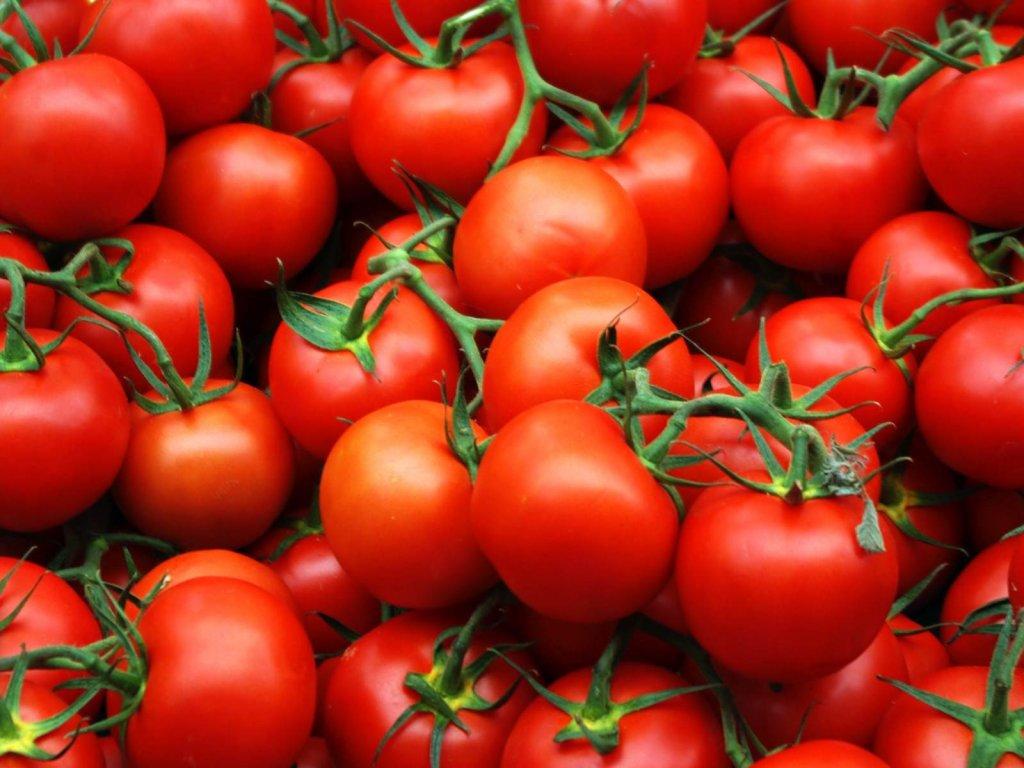
How to prepare soil for tomatoes
Soil preparation contributes to the correct formation of the root system and the growth of bushes. Depending on where tomatoes will be grown, there are several specific features of preparatory work.
In the greenhouse
Soil in polycarbonate greenhouses quickly loses nutrients and becomes unusable after a couple of years. When planning tomato planting, add the following fertilizing nutrients to the soil:
- turf soil;
- humus;
- compost;
- peat.
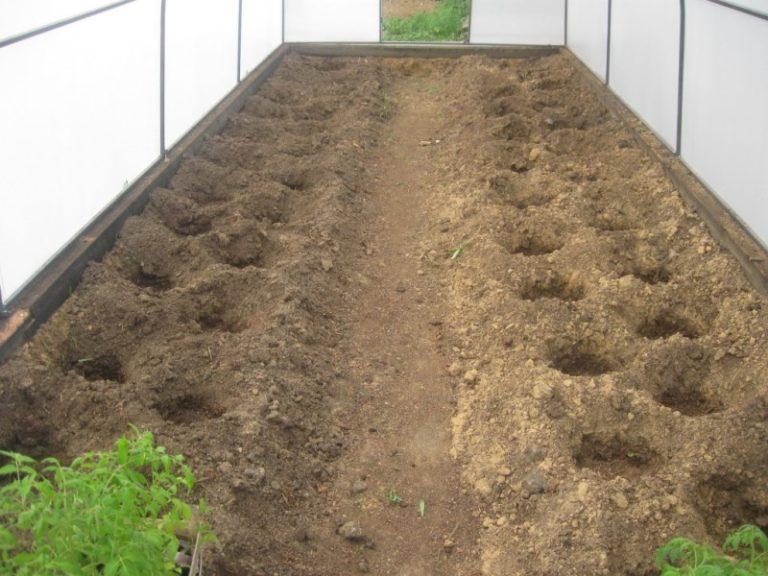
Preparatory work is carried out in two stages. In the fall, organic matter is added to the soil, removing the top layer to a depth of at least 30 cm. Dried weeds, peat, or old broken branches are used as a base for greenhouse beds. The base is then covered with fertile soil mixture. A month before the onset of frost, it is recommended to cultivate the soil to increase nitrogen concentration. This will help the tomatoes develop more vigorously after planting.
You can also improve soil fertility by adding potassium salt and superphosphate.
With the arrival of spring, the soil is loosened, cleared of sprouted weeds, and sprinkled with wood ash. If fertilizer was applied in the fall, re-fertilization is not necessary. Spring treatment is carried out a week before planting.
In open ground
When planting tomatoes outdoors, you'll need to prepare loose, fertile soil rich in organic matter. After harvesting the previous crops, dig up the soil and remove plant debris. Then, add compost, superphosphate, and ash. Avoid breaking up all the clumps of soil before winter, as they will allow the soil to better absorb meltwater in the spring.
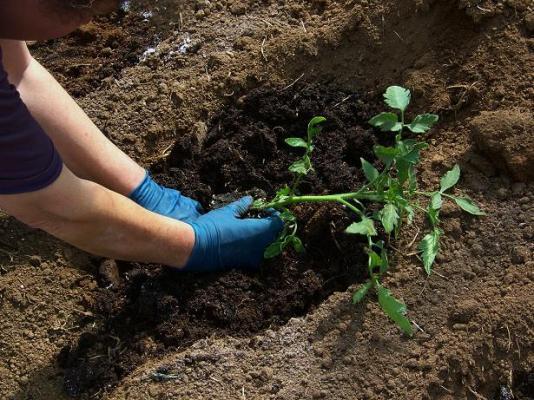
Once the soil has thawed, dig it over several times. If the soil is dense, add vermiculite. Compost or manure can be added during digging to improve fertility.
Agricultural technology of tomatoes
To obtain a bountiful tomato harvest, it's essential to create favorable environmental conditions and ensure comprehensive care for the seedlings. Strict adherence to proper agricultural practices will help avoid common problems and increase yields.
Temperature, lighting and humidity
Most tomato varieties are heat-loving, and the ambient temperature and soil temperature at the planting depth are important factors for them. Tomatoes should be kept at temperatures no lower than 15 degrees Celsius, as roots will not develop at lower temperatures. Before planting, check the weather forecast and ensure there is no risk of frost.

Depending on the stage of crop development, the optimal temperature changes:
- From the moment of sowing until the first shoots appear, the temperature is maintained within 15-20 degrees.
- When the first tomato sprouts appear, the temperature is lowered to 12-15 degrees Celsius during the day and at least 8 degrees Celsius at night. These temperatures should be maintained for 5-7 days.
- During the following period, the required temperature is 20-26 degrees in clear weather and 17-19 on cloudy days.
Throughout the growing season, tomato plants require constant natural light, so they should be sown in a sunny location. If the plants are planted in greenhouses or indoors, supplemental light sources should be used to compensate.
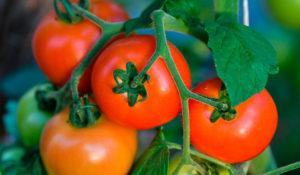

The optimal humidity for growing tomatoes is 60-70%. Lower humidity can delay plant development. Excessive humidity increases the risk of late blight and various types of rot.
Pinching out tomato seedlings
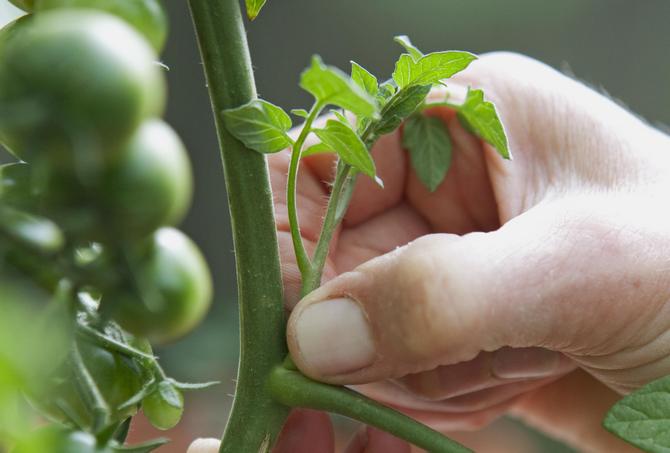
The first side shoots appear on tomato plants while the seedlings are still growing. These side shoots are part of the main stem, and over time, clusters of fruit form on them. To avoid overloading the plants with fruit and prevent the vegetables from becoming smaller, remove excess side shoots periodically.
When planting tomato seedlings, immediately remove all side shoots, which reach about 1 cm in length by the time of transplanting. This is a labor-intensive process, but it helps reduce the complexity of subsequent care. After transplanting the plants to their permanent location, tomatoes begin to actively develop shoots, so it's important to inspect all the plants weekly and remove side shoots before they become too large.
Proper watering
Until germination, the soil containing the seedlings is misted once a day and covered with protective film. Subsequently, the cover is removed and the seedlings are watered twice a week. The optimal water temperature for seedlings is 20-25 degrees Celsius. It's best to heat the water naturally, as boiling depletes the oxygen needed by the seedlings.
After transplanting the seedlings to their permanent location, do not water the tomatoes for 7-10 days. Then, moisten the soil as it dries, using 3-5 liters of water per plant. Water the tomatoes only at the roots, which is especially important during flowering. Overhead irrigation can cause bud drop and delay fruit set. It can also encourage fungal diseases. During flowering, reduce the amount of water to 1-2 liters per plant.
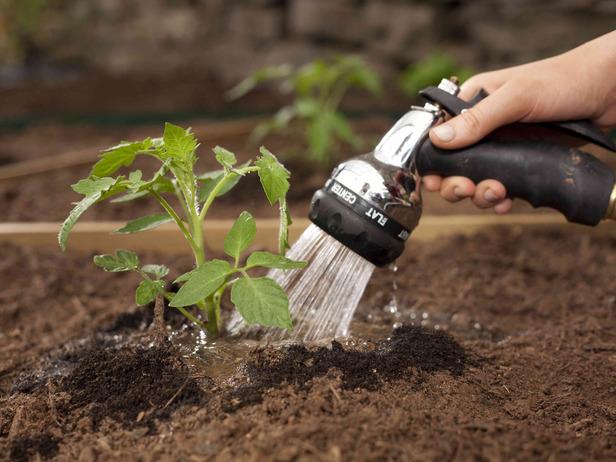
During the fruiting period, water tomatoes 1-2 times a week at a standard rate. If you miss the next watering and the soil dries out significantly, reduce the amount of water to 1 liter per plant. Otherwise, the tomatoes will fall off and crack.
Bush formation
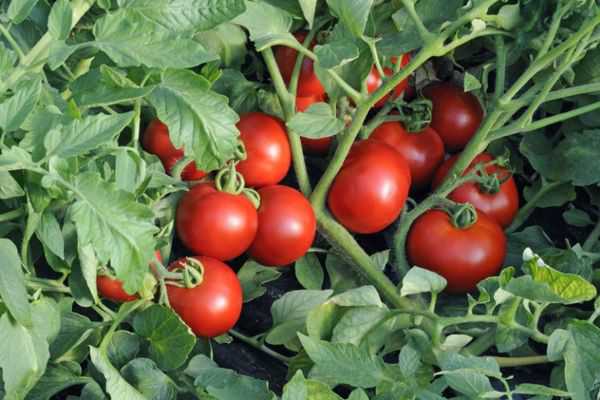
Plant shaping involves removing yellowed leaves and deformed and damaged branches. Shaping is necessary to ensure that nutrients from the soil reach only healthy parts of the plant. Pruning also helps remove excess foliage to allow natural light to reach the fruit.
Loosening and mulching
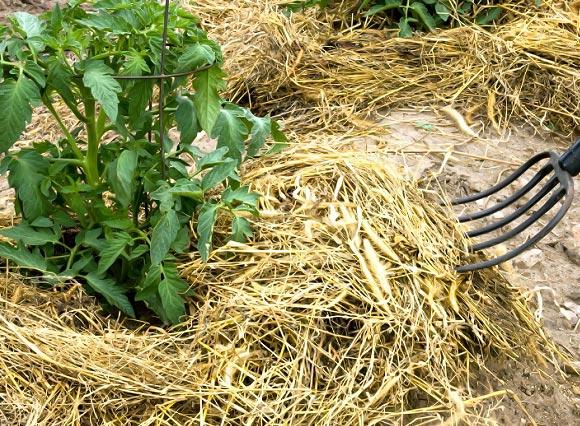
Mulching involves covering the soil with a layer of loose mulch, which can include sawdust, wood chips, leaves, compost, and other materials. This technique reduces the need for watering by allowing the soil to dry out slowly, even in hot climates. The mulch layer creates favorable conditions for microorganisms, which enrich the soil with nutrients.
Loosening the soil is the most convenient method of mulching. Each watering should be followed by loosening to prevent the soil from crusting or cracking. Loosening should be done to a shallow depth.
Hilling
Hilling is necessary when small, white, knobby growths form at the base of the stems. These growths are the beginnings of an additional root system and occur due to a nutrient deficiency. During hilling, gently rake the soil toward the base of the bushes to create a mound about 10 cm high.
During one season it is sufficient to carry out hilling no more than twice.
Fertilizer
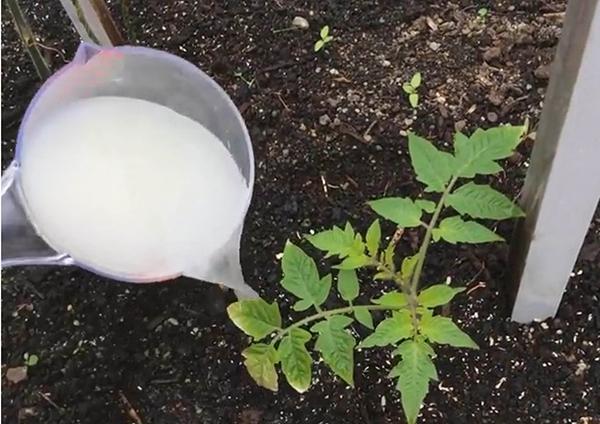
Fertilizing is necessary for vigorous growth and timely fruiting. The first application is made when the seedlings are transplanted into the soil. The next application is made a month later. The final application is made a week before the crop begins to ripen. Specialized fertilizers or organic matter can be used for this purpose.
Pollination
To pollinate tomatoes, it's necessary to grow nearby plants that will carry pollen in the wind. Pollinator plants are selected depending on the tomato variety being grown. At home and when growing vegetables in a greenhouse, artificial pollination is allowed.
Protection from pests and diseases
Infectious diseases and pest infestations of tomatoes are common causes of yield reduction. Regular inspection is essential to detect signs of damage early. If you notice symptoms of disease or the presence of pests in the soil, use fungicides and insecticides. Protective treatments can also be used preventatively to reduce the likelihood of disease and insect infestations.
Related posts:
 What is the best way to feed tomato seedlings to make them plump?
 How to properly plant peas in a greenhouse and open ground
 What is the best way to mulch tomatoes in open ground and greenhouses?
 What fertilizers and when to use for feeding tomatoes in a greenhouse
 How to propagate and grow peas, cultivation technology, and care in open ground
 How to plant grapes step by step, with a description of the process and care
 The best eggplant varieties for growing in a polycarbonate greenhouse: planting and care
 How to control onion flies using natural and chemical methods