
Summer cottage season is approaching, and soon many windowsills will be filled with pots of seedlings. Tomatoes are a favorite vegetable crop, and ash for tomato seedlings is a versatile and affordable fertilizer.
Mineral composition of ash
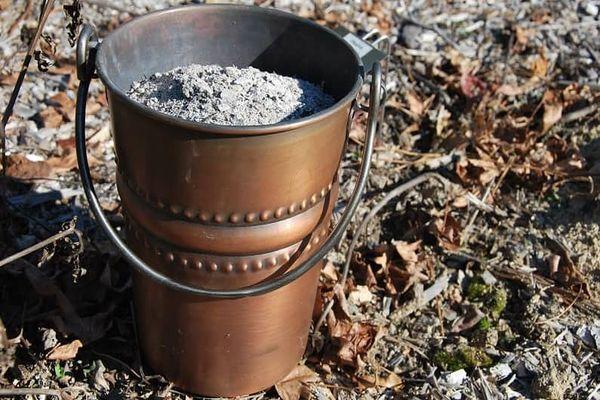
Ash contains a complex of macro- and microelements essential for tomatoes during the development of their reproductive organs. These include primarily potassium, calcium, phosphorus, and sodium, which improve seedling development, as well as magnesium, zinc, copper, and sulfur. Furthermore, it is completely free of nitrogen, an excess of which negatively impacts tomatoes, as does a deficiency. This latter factor should be taken into account when creating a "menu" for seedlings, and nitrogen fertilizers should be added if necessary.
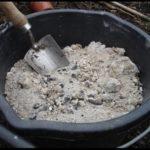
The ratio of mineral elements in ash obtained from different plant species varies. Ash from herbaceous plants contains the highest amount of potassium. For example, burnt potato tops contain the highest amount of this macronutrient (40%).
Among trees, birch has the highest potassium content (14%). However, wood ash from deciduous trees contains a lot of calcium. Conifers have more phosphorus, and peat contains a lot of limestone.
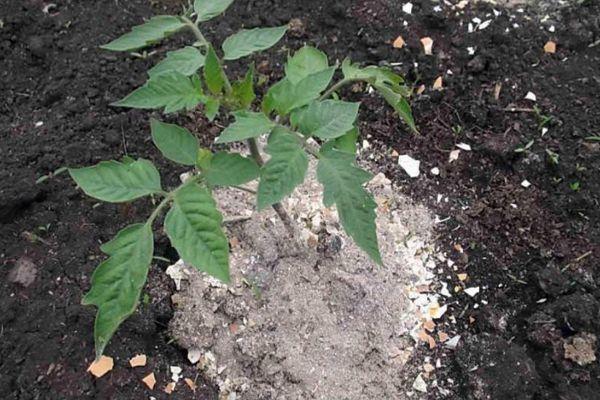
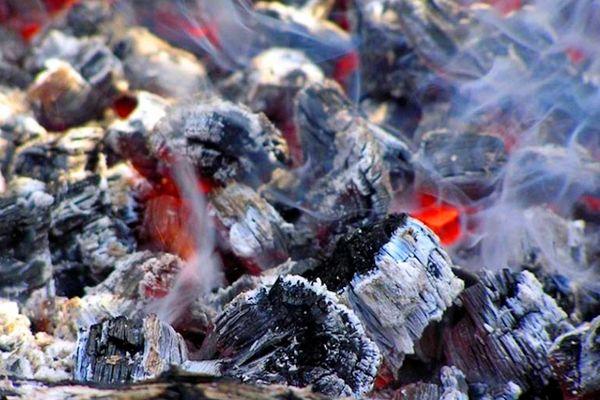
However, not all ash is suitable as fertilizer. Garbage incinerator ash should never be used for fertilizing tomatoes, and the non-combustible byproduct of coal will provide no benefit to plants.
The influence of minerals on tomato seedlings
Ash elements stimulate the immune system and have a beneficial effect on plant development. They help seedlings develop foliage and protect against early diseases. Subsequently, tomatoes are better able to cope with stress and various diseases. Functions of minerals:
- Calcium is involved in cell construction, increases endurance, and helps absorb nitrogen. A calcium deficiency causes the plant tips to turn pale and bend due to the weakened walls of new tissue. A calcium deficiency hinders root development.
- Potassium boosts immunity and cold resistance, protects tomatoes from fungal infections and late blight, and promotes stem formation. A potassium deficiency can cause brown edges to appear along the leaf edges, and the leaves themselves to curl up.
- Sodium regulates the balance of moisture absorption and evaporation. Thanks to this element, tomatoes easily withstand drought. A severe sodium deficiency causes brown spots to appear on the leaves.
- Phosphorus promotes resistance to adverse conditions and is essential for the absorption of another important micronutrient, nitrogen. Phosphorus regulates metabolic processes in plants, stimulates root development, and is subsequently crucial during flowering and fruit set. A phosphorus deficiency can cause tomato seedlings to turn purple and stop growing.
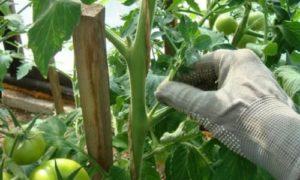
When tomato seedlings are properly fertilized with ash, the necessary elements accumulate in young plants and are used up during their life cycle.
Ash fertilizers
How to feed tomato seedlings at different stages of their development?
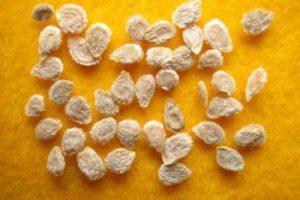
To disinfect and stimulate growth, seeds are treated with ash infusion:
- 0.5 tbsp ash;
- pour 1 glass of boiling water;
- leave to infuse for 2 days, then filter;
- Immerse the seeds in the resulting solution for several hours, then dry and sow.
Seeds treated in this way have increased germination and germinate faster.
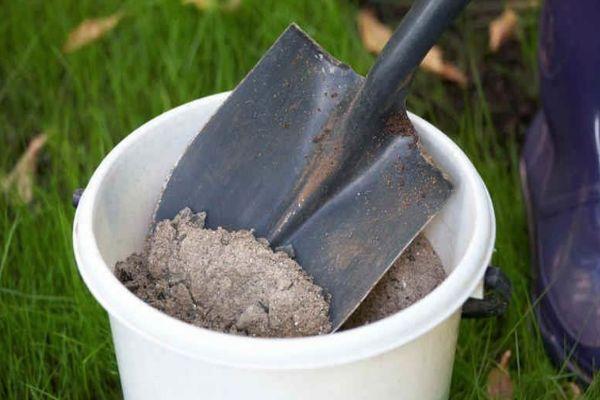
Ash can be added directly to the seedling soil as a fertilizer. Add 1.5 cups of wood ash to a bucket (10 kg) and mix thoroughly. If tomato seedlings are planted indoors in this mixture, there is no need to additionally feed the young plants with ash before planting them outdoors to avoid root burn.
If the plants are planted in soil that doesn't contain ash, you can feed the seedlings with the following solution: dilute 2-3 tablespoons of ash in 5 liters of water. Water the tomatoes with this fertilizer once every 3-4 weeks.
At planting seedlings in open ground to stimulate the development of tomatoes You need to put 2-3 tablespoons of ash in each hole and be sure to mix it with the soil so as not to burn the roots.
Wood ash is also an excellent remedy for combating various diseases and pests. To do this, spray tomato seedlings with the following solution:
- 300 g wood ash;
- pour 1 liter of water, boil for 20 minutes;
- to insist, to strain;
- pour into a bucket of water (10 l), add 40 g of laundry soap.
Spray the seedlings in the evening or early in the morning.
Interaction of ash with other mineral fertilizers
When applying fertilizers, it is necessary to know the rules for mixing them.
Fertilizers containing ammonia nitrogen, as well as organic fertilizers (manure, bird droppings) cannot be mixed with ash, since the reaction results in the release of ammonia and loss of nitrogen.
Ash substances can be mixed with potassium compounds, urea, lime, but still this is not desirable, because ash as fertilizer It's already a complete and balanced fertilizer. It's best to apply the necessary mineral and organic elements to tomatoes sequentially and as needed. If you do need to apply a combined fertilizer, don't pre-mix its components; only apply them immediately before use.
Ash is the best fertilizer for tomatoes due to its effectiveness and environmental safety.
Related posts:
 How to properly feed peppers with ash and is it possible to do so?
 How to use ash as a fertilizer and which one is better
 What is the best way to feed tomato seedlings to make them plump?
 How to treat onions with wood ash; can you sprinkle it on fallen onions?
 How to properly feed cucumbers with ash and the benefits of using it for plants
 The best eggplant varieties for growing in a polycarbonate greenhouse: planting and care
 How to properly feed cabbage with ash, proportions for processing
 Rules for growing tomatoes in open ground, choosing a variety, planting and care
I can agree that ash is an excellent fertilizer for tomatoes, but you shouldn’t write off the excellent growth bioactivator BioGrow, with the help of which I also successfully grow not only tomatoes.