
The question of how to treat onions with wood ash is a pressing one: at high concentrations, the combustion products of grass can harm living plants—if roots are exposed to such an area, they will burn. Applying large amounts of ash to potatoes leads to scab. And not all ash can be used as fertilizer—painted wood in a fire pit, plastic, and polyethylene will introduce toxic residues into the soil, which will harm the plants.
The value of the micronutrients in the mixture lies in their organic origin. Scientists believe that ash from burning seaweed is the most beneficial. Gardeners hold a different view: it's better to burn tops and fallen leaves, tree branches, and shrubs growing in the area being cultivated. Coal ash is used less frequently because the elements it contains are less readily absorbed by plants.
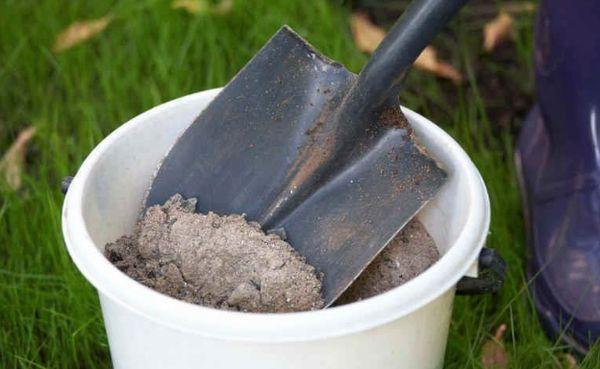
Composition and properties
The effectiveness of any fertilizer is determined by the value of its nutrient composition and its balance with one another, preventing mutual suppression. Ash is a natural, complex powder with an ideal composition for plant absorption. Can combustion byproducts be used for all crops? Yes, of course. Burnt areas of soil are regrown by grass more vigorously than before the fire.
The explanation is simple: the ash contains:
- sodium compounds - 15%, responsible for water balance: accelerates the ripening of tomatoes and increases the volume of pulp;
- Calcium silicate - 16.5%, provides vitamin saturation to vegetables: they become tasty and healthy, and if you feed onions with ash, it will help form juicy and plump bulbs;
- Potassium orthophosphate - 13%, a regulator of moisture content in plant tissues, makes heat-loving crops resistant to frost;
- calcium carbonate - 17%, accelerates the vegetation of tomatoes and potatoes, promotes the flowering process, increases the number of ovaries in cucumbers;
- magnesium compounds - 12%, participate in the formation of the root system of plants, ensure the accumulation of starch, the formation of cellulose;
- Calcium chloride - 12%, helps with photosynthesis and enzyme production; has medicinal properties: eliminates blackening of tomatoes, cracking of carrots, prevents viral diseases of plants;
- calcium sulfate - 14%, the component has a long-lasting effect, supports overall development;
- Rock salt – 0.5%, a growth catalyst for climbing crops such as melons, cucumbers, and squash; in the absence of water, it retains moisture in tissues.
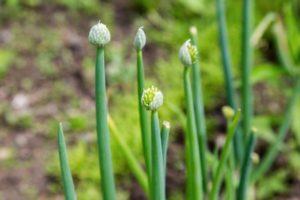
Using ash replaces commercial fertilizers: potassium salts, sulfates, and superphosphate act like wood ash. Onions can be treated with a dry powder or solution. However, nitrogen compounds are not included; they are applied alternately with the ash.
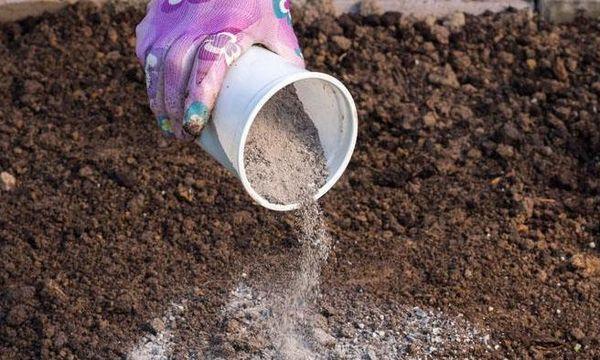
A combination of ash and onions
Many gardeners and vegetable growers use onion ash as a fertilizer. Its beneficial properties include the following:
- Many plants don't tolerate soil acidity: if you sprinkle the area with burnt wood powder, a neutralization reaction will occur, improving the conditions for growing onions.
- Chlorine is a component of some mineral fertilizers and is harmful to plants. It exists in a bound form in ash.
- The soil structure becomes loose and the air permeability of the soil increases if the garden is sprinkled with ash.
- Ash gives vegetables resistance to sudden temperature changes and drought.
- Protection from pests and rot is another useful function of natural fertilizer, and it is used by sprinkling onions on top.
- The absorption of potassium and phosphorus dissolved in water promotes rapid feather growth and bulb maturation.
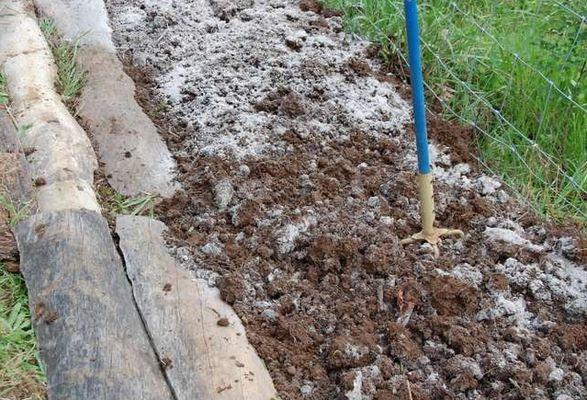
Given the desire of most gardeners to grow organic produce, using ash is becoming popular. Moreover, it simultaneously solves another important problem: pest control.
The order of application and dosage
Soil for onions is prepared in the fall: when digging the garden, sprinkle 600 grams of ash per square meter—the equivalent of a full liter jar. A second treatment for heavy soils is carried out in the spring.
On sandy soils, powdered substrate should not be applied in the fall. The recommended rate in May is 100 g/m². Do not exceed 600 g per 1 m², as this will kill microorganisms and earthworms.
Fertilize with ash powder or infusion—10 liters per 1-2 m² of area. Apply it to the roots in the evening, and water as usual the next day. Manure or chicken manure can be added separately, but mixing them with ash is not recommended. Prepare an ash infusion according to the following recipe: pour 250 g of ash into a bucket of hot water and let it sit for 2 days. For foliar feeding, mix 300 g of ash per 10 liters of boiling water and 50 g of laundry soap.
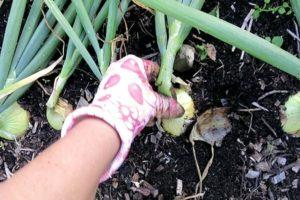
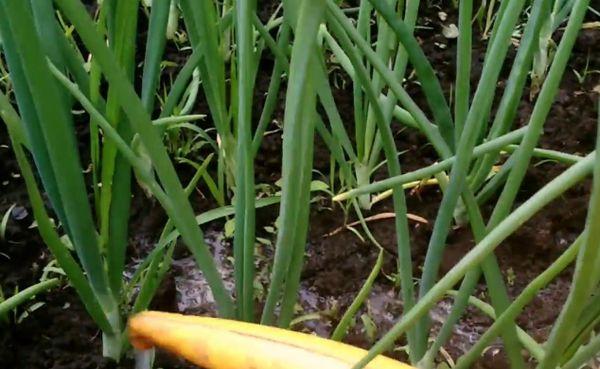
Ash is applied to onions and green leaves. The beds are treated in the following order:
- the first procedure is carried out 2 weeks after planting the sets;
- another feeding - after 14 days;
- The third feeding is carried out when the bulbs are forming.
If feathers are grown for their greenery, a single application of ash solution is required, three weeks after sowing. Besides watering, another fertilizing method is to make furrows in the garden bed, fill them with ash solution, and cover with soil.
Other benefits of ash
A natural mixture of minerals helps gardeners grow a good harvest thanks to its unique properties.
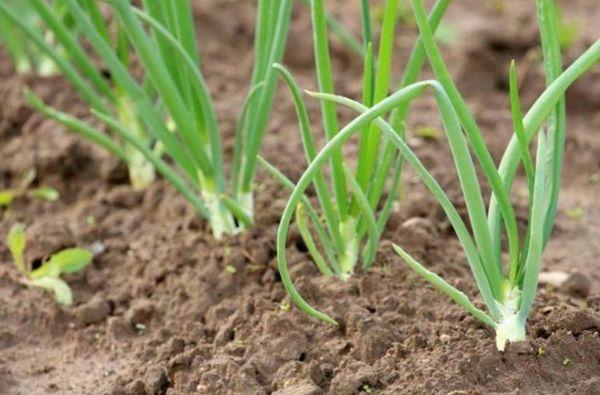
In addition to the seasonal application of ash and fertilizers during the growing season, natural fertilizer is used for onions in other cases:
- Preparing seeds, sets, or bulbs for planting. Sprinkle the turnips with dry powder before planting, and soak the seeds in the infusion for 4-6 hours. Prepare a solution of 2 tablespoons of ash per 1 liter of water, water the seedlings, and keep the onion sets in this solution before planting.
- When storing onions during the winter, they are sprinkled with ash. This prevents early rotting.
- Spraying helps control diseases and garden pests. Prepare an infusion of 100 grams of ash per bucket and let it sit for 24 hours. A mixture of tobacco dust or ground pepper with wood ash repels onion flies. A soap solution with added mineral infusion helps against aphids. Dry powder is also a danger to slugs and snails—they won't venture into an area sprinkled with ash.
After treatment with ash, the greens should be washed and used for food without restrictions. When storing, the powder should be protected from moisture: when the vapor concentration exceeds 50%, the potassium content drops sharply, and the fertilizer loses its beneficial properties.
Related posts:
 Description of the best varieties of onions, planting and care in open ground
 50 types and varieties of perennial onions with descriptions, cultivation, and care
 How to properly feed peppers with ash and is it possible to do so?
 How and when to plant onions to get large bulbs
 Control of onion pests using chemical and folk remedies
 Description of Welsh onion varieties, planting, growing, and care in open ground
 How to control onion flies using natural and chemical methods
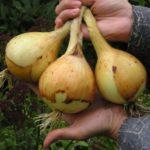 Description of the Exhibition onion variety, growing from seedlings, planting and care
The minerals contained in ash are quickly absorbed into the soil, and its composition is rich, so it's best not to use additional organic fertilizers. You can also feed onions withBioGrow" in order to accelerate its growth.