
To understand why onions may bolt and what to do about it, you need to understand the specifics of growing this crop. The causes are often related to improper selection and poor storage of planting material. The risk of problems also increases if planting dates are not met. Timely action is essential to ensure a bountiful and healthy harvest.
What are the risks of bolting onions?
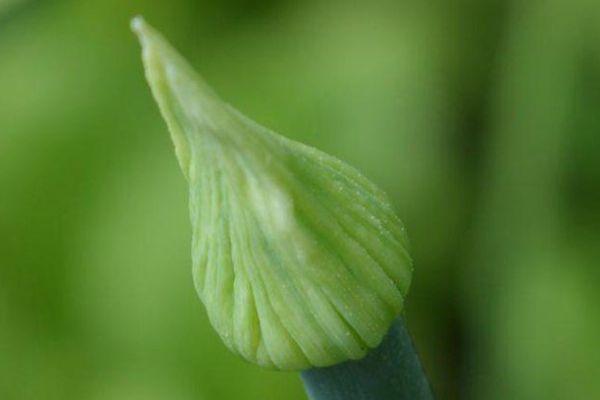
The stalk that forms on the vegetable bush forms an inflorescence with seeds. The flower stalk is used for further propagation of the plant.
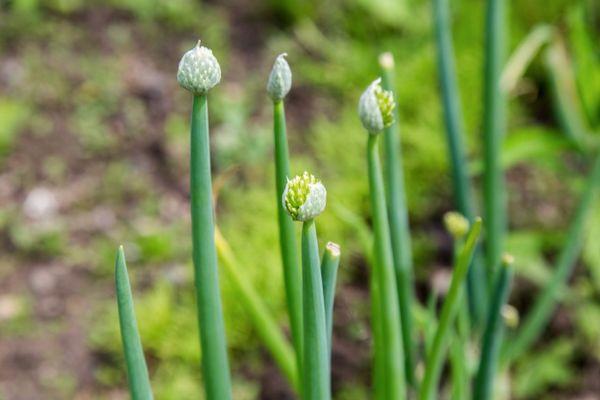
If onions bolt, the consequences will affect the quality of the harvest:
- Experienced gardeners have noticed that when the onion stalk appears, the head of the onion is small in size.
- In addition to the small yield, it cannot be stored for long and begins to rot within a month.
To reduce the risk of bolting or eliminate this process altogether, you need to follow certain rules when growing vegetable crops.
Why does an onion go to seed?
Unfavorable factors that increase the risk of a vegetable going into bolting:
- using a large bulb head, larger than 3.5 cm, as planting material;
- failure to comply with storage conditions for seeds or sets;
- early planting of bulbs, when the soil has not yet warmed up;
- improper care of vegetable beds.
There is a fairly high probability of onion bolting due to poor weather conditions, poor soil quality, and a lack of micronutrients.
Seed storage
It's recommended to store onion seeds at a temperature of 1-3 degrees Celsius. If the temperature drops below freezing, it won't affect the quality of the future harvest. Onions are resilient to cold and frost. A warm room is much more dangerous for the planting material, as it will begin to grow and rot.
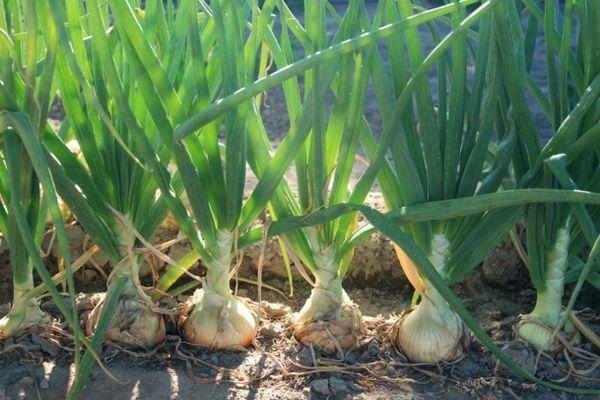
By late summer, the nigella seeds ripen in the inflorescences. Seeds ready for sowing are dried and placed in a cloth or paper bag. The vegetable seeds are initially grown as small sets measuring 2-3 cm.
Take a look Also
The harvested onion sets are stored in a well-ventilated room using a cold, warm or mixed method:
- When storing onions in a warm environment (for example, in an apartment closet), the humidity should be 68%, and the temperature should be maintained at 21°C (70°F). This method increases the risk of the onion sets drying out.
- The best storage location is a basement or cellar. The cold storage method requires maintaining the room temperature at -1 to -3 degrees Celsius, with 82% humidity.
- With a mixed storage option, it's recommended to choose the cold method in winter and the warm method in spring and fall. The key is to avoid sudden temperature changes.
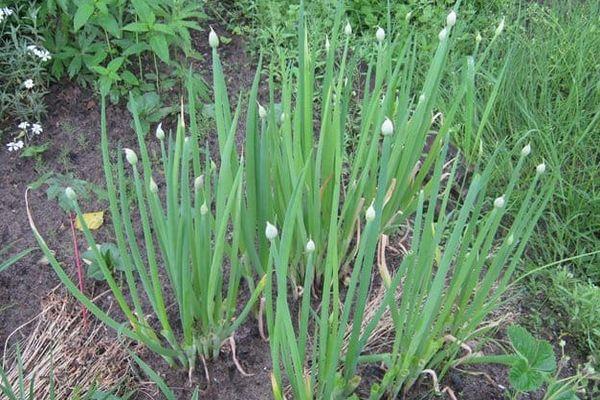
Twenty-five days before planting the onion sets, they are placed in a warm place to speed up the germination process. When planted at the end of the growing season, large onion sets grow.
Size of planting material
To grow this spicy turnip vegetable, only small bulbs (called sets) are suitable. The planting material should be between 2.5 and 3 cm in size. Larger sets are used only for cooking.
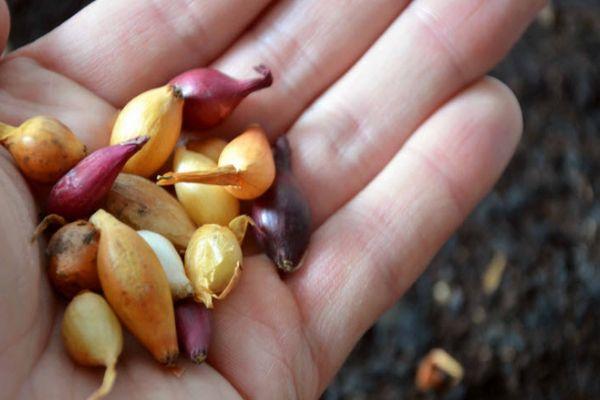
The size of the onion bulbs determines the further use of the harvested crop:
- heads from 1.4 to 2.3 cm in size are ideal for growing turnips, they rarely form arrows;
- If the head diameter is from 2.2 to 2.6 cm, then they are suitable for greens; when planted in spring, they may shoot up;
- onion size from 2.6 to 3.2 cm suggests planting for greens in spring and for harvesting turnips in autumn;
- Often large heads larger than 3.3 cm are placed on the feather.
Planting material that's too small, less than 1 cm, is suitable for fall planting. If planted in the spring, the onion heads won't have time to develop to a large size.
Planting dates
The planting time for this spicy vegetable varies from region to region and depends primarily on weather conditions. The ripening time for the selected variety is also taken into account.
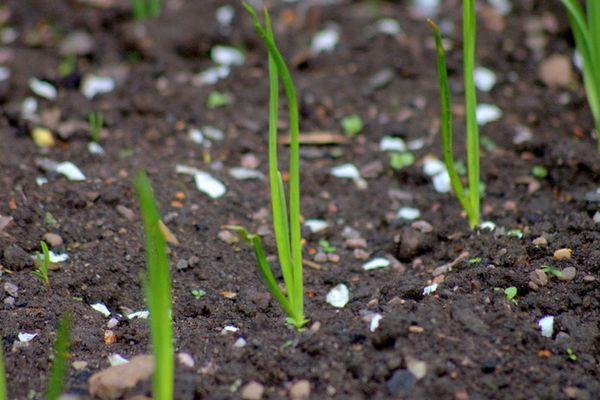
If you're planting onions in the spring, you should wait until warm weather sets in and the soil reaches 12 degrees Celsius (55 degrees Fahrenheit). This period coincides with the last ten days of April and the first few days of May. If you plant onions too early, in cold soil, there's a high risk of bolting. If you miss the planting deadline, heat and lack of moisture will also negatively impact the onion's further development.
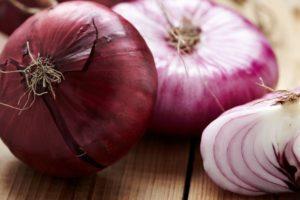
In the fall, the best time to start planting is mid-October. The onion bulbs should be planted in prepared soil. The soil should be loosened, fertilized, weeded, and disinfected beforehand. If you plant the vegetable in October, the bulbs will have time to take root before the frost sets in.
To grow a good bulb, you need to choose a site with good sun exposure. Onions grow well in loose, soft, and fertile soil. After planting, weed regularly and fertilize at least three times.
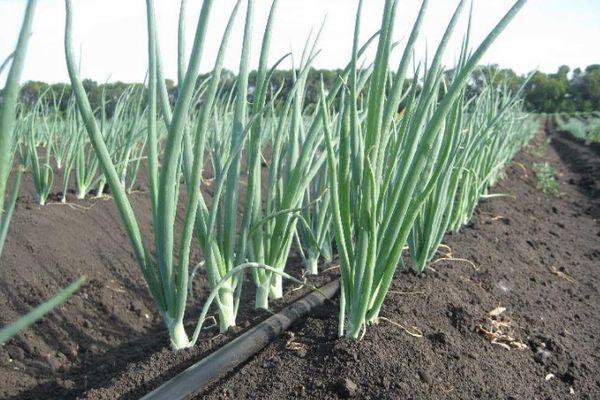
Plant the onion bulbs at intervals of 8-10 cm, 2.1 cm deep. Press each bulb down slightly, cover with a thin layer of soil, and water. Watering every three days is recommended at first. Stop watering 20 days before harvest.
How to prevent onions from bolting
To prevent the formation of arrows, you need to follow some simple rules:
- Before planting the seeds in prepared beds, they must first be thoroughly warmed up for 20 days;
- select small, dense onion sets;
- In spring, before planting in the ground, the bulbs are treated with a solution of potassium permanganate;
- you need to choose varieties that are resistant to bolting;
- It is recommended to plant several varieties of vegetables.
When choosing an onion variety, consider the growing conditions, soil composition, and climate in your region. When planting, remember to choose the right location, apply fertilizers promptly and correctly, and maintain crop rotation.
The onion has gone into arrow, what should I do?
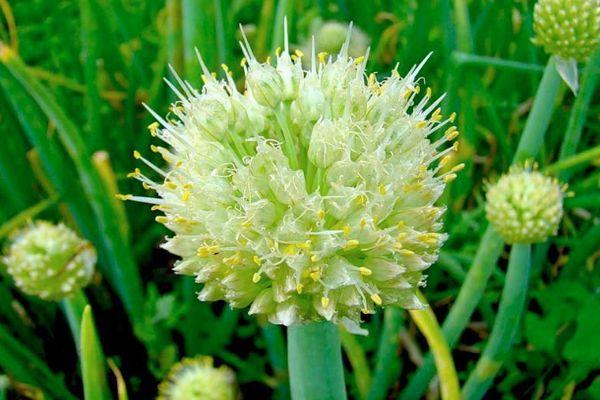
If onions have developed flower stalks, they should be cut off immediately. It's best to cut as low as possible (at the base of the neck). If onions are prone to flower stalks, they may reappear after pruning. Therefore, it's important to inspect the beds periodically. The sooner the flower stalk is cut off, the larger the head will be.
The bulb from which the arrow has been removed cannot be selected for further planting; it is used only for food.
Rules that will help avoid or reduce the formation of arrows:
- Onions should be planted only in well-warmed soil;
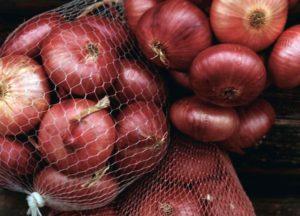
- For planting, select dense, undamaged heads;
- the diameter of the bulbs should be average;
- Onions should be watered only with warm, settled water; it is essential to establish a watering regime.
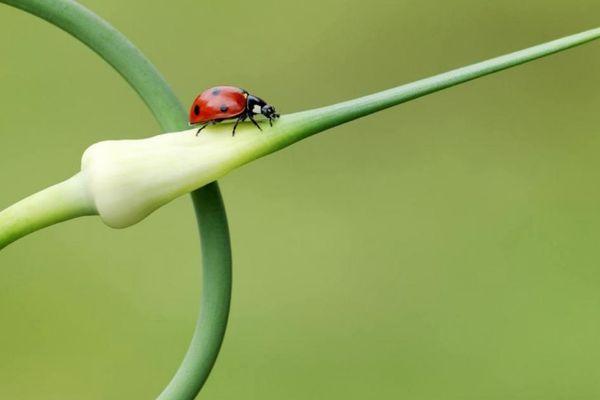
Many gardeners advise that if onions have bolted, they can be used for their stems. Next year, more careful selection of planting material is advised.
To reduce the risk of bolting, gardeners use two varieties of onions. If one is suitable for producing feather bulbs, the other is sure to produce a good harvest of bulbs.
Advice from a seasoned gardener
Experienced gardeners offer their advice on preventing onion bolting:
- You shouldn't trust the markets, so it's better to grow the onion sets yourself;
- The arrows on the onion must be plucked off immediately after they are discovered;
- The plucked shoots of the vegetable can be used in cooking or added to soil fertilizing compositions;
- When the turnip starts to shoot and a full-fledged inflorescence has formed, it is better to dig up such an onion;
- Before planting, seeds and sets must be warmed up, disinfected and treated with solutions that stimulate growth;
- Vegetables should be planted in open beds no earlier than the first days of May, by which time the soil will have warmed up well.
Onions harvested without bolting last a long time and are highly flavorful and nutritious. Therefore, it's important to follow these recommendations to prevent onions from bolting.
Related posts:
 50 types and varieties of perennial onions with descriptions, cultivation, and care
 When to harvest leeks from the garden for storage, ripening times
 How and when to plant onions to get large bulbs
 Description of the best varieties of onions, planting and care in open ground
 The beneficial properties of white onions, description of varieties, cultivation and care
 Description of the Exhibition onion variety, growing from seedlings, planting and care
 Description of varieties and cultivars of wild onions, the subtleties of cultivation
 When to harvest onions planted in autumn and spring from the garden for storage, how to determine the timing