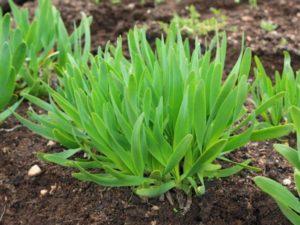
The Carmen onion is one of the best varieties of lettuce. Most gardeners prefer to grow different varieties of onions in their gardens. The red variety is especially popular.
It has a sweet, juicy, light flavor and is very beneficial for the human body. The Carmen variety was developed in Holland. It appeared on the domestic market relatively recently, but has quickly gained considerable popularity.
The manufacturer claims that cultivating this variety is very simple and requires little effort. Before growing Carmen onions, please read the variety description on the seed or bulb packaging.
General description of the variety
Onions thrive in the central and northern regions. This variety is successfully grown by farmers for sale, as well as by amateur gardeners. The plant's growing season is 90 days.
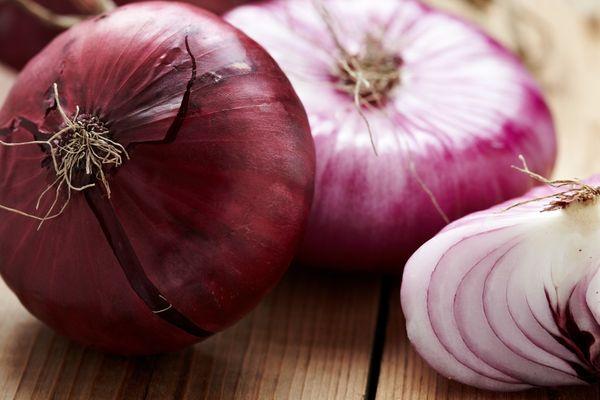
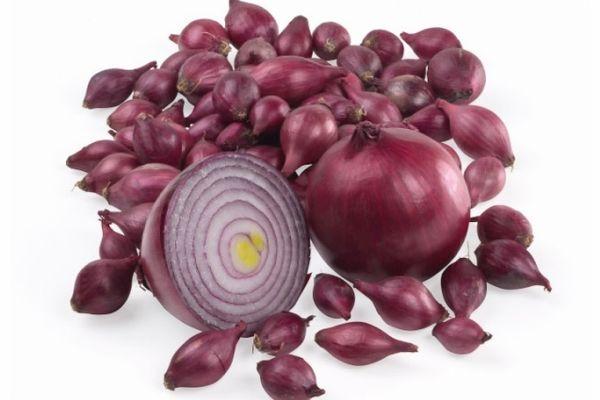
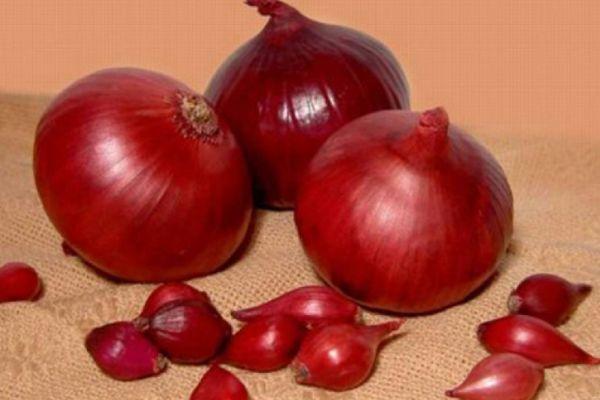
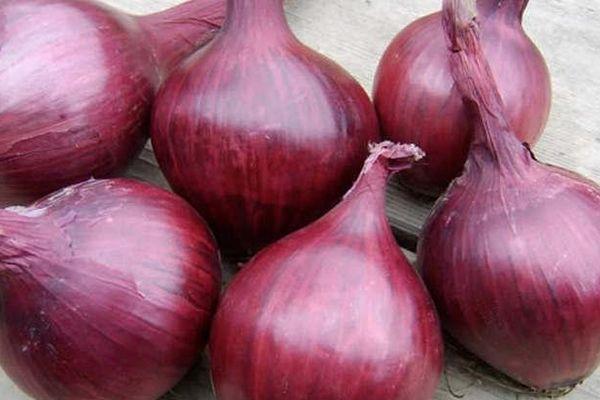
During this period, the bulb gains a weight of 100 to 130 g. The bulb is round, sometimes slightly flattened, and has a rich burgundy color with a violet tint. The scales are waxy and dense. The flesh is juicy and white.
The vegetable has a sweet-spicy flavor, no bitterness, and a distinct onion aroma. The bulbs are most often used in salads and marinades. The green mass grows to a maximum of 30-40 cm. The Carmen onion variety is often used for industrial purposes. This is primarily due to its excellent taste and excellent ability to retain its appearance for a long time.
Experienced gardeners give the Carmen onion the best reviews. They value it for the following qualities:
- The Carmen variety has a high yield.
- It has excellent taste.
- The harvest maintains its marketable appearance for a long time and is suitable for long-distance transportation.
- Onions are easy to grow and care for..
- The Carmen variety is resistant to various fungi and pests.
- It tolerates drought and extreme weather conditions well. The bulb gains the necessary weight and nutrients in both moist and dry soil. The plant produces its greatest harvest with proper and regular watering.
The characteristics of the Carmen variety indicate that this variety is versatile. Housewives love it for its mild and spicy flavor, and they enjoy using it for canning, adding it to vegetable salads and meat dishes, and making delicious marinades for vegetables and fish.
To obtain a good, high-quality harvest, it's essential to properly organize and manage the onion growing process. The basics of onion growing are simple. They encompass a few key rules that, if followed, can help even a novice gardener grow excellent, tasty onions.
Growing rules
First of all, it’s worth knowing that root vegetables can be grown in 3 ways:
- The entire cultivation process takes two seasons. In the first season, the onion sets are grown from seeds, and in the second, the actual turnips are planted to produce bulbs.
- In specialty stores, you can buy ready-to-plant turnips in the ground. They grow bulbs directly from them.
- This method involves growing onion bulbs from seeds.
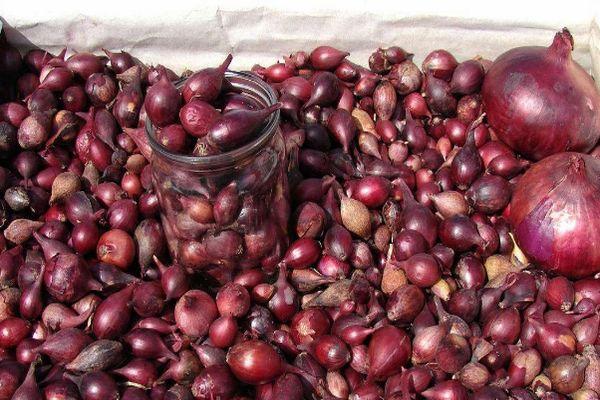
To sow turnip seeds, you need to collect them yourself from last year's greens or purchase them from a store. Seeds are usually planted in the fall. Then, by spring, the onion sets will be ready.
To grow a high-quality harvest, it's important to choose the right location for onion planting. When choosing a location for your onion beds, consider the following recommendations:
- The place should be windless and sunny.
- Avoid soils prone to flooding and stagnant water. The bulb does not tolerate dampness and easily becomes unusable.
- The plant prefers sandy soil with low acidity. If the soil requires neutralization, dolomite flour or lime can be used.
- Before planting, the beds should be prepared by adding organic fertilizer to the soil. Compost or manure are good for this purpose.
- The cultivation method should be chosen depending on the region and weather conditions. For example, in northern regions, onions are best grown using seedlings, while in southern regions, seeds can be sown directly into the ground.
- Seedlings are prepared 65 days before the expected planting date. The cultivation technique is very simple. Dig 2-cm-deep holes in a special container filled with nutrient-rich, sandy soil and plant the seeds. Water every three days. It's important to ensure that the soil does not become moist.
- Sow seeds in open beds in warm, sunny weather. By this time, the soil should have warmed to 16°C. If there is a risk of frost, cover the beds with plastic overnight. Plant the seeds 20 cm apart, leaving 30 cm between rows. Make a 10 cm deep planting strip, water it with warm water, and sow the seeds. Cover with soil and lightly compact.
Caring for the beds
Measured and proper watering plays one of the most important roles in vegetable care.
It's recommended to water the beds regularly, preventing the soil from drying out or becoming damp. Initially, it's best to use settled, room-temperature water. Watering is best done in the morning or evening. It's important to ensure that water doesn't stagnate in the stems after watering. A couple of weeks before the expected harvest, stop watering completely.
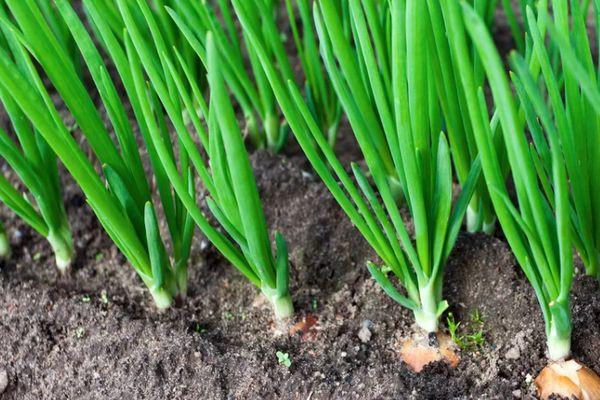
Weeding of the beds is carried out throughout the entire period of onion growth.
Harvesting should be done on a sunny, warm day. Damp or wet bulbs will not retain their marketable appearance for long. If you had to collect the heads on a rainy day, you need to dry them in a warm and well-ventilated room.
A sign that the head is ripe is when the feathers turn yellow and fall to the ground. Before storing, the harvest is dried in the garden bed for about 2-3 weeks. Then, the spoiled husks are removed from the heads and the tops are trimmed off.
Onions are typically stored in a cool but well-ventilated area. Many prefer to braid them, but in this case, the tops should be at least 30 cm long.
Related posts:
 50 types and varieties of perennial onions with descriptions, cultivation, and care
 Description of the best varieties of onions, planting and care in open ground
 When to harvest leeks from the garden for storage, ripening times
 The beneficial properties of white onions, description of varieties, cultivation and care
 Description of the Exhibition onion variety, growing from seedlings, planting and care
 How and when to plant onions to get large bulbs
 Description of varieties and cultivars of wild onions, the subtleties of cultivation
 Description of Welsh onion varieties, planting, growing, and care in open ground