
- History of origin
- Description
- Advantages and useful properties
- Popular varieties
- Russian winter
- April
- Tenderness
- Emerald
- Long Tokyo
- Growing in open ground
- Vegetative method
- Seeds
- Preparing the bed correctly
- Predecessors
- Zucchini
- Cabbage
- Pumpkin
- Potato
- Legumes
- Green manure
- Preparation of seed material
- Timing
- Using polyethylene film or lutrasil
- Seedling
- Preparing the soil mixture
- When to plant
- Planting diagram
- Care
- Loosening
- Watering
- Weeding
- Top dressing
- Hilling
- Mulching
- Protection from diseases and pests
- Harvesting
- How to collect seeds
- Contraindications
- Tips and tricks
Among the wide variety of onion varieties, Welsh onion has gained widespread popularity due to its unique flavor. The greens are suitable for use in many dishes and preserves. They are easy to care for and grow successfully in a variety of climates.
History of origin
The plant is known by various names. Welsh onion is also called tubular onion, sand onion, and Tatar onion. This crop is considered native to Asia. Today, Welsh onion is most commonly found in the wild in China, Japan, and Siberia. As a cultivated plant, welsh onion is found everywhere and is cultivated for its green leaves.
Description
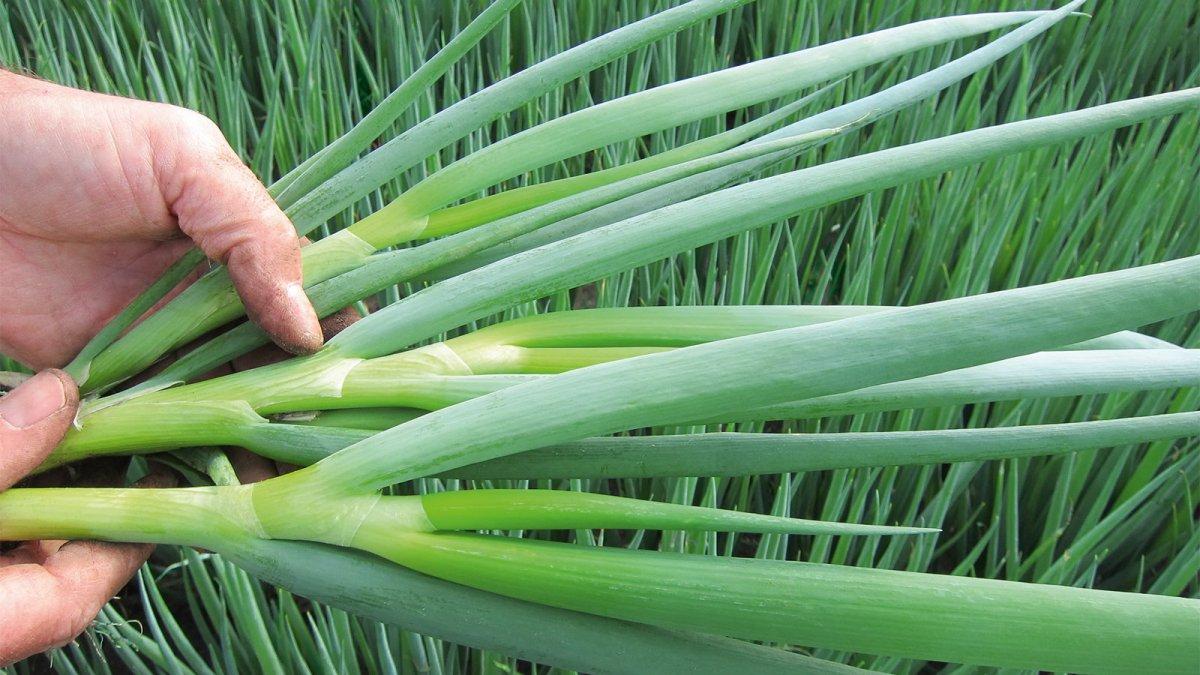
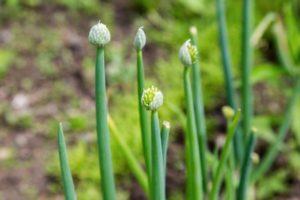
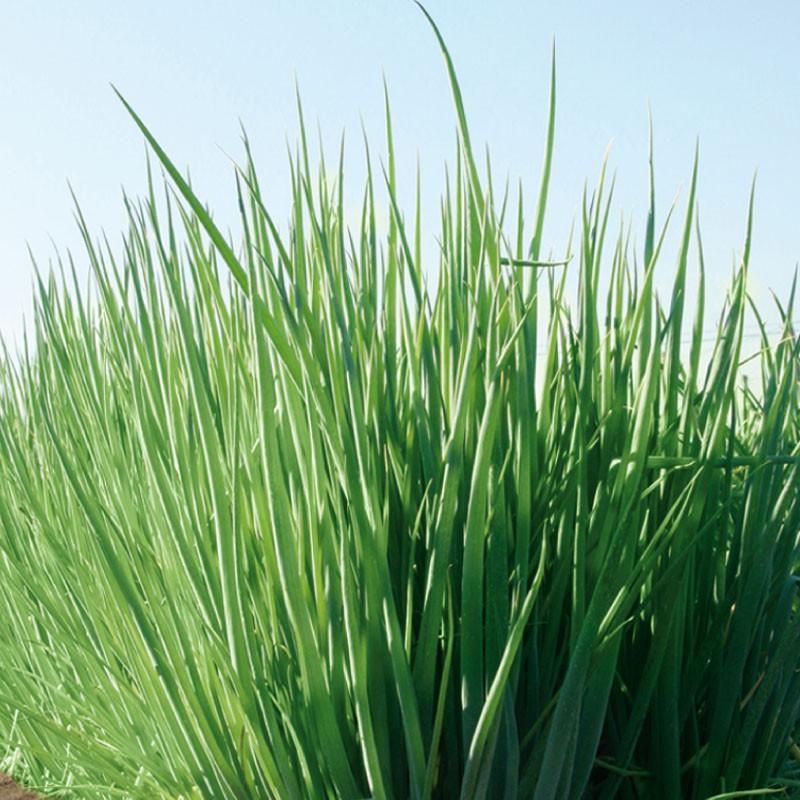
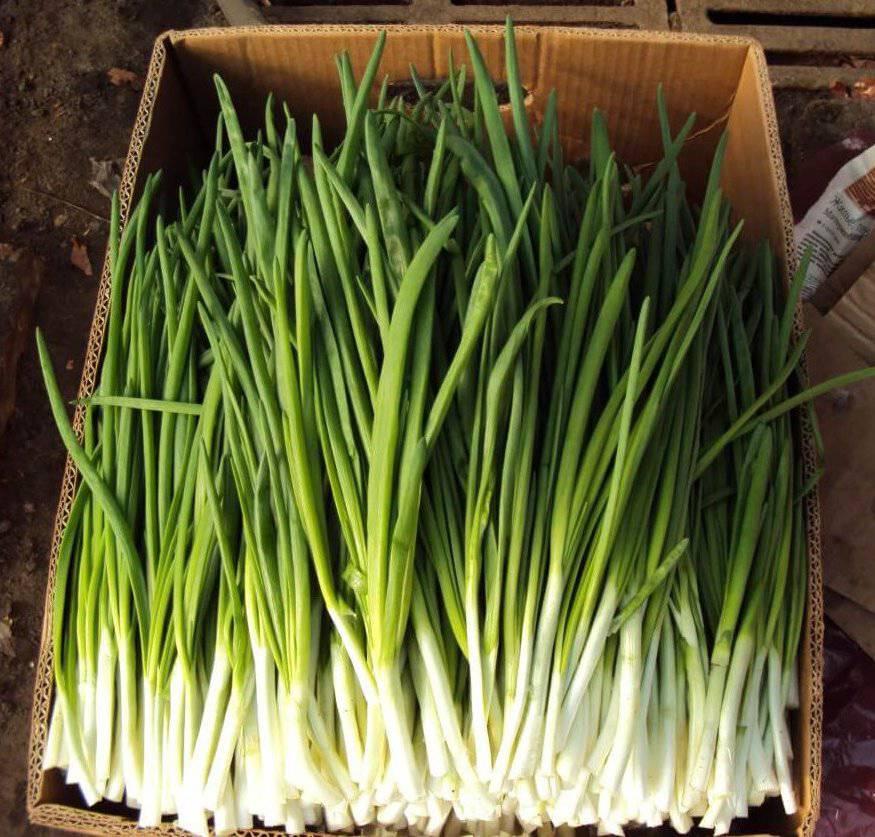
A characteristic feature of the Welsh onion is the absence of an onion head. Perennial onion They are grown for their greens, which have excellent taste and are softer and more tender than the onion variety.
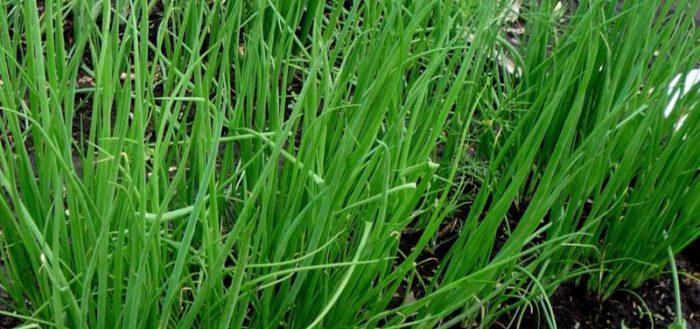
The plant has an elongated shape, with leaves reaching 1 m in height, forming broad, tubular leaves. Each daughter plant produces 3 to 7 leaves.
Advantages and useful properties
The culture's widespread popularity is due to its numerous advantages and beneficial characteristics. These include the following:
- Most varieties easily tolerate winter and spring frosts. Onion greens grow at the same time as winter garlic and sorrel.
- The crop is productive and perennial. After planting, it can be harvested 2-3 times per season for 3-4 years.
- Batun can be propagated by dividing the bushes, by seed, or by self-seeding.
Popular varieties
Different varieties of Welsh onions vary in the size of their leaves and yield. Like other crops, onions are classified as early, mid-season, and late. When choosing the right variety for planting, it's recommended to consider the varieties that are most popular among gardeners.
Russian winter
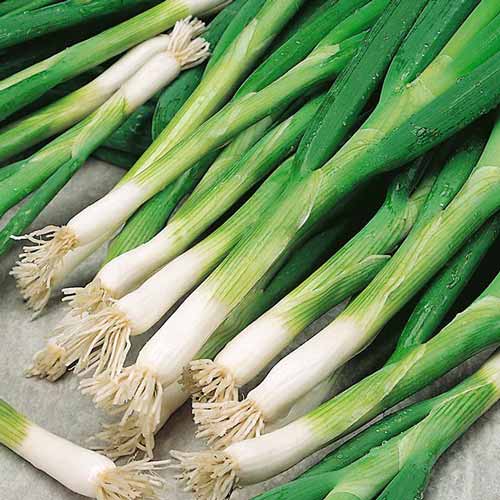
A mid-season variety with a technical maturity period of 27-30 days. The leaves are light green with a slight waxy coating, up to 33 cm long and approximately 90-59 cm wide. The onions have a mildly pungent flavor and are bulbless. During the season, the yield reaches 3.7 kg per square meter. The main advantages of the Russian Winter variety are its excellent flavor, frost resistance, and long shelf life of commercial onions.
April
The Aprelskiy variety is an early-ripening variety. It is grown for fresh consumption and for use in various dishes. The plumes are soft, juicy, and have a tangy flavor. The inflorescences are spherical and comprised of numerous small blossoms. The harvest is prized for its excellent flavor, abundant fruiting, frost resistance, minimal susceptibility to disease, and vitamin content.
During the summer, shoots are cut 3-4 times under favorable environmental conditions.
Tenderness
The Nezhnost onion is frost-resistant and produces juicy onions that retain their freshness and nutritional value for a long time. The greens grow 2-3 times during the season. This variety is sown in late April or late fall. It is suitable for growing as an annual or perennial.
Emerald
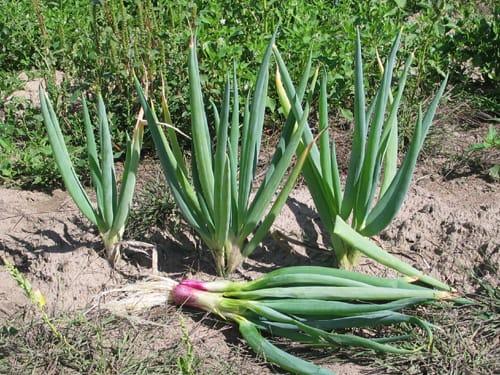
The early-ripening Emerald variety grows to 70-85 cm. The leaves are rich green with a distinct waxy coating. The flavor is sweet, juicy, and delicate. The leaves can be harvested 2-3 times per season. The main advantages of Emerald Onion: abundant yield and ease of care. The variety can grow in one place for 4-6 years.
Long Tokyo
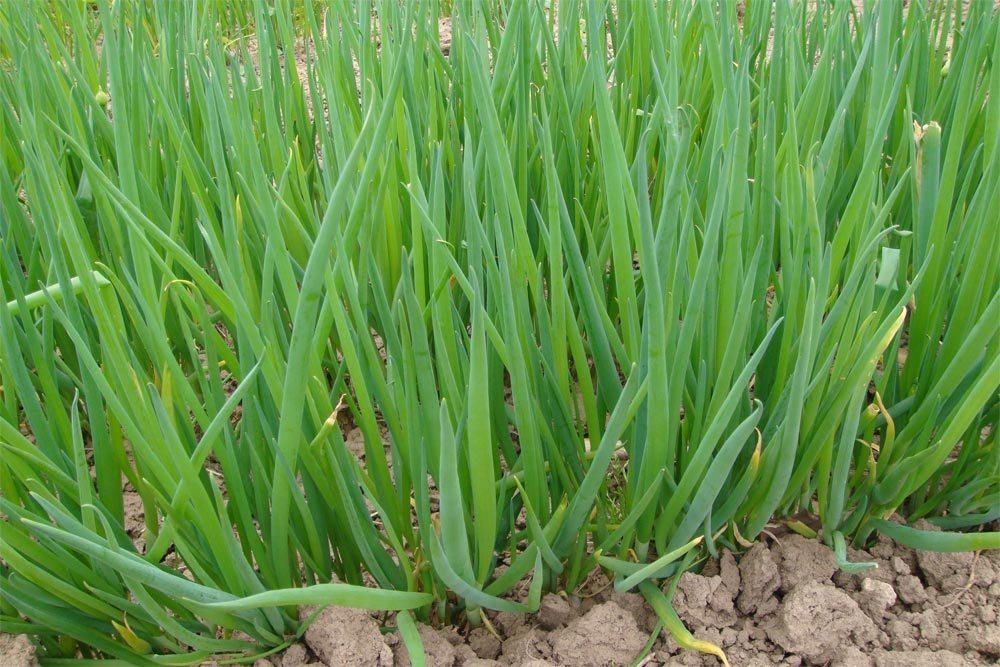
A mid-season variety. The leaves are upright, green, slightly bloomy, and approximately 60 cm long. The Long Tokyo chives are juicy and semi-sharp. The average plant weight is 50-55 g. One square meter of soil yields 4 kg at a time. This variety is recommended for fresh consumption.
Growing in open ground
The most convenient way to grow onions is by planting them in exposed soil. They can be propagated vegetatively or by seed. Each method has its own unique characteristics and requires a comprehensive approach.
Vegetative method
For vegetative propagation, healthy and well-developed nests must be selected. The lower parts of the plants are cut off and stored at a temperature of 18-20 degrees Celsius. Vegetatively propagated Welsh onions are planted in late spring. Planting is done at a shallow depth, leaving a gap of 20-25 cm between plants.
The beds are covered with a layer of mulch made from semi-rotted manure, which retains moisture and provides additional nutrition.
When propagating onions vegetatively, monitor soil moisture and periodically fertilize the soil. In late spring and early summer, generous watering is required to promote vigorous plant growth. During the formation period, it's also important to maintain a loose soil condition.
Seeds
Planting onions from seeds is the most common method among gardeners. Sowing onions requires a specific technique, taking into account optimal timing and completing a number of preparatory steps.
Preparing the bed correctly
Onions prefer humus-rich, low-acid, soddy soil. Poor growth is observed in clay soil. If the soil in the beds does not meet these requirements, it is necessary to artificially enrich the soil.
On heavy loam, treatment is carried out with peat and rotted organic matter, and black soil is added to sandy soil.
For spring planting of chives, plots are prepared in the fall or a week before sowing. Mineral fertilizers are added to the soil, and acidic soils are covered with dry lime. The plot is then dug, harrowed, and beds are formed with row spacings of approximately 30 cm.
Predecessors
Welsh onions are recommended to be grown after certain crops that enrich the soil with nutrients. Following crop rotation rules helps grow healthy plants and reduce the risk of fungal infections.
Zucchini
Any variety of zucchini is planted in fertile soil with a high humus content. During the zucchini growing season, the soil is thoroughly fertilized, so subsequent planting of onions promotes vigorous development.
Cabbage
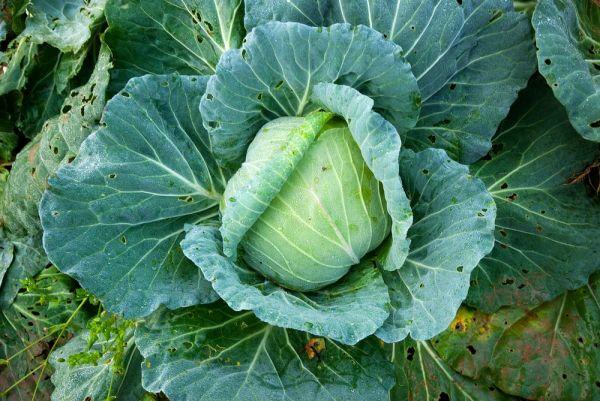
Cabbage is a suitable pre-crop because it doesn't attract pests harmful to onions. Planting after cabbage makes maintenance easier and eliminates the need for protective treatments.
Pumpkin
Pumpkins are grown in fertile soil with a deep topsoil. Planting Welsh onions after pumpkins simplifies the tillage process.
Potato
Potatoes are among the crops that stimulate soil maturation. Using potatoes as a precursor crop for chives improves the soil's structural condition.
Legumes
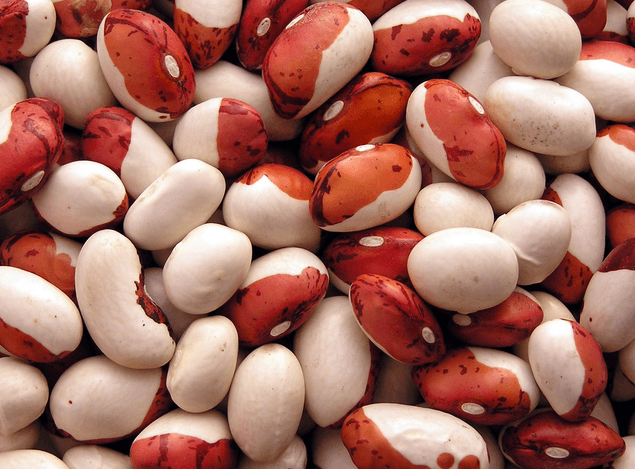
An advantage of planting legumes over onions is their ability to accumulate and release large amounts of nitrogen into the soil through interaction with root nodule bacteria. Furthermore, legumes are capable of converting phosphorus compounds from hard-to-reach to easily accessible ones.
Green manure
Green manure is a type of organic fertilizer that is planted between main crops or after harvest. Planting green manure prevents weed growth and enriches the soil with nutrients. Cereals, buckwheat, sunflower, and amaranth are often used as green manure.
Preparation of seed material
Before planting, the seed material needs to be treated. Chives seeds can be prepared for sowing in one of the following ways:
- soak in water for germination;
- leave in a solution of micronutrients;
- perform the bubbling procedure (soak the seeds while simultaneously supplying air).
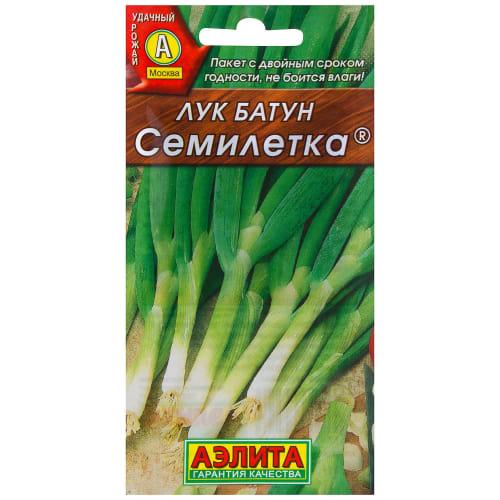 Treatment accelerates seedling formation and increases yield. During treatment, it's important to prevent the seeds from sticking together, as this will complicate sowing.
Timing
It's recommended to sow chives in mid-spring, when the soil has warmed up completely. Spring planting allows for harvesting in the summer or early fall.
Using polyethylene film or lutrasil
To artificially warm the soil, the beds are covered with lutrasil or polyethylene film. Under this protective material, the seedlings don't overheat, and the bed doesn't need to be constantly opened for ventilation. The film is secured to arches and removed when the first shoots emerge, while the lutrasil can be left on the plants, which will lift it as they grow.
Seedling
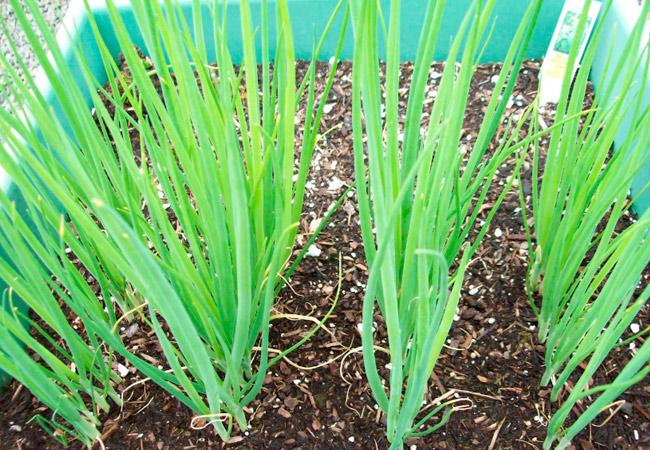
To speed up the ripening process, Welsh onions are first sown for seedlings. They are sown in individual containers in early spring, and when the weather warms steadily, the seedlings are transplanted to their permanent location.
Preparing the soil mixture
The development of the plants, the yield, and the taste of the chives directly depend on the quality and proper preparation of the soil mixture. Typically, a mixture of sod and humus in equal proportions is used as the soil. Before planting the seeds, you can disinfect the soil mixture by evaporating it in the oven for an hour. Alternatively, you can water the soil mixture with a potassium permanganate solution. When preparing the soil further, it is necessary to:
- add humus and fertilizers to the soil (150-200 g of wood ash, potassium fertilizer, 80-85 g of nitroammophoska);
- carry out preventative spraying against pests and diseases;
- To retain moisture in the soil, the soil in the seedling containers is deeply loosened immediately before sowing.
When to plant
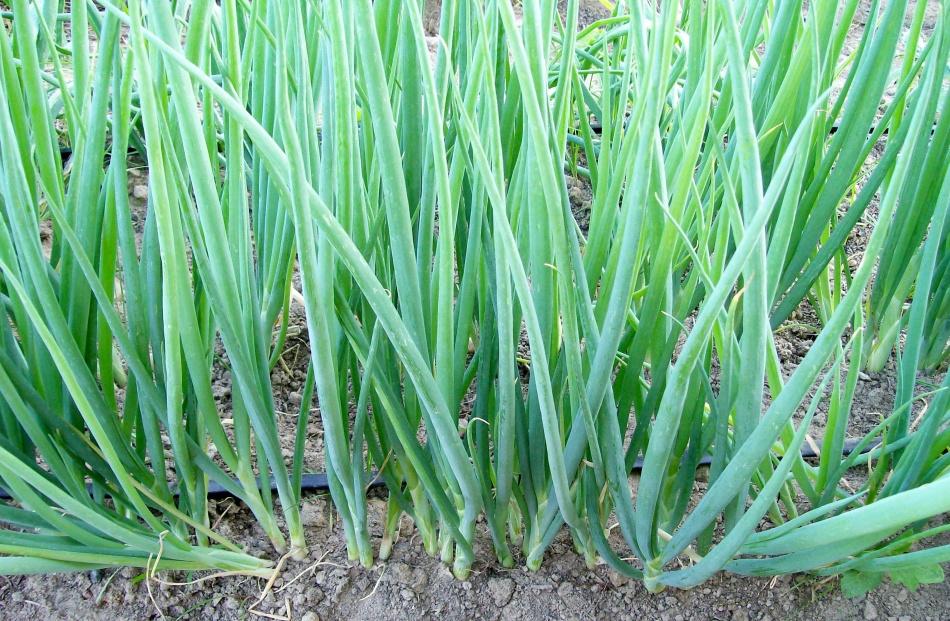
Welsh onion seedlings are typically transplanted to the garden beds for further development in the second half of spring, when the risk of recurrent frost has passed and the soil has warmed up sufficiently. Seedlings that have developed strong roots and 3-4 true leaves are transplanted. Before planting them in their permanent location, it is recommended to check the stem thickness at the base, which should be at least 5 mm. In most cases, seedlings are ready for transplanting at two months of age.
Planting diagram
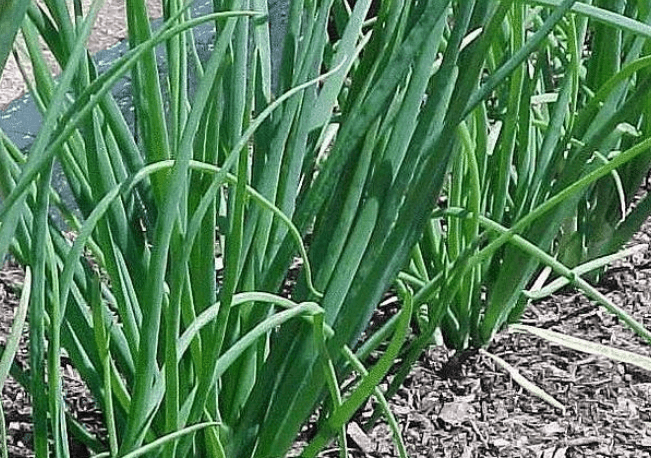
The planting technique for chives is no different from that for any other vegetable crop. Simply dig 11-13 cm deep planting holes in prepared beds, leaving 20 cm between rows. Then, sprinkle a handful of wood ash into the bottom of the holes, moisten the soil mixture, place the seedlings upright in the holes, and cover with soil. Then, water the seedlings and mulch the beds. Humus can be used as mulch.
Care
Caring for Welsh onion seedlings involves following a list of standard agricultural practices. To ensure the seedlings develop, it's necessary to loosen, moisten, and weed the soil, apply fertilizer, hill up, and mulch, and spray the plants to protect them from diseases and pests.
Loosening
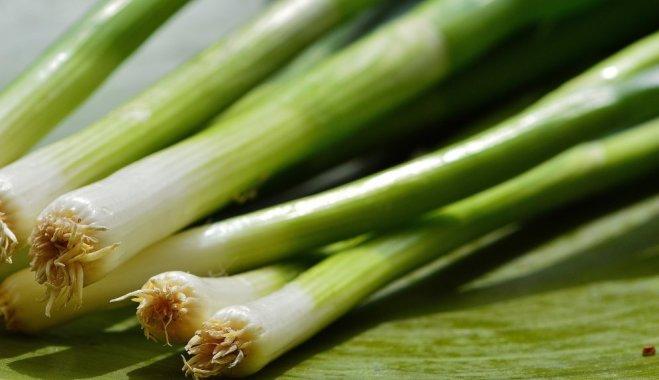
The first loosening of the beds with chives is done immediately after the seedlings have grown a little. Typically, loosening the soil can be done a week after transplanting the seedlings to their permanent location. Five to six loosenings are required during the growing season. For ease of maintenance, it is recommended to combine loosening the soil with weed removal. If frequent loosening and weed removal are not possible, cover the soil surface with a layer of humus.
Watering
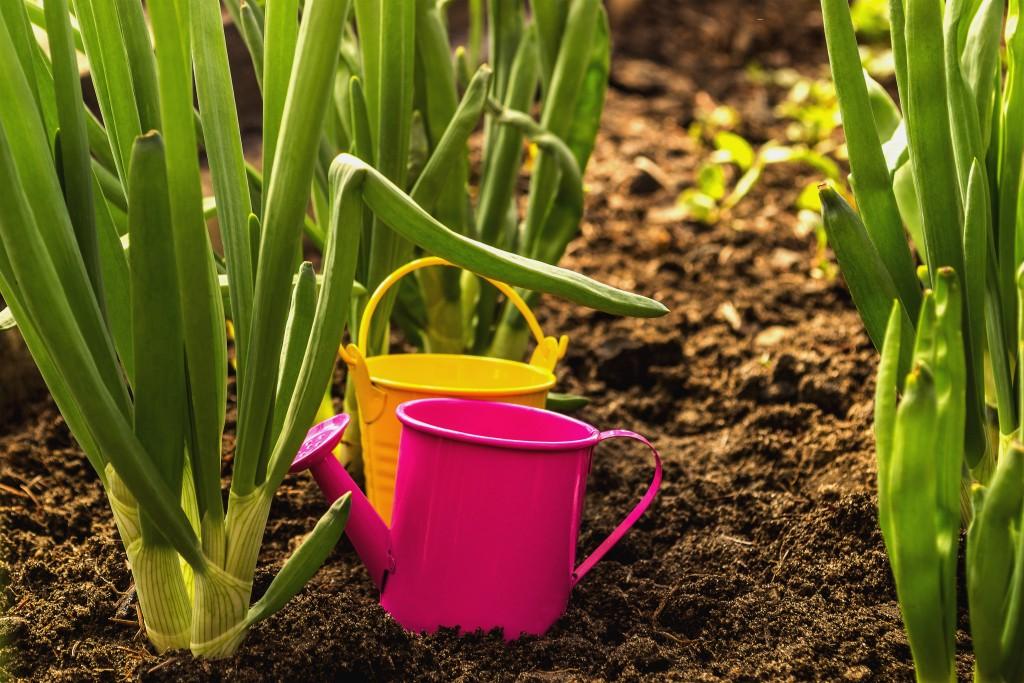
Welsh onions are moisture-loving crops, so when they grow wild, they are found in humid areas. Garden beds should be kept moderately moist on a regular basis. For vigorous growth, the soil in open areas should always be saturated with water to a depth of about 20 cm.
When watering, it's important to consider the amount of precipitation. If rainfall is frequent, additional irrigation may be unnecessary. Under normal weather conditions, watering is required a couple of times a week, and in hot weather, it can be done every other day. For watering, use settled water warmed to room temperature.
Weeding
During the onion growing season, it's important to constantly monitor the planting density. When weeding, remove excess plants, leaving a distance of 6-9 cm between seedlings. If the onion starts bolting and the seeds are not needed for future planting, the shoots are removed. Weeds should also be regularly removed from the beds.
Top dressing
Regular fertilization is essential for a large harvest of Welsh onions. The choice of fertilizer for Welsh onions depends on the specific growth habit of the crop.
Since the soil mixture is pre-fertilized when planting plants, the need for new fertilizers arises only the following year.
The first application of fertilizer is done in early spring, using organic matter. A mullein solution or infusion of bird droppings is suitable for this crop. Subsequently, mineral fertilizers are used, excluding nitrogen-containing substances. In the fall, it's best to use liquid mineral fertilizers for Welsh onions, including ammonium nitrate, superphosphate, and potassium chloride.
Hilling
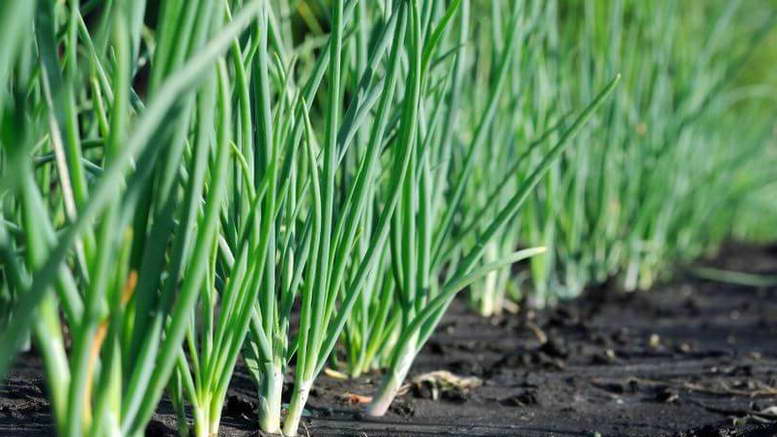
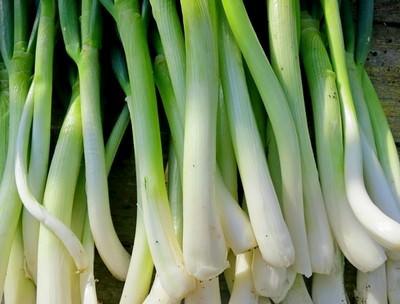
During the growing season, onion plants are hilled 2-3 times to ensure long stems. Hilling chives involves rolling loosened soil onto the base of the stems, forming freshly mounded mounds.
Mulching
By covering the area around plants with a layer of mulch, you can accomplish several things at once. Specifically, mulching allows you to:
- retain liquid in the soil and reduce the amount of crop watering;
- get rid of loosening and removing weeds;
- reduce the likelihood of developing diseases and plant pests.

Protection from diseases and pests
Welsh onions are susceptible to the same diseases and pests as other onion varieties. Most commonly, they suffer from fungal infections, onion moths, and onion flies. To reduce the risk of damage to plants, it's important to follow proper agricultural practices and ensure favorable growing conditions. You can prevent damage to Welsh onion seedlings in the following ways:
- avoid over-watering the beds;
- do not thicken the plantings, trim off overgrown seedlings;
- observe crop rotation rules;
- Remove weeds regularly, as they are often a source of infestation.
Diseases and pests should be controlled by spraying the crop with fungicides and insecticides. Mustard powder, sprinkled on the soil surface, is also effective for eliminating harmful insects. The powder emits a scent and repels pests.
It is also recommended to periodically perform preventative treatments and regularly inspect plants to detect signs of disease early. Prevention helps reduce the likelihood of plant damage.
Harvesting
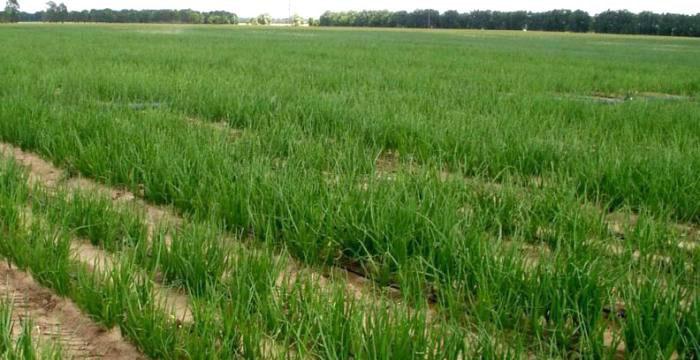
The first harvest of batun can be collected 25-35 days after planting in a permanent location. After another 20 days, the onion greens are harvested again. The harvesting process remains the same, as this variety is grown exclusively for its greens. In the second year after planting, the seedlings grow quickly, and once they reach a height of over 30 cm, the first harvest can be obtained by trimming the greens to a height of 5-6 cm from the ground. It is recommended to regularly rejuvenate the crop by digging up plants 2-3 years old that have formed more than 5 shoots.
How to collect seeds
Seed collection begins after the umbels develop single, cracked capsules containing black seeds. Seeds are often collected several times, as the umbels bloom unevenly. When grown in dry conditions, seeds are harvested in late July, and in cases of sufficient moisture, in mid-August.
If the onion seeds do not have time to form before the onset of frost, it is better to transplant the onions together with the shoots into a container and keep them in a warm room until they ripen.
Contraindications
Despite its many beneficial properties, consuming excessive amounts of Welsh onions can cause increased nervous system excitability. These greens are not recommended for people suffering from gastritis, pancreatitis, or gastric or duodenal ulcers.
Tips and tricks
Growing chives isn't particularly difficult, but experienced gardeners resort to various tricks during the growing season. To achieve a high yield, consider the following tips when growing the crop:
- Welsh onion seedlings should be planted only in well-warmed soil rich in nutrients. Fertile soil is essential for a good harvest.
- Plant shoots can be left on if you need to obtain seeds for propagation. Otherwise, avoid allowing seedlings to bolt excessively.
- When the above-ground part of the plants turns yellow and wilts, it is necessary to use an extra feeding to eliminate the deficiency of nutrients in the soil.
- You can transplant batun seedlings only after the risk of recurrent frosts has passed, otherwise the plants may develop slowly or die.
After harvesting the first Welsh onion crop in July, it's essential to continue comprehensive care of the plants, as new shoots will emerge within 3-4 weeks. Provided all proper agricultural practices are followed and the climate is favorable, three harvests can be achieved in a single season.
Related posts:
 50 types and varieties of perennial onions with descriptions, cultivation, and care
 Description of the best varieties of onions, planting and care in open ground
 When to harvest leeks from the garden for storage, ripening times
 How and when to plant onions to get large bulbs
 Description of the Exhibition onion variety, growing from seedlings, planting and care
 The beneficial properties of white onions, description of varieties, cultivation and care
 Description of varieties and cultivars of wild onions, the subtleties of cultivation
 Types of onion varieties with names and descriptions, their differences and cultivation