
- Description and characteristics of chives
- Popular varieties
- Beneficial properties
- Preparing the soil and planting chives
- Selecting a location
- Predecessors and neighbors of chives
- Caring for chives
- Top dressing
- Watering chives
- Propagation of chives
- Propagation of chives by seeds
- Growing seedlings
- Dividing the bush
- Cutting greens
Chives were developed in Germany as a source of tender, juicy greens. That's why they translate from German as "plant for cutting green leaves." In Italy and Portugal, they were dubbed "English onion," and in Siberia, they took root under the names "chives" and "short onions." They are a vitamin-rich vegetable, and many recipes for appetizers and salads have been created using them. This healthy crop grows freely throughout Siberia, Mongolia, and China, but is not yet very popular in dachas and gardens.
Description and characteristics of chives
Not everyone knows that chives are an easy-to-grow crop. They're easy to grow, producing excellent vitamin-rich produce. Two varieties are known: Central Russian and Siberian. The Central Russian variety ripens quickly, forming clumps of tender leaves that then harden. The Siberian variety grows more slowly, producing larger, juicier leaves.
Its features have been taken into account by some gardeners, since this species:
- does not suffer in cold winters without shelter;
- can grow both in sun and partial shade;
- grows quickly, forming clumps;
- has an excellent taste and a pleasant, spicy aroma.
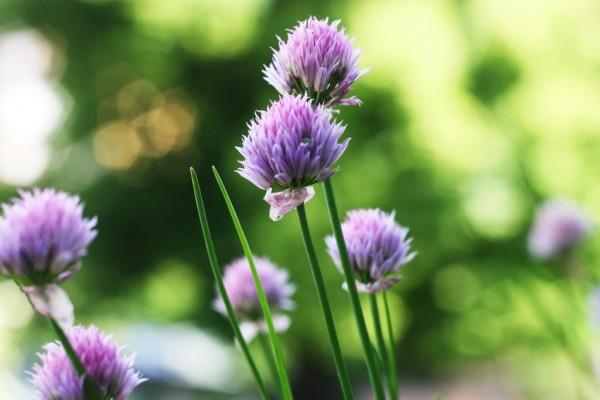
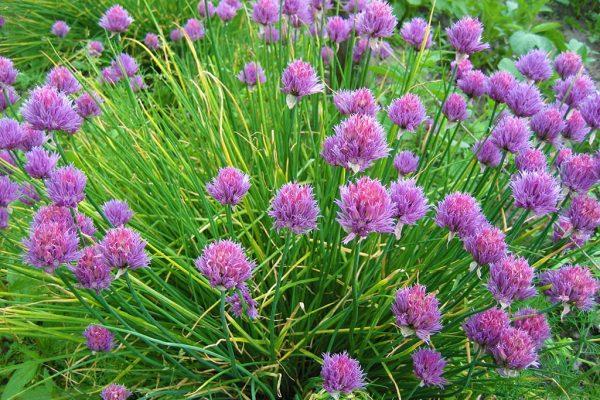
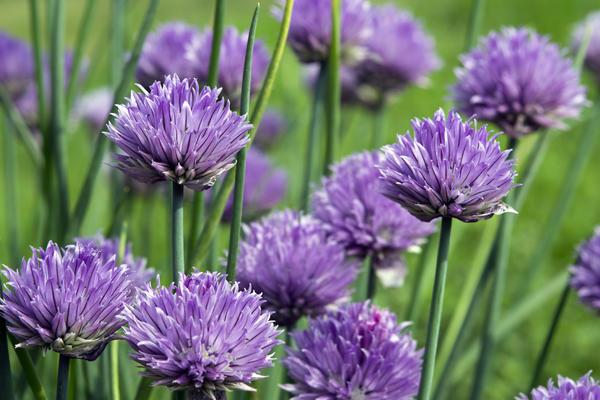
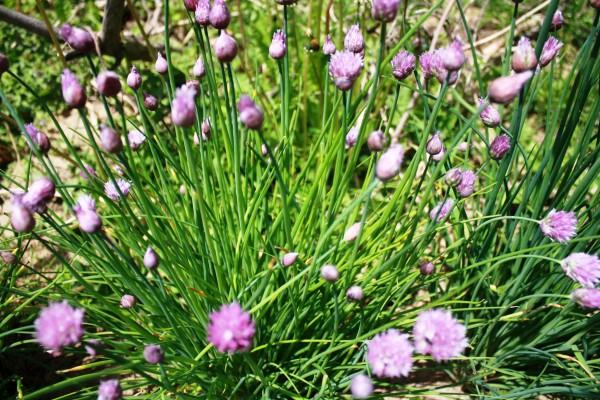
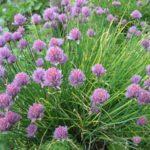
The rezanets is also known as a honey plant and an ornamental plant, since its spherical inflorescences of pink and purple shades attract attention and look beautiful in flower arrangements.
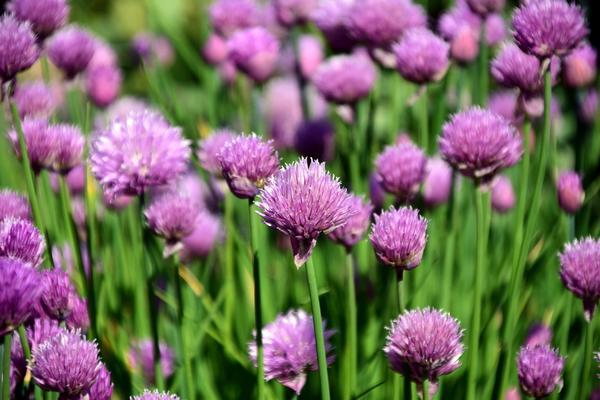
Although chives grow naturally as a perennial crop, in garden plots they are often grown for up to four years. The bush is then divided and replanted. The elongated false bulblets form a rhizome. The threadlike roots extend half a meter into the soil.
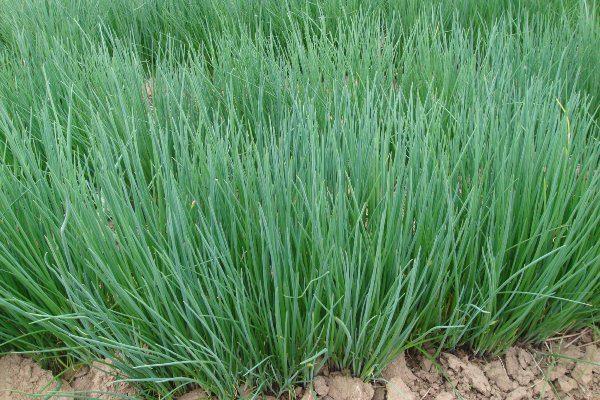
The above-ground portion is formed by tubular or awl-shaped leaves that sit on a pseudostem. The bush grows up to half a meter, forming a flower stalk in the second year. Subsequently, flowering occurs annually. The inflorescences resemble globes of delicate shades, or umbrellas, in scientific terms.
Popular varieties
Chives come in many varieties to suit the needs of onion lovers.
The most famous among them are:
- Albion is covered in bright green leaves with a slight waxy coating. It's mid-season and stands out among other varieties for its pungency.
- Bohemia can be grown in one place for up to five years. It is characterized by abundant harvests and disease resistance. It is an excellent honey plant.
- Chemal is an early variety that produces succulent greens in early summer. It is grown as a biennial crop and is susceptible to powdery mildew. It has a sharp, slightly pungent flavor.
- Khibiny can grow in a plot for up to seven years. This fruitful variety produces delicate, vitamin-rich foliage. Its purple flowers are also striking, making it an attractive ornamental plant.
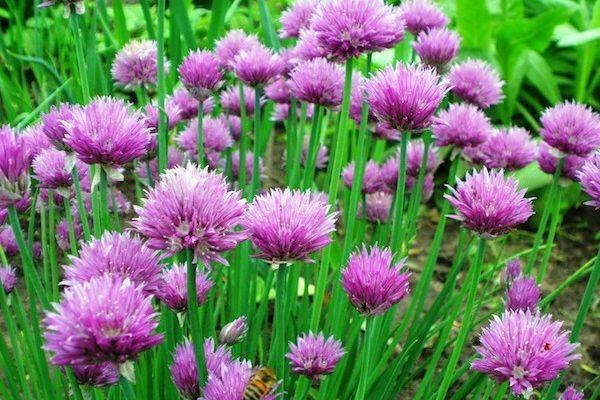
Chives produce varieties suitable for flowerbeds and borders: Bordyurny, Moskovsky, and Elvi. They retain their unusual spherical inflorescences almost all summer and look attractive when combined with other flower crops.
Chives and their photos are presented in the article. You can also view the varieties included in the State Register here.
Beneficial properties
Chives are distinguished by a rich array of vitamins. Their vitamin profile (B, C, K, E, A) is the envy of other perennial onions. The green leaves contain phytoncides, which kill microbes. They are also rich in amino acids, which are the building blocks of proteins in the body. This composition speaks to the medicinal properties of this onion.
The plant is green and spicy. Using these properties in cooking adds additional aroma and a sharp bitterness to dishes. The delicate leaves won't spoil any culinary masterpiece, but rather enhance it and add variety to the flavor. Another advantage of chives is their use as decorative "shrubs" in gardens.
Thanks to its frost resistance, green onions can be grown in temperate climates, producing fresh greens for up to six months. For winter use, chives can be dried or frozen. Indoor cultivation is also possible during winter.
Preparing the soil and planting chives
To ensure onions actively produce green shoots in one spot, the soil must contain all the necessary nutrients and be loose and permeable. Before planting, the area should:
- clear away weeds;
- dig over and level thoroughly;
- add compost or humus.
Since the plant is resistant to recurrent frosts, sowing is done in the first half of April. In northern regions, this period shifts to May. Subsequent care consists of loosening the soil, weeding, and watering. Winter sowing is planned for November, with mulching applied to prevent the seeds from freezing.
Selecting a location
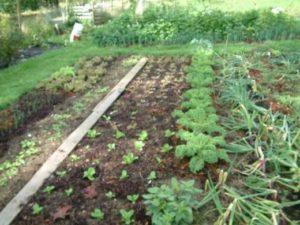
Perennial chives thrive in open areas or light partial shade, where the leaves will remain tender longer and not become rough. A sunny location is also suitable, but the yield will be short-lived, as the shoots quickly lose their juiciness.
The onion family prefers elevated sites away from groundwater to prevent the deep roots from becoming waterlogged. Location is also important, as the clumps form vigorously and require ample space.
When planting, focus on ensuring the soil is not exposed to direct sunlight and has sufficient moisture. Only in moisture-retentive soil in a shaded location will the plumes grow juicy and tender.
Predecessors and neighbors of chives
When growing chives, pay attention to their surroundings. For example, the Bohemia variety thrives with carrots and tomatoes, so it can be planted near tomatoes or alternated with carrots. It does not tolerate beans, cabbage, or beets as neighbors.
It's best planted after greens, tomatoes, cucumbers, radishes, and potatoes. Since chives are a honey plant, it's beneficial to plant them near fruit and berry crops to attract bees.
Due to its pungent smell, it can repel many pests, so placing it along the edges of vegetable beds will protect the plantings from "uninvited guests."
Caring for chives
Growing chives requires certain skills, although the crop isn't particularly demanding. Knowing the basic growing techniques can help you reap a bountiful harvest.

Care for tender shoots grown from seeds is especially important. They require loosening, feeding, weed control, and winter mulching. Once the bush grows large and becomes a turf, it can fend for itself.
Top dressing
During cultivation and care, fertilizing is necessary, which should be done in the second year. If the soil is fertile and the plant is gaining foliage normally, you can limit yourself to infrequent organic fertilizer applications or not fertilize the onion at all.
The first application is made after the first leaf cutting. Use ash (1 cup per 1 square meter of area), bird droppings (1:20), or manure (1:15). Bird droppings and manure are pre-soaked for three days and then diluted with water in the specified ratios.
The second option is to use inorganic fertilizers: Nitrophoska, Ammophoska, or Kemira. Mix them with water in the required proportions.
The second and third feedings are done after the next harvest of greenery. The same fertilizers are used to ensure a longer-lasting harvest. Furthermore, the plants will become significantly stronger and less susceptible to pest attacks.
Watering chives
The onion we grow is a water-loving vegetable that requires frequent watering. Maintaining a proper moisture balance is crucial: avoid creating a swamp, but ensure the soil retains the required moisture. Only with this approach will the onion leaves remain tender and juicy.
If the soil is dry and hasn't been watered for a long time, the onion greens will become tough and tasteless. They should be cut off and the soil should be kept moist to encourage new, fresh shoots to emerge.
Propagation of chives
You can germinate seeds on a windowsill to later transplant and grow small bushes indoors for the winter. However, more vitamin-rich, juicy, and tender produce is obtained outdoors.
Propagation of chives by seeds
Growing onions from seeds It's not a difficult task, but getting a good harvest of greens in the first year is quite challenging. The seeds remain viable for two years, after which their germination rate significantly declines. The best varieties are early ones, but even then, the leaves will only grow enough for a single salad every day.
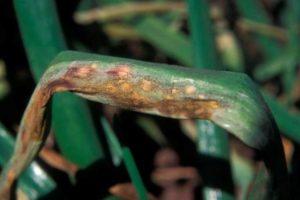
The best time for summer sowing is March-April, and for winter sowing, September-October. The seedlings are thin and delicate, require special and meticulous care, and are susceptible to disease. If they emerge frequently, they need thinning and subsequent replanting, as the bushes will take up more space within a year.
Take a look Also
Growing seedlings
The seedling method allows you to make a significant monthly jump in time, and the plants will go into winter stronger and well-rooted.
To obtain seedlings:
- at the beginning of March, prepared (soaked for a day) seeds can be planted at a depth of 0.5-1 cm in any convenient containers;
- maintain a temperature of +18-20 C, covering containers with film to retain moisture;
- thin out if necessary if the plantings are dense;
- After 60 days, in the two-leaf phase, the seedlings can be transplanted to a permanent location.
When replanting, follow this pattern: 40 cm between rows and 25 cm between plants. A larger space will allow perennial onions to grow more easily without becoming too leggy.
During the first year, don't make more than two cuttings, otherwise the plant will weaken. It's not necessary to pluck all the leaves; just use the amount needed for the dish.
Dividing the bush
After 3-5 years, perennial onions grow, forming thick clumps that cover the entire soil. The yield and quality of green produce decline, so replanting is necessary.
The chive bush is watered well, the root system is trimmed to a depth of 15 cm, and the plant is divided into several sections. Each section should contain 2-3 bulblets. The sections are replanted in a new, pre-selected location and monitored for survival. Care involves the same procedures as for replanting other plants.
Cutting greens
The leaves are cut when they reach 40-50 cm. This is when they accumulate the optimal amount of nutrients. Two or three cuttings per season are sufficient. If the harvest is good, a fourth cutting may be necessary. The last fresh cutting of leaves should be done in mid-September, otherwise the plant will not be strong enough before the first frost.
Starting in the second year of cultivation, you can use not only the leaves but also the bulbs for food. They are very healthy and tasty and fit perfectly into the menu. However, do this sparingly, to avoid damaging the plant.
Chives haven't yet gained popularity among Russian vegetable growers. But it's only a matter of time. This healthy and delicious herb will always find its fans and will become a popular addition to our gardens, if not as a food product, then as an unusual ornamental plant.
Related posts:
 50 types and varieties of perennial onions with descriptions, cultivation, and care
 When to harvest leeks from the garden for storage, ripening times
 The beneficial properties of white onions, description of varieties, cultivation and care
 Description of the best varieties of onions, planting and care in open ground
 How and when to plant onions to get large bulbs
 Types of onion varieties with names and descriptions, their differences and cultivation
 Description of varieties and cultivars of wild onions, the subtleties of cultivation
 Description of the Exhibition onion variety, growing from seedlings, planting and care