
- Rules for choosing a variety
- Agricultural technology
- Timing of sowing in open ground
- Preparation of planting material
- Preparing the ground
- Landing
- Spring sowing
- Subwinter
- Growing seedlings correctly
- Care
- Watering
- Top dressing
- Protection from diseases and pests
- Good neighbors
- Calendula
- Dill
- Carrot
- Crop rotation
- Wood ash
- Weeding and loosening
- Nigella on greens
- Collection and storage
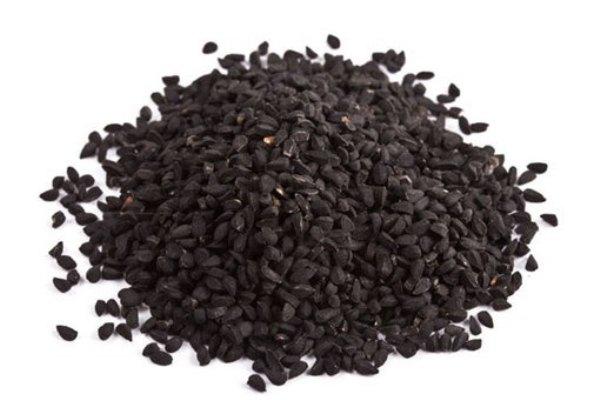
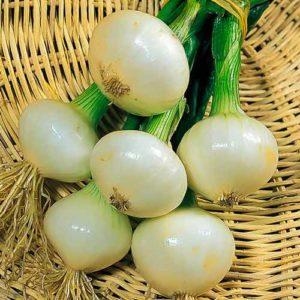
Onion seeds are commonly known as nigella. It takes two years to produce a full harvest from these seeds. Plants grown from nigella seeds are characterized by strong immunity and increased viability. Mature onions acquire these qualities through natural vegetation and systematic adaptation to environmental conditions and the site where they will produce their harvest.
Rules for choosing a variety
The quantity and quality of the future harvest depends on the variety's suitability for the region where seed onions are to be grown. Russia encompasses northern and southern regions with distinct climates.
It is common practice among gardeners to divide varieties of onions Based on daylight requirements. For example, if an onion variety requires up to 16 hours of daylight for a good harvest, it's suitable for growing in southern regions. If 12 hours of daylight is sufficient, it will thrive in northern latitudes.
The season in which nigella is planned to be sown also makes its own adjustments to the choice of variety and the subtleties of agricultural technology.
Agricultural technology
The final result depends on correct agricultural technology.
Timing of sowing in open ground
Nigella seeds for turnips are sown in open ground in early spring or late fall before winter. For spring, it's important for the soil to warm up and reach a temperature of +3°C. C or in +4 WITH.
Sowing times vary and shift depending on the climate and natural conditions of the region where the onion sets are planned to be grown.
Preparation of planting material
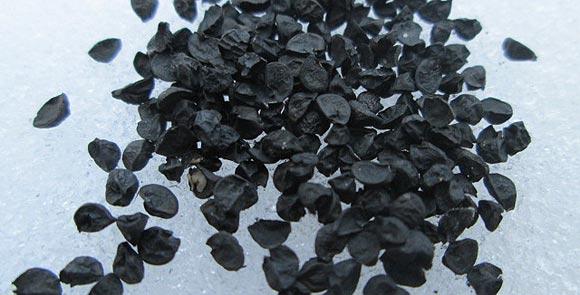
Nigella seeds should be fresh, harvested no earlier than the previous year. Onion seeds quickly lose their viability. Seed preparation should begin with germination and disinfection:
- The soft cloth is soaked in a warm solution of potassium permanganate.
- The seeds are carefully laid out on the surface.
- The fabric is placed in a bag and placed on a warm, well-lit windowsill.
The first sprouts will appear in just 3-5 days. When 75% of the seeds have sprouted, carefully mix them with sand or chalk. This will make the seeds visible in the soil, easy to separate from their fellows, and easier to plant in their permanent location.
Preparing the ground
Preparations for planting seedlings begin with selecting a site where the young onions will grow. Onions are an easy-to-grow vegetable, but when choosing a site for the garden bed, it's important to meet a number of requirements:
- The site must be level and elevated.
- The southern, sunny side is best.
- Future beds should not be exposed to stagnant moisture and create conditions for rot to develop.
- It is necessary to follow crop rotation rules and select favorable predecessors and neighbors.
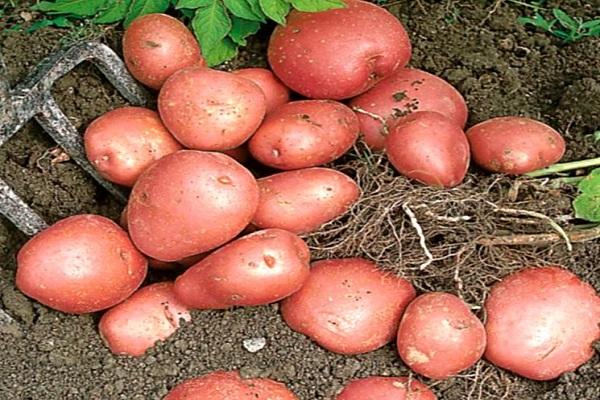
The best predecessors are potatoes, cucumbers, and legumes.
Onions don't like acidic soil. The soil should be loose and fertile. Various mineral and organic fertilizers can be added.
Important! Do not use fresh manure when fertilizing onion beds. This will burn the young shoots and create favorable conditions for fungal diseases.
Before planting seeds, it is necessary to remove weeds and plant roots from the soil.
Landing
There are two ways to plant nigella in the ground:
- tape;
- wide-row.
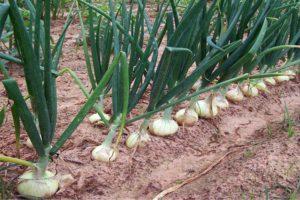
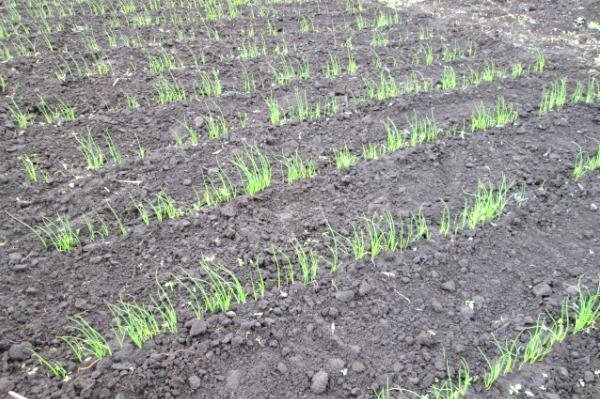
The most convenient and comfortable method is the ribbon method, which allows for uniform spacing between bulbs and maintaining row alignment. Wide-row planting, however, maintains a 60-centimeter spacing between rows to prevent crowding. Two rows of bulb seeds are sown in a single wide furrow.
Note: To ensure optimal illumination of the beds, it is recommended to plant onions in a south-to-north direction.
After planting, the seeds are carefully covered with soil or a mixture of sand and peat and watered with warm water. To prevent infectious diseases, the beds are scalded with boiling water or watered with a solution of potassium permanganate before planting.
Spring sowing
It is carried out in early spring, when the soil has warmed up to a temperature of +3 C. The soil is dug, fertilized, and loosened. Shallow furrows are marked in the beds and moistened. This is especially important when planting already sprouted seeds.
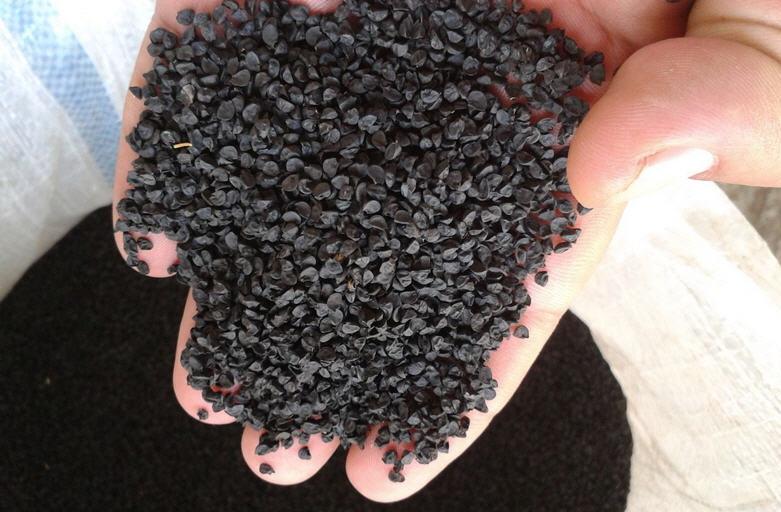
Table salt is used as a preventative measure against insect pests: planted seeds are "salted" and covered with soil. If using home-grown seed, the seeds need to be planted in furrows frequently. The germination rate of fresh seeds can be as low as 70%.
Subwinter
When planting nigella in the fall, it's important to pay attention to the variety of the future onion sets. Preference should be given to varieties recommended for winter sowing. The planting pattern is the same as for spring sowing. When planting onions in the fall, don't rush; it's recommended to wait until the first frost and plant afterward.
After laying the seeds, the furrows are filled with soil and topped with humus. To prevent the seeds from freezing during the winter cold, the beds are covered with spruce branches or straw. In the spring, as soon as the snow melts, the branches are removed, the spaces between the rows are loosened, and the first shoots are awaited.
Growing seedlings correctly
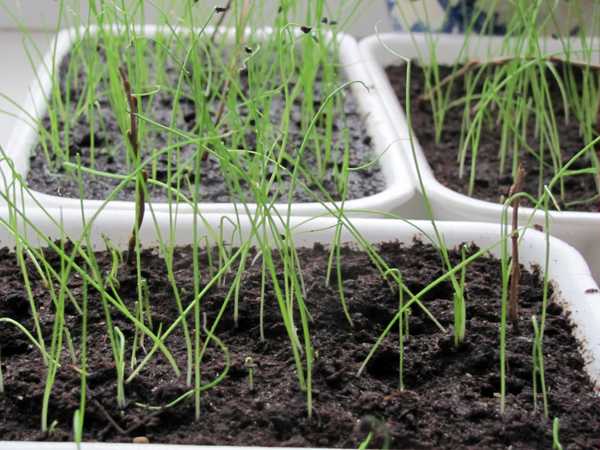
Gardeners often grow onion sets using seedlings. This method allows for a full harvest of onion bulbs in one year, which will then produce a full crop of onions the following year.
The following varieties of annual onions are used for seedlings:
- Odintsovets;
- Strigunovsky,
- Stuttgarter Riesen and other varieties.
For sowing seeds, use seedling trays 15-20 centimeters deep. The soil should be nutritious and loose. A solution of brilliant green or potassium permanganate can be used as an antibacterial treatment.
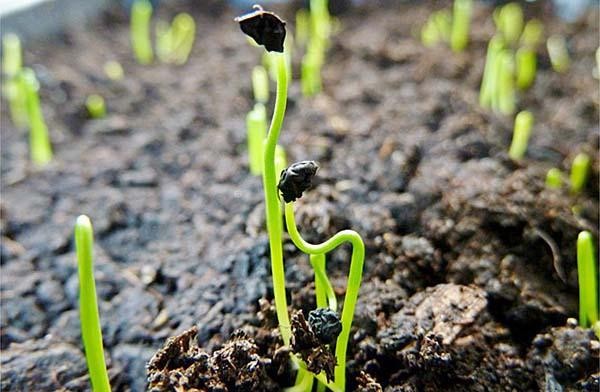
Prepared sprouted seeds can be sown from the end of February. Don't cover them with soil; a 1-centimeter layer is sufficient. Water them regularly. Cover the seedling trays with plastic wrap and place them in a warm, well-lit area.
Seedlings can be planted in open ground 30-35 days after the first shoots emerge. Space the bulbs 8 centimeters apart. Over the next month, water the bulbs and protect them from pests by sprinkling them with dry wood ash or ground red pepper.
Care
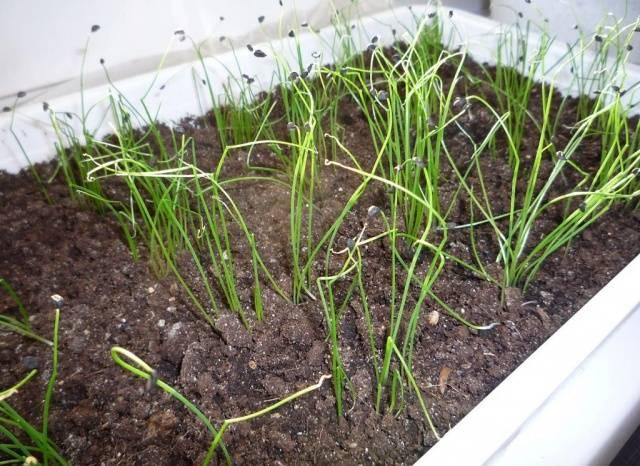
Initially, after planting, the seedlings are very delicate, resembling thin "hairs" in the garden bed. Onion plants require regular weeding and loosening of the soil. Onion sets require less fertilizing than regular watering and loosening of the soil.
Watering
Regular soil moisture is essential for the health and harmonious development of onion seedlings. If the soil is allowed to dry out, a crust will form, the onion sprouts will stop developing, stop growing, and lose their immunity. Watering should be done in the evening using a watering can. Regular watering can be gradually discontinued from mid-July.
Top dressing
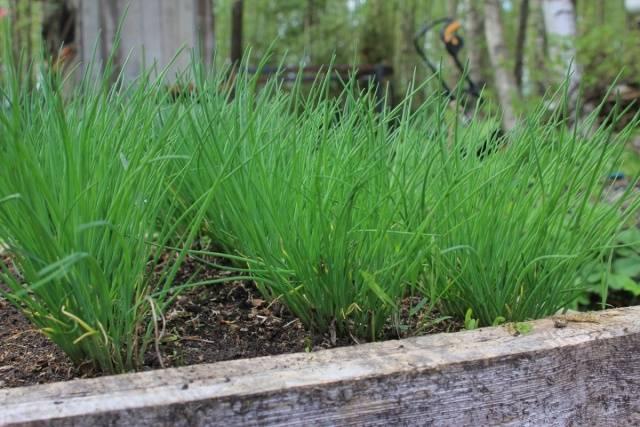
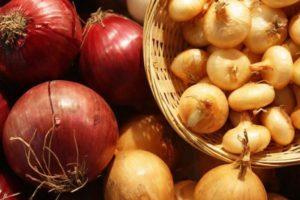
Onions don't require much fertilizer. During the growing season, seedlings are fertilized twice. The first time is approximately three weeks after planting. Organic fertilizers, such as a cow dung solution in water, are best. Add one shovelful of organic matter to 10 liters of water and let it steep for 24 hours. Fertilize the onions in the evening to prevent sunburn. After another 10 days, apply the necessary mineral fertilizers: urea, superphosphate, or ammonium nitrate.
Protection from diseases and pests
Onion flies and other insect pests are enemies of onion beds. Excessive moisture and the use of fresh manure as fertilizer can cause powdery mildew and other fungal diseases to affect the onion sets. As a preventative measure, companion plants are added to the onion plants to protect them from pests.
Sagebrush
A weed with a pungent, fragrant odor. Insects are repelled by the aroma of wormwood. Onion flies and onion hoverflies are particularly sensitive to the smell.
Tomato stepsons
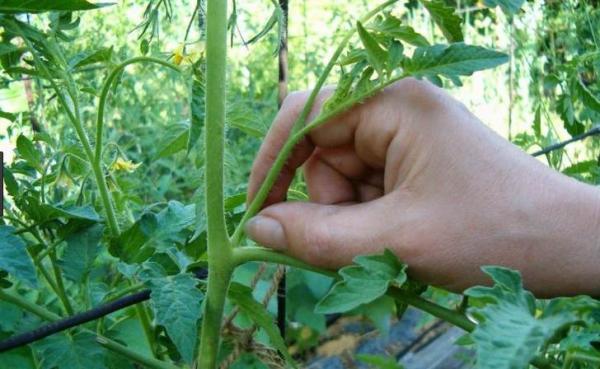
After pruning tomato plants in greenhouses and hotbeds, gardeners have a natural, environmentally friendly remedy for onion diseases: tomato side shoots. They should be collected and soaked in warm water for 24 hours. The next day, strain the infusion and spray the onion beds with a spray bottle. This remedy is effective against various types of insect pests.
Dandelion leaves
An infusion of this weed's leaves can combat onion root mites. Simply water the beds with this solution twice a week.
Peppercorns
This product has been used for over 50 years to combat onion flies and various types of aphids. It can be used as an infusion or simply by spreading whole peppercorns between rows.
Good neighbors
Fragrant herbs actively repel insect pests from onion beds. Companion plants can be planted between rows or along the perimeter of onion beds.

Calendula
The aroma of this medicinal flower spreads for many meters. Onion beds are reliably protected from onion flies and aphids. It's worth noting that planting calendula as a "good neighbor" noticeably transforms onion beds, achieving a decorative effect.
Dill
If a gardener doesn't have space to plant dill in their garden, they can grow the herb between the rows of onion beds. This achieves two benefits: the onions are protected from pests, and the gardener gets an extra harvest of fresh herbs.
Carrot
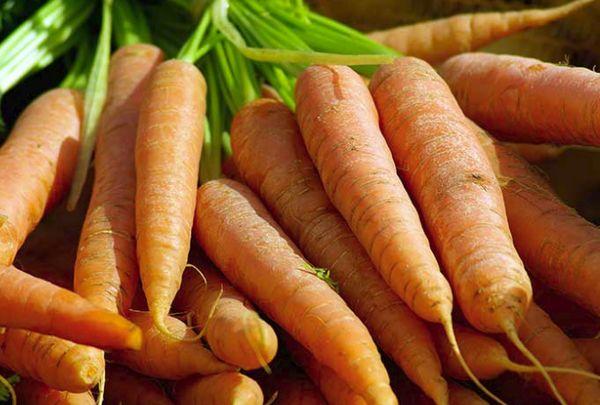
Carrot tops have a pungent, spicy scent that can repel flying pests like nigella. Gardeners often alternate rows of onions with furrows of carrots.
Crop rotation
Crop rotation rules are essential when growing all types of vegetable crops. It is not recommended to plant nigella after mature onions, garlic, and other bulbous plants. This type of rotation can spread common diseases quickly, and the soil lacks the nutrients needed for the nigella, as they have been absorbed by the previous crop.
The best predecessors for young onions are cucumbers, potatoes, and various types of cabbage.
Wood ash
Tobacco dust and dry wood ash are effective against onion flies. During the active breeding season, onion beds can be dusted with this folk remedy every other day. It's important not to water the plants after dusting. The ash and dust should remain on the onion flies for as long as possible.

Weeding and loosening
A crust forming on the beds prevents the root system of future bulbs from developing properly. The soil isn't aerated, preventing the plant from "breathing" and slowing its growth. It's essential to loosen the space between the rows, and this can be done daily.
Weeds steal nutrients from the soil and shade the beds; they must be dug up and removed. Regular loosening and weeding are essential for this low-maintenance vegetable crop.
Nigella on greens
Young nigella sprouts are tender and aromatic. Gardeners often grow onions from seed to harvest the fresh, spicy greens. Thinning seedling furrows often results in a large number of unwanted young sprouts. There's no need to remove or discard the young stems. They make a delicious salad or soup seasoning.
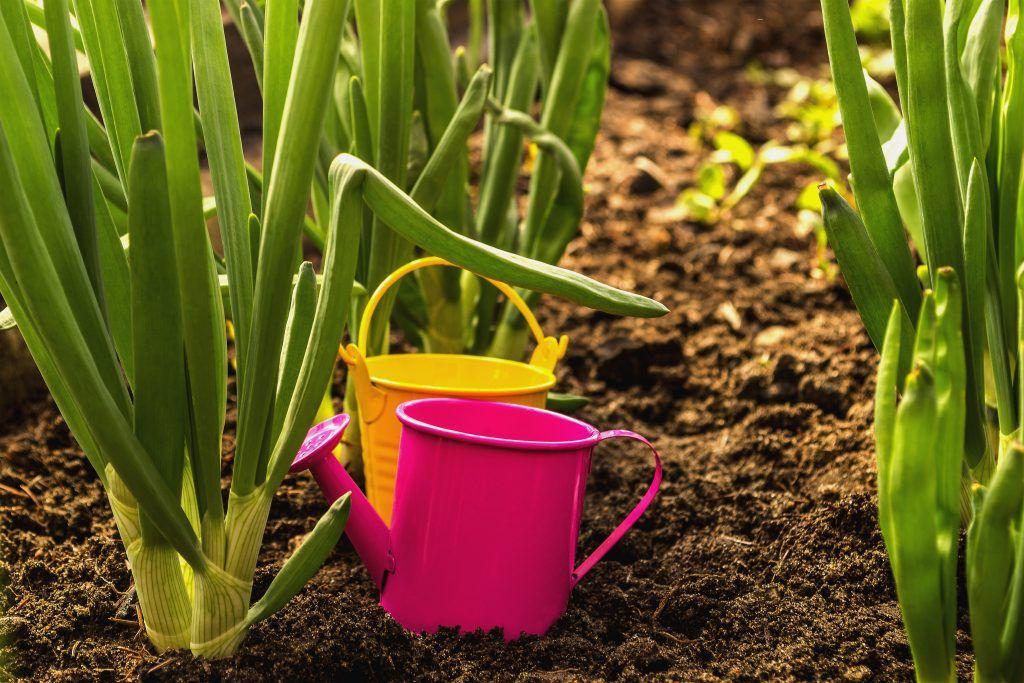
When planting nigella for greens, you don't have to worry about planting time. Green onions can be grown indoors, on a balcony, or in an open-air garden.
Collection and storage
It's important to prepare ripe onion sets for long-term storage. To do this, they must be harvested and dried. Avoid harvesting immediately after rain or watering. Drying the harvested onions is best done outdoors in bright sunlight. Ultraviolet light will disinfect and dry the onion crop in 3-4 hours. Avoid stacking the onions on top of each other when drying.
The layer should be uniform, with small gaps between the tubers. The yellowing of the tops and the drying of the necks are the signals for harvesting.
Dried onions are stored in well-ventilated boxes in a dark, dry place. The optimal storage temperature is +18°C. The germination rate of nigella seeds collected at home reaches almost 100% in the first year after harvesting, but then it begins to decline rapidly, and after three years, all seeds become sterile. By growing their own sets, gardeners can be confident in the high quality of the resulting seeds. Onions are acclimatized and have a strong immunity, perfectly suited to their growing region.
Related posts:
 50 types and varieties of perennial onions with descriptions, cultivation, and care
 When to harvest leeks from the garden for storage, ripening times
 Description of the best varieties of onions, planting and care in open ground
 How and when to plant onions to get large bulbs
 The beneficial properties of white onions, description of varieties, cultivation and care
 Description of the Exhibition onion variety, growing from seedlings, planting and care
 Description of varieties and cultivars of wild onions, the subtleties of cultivation
 Description of Welsh onion varieties, planting, growing, and care in open ground