
Rational land management and regular crop rotation allow for a bountiful harvest and increased soil fertility. The question of what to plant after onions is a pressing one. People have known about onions for a very long time. Onions are a key ingredient in soups, side dishes, gravies, and meat dishes. They impart a distinctive flavor and wonderful aroma to dishes.
Knowing which vegetables can be planted after onions will help you plan your garden beds in advance. For convenience, you can make notes in a notebook so you don't forget them until next year. Incorrect plant rotation leads to a poor harvest.
Does the soil need to rest after onions?
It's not recommended to plant the same type of crop annually in the same plot of land. Crop rotation is essential, as it will positively impact yields. Onions remove virtually all the nutrients from the soil, particularly potassium compounds. This encourages a large infestation of pests in the same plot of land. If a crop with a similar nutrient status is planted in the same spot the following year, the crop will be deprived of the nutrients essential for healthy growth and development and will be susceptible to pest attacks.
It's important to allow the soil to rest. This is achieved through proper crop rotation. If this is not possible, then it is worth providing the beds with rich fertilizer: manure, potassium-containing fertilizers and compost.
If possible, sow the area with rye or mustard. These plants can replenish lost nutrients. Marigolds effectively improve the soil composition, and their aroma repel pests in the garden.
What to plant after onions
Before planting seedlings, it's important to choose what to plant after onions. Here are some tips to help you decide:
- Strawberries will grow and produce a bountiful harvest in the same place where onions were grown. The plantation can be replanted with young plants as early as the fall.
- Some people recommend planting beans.
- White cabbage is well suited for subsequent planting.
- Get a harvest of cucumbers if you plant them in place of onions.
- Divide the bed into two parts and plant peppers and eggplants.
- Onion harvesting takes place in midsummer. Greens can be planted in the same area where they were harvested.
- You can ensure proper crop rotation by replacing onions with carrots.


What shouldn't be grown after onions?
After planting onions, the soil becomes depleted and potassium-deficient. Some crops simply cannot thrive in such soil. This situation cannot be remedied even by applying the necessary fertilizers and supplements.
Garlic is very similar to onions in its properties and growing conditions. Therefore, they should not be planted in the same area every year. This will cause poor growth, diseases, and a poor harvest.
Vegetable growers recommend enriching the soil with nutrients before planting cabbage. Ideally, the same area where onions were harvested should be sown with rapeseed or mustard the same year. Before flowering, the greens should be mown down and the soil dug over. Some winter crops can be planted as early as autumn.
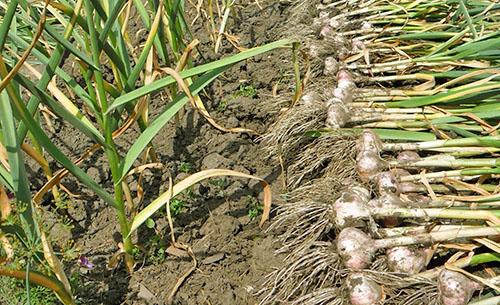
Proper crop rotation helps maintain soil fertility and renew it. If you plant onions year after year, the soil will become poor, as these plants take up all the potassium.
Ideal crop rotation
There are tables that will tell you what to plant after onions. Proper placement of vegetables in a plot allows you to increase its fertility and maintain an optimal balance of nutrients contained in the soil.The main feature is that different types of plants can be planted in the same area every year.

Pests that specialize in attacking similar plants are concentrated on the plantation. Ideally, replanting vegetables should be done after 3-4 years. If proper crop rotation is not possible due to the size of the plot, careful consideration and selection of crops is necessary.
Planning combined beds
Planting different crops in the same bed improves soil health and has a positive impact on harvests. If you're wondering whether it's possible to plant onions and garlic in the same bed, the answer is a resounding yes. These vegetables are similar in type and thrive side by side. This simplifies the gardener's work, as they require the same care.
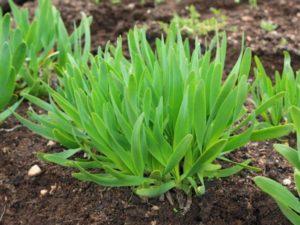
Beets and carrots will thrive in a few square meters. In every garden, it's important to carefully space crops to ensure a bountiful harvest and save space.

After which you can plant onions
Onions can be planted after most main crops. Ideally, they should be grown alongside root vegetables, such as potatoes, carrots, and beets. In midsummer, after the harvest, you can grow greens in this spot. Plant parsley, dill, or other favorite herbs in the area. Once the greens appear, preserve them, for example, by freezing.
Plants that require short daylight hours are planted. Green manure, which improves the soil, is beneficial for the soil. Onion predecessors can be of various types. Before planting, it's also important to consider the onion variety. Not all varieties thrive equally well in the garden.

Let's look at the main varieties:
- Leeks contain a large number of vitamins and nutrients. They repel various types of caterpillars and other small pests. They produce a bountiful harvest. Cabbage, tomatoes, and potatoes can be planted in the same place or nearby.
- The feathery green variety also contains a wealth of vitamins. Its main advantage is that it can be eaten year-round. It's grown outdoors in spring, summer, and winter. In winter, it's grown in a greenhouse or on a windowsill. After growing it, you can plant basil, spinach, and zucchini. It offers the opportunity to enjoy fresh, young greens as early as early fall. After a few years, replant the plants and plant strawberries or potatoes in the same spot.
- Welsh greens are very popular among gardeners because they are easy to care for. Homemakers appreciate them for their mild flavor. They use them in salads, soups, and borscht.

After which it is better not to plant onions
Rotating plantings is important both in large plots where crops are grown and in small beds. It's important to follow a specific sequence and know what to avoid. As experienced gardeners say, plant each vegetable in its proper place. Pathogenic bacteria and other microorganisms accumulate in the soil during its growth.
Therefore, crop rotation is necessary. If a plantation grew carrots or beets one year, it would be a mistake to plant turnips there.
For example, a disease called late blight. If a plantation's crop is damaged by this rot one year, growing a similar vegetable there will be problematic. Even the most powerful fertilizers will be ineffective. Each year, move the onion bed to a new location. This will allow you to grow good vegetables.
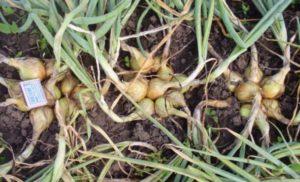
After planting onions, carrots, potatoes, and legumes will grow well. Planting radishes or radishes will protect the fruit from pests. Fertilizers also help replenish the soil. Planting a small plot with different crops each year will prevent the soil from losing its fertility. To help remember the layout of your beds, you can keep a special notebook. Make a small sketch each year indicating the locations of your crops.
Related posts:
 50 types and varieties of perennial onions with descriptions, cultivation, and care
 When to harvest leeks from the garden for storage, ripening times
 How and when to plant onions to get large bulbs
 Description of the best varieties of onions, planting and care in open ground
 Description of the Exhibition onion variety, growing from seedlings, planting and care
 The beneficial properties of white onions, description of varieties, cultivation and care
 Description of varieties and cultivars of wild onions, the subtleties of cultivation
 Description of Welsh onion varieties, planting, growing, and care in open ground
To restore the soil, it's not enough to simply rotate crops. It's also necessary to add bioactivators and fertilizers. After each harvest, useBioGrow", then there will be no difficulties.