
- What are the benefits of onions?
- The danger of untimely harvesting
- When to stop watering onions
- When to harvest onions from the garden
- How to speed up the ripening of bulbs
- How to properly dig up onions
- Harvesting onions during the rain
- How to dry onions properly
- How to store onions at home
- Onion harvest dates by region
- Onion harvesting technology
To determine when to harvest onions for storage, pay attention to the signs of ripeness. Onions are considered ripe when the tops have dried out and turned yellow, and the stems are drooping toward the ground.
What are the benefits of onions?
Onions have many benefits. The fruit is rich in organic acids, essential oils, vitamins, amino acids, and glucose.
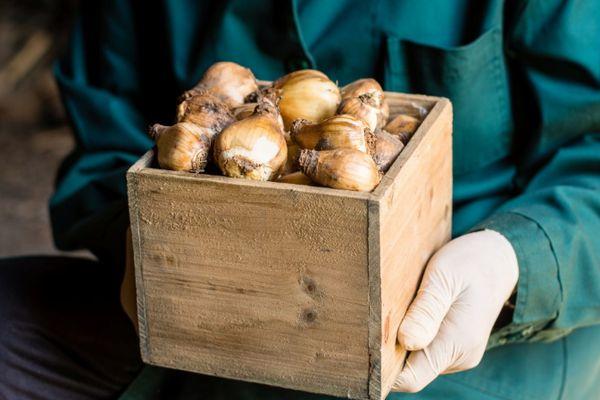
Since ancient times, freshly squeezed juice has been used to combat colds. Therefore, it is often called a natural antibiotic. Furthermore, drinking it increases potency in men and stimulates sperm production.
But the benefits of onions don't end there. This vegetable has a beneficial effect on blood formation and metabolism, improves digestion, and promotes the elimination of excess fluid from the body.
Onions should be harvested only when they are ripe. Both early and late harvesting affect not only the taste but also the nutritional value of the product.
The ripening period directly depends on the climatic conditions of the region, so there is no specific date, When to harvest onions, does not exist.
Experienced gardeners closely monitor external signs of ripening so as not to miss the peak of maturity.
The danger of untimely harvesting
Determining the correct time to harvest onions is very important, because the ripeness of the vegetables determines not only the quality of the harvest, but also how it will be stored.
It is important to remember that you should collect fully ripe bulbs that have not been sitting in the soil for too long.
Harvesting before the onion is fully ripened can result in the onion not developing a full scale, leaving the neck vulnerable to viruses and other pathogens.
Delayed harvesting causes the vegetable to gradually lose its protective scales, while the onion continues to develop its root system. Not only does the product gradually lose its nutritional value, but it also loses its shelf life.

When to stop watering onions
Watering should be stopped approximately fourteen days before harvest. Abundant moisture encourages the vegetable to develop new leaves instead of becoming covered in dry scales. During prolonged rains, a plastic cover should be stretched over the beds to protect the crop from excess water.
Watering is important during the first half of the growing season, when green leaves are growing. The roots of the bulb are short and cannot draw moisture from deep within. The bulb grows in such a way that each successive leaflet matures within the previous one. Without moisture, the scales will dry out, but after generous watering, a new, juicy, moist layer will form. This uneven distribution is not conducive to long-term storage. Furthermore, the neck of the bulb will be susceptible to rapid rot.
When to harvest onions from the garden
When choosing the time to harvest onions, don't wait until all the bushes have fallen to the ground. If half of them have fallen, then the harvest season has begun.
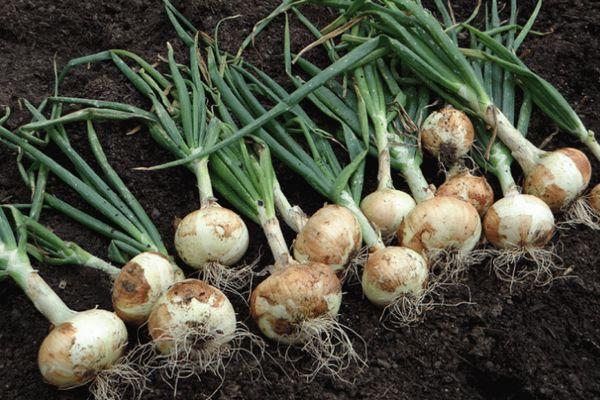
There's no definitive answer to the question of when to harvest onions. Harvesting can take place at different times, as each region has its own climate.
Onions are often harvested at the end of July, as August often brings prolonged rains and lower nighttime temperatures. Such changes can contribute to rotting of bulbs, as well as their infection with fungus.
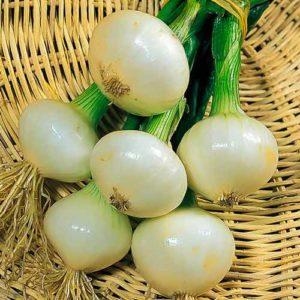
If the weather is cloudy and slightly cool, and the vegetable leaves are still green and not bent toward the ground, harvesting should be delayed until the end of August. To ensure a high-quality harvest, you'll need to keep an eye on the weather forecast and pay close attention to the plants.
One way or another, onions must be harvested before the beginning of September.
The plant takes about seventy days to mature. This means that spring-planted onions, if planted on May 15th, can be harvested in early August.
In ancient times, the collection of the plant was completed on Elijah's Day, that is, August 2.
How to speed up the ripening of bulbs
Sometimes the weather can be a bit of a surprise, and when it's time to dig up onions, the onion tops don't even seem to be ready to droop. Prolonged rains and cool temperatures can hinder the bulbs' ripening. In this case, you can speed up the process artificially.
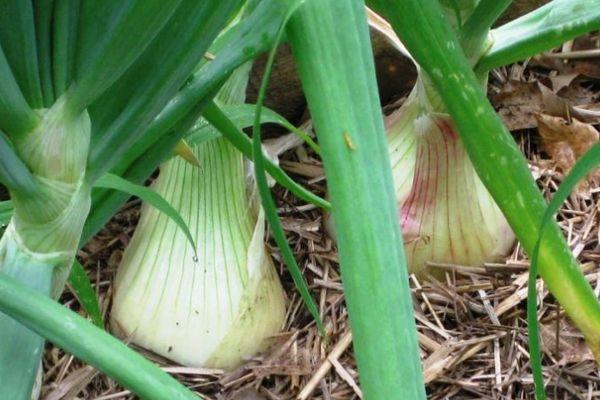
There are several ways to speed up the harvest:
- The most effective method is to prune the root system at a depth of about five centimeters below the base. This procedure is performed four weeks before the expected harvest. A shovel is typically used.
- Two to three weeks before harvesting, lift the bulbs with a pitchfork. This action will partially tear off the roots.
- The next artificial ripening method is used ten days before digging. It involves raking the soil away from the plant's bulbs, removing about half of the soil.
How to properly dig up onions
For long-term storage of the harvest, it is important not only to choose the right harvesting period, but also to adhere to the harvesting technology:
- Onions should be dug up for storage when sixty to eighty percent of the plants have fallen. They should be harvested after ten days, which allows the remaining bulbs to fully ripen. Waiting until the tops have completely fallen may alter the onion's flavor.
- The bulbs are removed from loose soil by hand, pulling on the dried tops. If the plant was grown in heavy clay soil, harvesting is done using the appropriate tool. Use a shovel to lift the bulbs and carefully remove them from the soil. Remove any clumps of soil from the bulbs by hand only, which helps protect the harvest from mechanical damage.
Harvesting onions during the rain
If rain accompanies the onion harvest, it can sometimes be difficult for gardeners to determine the ripeness of the onions, and unripe bulbs may be dug up along with the quality vegetables.

Dry the harvested crop in a well-ventilated area. Lay the vegetables out on the floor and turn them over periodically. Remove excess soil only after the fruit has completely dried.
So what should you do if onions spoil while drying? Rotten bulbs are separated from good ones and used for canning. Rain-soaked onions are dried for a week and then stored in wooden boxes.
How to dry onions properly
There are several ways to dry dug up onions:
- Leave the vegetables in the garden bed. The air temperature should be around 30 degrees Celsius. To prevent the morning dew from wetting the heads, cover them with a cloth in the evening. The drying process will take ten to fifteen days.
- Braid the onions. To do this, tie a double-stranded rope to the onion. Then, you can begin braiding the onion stems, securing them with the rope. The harvested onions are hung near the ceiling to dry. To use the onions later, simply trim off the tops.
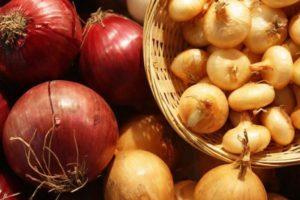
Dried turnips are considered to be dense turnips with dry husks. Removing onion sets from the garden for storage, its dry tops are cut off.
How to store onions at home
Once the onions are harvested, it's time to think about storing them. You can store the onion sets indoors until next summer using a ventilated container. A wooden box, basket, or fabric bag will do.

When stored in plastic bags and glass jars, onions quickly rot.
Harvested onions should be stored after they've been thoroughly dried or aired if they were removed from the ground during rainy weather. Only ripe, whole, and rot-free onions should be stored. Immediately remove any tops and roots with scissors and sort out any large or small specimens.
The best place to store this vegetable for a long time without incident is a basement or cellar. However, apartment dwellers often don't have this space. To preserve the product, two key conditions must be met:
- the onion must be placed in a dry place;
- You need a well-ventilated container where the vegetables will be stored.
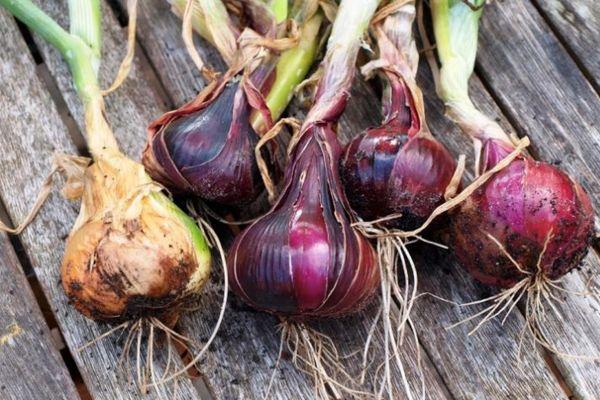
The best device for preservation of onions Wooden boxes are ideal for winter storage. They are perforated to allow for good air circulation. These containers are very convenient to use and can be stacked on top of each other, saving significant space.
If such containers are not available, other storage options will do:
- Cardboard boxes. Just make sure to punch holes for airflow and ventilation.
- Wicker baskets. They are made from natural materials and look beautiful.
- Fabric or paper bags. Avoid using large bags to avoid creating a bulky layer.
- Nets. They provide excellent circulation and make it easy to see onions that have rotted over time or have sprouted.
- Nylon stockings. For a more aesthetically pleasing look, braid the onion stems instead of cutting them. If done well, this storage method will add a decorative touch to your kitchen and help purify the air.
- Another unusual method is storing them in chicken egg cartons. Place one vegetable in each compartment and simply set them down in the empty space.
Early varieties are less resilient to long-term storage. Vegetables should be consumed within a month of harvest. During summer, peel and refrigerate the onions. Place the onions in an airtight bag, add 100 grams of plain water, and tie the bag shut. Remember to change the water every 72 hours. This method will prevent the onions from rotting and will keep them fresh for a long time.
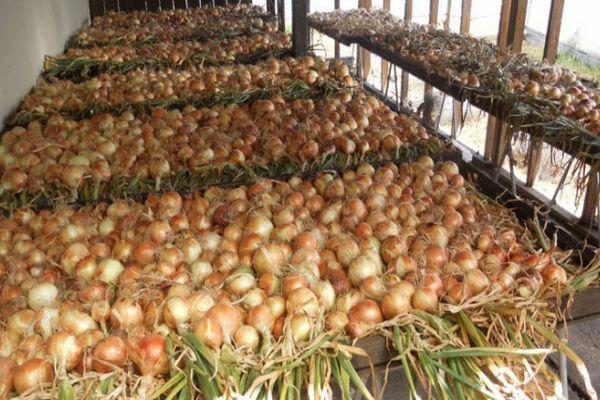
But you can't leave this vegetable to chance. It needs to be sorted occasionally, removing rotten, sprouted, and soft onions. If the onions have absorbed excess moisture, discard them immediately to preserve the remaining harvest.
Onion harvest dates by region
Most onion varieties in the Black Earth Region complete their ripening by late August or early September. However, it's difficult to say exactly when the beds will reach maturity.
In the Central Black Earth Region and the Voronezh Region, winters are very mild, allowing for winter planting. In this case, gardeners begin harvesting onions two weeks earlier than spring planting. They sow early- or mid-season varieties. Gardeners dig the beds in the first months of summer. Typically, the harvesting period falls between late June and early July.
Having planted the vegetable in the spring in these regions, onion plants are harvested a couple of weeks later than winter crops.
In other regions of Russia, the maturity period directly depends on climate conditions and ranges from 60 to 85 days after sowing. In the north and central regions, this period is very similar:
- The Moscow region harvests onion plants in late August-early September;
- Siberia begins work closer to mid-August;
- Southern regions dig up vegetables until the beginning of September, if there is no prolonged rain.

Onion harvesting technology
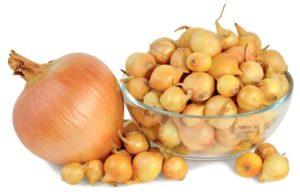
When vegetables are harvested early, they don't yet have a protective layer and tend to crack due to late harvesting. If the tops have already fallen and turned yellow, or closer to brown, this is the main indication that the onions are ripe and ready to harvest. However, sometimes the upper part, the tops, remain colorless for a long time and don't lodge. Several easy methods can help speed up the process:
- Using a shovel, the bulb's roots are pulled out. This reduces the supply of nutrients from the soil, promoting rapid ripening. This can be accomplished by using a pitchfork to lift and separate the bulbs from the ground.
- You can trim the feathers, but in this case you are guaranteed to lose some of the harvest.
- Fifteen days before the onion's growth, stop watering, loosening the soil, and fertilizing to prevent the tops from growing and ensure all the nutrients are transferred to the bulb. At this point, visible changes begin, such as drying of the leaves, husks, and necks.
Onions should be harvested in good weather and before temperatures drop below freezing. Onions that are susceptible to freezing will not store well. It's important to harvest before the rainy season, as the moisture will encourage new roots to emerge and the onions to continue growing.
From soft soil, simply pull the onion out by the leaves. If the soil is dense, dig it up slightly, then carefully remove it to avoid damaging the root system. When the soil is at its lowest moisture level, remove the soil and leave it outdoors for a week to dry, allowing all the beneficial minerals to reach the bulb.

There are two main options for harvesting this crop: manually or using mechanical equipment.
When harvesting onions manually, they are lightly dug up from the garden bed, thereby disturbing the plant's roots to hinder growth and ensure that they do not absorb minerals, thereby reducing the time it takes for them to ripen.
Mechanical harvesting is a bit more complicated. This method is used when growing large quantities of produce.
It is carried out in two ways:
- Single-phase. Onions are simply separated from the ground and placed in vehicles for transportation, storage, and subsequent sale. This reduces harvesting time and labor costs, as well as minimizing losses due to damaged onions.
- A two-phase method. First, the onions are left in the field to ripen, and only then are they harvested. This increases losses. However, on heavy and compact soils, this method is more efficient. It eliminates large clods of soil, as after topsoiling, the onions are harvested by hand, the fruit is separated from any unwanted dirt, and only the peeled onions are left.
Related posts:
 When to harvest leeks from the garden for storage, ripening times
 50 types and varieties of perennial onions with descriptions, cultivation, and care
 Description of the best varieties of onions, planting and care in open ground
 How and when to plant onions to get large bulbs
 The beneficial properties of white onions, description of varieties, cultivation and care
 Description of the Exhibition onion variety, growing from seedlings, planting and care
 Description of varieties and cultivars of wild onions, the subtleties of cultivation
 Description of purple onion varieties, their beneficial properties, storage methods, and harvesting times