
Gardeners often ask: what should I do if my onions are rotting in the garden? All fertilizer and watering guidelines were met. The weather was favorable for the onions to ripen actively. But when it came time to harvest, there wasn't a single healthy bulb left.
There's nothing to store. The onions, seemingly perfectly healthy, are rotting. The gardener tries to preserve the remaining harvest. And for the winter, he buys produce grown in other regions.
All your efforts are wasted. The variety is spoiled. And you won't be able to get any nigella from these bulbs: bad seed won't produce good seed. How to avoid disappointment and ensure you have delicious onions for the winter: the task is entirely solvable.
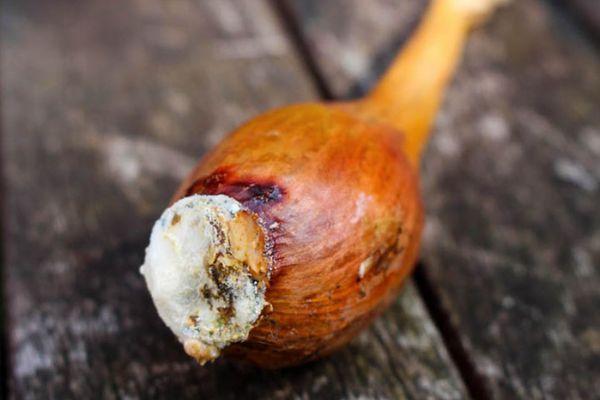
The main causes of rot in garden beds and how to combat them
Early detection and diagnosis of rot will help save diseased onions. Inspect the plantings daily and monitor the health of the above-ground portions of the plant.
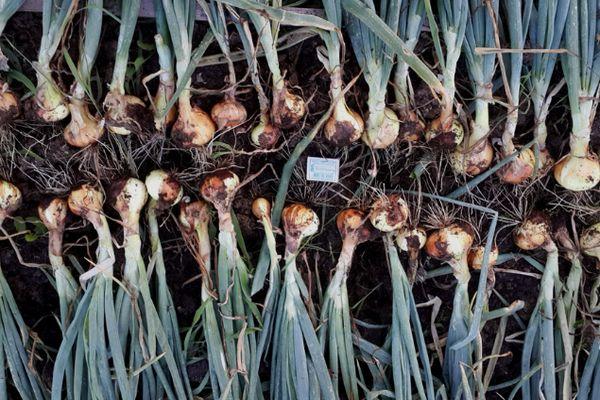
Early lodging and yellowing of the feathers should be a warning sign. This is the first sign of rot. It is recommended to pull out the head and inspect it carefully:
- Look for damage to the area where the feather and head meet. This is how onion fly larvae eat onions.
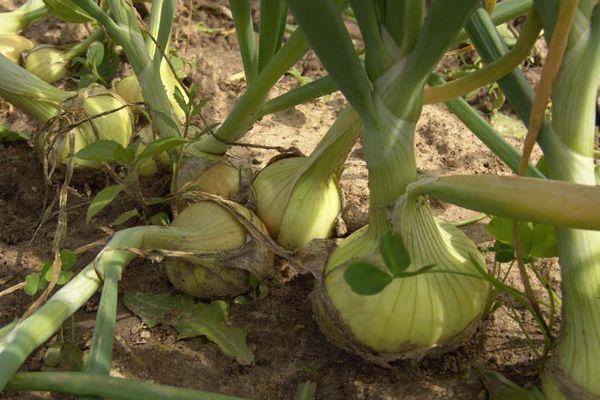
- Next, it's recommended to inspect the bottom of the plant. If it's wet and smells unpleasant, there's too much nitrogen in the soil. The plant can't process the nitrogen and becomes ill.
- The covering scales are wet all over the head, the smell is sharp and unpleasant - fungal diseases that have affected the onion are to blame.
- When you cut the bulb, you can see that one or more scales are rotting entirely—overwatering is to blame.
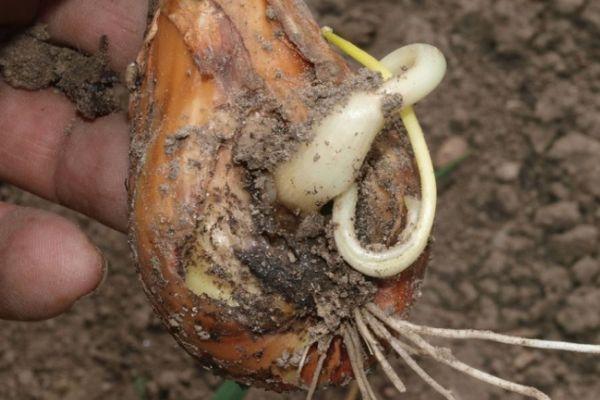
The causes of onion rot are divided into those resulting from poor cultivation practices, pest infestations, and unfavorable weather conditions. But the harvest must be preserved in any case.
If the disease is detected in time, the plantings can be cured and a healthy harvest of turnips can be obtained.
Excess moisture
The most common cause of crop failure is overwatering, which causes onions to rot at the root. The crop is lost. The plant requires moisture for normal growth and development. However, watering should be moderate.
Excess water activates pathogenic microflora. Bacteria and fungi begin to multiply, infecting the onion bulbs, and rotting begins.
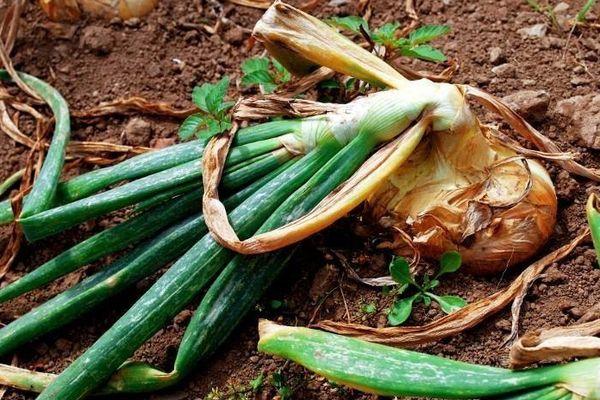
To prevent problems, it's recommended to monitor soil moisture. Watering should be done after the soil has completely dried out, typically once every 7-10 days (if there's no rain).
In case of heavy rainfall, it is recommended to install arches and cover the onions with film. For ventilation, the ends should be left free.
Failure to observe crop rotation
Not all gardeners have large plots. Often, they have to plant onions in the same spot every year for several years. Pathogenic microflora accumulates in the soil. Pests lay eggs. The hatched larvae damage the crops.
Failure to properly rotate vegetable crops leads to soil depletion: onions take up the same nutrients. This leads to a deficiency of some elements and an overabundance of others. As a result, the crop rots completely on the vine.
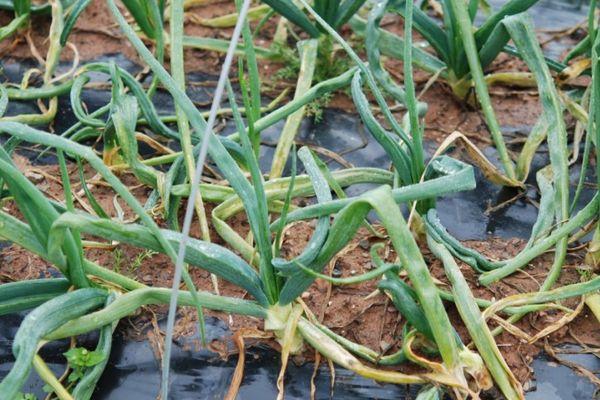
The situation can be partially corrected by planting green manure after harvesting the turnips. Sow white mustard, oats, or a vetch-oat mixture. Wait until the tops reach 10-15 cm and then dig them in, incorporating the tops into the soil.
It's best to rotate vegetable crops. Onions grow well after peppers, eggplants, and beans. Avoid planting after onions and garlic. Turnips should be replanted in the same location after 3-4 years.
Excess nitrogen in the soil
The situation with excess nitrogen often occurs when growing onions for greensThe gardener believes that the above-ground part of the plant needs this element. But everything is good in moderation. Such efforts lead to the onions rotting.
Keep in mind: planting and growing greens and turnips require a moderate application of nitrogen. This is best done in the pre-winter period. Dig the beds while simultaneously adding mature compost or humus (one bucket per square meter). By spring, the nitrogen content will be as required.
Experienced gardeners know a simple trick: neutralize excess nitrate with an ash solution (mix a liter of sifted stove ash in a bucket of water and let it steep). The solution is diluted with water at a ratio of 1:3 and used to water the plants.
Some gardeners simply sprinkle stove ash over their onion beds. A liter jar per square meter is sufficient. It is important to remember that ash neutralizes nitrogen only in the presence of liquid.
Infected planting material
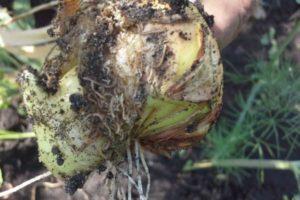
Onion infections often begin at the plant's roots. The bulb begins to rot as soon as the onion sets begin to grow. The cause: the gardener purchased poor-quality planting material.
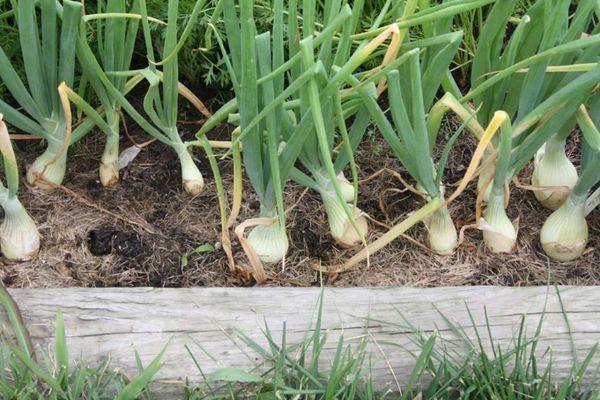
You can tell if the material is infected upon purchase. Signs of disease:
- the covering scales have a color that is not characteristic of the variety or hybrid;
- the upper scales are wet;
- the onion sets have an unpleasant smell;
- damage to the shell is visible in the area of the top of the head (damage by onion fly).
It's important to remember: prevention is better than cure. Infected onion sets will transmit fungal spores, insect eggs, and bacteria to the soil. Other plants planted in the same area will also begin to rot. The gardener will need to treat the soil.
Onion diseases
If rot is detected in plantings, it must be addressed immediately. The sooner a gardener takes action, the more of the harvest they can save.
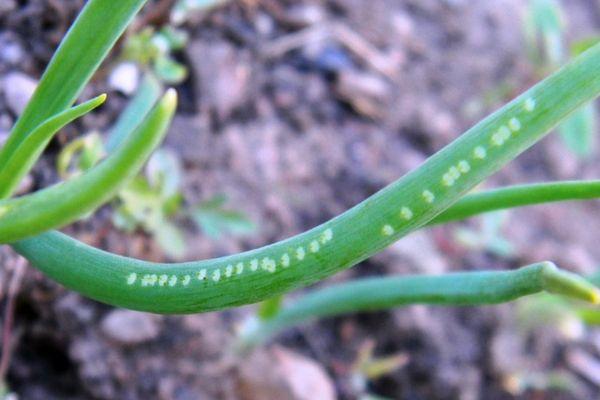
Onion diseases initially appear on a few bulbs. These should be dug up and inspected immediately. The type of damage can be diagnosed by the following signs:
- The onions in the garden turned black and fell over. It's fusarium wilt, caused by fungi. The rot starts at the tip, then progresses to the bulb.
- The feather rots where it meets the bulb. This is called neck rot. It is noticed at the end of the growing season. The cause of the disease is rainy weather.
- Bacterial rot also occurs during prolonged rainfall. It attacks the bulb from the base. The disease can be diagnosed by the weakened above-ground part of the plant.
- Downy mildew (peronosporosis) attacks the feathers. When the above-ground part is suppressed, a full-fledged bulb does not form. It begins to rot.
The appearance of disease is a signal to take action. The onions won't heal on their own: the rot will spread to all the plants. The gardener won't get a harvest.
Onion pests
Gardeners often wonder why onions are rotting in the ground, even though they're watering regularly, the soil nitrogen level is adequate, and their farming practices are correct. Onions are starting to rot due to pest infestation. To combat this, you first need to identify the pest species.
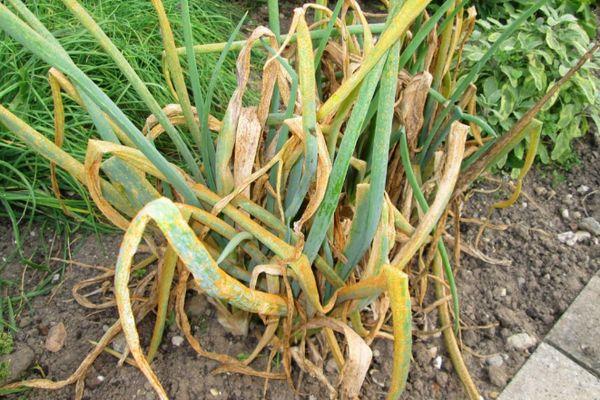
Among the pests, the following cause particular harm:
- onion fly;
- root mite;
- Onion bat.
They attack plants overfed with nitrogen. The crop cannot develop normally and begins to rot. If pests are detected, it is recommended to add ash to the soil, reduce watering, and apply insecticides. To prevent insect infestations, pre-sowing seed treatments with protective compounds should be used.
Preventive measures in garden beds
It is easier to prevent head and feather rot than to try to save the onion crop in the garden later.
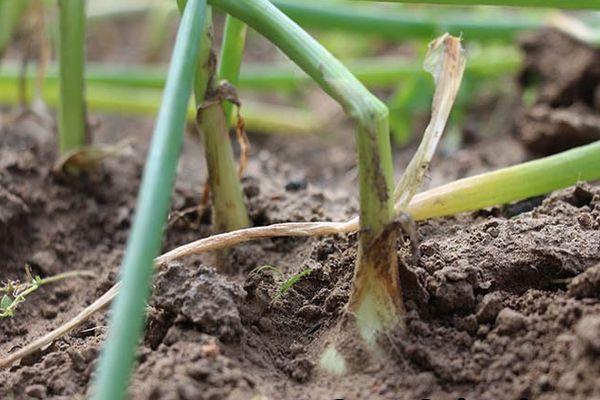
To get healthy heads, you need to follow these recommendations:
- observe crop rotation of vegetable crops, choose suitable predecessors;
- to prevent bulbs from rotting, place the plantings in a sunny, well-ventilated area;
- do not allow the soil to become over-watered;
- monitor the nitrogen content in the soil;
- purchase only healthy planting material;
- carry out pest control treatment (effectively dust the beds with stove ash or tobacco crumbs).
To prevent the spread of bacteria and fungal spores, the infected area should be treated with a copper sulfate solution. This will reduce the risk of rot spreading.
Causes of rotting during storage at home
To prevent rot during storage, dry the dug-up onions in the sun for 2-3 hours. Then, transfer the harvest to a shade shelter and keep it there until the tops are completely dry. This will transfer the nutrients from the tops to the bulbs. Then braid the onions or trim the tops and store them in bags or baskets.
It is recommended to treat the storage area with any disinfectant: sulfur checker, lime, soda solution, and dry it thoroughly.
The heads should be kept at a positive temperature and humidity of no more than 60%. The room should be regularly ventilated.
Under these conditions, the onions will never rot. The bulbs will last until the next harvest.
Related posts:
 50 types and varieties of perennial onions with descriptions, cultivation, and care
 When to harvest leeks from the garden for storage, ripening times
 Description of the best varieties of onions, planting and care in open ground
 How and when to plant onions to get large bulbs
 Description of the Exhibition onion variety, growing from seedlings, planting and care
 The beneficial properties of white onions, description of varieties, cultivation and care
 Description of varieties and cultivars of wild onions, the subtleties of cultivation
 When to harvest onions planted in autumn and spring from the garden for storage, how to determine the timing
My onions started rotting after heavy rains, and I started dealing with the problem right away. I restored the seedlings with the product "BioGrow"I didn't use anything else besides this bioactivator.