
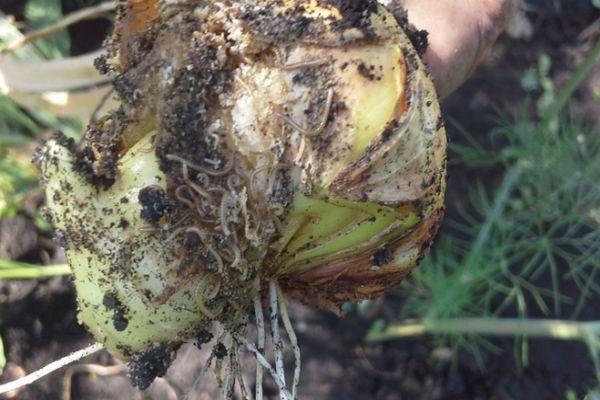
Growing onions is fraught with various problems: the leaves may turn yellow or become slimy, or winged pests may attack, feeding on the plant's sap. Among onion pests, a small fly is considered dangerous. This lover of this spicy and healthy vegetable does no harm itself. However, the onion fly's eggs hatch into larvae, small white worms that feed on the tasty flesh of the bulb and stem. Therefore, it's important to know what to treat the onion with if it's being eaten by a worm, and what folk remedies are suitable.
Biological drugs
Using chemicals to kill onion fly larvae isn't always helpful. If the vegetable is grown for its leaves, what should you do? It won't be edible. Therefore, it's important to turn to effective and safe products.
Trichodermin
One of the best products, Trichodermin, has a broad spectrum of action. It contains biologically active substances capable of protecting vegetable crops. Its effectiveness lies in its active ingredients, which produce enzymes similar to antibiotics.
Introducing spore material into the soil improves soil quality and suppresses the growth of pathogenic microorganisms. As soon as onion fly larvae appear, begin treating the beds. Prepare a solution at a rate of 3 grams of powder per 3 liters of water.
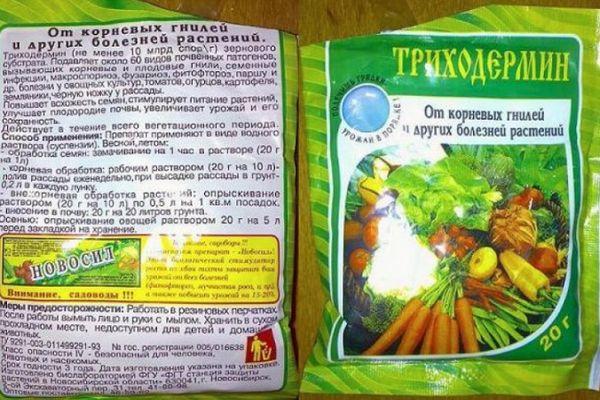
Treat the plants in the morning or evening during calm weather. Avoid watering the onions after spraying. Overwatering can wash away active trichoderma fungi. To consolidate the results, repeat the treatment after 10 days, as it's not always possible to get rid of the pest the first time.
Metronidazole
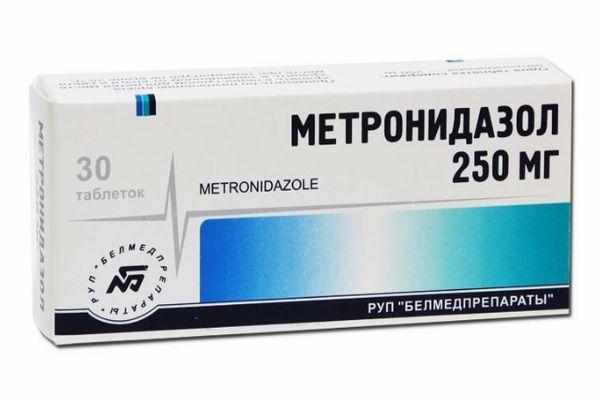
Methods for combating onion worms include the well-known antibacterial agent Metronidazole. Tablets are used against many pests, including nematodes and onion flies. A tablet dissolved in water can restore the vegetable plant to normal condition and repair tissue damaged by the pests in just a few applications. For a garden bed, dissolve four tablets in a bucket of water, mix thoroughly, and spray. Repeated spraying is necessary to consolidate the results.

You can simply water the plants at the roots with a biological solution. These methods are effective against both pests and fungal infections.
Folk remedies
Gardeners have learned to combat onion fly larvae, or white worms, with their own methods. They use not only certain remedies from the home medicine cabinet, but also salt and laundry soap. Vegetable growers know how to repel flies from onion beds. The worms will leave their nests if marigolds are planted nearby. Some vegetable tops emit such a scent that the fly will not lay eggs in the soil near them. Then the worms will not appear.
Ammonia
The pungent smell of ammonia, or ammonia, will protect a bed of bulbous plants from this dangerous pest. This nitrogenous compound can be purchased at pharmacies in 40-milliliter bottles. Besides repelling winged pests, ammonia can stimulate foliar growth, improving plant photosynthesis.
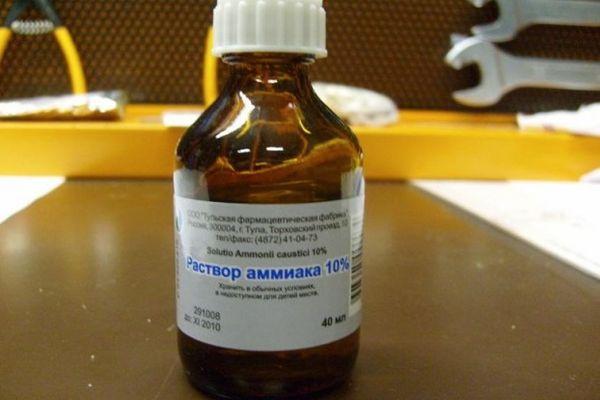
Prepare a medicinal solution before watering the onions by diluting 2 tablespoons of alcohol in 10 liters of water. For minor damage to the stems and bulbs, 1 tablespoon is sufficient. Water the plants 3 times, with 10-12 day intervals, to encourage the larvae to leave the bulbs. Water the soil in the evening; the solution will permeate the bed and repel the larvae with its scent.
It is better to loosen the soil between the rows of plants with a rake, then the repellent aroma will intensify.
Planting carrots and tomatoes
Proper crop rotation and onion neighbors are important for the health of the vegetable crop. It's no wonder they recommend planting carrots and tomatoes next to onion beds. Their tops emit special phytoncides that repel flies. And they're unlikely to choose the onion bed for breeding.
But it's essential to treat the plants for diseases, as pathogenic fungi are more difficult to control. It's best not to plant onions in the same spot every year. The larvae are viable and immediately attack the onion crop after overwintering. Remember to deeply dig the beds after harvesting to kill the pests.

Saline solution
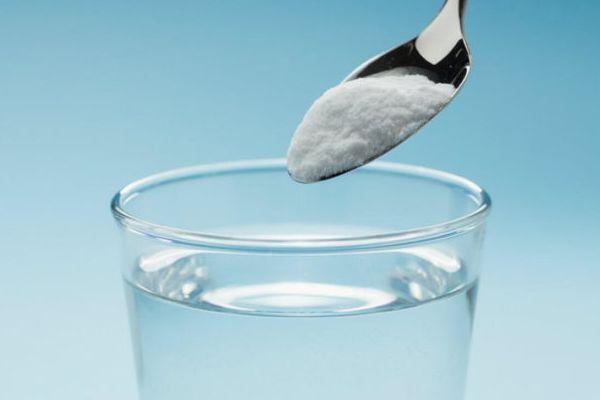
Table salt can also be used to treat onion maggots. Treating the soil with a salt solution or covering the beds with the dry product can prevent onions from rotting. Since the insects lay their eggs in the soil, you can sprinkle a kilogram of table salt per 10 square meters. Then, thoroughly water the soil; the salt is absorbed, and the larvae die.
It's most effective to dissolve a third of a packet of salt in a bucket of water the first time, then half a packet, and finally 700 grams of salt. After watering, rinse off any salt particles that get on the feathers with water.
Salt is used as a remedy against pathogenic microorganisms that like to overwinter in the soil. By watering the onion plot in advance, you can prevent pest attacks and protect against diseases.
Soap solution
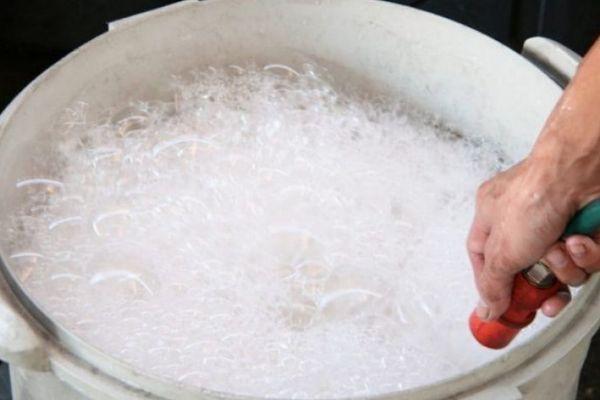
An affordable remedy in the fight against onion pests The solution is laundry soap. Its alkaline structure has a negative effect on insects, killing them. To prepare an emulsion, a bar of soap is ground and soaked in a bucket of warm water. This will dissolve the soap faster, and now you can water the onion beds.
When doing this, be careful not to let any undissolved particles get on the stems or leaves. They can cause burns to plant tissue. It's best to filter the solution to maximize its benefits.
Laundry soap contains substances that repel onion flies. So, by watering the soil, you can protect the area from insects.
Dandelion decoction
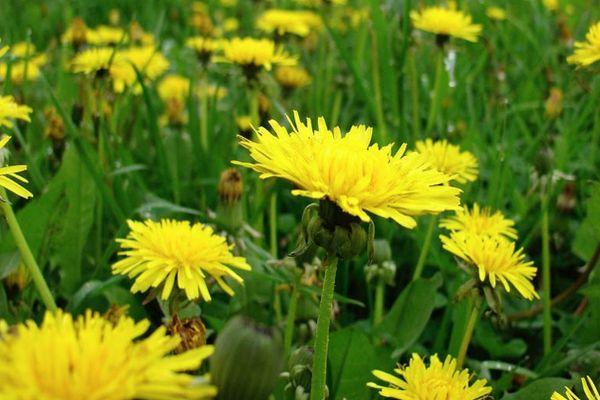
Spraying with herbal infusions is used to combat worms on onions. Dandelions are beneficial for both humans and garden plants. A decoction of the weed effectively combats:
- aphids;
- copperhead;
- psyllid;
- onion and carrot fly.
To prepare the solution, add 300 grams of plant rhizomes or 400 grams of fresh leaves to 10 liters of water. Let it steep for 5 hours. Spray the onions several times if worms first appear.
Wood ash
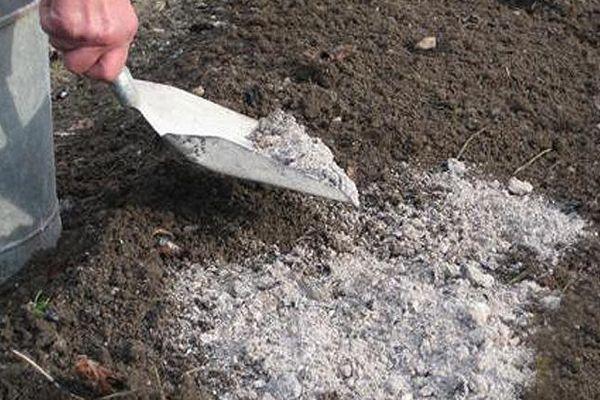
For those who resist using chemicals in their gardens, wood ash is a godsend in the fight against onion pests and diseases. The micronutrients it contains also improve the soil's composition. Ash mixed in equal quantities with tobacco dust can be used to pollinate vegetable beds. After this, the soil is watered.
Take a look Also

It's best to water onion roots with ash infusions, which will improve the plant's health. And worms will quickly leave the plant bed. Simply dissolve 2 kilograms of wood ash in a bucket of water and apply the solution.
Potassium permanganate
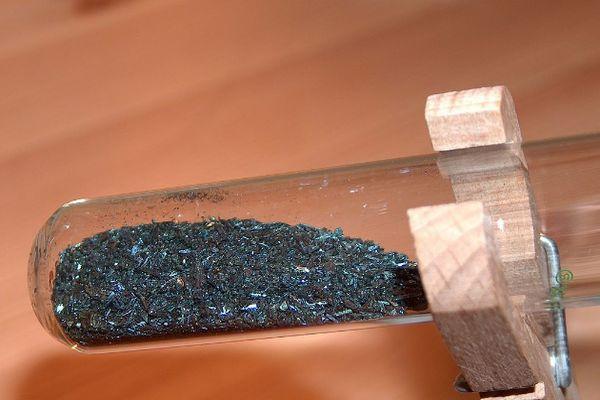
Of the disinfectants, potassium permanganate is best suited for killing fly larvae and disinfecting the soil. However, if the onions are young, the solution should be diluted to avoid damaging the delicate tissues.
Vegetables grown for bulbs are watered twice, separated by two weeks. Before planting, disinfect the soil with a solution of potassium permanganate.
The seeds must be dipped in a pinkish solution for 20-30 minutes to protect them from diseases and damage by larvae.
Copper oxychloride
Copper-containing products help protect garden plants from pests and fungi. Even 22 grams of the product per bucket of water will protect onions from worms. For better adhesion, add a solution of laundry soap to the product during treatment. The product is effective against onion fly larvae, protecting onions from damage throughout the season.
Each gardener decides for themselves what is the best way to treat onions when they are being eaten by worms. However, the opinions of experienced vegetable growers should be taken into account.
Related posts:
 50 types and varieties of perennial onions with descriptions, cultivation, and care
 When to harvest leeks from the garden for storage, ripening times
 How and when to plant onions to get large bulbs
 Description of the best varieties of onions, planting and care in open ground
 The beneficial properties of white onions, description of varieties, cultivation and care
 Description of the Exhibition onion variety, growing from seedlings, planting and care
 Description of varieties and cultivars of wild onions, the subtleties of cultivation
 Control of onion pests using chemical and folk remedies
I always treat my onions with a small amount of soapy water. This solution is non-toxic, so it won't harm the soil. If you still have worms after this treatment, I recommend using Trichodermin.