
Gardeners who want to preserve their harvest as long as possible should know not only when and how to harvest onions, but also how to properly dry them after harvesting. During the growing season, rules for harvesting, drying, and storing onions have been developed, which, if followed, will allow you to enjoy your onions throughout the winter.
When and how to harvest onions from the garden
To successfully dry and preserve the onion harvest, it's important to follow the established rules. Stop watering the plants a couple of weeks before you plan to harvest the bulbs. To prevent unnecessary moisture from getting on them overnight, cover the bed with plastic to protect it from morning dew.
Onion harvesting begins around the first ten days of August, but this timeframe can vary significantly depending on the region and weather conditions. External signs of ripeness indicate the onion bulbs' maturity. Furthermore, onions grown from sets ripen earlier than those sown as seeds. Yellowed, trailing tops indicate the onion bulbs are ready for harvesting.
The neck should become noticeably thinner and dry out. The head will acquire the color characteristic of its variety, and the husk will peel off easily and make a rustling sound.
The bulbs are removed from the ground using a shovel or pitchfork, lifting the soil near the bulbs and then lifting them out by hand. Pulling the bulbs out by hand can damage the base, leading to early rotting.
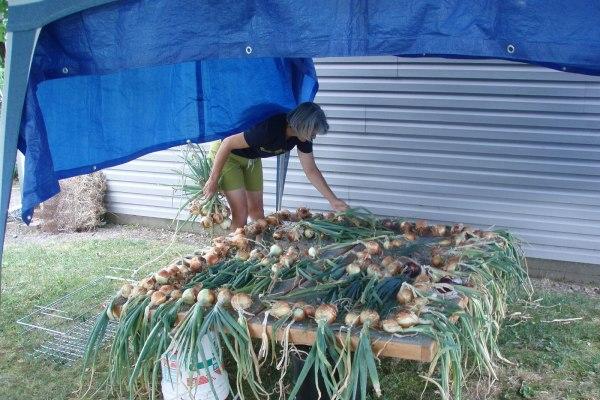
Choose a warm, sunny day to harvest onions. Drying is best done in the sun rather than in the shade. Wind-blown ultraviolet rays penetrate the bulbs, disinfecting them. Carefully remove any remaining soil from the bulbs, avoiding them from colliding with each other. Lay the harvest out in a single layer, turning regularly. If rainfall occurs in the region, cover the planting area with plastic for a few days, then immediately move the bulbs to a room with low humidity and good ventilation.
Where and how to properly dry onions after harvesting
You can only reap the benefits and vitamins from consuming the product if the onions are dried according to all the necessary procedures. It's important to note that this procedure for onion sets, nigella seeds, and mature onions intended for consumption differs and has its own subtleties.
Onion sets
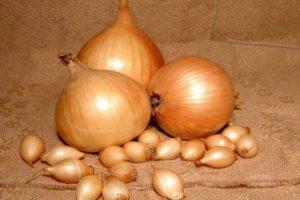
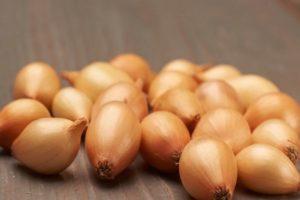
The bulbs are stored throughout the winter for planting and harvesting next season. During the first week, they should be dried outdoors, weather permitting. The bulbs are regularly stirred to ensure even drying. In damp weather, the bulbs are placed on paper or fabric in a well-ventilated area, protected from moisture. The drying process generally takes about one month.
A sign that the sets are ready to be sent to storage is dry scales and a dried neck. The color of the scales depends on the variety. Very small bulbs, those with damage, deformation, or signs of disease, are discarded immediately. The diameter of bulbs suitable for planting is about 2 cm.
Onions
There are also subtleties to properly drying onions after harvesting for culinary use. Onions dry completely within a couple of weeks. Immediately after harvesting, they are left to dry in the garden bed for a few days, then transferred to a dry, well-ventilated room with an air temperature of 25°C.
A sign that the onions are ready for storage is a dry neck and thick scales that produce a characteristic rustling sound. The color of the scales depends on the onion variety. When the harvest is ready for storage, the tops are sorted, braided, or trimmed, leaving only a 3-cm stalk.
How to dry nigella
Nigella is the common name for onion seeds. They need to be dried with extreme care, as the success of the future harvest depends on it. Drying nigella seeds involves using household heating devices, and the process itself consists of several stages:
- in the first week after harvesting from the garden, the bulbs are left to dry in a room with an air temperature of +21 °C;
- in the second week the temperature is raised to +31 °C;
- The third week of drying is carried out with maintaining a temperature of +35 °C.
After this, the onion seeds are transferred to a cool place with an ambient temperature of no higher than +18 °C, periodically inspecting the harvested crop.
How to dry onions for the winter at home
There are several proven methods for drying onions at home or outdoors. Household appliances and improvised tools are used. The onions are sliced into rings no thicker than 5 mm. The dried rings are placed in suitable containers and stored in a cool place.
In the oven
A good way to dry onions is in the oven. Simply line a baking sheet and lay out the sliced onions in a single layer. Preheat the oven to 60°C. Place the onion rings in the oven and place the baking sheet with the onion rings inside. Don't close the door tightly. The entire process takes about 6 hours. During this time, turn the onion rings over and over to prevent them from burning and turning an unpleasant dark color.
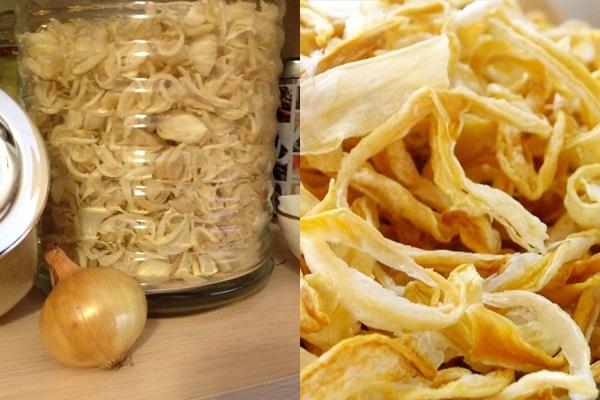
Once the rings are completely dry, let them cool and place them in a cloth bag, cardboard box, or regular glass jar. For the first few days, leave the container uncovered to allow the rings to dry completely. Then, store the container in a cool, dry place, sealing it tightly.
In an electric dryer
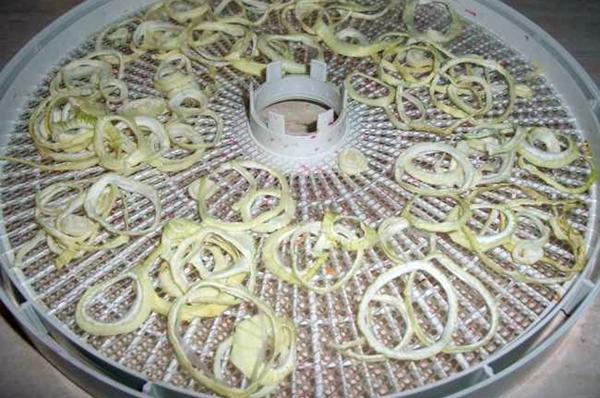
An electric dehydrator can be used to dry onions quickly without losing their beneficial properties and micronutrients. The sliced onions are laid out on trays and then placed in the dehydrator for 8 hours at a temperature of 60°C. Once dry, they are transferred to cloth or paper bags.
Drying onions in an electric dryer is a practical and modern method that preserves all the natural properties of the source material without causing unnecessary inconvenience.
In an air fryer
An air fryer offers a wide range of possibilities for cooks, including drying onions, other vegetables, berries, and fruits. This process preserves all the vitamins and beneficial microelements, and also gives them an appetizing appearance. The design of this device ensures that the coil is constantly heated while the surrounding air is in constant motion.
When an onion, cut into rings, is placed in a heat-resistant glass bowl, all the cloves dry equally.
The drying time for onions in an air fryer is about 1 hour, provided that the temperature is set at 70°C and that rings of onions are used, not whole ones. It is recommended to leave the lid slightly open.
In the air
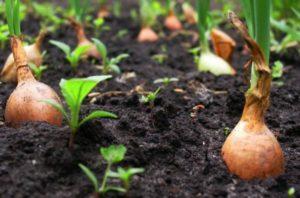
You can dry onions without any equipment, just in the open air, in the shade of trees. Spread the sliced onions out in a thin layer and turn them daily to ensure even drying. This method is only effective if the weather is clear and dry.
If weather conditions are unstable and there's a risk of precipitation, the rings are stored to dry in a well-ventilated area, barn, or hayloft. The door should be left open.
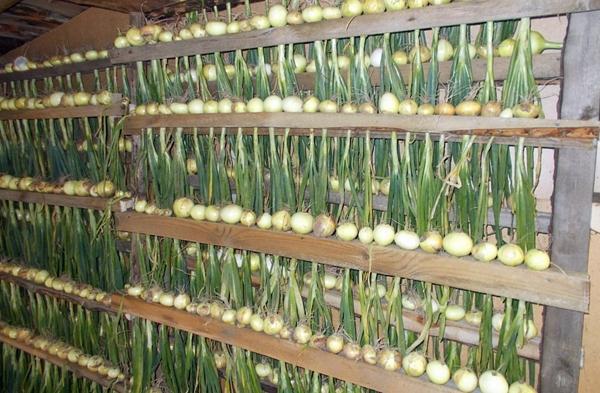
When a shed is built with a lean-to, shelves made of timber are attached to the wall and the onion rings are dried on them. This ensures that air circulates around the vegetables around the clock, preventing rain from soaking them.
Related posts:
 50 types and varieties of perennial onions with descriptions, cultivation, and care
 When to harvest leeks from the garden for storage, ripening times
 How and when to plant onions to get large bulbs
 Description of the best varieties of onions, planting and care in open ground
 The beneficial properties of white onions, description of varieties, cultivation and care
 Description of the Exhibition onion variety, growing from seedlings, planting and care
 Description of varieties and cultivars of wild onions, the subtleties of cultivation
 When to harvest onions planted in autumn and spring from the garden for storage, how to determine the timing
There are no secrets to harvesting onions and preparing them for storage. Every step is crucial, otherwise the harvest will spoil within a few weeks. I've often come across products that claim to extend the shelf life of onions, but it's best to avoid them.