
Gardeners are interested in how to grow the Shetana onion variety, having found descriptions of it online. The Shetana onion variety is found in almost every garden plot. Gardeners adore it for its excellent flavor, high yield, and excellent winter shelf life. Shetana onions require careful attention to the rules of cultivation, planting, care, and harvesting. This will help you reap a bountiful harvest that can be sold, eaten, or saved for future gardening seasons.
Description of onion variety
A mid-early onion variety. If sown from seeds, the growing season lasts almost three months. This means the first harvest can be seen 90 days after sowing the onion seeds. This period is reduced by several weeks if gardeners sow Shetana onions from sets.
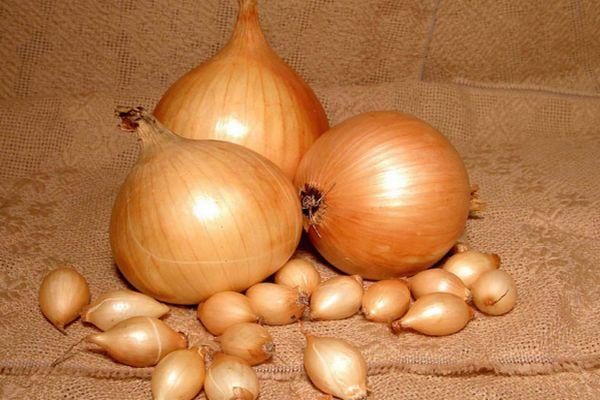
Fruit characteristics:
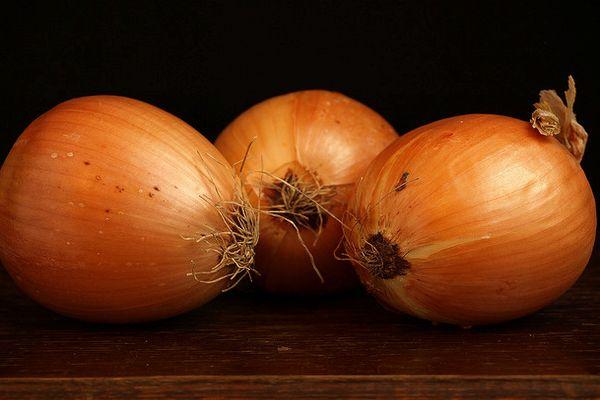
- The fruits are round in shape.
- The density of the bulbs is average.
- The weight of 1 fruit varies from 40 to 50 g (for onions sown through seeds) and 80-100 g for bulbs sown from sets.
- The scales are colored straw-yellowish.
- It has a semi-sharp taste, which allows it to be used in various salads and canned dishes.
- The Shetana variety is winter.
- It has excellent shelf life, with fruits remaining fresh throughout the winter. When stored properly, over 90% of the harvest will survive well into early spring.
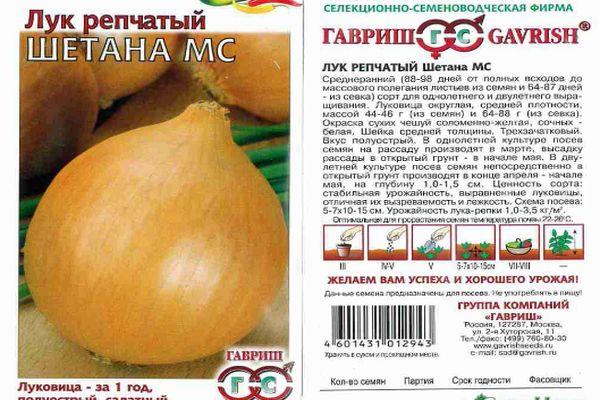
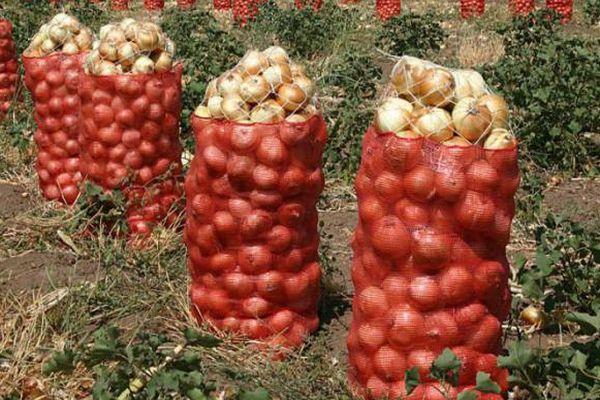
Reviews from gardeners indicate that the yield of Shetana onions depends on the region where they are planted. Specifically, the climate in the central regions of the Russian Federation allows for harvests of 50 to 60 centners per hectare. In other regions of the country, the yield increases to 200-250 centners per hectare.
The variety, developed by Czech scientists, is resistant to fusarium rot, but is susceptible to downy mildew. At the first sign of the disease, it is recommended to remove the affected areas of the plant and fruit, treat them, and carefully inspect other onion plants to prevent further spread of the disease.
How to grow onions?
Shetana onions can be planted in late August or early September, although many gardeners plant in spring or fall. Fall sowing is the most effective, but it should be done before the first frost. During this time, the plant develops roots but does not germinate. For spring sowing, which is often done by gardeners, it's best to wait until the soil warms.
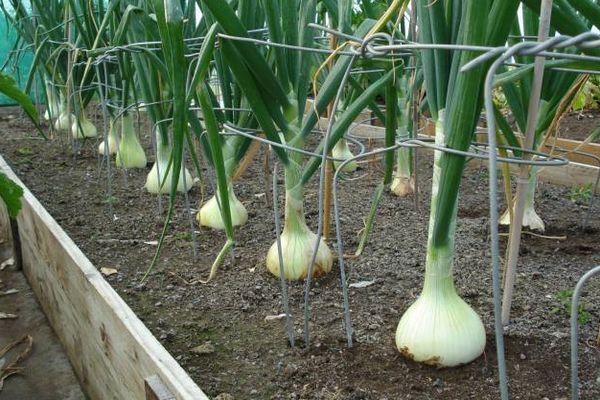
When the air temperature reaches +17ºС and above, then the sowing of Shetan onions is carried out.
It's important to carefully select the location where you'll plant onions. The site should be well-lit and sunny, as the variety is considered a sun-loving plant. Sunlight accelerates seedling growth, improves the quality of the fruit, and increases its weight.
Growing this vegetable must be done according to the rules to ensure a high-quality harvest. The main requirements for planting Shetana onions include:
- The soil in the area where you plan to plant onions should be clayey and loosened.
- If the soil is highly acidic, then lime is added to the soil.
- It's recommended to plant them in areas previously occupied by legumes or nightshades. Avoid sowing onion sets where asparagus, cucumbers, or garlic were previously grown.
- It is best to sow carrots nearby, as their tops will repel parasites.
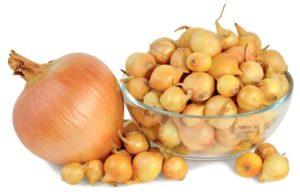
- For sowing, you need medium-sized bulbs with no visible damage or rot.
Before planting, warm the bulbs for 24 hours. If using seeds, soak them in warm water and then dry them. Plant immediately.
Shetana onions require proper care, which includes the following steps. The soil should be loosened before the first shoots emerge. This will prevent a crust from forming on the surface and accelerate seed/bulb germination. This procedure should be repeated every 2-3 weeks.
Weeds and other vegetation are regularly removed so that they do not interfere with the normal growth of the vegetable.
During the growing season and before planting, it's essential to apply mineral and organic fertilizers. Often, before planting, when gardeners dig up the plot, they add organic fertilizers such as cow and chicken manure to the soil.
As soon as the first shoots appear, dissolve the manure in water and fertilize the bulbs. Repeat the process when the onion leaves reach a height of 15 cm. It is recommended to use nitrogen-containing mineral fertilizers for the second feeding. To promote fruit growth, use potassium fertilizers. Watering is carried out twice a month and stopped a few weeks before the planned harvest date.
To protect vegetables from downy mildew, preventative measures are essential. First, the area should be well-lit, and the beds should be level and not too dense. Second, avoid planting onions in the same spot twice. It's recommended to follow onions with cabbage, pumpkin, and cucumbers. Third, avoid planting in damp areas of the garden, as rot thrives in high humidity.
If the first signs of a fungal infection are detected, it is necessary to stop watering altogether and avoid using mineral fertilizers containing nitrogen.
They can be replaced with potassium or phosphorus fertilizers. At the same time, it's worth establishing a regular spraying regimen with 1% Bordeaux mixture or a solution prepared from polycarbacin.
Related posts:
 50 types and varieties of perennial onions with descriptions, cultivation, and care
 When to harvest leeks from the garden for storage, ripening times
 Description of the best varieties of onions, planting and care in open ground
 How and when to plant onions to get large bulbs
 Description of the Exhibition onion variety, growing from seedlings, planting and care
 The beneficial properties of white onions, description of varieties, cultivation and care
 Description of varieties and cultivars of wild onions, the subtleties of cultivation
 Description of Welsh onion varieties, planting, growing, and care in open ground