
When choosing planting material, gardeners are guided by criteria such as yield and storage. The best choice is the Hercules onion; the variety's description speaks of its high yield and long shelf life. This hybrid was specifically bred for storage throughout the winter, making it a quality standard among onions. varieties of onionsIn addition, the vegetable has excellent taste.
Description and characteristics
This mid-early variety ripens in no more than 80 days from planting to full maturity. Hercules has been on the market long enough to prove its positive qualities over time and gain popularity among everyone who has planted it. Large farmers choose Hercules for its consistently high yield and the ability to sell the vegetable until the following season.
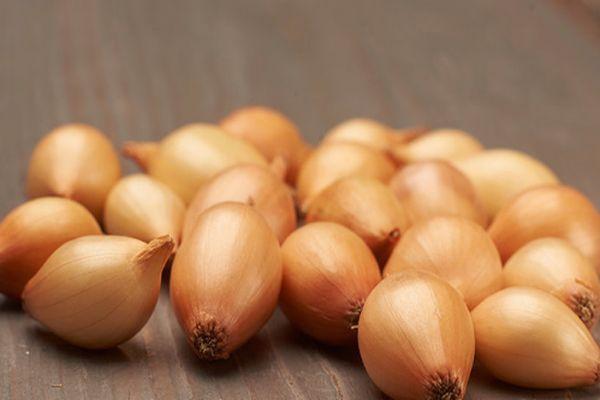
Main characteristics:
- plant height 35 cm;
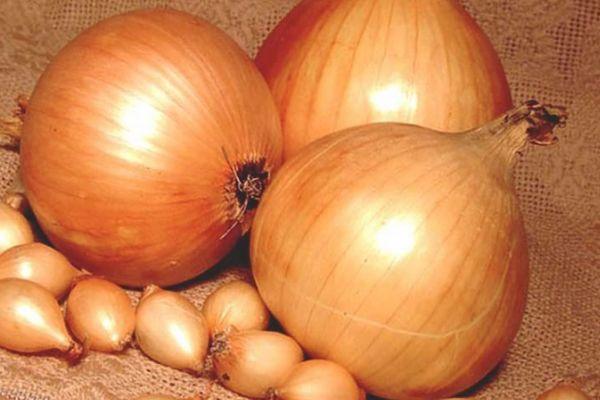
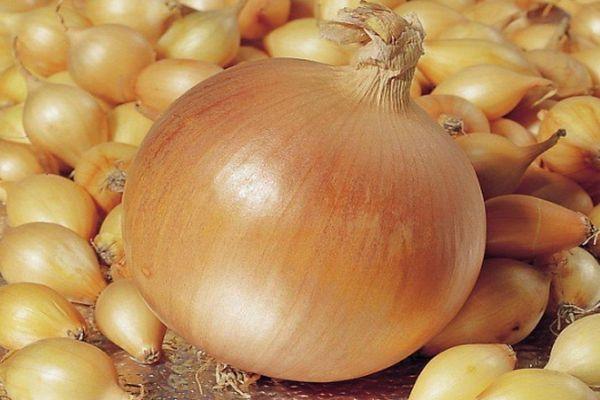
- the weight of each bulb is 120-160 g;
- the peel is dense, 3-4 dry scales;
- high yield;
- disease resistance;
- excellent shelf life;
- the taste is sweet and spicy, without bitterness.
The variety's yield is astounding: Hercules produces up to 8 kg per square meter. It bears fruit reliably even in arid regions. Diseases and pests are unaffected. The fruit ripens 100% after harvesting.
The main advantage of onions is their excellent storage properties. Dutch breeders paid particular attention to this aspect when developing this variety. If the bulbs are properly dried, they will easily last until the following season. Furthermore, the vegetable retains its nutritional and flavor qualities during storage.
This variety is quite heat-loving; you can plant it in the ground when the temperature reaches a stable 10°C. It has strong roots, allowing it to absorb moisture and minerals from the lower soil layer. It doesn't require frequent watering.
The Hercules onion is a hybrid variety, and its seeds are not suitable for further sowing. Planting material from the manufacturer is quite expensive compared to other varieties. This is the only drawback of the variety; otherwise, Hercules onions receive positive reviews.
Growing
This variety can be planted in both spring and fall (for winter). For winter planting, select small sets, while larger ones are used in spring. Due to the difference in growth period, both plantings will yield a good harvest of large bulbs in summer. Fall planting should be done three weeks before frost. This will allow the onions to root, but not yet sprout. Straw, dried fruit leaves, or spruce branches can be used to protect the beds from freezing.
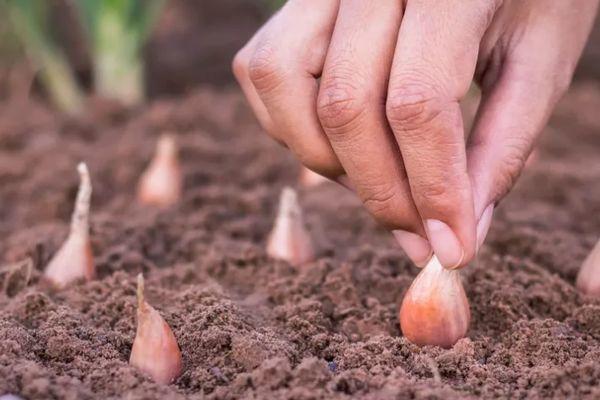
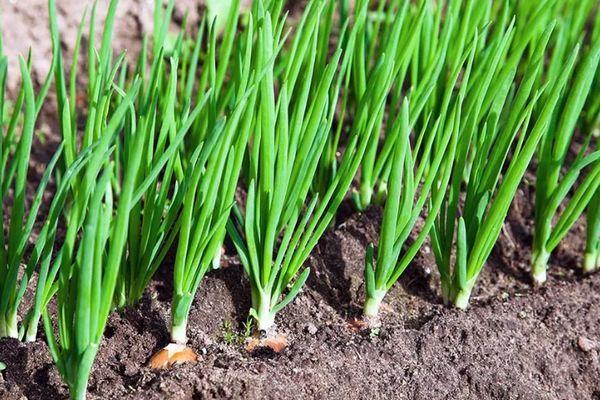
Spring planting of onion sets occurs in April-May, depending on weather conditions. Suitable onion sets for spring planting are 1.5-2.5 cm in size, planted at a depth of 3-5 cm, with a spacing of 8 to 10 cm between the bulbs. For large onion sets, leave 20-30 cm between rows.
Planting and caring for this variety doesn't require much time or effort. The main rule for growing Hercules is timely weeding. To reduce weeds, the space between rows can be covered with straw or sawdust. Because this variety is a hybrid, the plant rarely bolts.
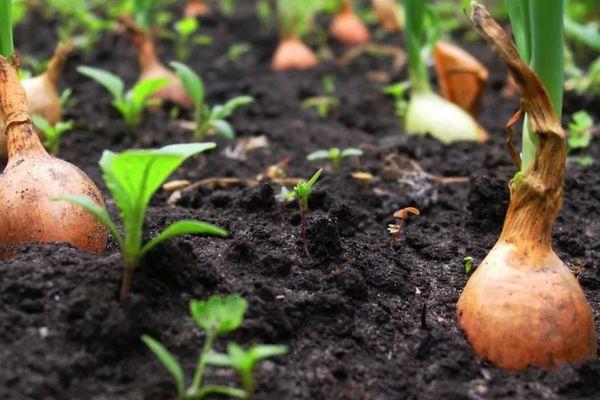
The area where the onions will grow should be well-lit and level. Planting them in a low-lying area is not recommended, as it can lead to excessive moisture accumulation. It's best to prepare the soil in advance by loosening it and removing weeds.
Loamy soil is fertilized with a mixture:
- humus - 4 kg;
- superphosphate - 1 tbsp;
- peat - 5 kg;
- urea - 1 tsp.
This amount of mixture is enough for 1 m² of plot. If the soil is very sandy, you will need 1 bucket each of humus and peat, 2 buckets of clay soil, 1 tablespoon of superphosphate, and urea.
After fertilizing the soil, cover the area with plastic wrap for 5 days. Once the soil warms and absorbs the fertilizer, you can plant the onions. Subsequently, apply mineral fertilizers several times throughout the summer.
It is recommended to open the top of the bulb 2-3 weeks before harvesting. This will not only speed up the ripening of the vegetable, but also provide additional drying.
Harvesting and storage
The onions are harvested when the stems have turned yellow and bowed toward the ground. Dig the onions with a pitchfork to avoid damaging the vegetable. Avoid picking the stems immediately after harvesting. They contain a significant amount of nutrients and contribute them to the onions.
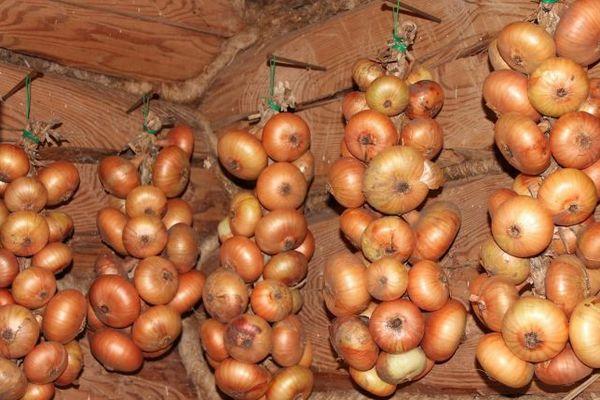
Hercules onions can be stored for up to 8 months if thoroughly dried. This can be done in the garden by laying out plastic film and placing the dug-up onions in a single layer. A shelter is recommended. Sunny weather is essential for proper drying.
Store the harvest in a dry place to prevent the bulbs from rotting. The optimal temperature for long-term storage is between 15°C and 20°C. With good ventilation and minimal humidity, the harvest can be stored at 5°C.
Related posts:
 When to harvest leeks from the garden for storage, ripening times
 50 types and varieties of perennial onions with descriptions, cultivation, and care
 Description of the Exhibition onion variety, growing from seedlings, planting and care
 The beneficial properties of white onions, description of varieties, cultivation and care
 How and when to plant onions to get large bulbs
 Description of purple onion varieties, their beneficial properties, storage methods, and harvesting times
 Description of varieties and cultivars of wild onions, the subtleties of cultivation
 Description of the best varieties of onions, planting and care in open ground