
The early-ripening and high-yielding Chalcedon onion, described as one of the best varieties, adapts easily to growing conditions. It is grown commercially, for home-grown use, from seeds or sets. This variety is characterized by its large, round bulbs, juicy flesh, and versatile culinary uses.
Advantages of the variety
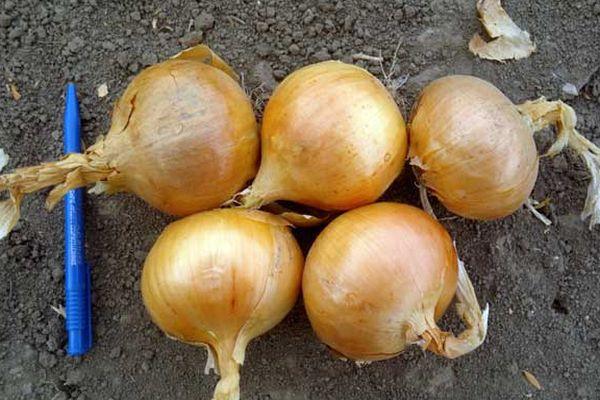
The Chalcedon onion variety, described as early ripening, can be harvested 110 days after germination. Bulbs weigh 120 g, yielding 5-7 kg per square meter.
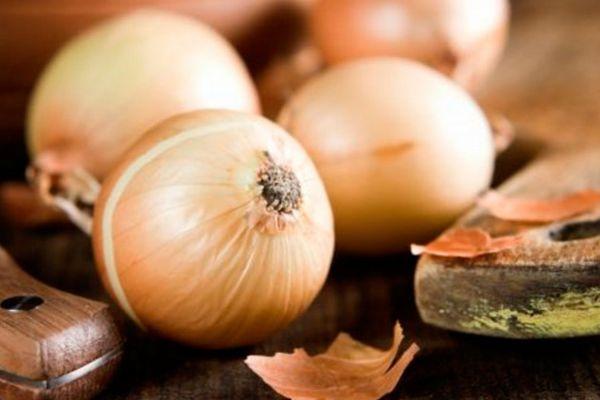
This onion is the work of Moldovan breeders. The variety's distinctive features include its positive qualities and tolerance to low temperatures. Seeds can germinate at temperatures between 3 and 5°C. Intensive growth is observed at temperatures between 18 and 20°C.
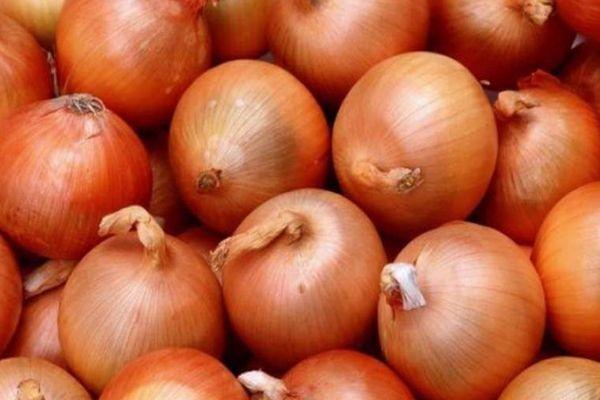
The scales are brown with a bronze tint. This single-celled onion has a pungent flavor. This variety is suitable for intensive cultivation, is disease-resistant, and has a long shelf life (up to 8 months).
Cultivation methods
The method of propagation of the crop is by seeds and small bulbs. Growing onions Growing from seeds isn't considered an exotic method of harvesting. The traditional cultivation method involves sowing seeds and then harvesting the small bulbs. This method allows for a harvest to be spread over two seasons.
The characteristics of the Chalcedon onion variety indicate the potential to produce commercial produce within one season. Moreover, the bulbs will have a long shelf life, shape, and smooth surface.
To grow bulbs from seeds in one season, you need to follow the recommended growing techniques. First, it's important to obtain seedlings.
In southern regions, seeds are planted directly into the ground in a permanent location. Climate conditions in the temperate zone require seedling cultivation. For successful cultivation, various containers, soil substrates, and fertilizers are available in specialized stores.
Take a look Also

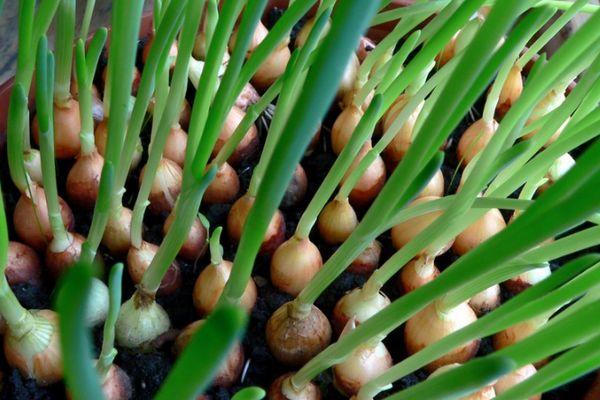
The Chalcedony onion variety, grown from seed according to climate conditions, requires fertile soil. Its root system is poorly developed, so it cannot cover a large area. It requires humus-rich soil.
When planting onions, consider the soil type. Sandy loam and loamy soils with increased fertility are suitable for the crop. The plot allocated for the plant should be located in a well-lit area. Solar energy creates the heat necessary for the bulbs to ripen.
To increase fertility, dig up the bed in the fall and add rotted manure. It is recommended to add 6 kg of organic fertilizer per square meter; in depleted soils, 7 kg.
To neutralize soil acidity, it is recommended to add wood ash, dolomite flour, and lime. In early spring, the soil is loosened to half the depth of the fall plowing, and complex fertilizers containing phosphorus and potassium are added.
Before planting onion seedlings in the garden, it's important to consider crop rotation. The best predecessors are peas, greens, pumpkins, and cucumbers. The soil should be given a four-year break from planting other onion varieties.
Seedling method
Before planting, soak the seeds in warm water for 24 hours. To improve germination, you can use a growth stimulant. After soaking, treat the seeds with a potassium permanganate solution and rinse with warm water.
The seeds can be soaked in a 0.01% boric acid solution. This preparatory work accelerates germination. The first shoots emerge within one week.
Onion seeds are sown for seedlings in February. The seeding rate is adjusted based on the desired yield. One gram of seed contains 200 seeds. 25 onions can be grown per square meter over the course of a season.
Vegetable growers' reviews indicate that to grow healthy seedlings, you need to use nutritious, loose soil. Before planting the seeds, the substrate should be disinfected by spraying it with a hot solution of potassium permanganate and fungicides.
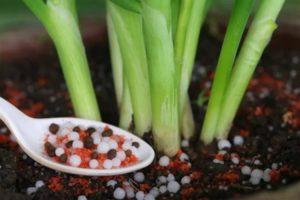
It's convenient to sow Chalcedon onion seeds in honeycomb trays, 2-3 at a time, 1.5 cm apart. The seeding depth should not exceed 5 mm. After sowing, the trays are moistened with warm water using a spray bottle and covered with plastic wrap until the sprouts emerge.
For normal plant development, temperatures must be maintained between 16 and 18°C during the day and 12°C at night. When growing seedlings on a windowsill, ensure there is no cold draft.
Seedlings require specific lighting conditions. To extend daylight hours to 14-16 hours, it is recommended to use fluorescent lamps. The seedlings should be watered periodically as the surface soil dries out.
The seedlings are fed with fertilizer every 14 days. Humins and complex fertilizers are used for this purpose. If the seedlings have outgrown their growth and it's too early to plant them in their permanent location, you can trim the onion leaves back to 10 cm from the soil surface.
Before planting in their permanent location, the plants are hardened off. The containers with seedlings are placed on the balcony, gradually increasing the time they are exposed to the air. In April, the onions are transplanted into the ground, spaced 25 cm apart. The seedlings are planted 3 cm deep, watered, and mulched with a layer of peat.
Caring for the crop
Growing onions requires careful agricultural practices, including weeding. Weeds reduce yield by 50%. Loosening the soil allows air to reach the root system, improving the supply of nutrients to the bulbs.
When growing this variety, it's important to monitor the watering regime. Excess moisture can cause rot, while a lack of moisture will cause the leaves to turn yellow. This onion variety requires additional feeding. A lack of it can lead to disease and reduce yield.
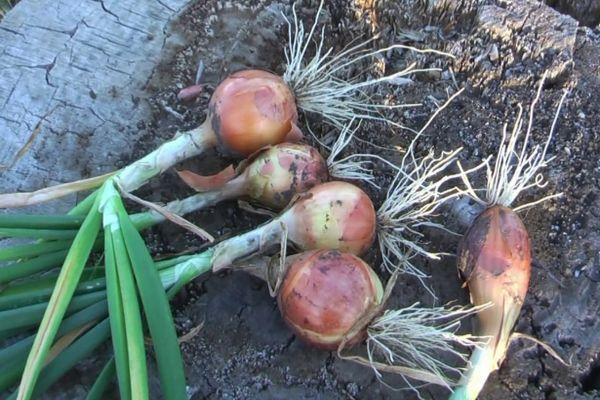
Onions are susceptible to biological pests. To combat them onion moth Weeding, loosening the soil, and destroying insect caterpillars are carried out more often. When onion flies are detected, plants are watered with a solution of soap and tobacco infusion.
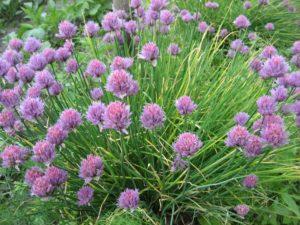
As a preventative measure, it is recommended to plant seedlings between carrot rows. If plants are damaged by fungal diseases, use solutions of table salt, or sprinkle the plants with charcoal powder or chalk.
Collection of products
Stop watering the crop 20 days before harvest. The bulbs are ready based on the condition of the leaves. If the leaves have turned yellow and fallen over, harvesting is ready.
It's important to remember that late harvesting can cause the onions to lose their skin, which will negatively impact their shelf life. The harvested onions are left in the furrow to dry out.
The harvest is then placed in a ventilated area, where it is finally dried at a temperature of +25°C. After this, the roots and stems are cut off. The onions can be stored in braids without cutting the stems.
Related posts:
 50 types and varieties of perennial onions with descriptions, cultivation, and care
 Description of the best varieties of onions, planting and care in open ground
 When to harvest leeks from the garden for storage, ripening times
 The beneficial properties of white onions, description of varieties, cultivation and care
 How and when to plant onions to get large bulbs
 Description of the Exhibition onion variety, growing from seedlings, planting and care
 Description of varieties and cultivars of wild onions, the subtleties of cultivation
 Description of Welsh onion varieties, planting, growing, and care in open ground
I plant this variety all the time, I really like it, the taste is excellent. But I noticed that when I was fertilizing it last year BioGrow, then the yield became much higher, by a third for sure.