
- What is useful?
- Source of nitrogen
- Repels insects
- Getting rich feathers
- Reducing soil acidity
- Long lasting effect
- Improving the soil structure
- How to use
- How can it cause harm?
- How to properly dilute ammonia
- For feeding
- For preventive purposes
- Foliar irrigation
- To combat insects
- With iodine
- With salt
- With boric acid
- Feeding schedule
- Reasons for use
- Precautionary measures
- Helpful tips
- Reviews
Every homeowner dreams of a good harvest. Gardeners often experiment with different methods of fertilizing, feeding, and plant protection products. For example, ammonia is often used for onions, as it is a source of nitrogen. A deficiency of nitrogen inhibits the growth and development of the crop.
What is useful?
Ammonia has a positive effect on the development, yield and quality of onions, as well as on the soil in which they grow.
Source of nitrogen
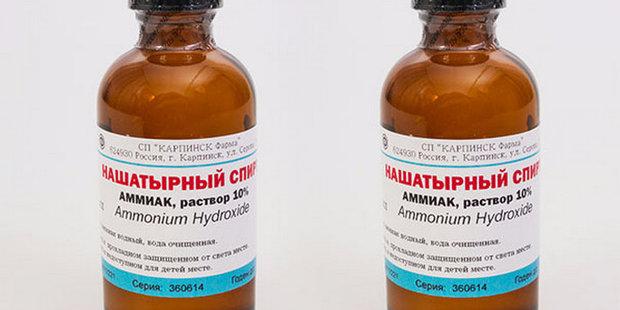
Ammonia, also known as 10% ammonia, is widely used in growing vegetables, including onions, due to its nitrogen content. This chemical element is one of the most essential for plants. A deficiency can lead to slower growth and development, as well as disease. Onions require nitrogen most in the spring, after the soil has recovered from winter.
Repels insects
A major advantage of using ammonia is that its vapors can repel most pests. It is effective even in low concentrations, where a person cannot detect its odor at all.
Most often, 10% ammonia is used to control the following pests:
- ants;
- aphid;
- mole cricket;
- wireworm;
- midge;
- hidden proboscis;
- onion and carrot flies.
Getting rich feathers
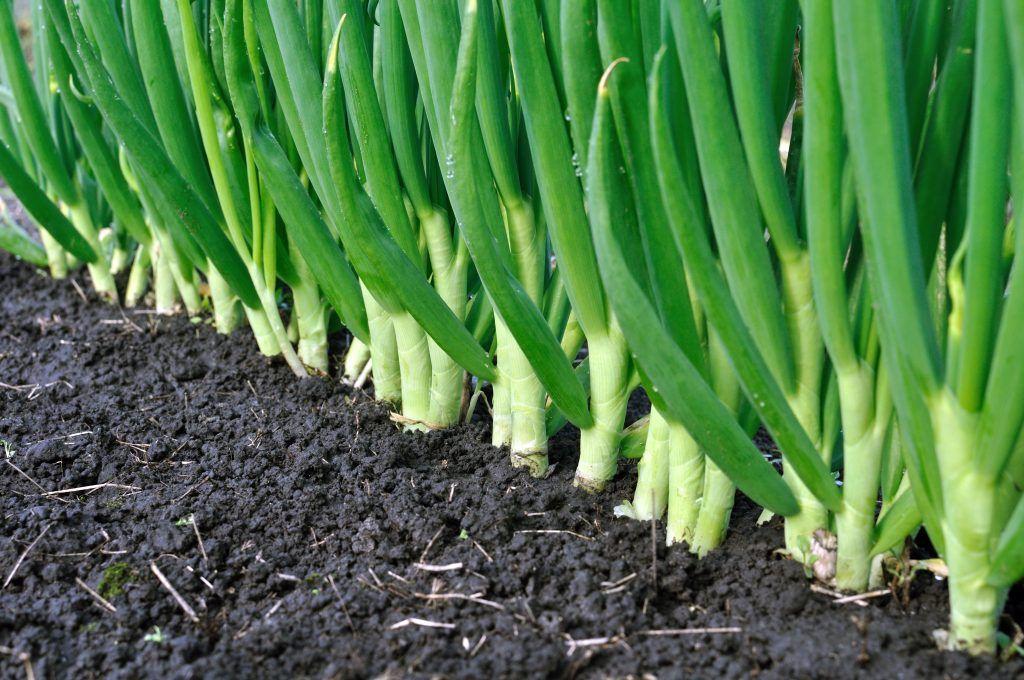
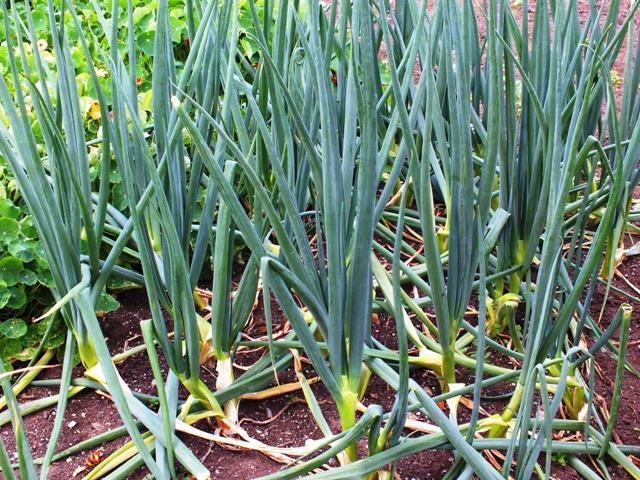
By treating onions with this solution, you can preserve and even stimulate the growth of onion leaves and achieve larger bushes. The fertilizer will give the onions a rich green color and a bright, juicy flavor.
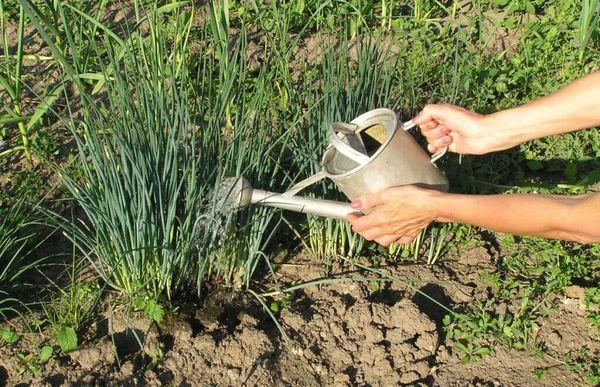
Plants should be sprayed immediately after the first shoots emerge. This procedure is best done in calm, cloudy weather or after sunset. Use watering cans with fine holes, not special sprayers. Ammonia is volatile, and spraying with a sprayer won't achieve the desired results; it will simply evaporate on its way to the plants.
Reducing soil acidity
Onions are quite sensitive to soil pH. It should be slightly acidic or neutral. Even slightly elevated pH will negatively impact the plant. Ammonia at 10% will also help solve this problem.
Long lasting effect
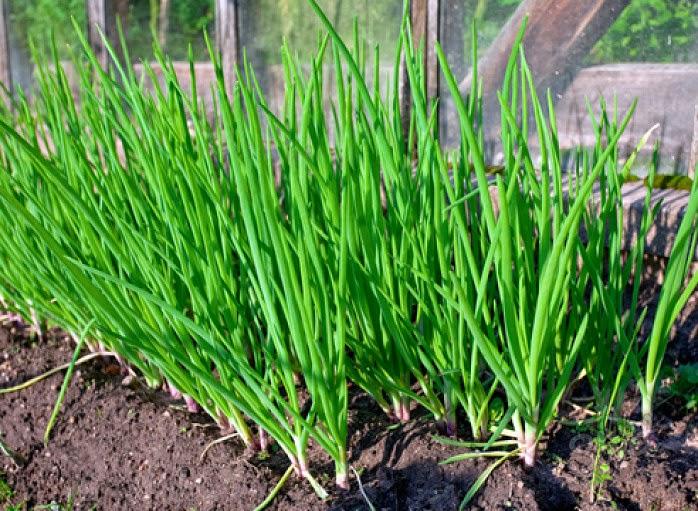
The effect of ammonia treatments lasts about a month. Therefore, after this period, the treatment is repeated. The results are visible as early as the 4th or 5th day. The onion plants acquire a richer, deeper color, become denser, and grow rapidly.
Improving the soil structure
A 10% ammonia solution has a positive effect on soil structure. It makes it more fertile, enriching it with the nutrients onions need.
How to use
If the tips of your onion bulbs suddenly start to turn white and the greens have turned pale, this is a sign of a nitrogen deficiency in the soil. This means it's time to use ammonia. Ammonia should only be used in a highly diluted form. It can be either watered at the roots to promote bulb development or sprayed on the greens to encourage vigorous growth and nutrient absorption.
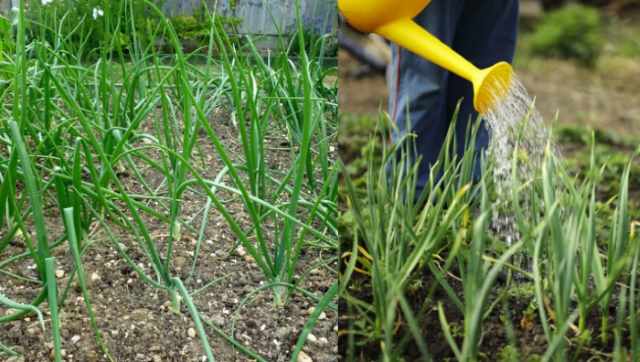
To get rid of pests, water in June and July. During this period, insects lay eggs. To kill them, water between the rows twice a month. Then, loosen the soil.
How can it cause harm?
Ammonia is beneficial for onion beds, but don't overuse it or increase the dosage or frequency of watering and spraying. Excess nitrogen significantly delays bulb ripening and reduces the shelf life of the harvest. It can also promote fungal diseases.
How to properly dilute ammonia
To ensure that ammonia brings only benefits, you need to know how to dilute it correctly.

For feeding
If plants show severe signs of nitrogen deficiency, the proportions should be as follows: add 1 tablespoon of ammonia to 1 liter of water. Pour the solution between the rows. This is the maximum dose of ammonia, so before watering, make sure the onions actually need nitrogen, and not, for example, copper. After all, whitened tips of the onion leaves could be a sign of that.
For preventive purposes
For preventative purposes, make a weaker solution. To water the roots, take 3 tablespoons of the medicinal solution and add it to a 10-liter bucket of water. Stir and water the onion beds at the roots. Do this in the evening. This amount of solution should be enough for a 2-square-meter bed.
Foliar irrigation
This irrigation is done to ensure the ammonia-based ingredients stay on the green onions for as long as possible. To do this, add 5 tablespoons of ammonia to 10 liters of water. To prolong the ammonia's action even further, add laundry soap to the solution. This will help the beneficial ingredients adhere better to the plants. Baby soap can be substituted for laundry soap.
The soap is first grated and dissolved. If the onions are grown for their greens, then the soap is replaced with dry mustard. You'll only need 2 tablespoons. The prepared mixture is not watered, but rather spritz the onions.
To combat insects
Ammonia is a powerful pest control agent. Here are some effective recipes for specific insects:
- You can fight onion and carrot flies with the following solution: pour 5 ml of the solution into 10 liters of water and spray the plants.
- To repel mole crickets and wireworms, which often infest onion crops, pour 10 ml of alcohol into a large bucket and stir. When planting, pour a small amount of the resulting solution into each hole. After planting, water the bed generously. This will help the active ingredient penetrate as deeply as possible into the soil.
- To get rid of ants, which often build their nests in garden beds, pour an entire bottle of ammonia into a liter of water. Pour the liquid over the anthills.
- If onion weevils appear in your onion beds, prepare an ammonia solution by adding a tablespoon of ammonia to a bucket of water. Water daily from the second half of June until the pests leave the area. After harvesting, remove all debris from the beds, as onion weevils love onion skins.
- Midges and aphids can be repelled with the lightest ammonia solutions.
With iodine
An iodine solution is effective against onion flies and nourishes plants. To prepare it, add 5 ml of ammonia and 3 drops of iodine to a bucket of water. Stir and spray the plants with a watering can.
With salt
Watering onion beds with salt and ammonia will help kill pathogens that accumulate in the soil due to insect activity. Prepare the solution as follows: add 5 ml of ammonia and 5 tablespoons of rock salt to 10 liters of water. Mix thoroughly and water the beds.
With boric acid
Boric acid is used as an antiseptic. It protects vegetables from possible rot and promotes fruit set. Dissolve 5 ml of ammonia and 2 teaspoons of boric acid in 10 liters of water. Spray the onion plants.
Feeding schedule
Gardeners consider this to be one of the best feeding schemes:
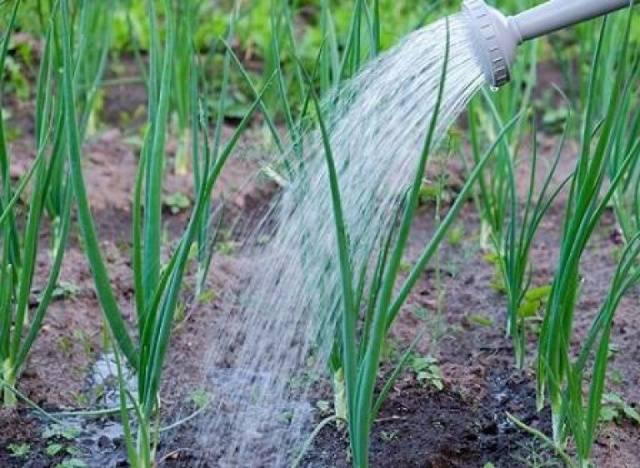
- feed the plants by watering them at the roots;
- after 7 days, feed using the foliar method;
- After another 10 days, another foliar procedure is performed;
- after the next 10 days, water the roots with the solution.
Reasons for use
When should you use ammonia:
- Ammonia is considered a quick way to fertilize onions. Therefore, if you need to take quick action, it's the right choice.
- Yellowing of the plant's stems or leaves. These symptoms require immediate attention, which is why ammonia is used.
- The onion stem has a whitened appearance. This symptom also requires treatment with ammonia.
- Feathers that are too small, growth retardation or growth cessation are other reasons to use the product.
- A thinning and breaking onion stem may indicate a lack of nutrients, including nitrogen, which is replenished with ammonia.
Precautionary measures
This useful product can become dangerous to your health if you do not follow safety rules when using it:
- It is necessary to work with ammonia wearing rubber gloves;
- Avoid contact of the solution with the skin; to do this, wear closed clothing before working with it;
- To avoid inhaling ammonia fumes, wear a mask;
- Do not mix the solution with active substances such as chlorine;
- Do not use in people with hypervascular dystonia;
- Store ammonia in a tightly closed container, out of the reach of children.
Helpful tips
After treating the onions with ammonia, you can sprinkle the affected areas with soil. This will slow down the evaporation of the ammonia.
Maximum doses of ammonia should be used only in extreme cases. Typically, significantly lower doses are effective when used as a fertilizer.
If soil acidity increases significantly, ammonia should not be used. Although it can moderately reduce soil acidity, it is insufficient in this situation. In such cases, nitrate nitrogen is used.All fertilizing using ammonia is carried out only after watering.
Reviews
Alexander: "I actively use ammonia because not only is it a versatile gardening aid, it's also readily available. And that's important."
Maria: "I recently learned that ammonia is so beneficial for growing onions. I tried it and was pleased with the results, as the harvest was truly much better than usual."
Olga: "The key when treating onions is not to overdo it. Otherwise, you could end up with scorched plants instead of a harvest. In general, ammonia actually has a positive effect on onion growth."
Related posts:
 Using ammonia in the garden and vegetable garden: how to make a solution
 Using ammonia to kill Colorado potato beetles on potatoes
 Description of the best varieties of onions, planting and care in open ground
 50 types and varieties of perennial onions with descriptions, cultivation, and care
 How to control onion flies using natural and chemical methods
 Control of onion pests using chemical and folk remedies
 Description of varieties and cultivars of wild onions, the subtleties of cultivation
 How to treat cabbage with ammonia to kill pests