
- Applications of ammonia
- Ammonia against pests
- Use as a fertilizer
- Advantages and disadvantages of the product
- Basic rules for working with ammonia
- How to properly prepare nitrogen fertilizer
- Timing and technology of fertilizing and processing
- How often should the procedure be repeated?
- How to feed a plant
- Safety precautions when working with ammonia
- Control of harmful bugs
- Snails and slugs
- Cabbage aphid
- Mole cricket
- Butterflies
- Umbrella psyllid
Treating cabbage with ammonia is an effective method for killing pests and diseases. This method is suitable for those who are against chemicals, which are harmful to mature cabbage heads. This natural substance is used not only to kill diseases and harmful bugs, but also as a fertilizer. To use the alcohol correctly, it's important to understand all the nuances.
Applications of ammonia
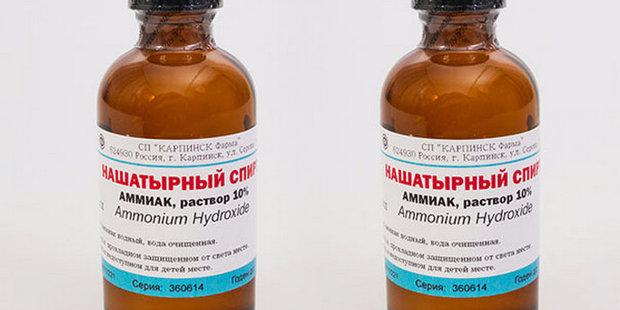
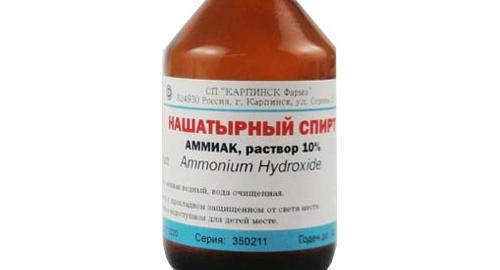
Ammonia is a colorless gas that, when combined with water, forms a new element known as ammonia. It's a universal fertilizer suitable for spraying most garden and vegetable crops. It can be purchased at pharmacies and stores specializing in such products. Most gardeners wonder whether ammonia is effective against cabbage pests and diseases. Experts agree that it's beneficial, helping to eliminate pests, improve the condition of the crop, and promote its development.
Ammonia against pests
Cabbage leaves are often attacked by pests, which can be controlled with a properly prepared ammonia solution. It is effective against the following beetles:
- caterpillars;
- mole cricket;
- slugs;
- aphids;
- white butterflies;
- small sacral flea beetle;
- scoop;
- cabbage moth larvae.
A single spraying will not kill the insects; multiple applications will be required. The number and frequency of applications depends on the specific pest.
Use as a fertilizer
Stunted growth and pale leaves are warning signs of a nitrogen deficiency. When preparing a solution, it's important to know how to dilute it to ensure the plant receives the required element. Excess nitrogen is just as harmful as deficiency. Excess nitrates are undesirable for gardeners, but 10% ammonia will do the trick.
For every 5 liters of water, you'll need 50 ml of the solution. Water the cabbage at the roots with this aqueous solution. Fertilizing alone won't be effective. To achieve results, ammonia therapy is carried out 3-5 times at weekly intervals.
Advantages and disadvantages of the product
Using ammonia against cabbage pests has a number of advantages and disadvantages. Understanding these will help you make the right choice.
| Pros | Cons |
| Safe, all-natural composition | Risk of yellowing or dying leaves |
| Possibility of application for improving soil composition | Pungent aroma |
| Effectiveness in the fight against harmful bugs | Short-term action |
| Budget price | The need to use a respirator or mask when interacting with the drug |
| Quick effect | Deterioration of health when inhaling fumes |
Basic rules for working with ammonia
Treatment of cabbage leaves with ammonia should be carried out in accordance with the rules:
- dilute the solution in strict accordance with the proportions;
- process cabbage with the required frequency and duration;
- take precautions.
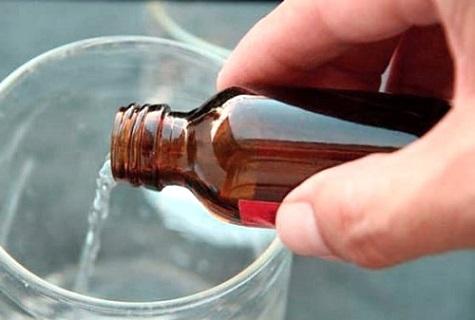 If you ignore the instructions for preparing the solution, the plant can be destroyed. The solution contains many toxic substances.
How to properly prepare nitrogen fertilizer
To prepare an ammonia-based fertilizer for soil, follow the instructions below. In case of severe nitrogen deficiency, a nitrogen solution is prepared using 50 ml of the solution diluted in 10 liters of water. This will help prepare the soil for planting. A properly diluted solution will not harm cabbage.
Timing and technology of fertilizing and processing
Spray the cabbage two weeks before planting. Apply the solution to the root zone; 50 ml per plant is needed. Water the cabbage beforehand. Use ammonia once a week. It's best to spray with ammonia in the morning or evening. Avoid spraying during the day when the sun is shining, as this can cause leaf burn. Fertilizing the soil for successful sowing and planting of seedlings is a simple process; even a novice gardener can handle it.
How often should the procedure be repeated?
Spraying young cabbage plants with ammonia as a fertilizer should be repeated two weeks after the initial application. One application is usually sufficient. Ammonia contains 82% nitrogen.
How to feed a plant
To apply root nutrition to cabbage, water it with a mixture of 6 tablespoons of alcohol mixed with 10 liters of water. To treat seedlings before planting, mix 10 ml of the solution with 10 liters of water. Water the seedlings with the solution; each seedling will require 500 ml of the solution.
Take a look Also
Safety precautions when working with ammonia
Since ammonia is extremely hazardous, it can also be harmful to humans. The following precautions must be observed.
- Prepare a respirator, consisting of a gauze bandage. This will protect the upper respiratory tract.
- Wear clothing and gloves that cover your hands as much as possible.
- It is advisable to dilute the solution outdoors or in a well-ventilated building.
- The substance must not be combined with chlorine-containing components.
- Ammonia can cause a sharp increase in blood pressure; people with hypertension should avoid contact with it.
Keep ammonia out of the reach of children and animals. Inhaling the strong odor of ammonia can cause respiratory arrest.
Control of harmful bugs
Cabbage pests attack from the beginning of its growth until it's fully ripe. The succulent leaves are a perfect breeding ground for beetles, especially caterpillars, slugs, and mole crickets. A single treatment isn't enough; it needs to be repeated several times.
Snails and slugs
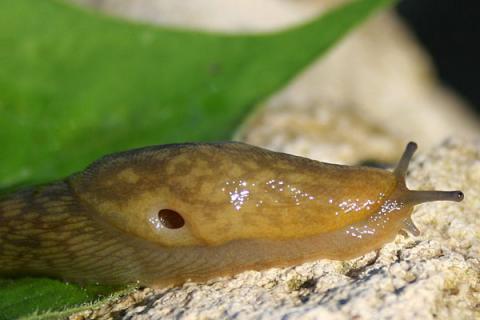
Slug attacks are common in vegetables of all ages. The beetles are visible to the naked eye in the evening. They can be removed manually, but the pests may reappear. To combat slugs, dilute 40 ml of ammonia in 5 liters of water. Spray the cabbage heads with the solution. After the first treatment, the slugs will emerge from their hiding places between the leaves. A second watering is carried out 10 minutes later, targeting the slugs. Use 2 liters of ammonia and 1 bucket of water.
Cabbage aphid
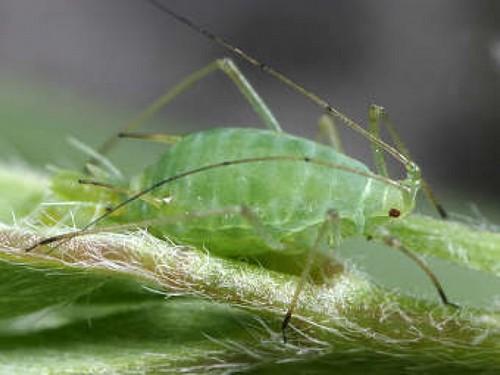
Aphid infestations usually affect young plants. Initially, it's difficult to notice the insects, as they are light green, just like the plant itself. Aphids reproduce quickly, and within a short time, they infest all the plants.
You can spot it by the characteristic holes in the cabbage and curled leaves. If you don't start treating the pests in time, the crop will die.
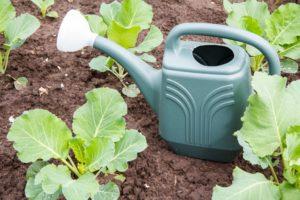
They can be destroyed using a combination of laundry soap, ammonia, and water. Take 100 grams of soap, crush it, add 1 liter of hot liquid, and stir until dissolved. Add another 9 tablespoons of settled water and 3 tablespoons of ammonia to the mixture. Then, stir the solution again. The soap creates a thick film on the leaves, which can protect the cabbage from the voracious insects. Repeat the treatment after two weeks. After this period, new larvae will emerge from the deposits, which can be effectively destroyed with ammonia.
Mole cricket
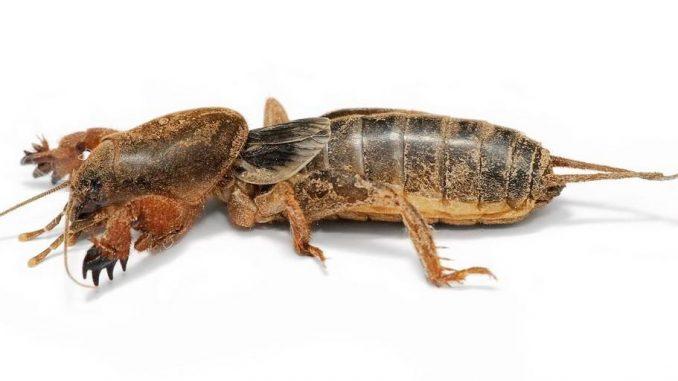
The mole cricket loves to eat cabbage, and it's difficult to get rid of. The insect flies quickly, nests in the soil, and digs holes in its breeding ground. To avoid damaging the cabbage with chemicals, experienced gardeners treat it with ammonia:
- in autumn, deep digging of the beds is done to a depth of 25-30 cm;
- in the spring, before sowing vegetables, marigolds are planted around the perimeter of the beds;
- The following autumn, manure traps are made on the soil.
These measures won't be 100% effective unless the soil is treated with a solution of water and ammonia in the spring after planting the cabbage. Only 10 ml of ammonia is needed; it's diluted in a bucket of water and then sprayed onto each plant. One watering in the spring is sufficient.
Butterflies
The butterflies are attractive and small, but they lay their eggs on cabbage. These hatch into voracious caterpillars that can cause significant damage to the cabbage. Prepare the solution as follows:
- take 50 ml of ammonia and add it to a bucket of warm water;
- Pour in 3 tablespoons of acetic acid and stir.
Wipe the above-ground portion of the plant with the solution. Repeat the procedure in the evening or early morning. Since several generations of butterflies emerge over the summer, the cabbage should be treated every 20 days.
Umbrella psyllid
Small insects feed on the sap of cabbage leaves. After winter, they awaken early and can destroy young, fragile seedlings. A distinctive sign of pest presence is curled leaves. You can stretch a rope soaked in ammonia. This will deter pests from approaching the seedlings due to the pungent odor. Another option is to spray the plant with an ammonia solution. Take 50 ml of ammonia and 10 liters of water. Mix the ingredients and spray the cabbage with the resulting solution. Perform this procedure in calm weather or in the evening.
Related posts:
 How to properly feed cucumbers with ammonia, application instructions
 Is it possible to feed peppers with ammonia and the rules for processing?
 How to feed carrots with ammonia: preparation and processing
 How to control carrot flies with ammonia, treatment methods, and watering
 How to treat and feed garlic with ammonia, and watering rules
 What folk remedies are best for treating cabbage from pests to protect it?
 What is the best way to treat cabbage from pests? Folk, chemical and biological remedies.
 What is the best way to feed cabbage for growth using folk remedies, when and how to apply fertilizers