
Growing carrots can be challenging, but proper plant care techniques can help prevent them. In addition to basic organic and mineral fertilizers, carrot feeding ammonia. This must be done skillfully to ensure the procedure benefits the vegetable.
Ammonia as a fertilizer
The use of ammonia is important for plants because:
- it contains a lot of nitrogen for bright greenery and vegetation of vegetable crops;
- protects against pests such as mole crickets, aphids, ants;
- saturates the soil with important microelements;
- prevents soil acidification;
- eliminates the pale color of carrot tops.
Nitrogen is essential for vegetable and garden plants to develop and grow. It's especially important for seedlings, which need it to strengthen. Ammonia is absorbed by vegetable tissue more quickly than other nitrogen compounds. The key is not to overdo it with the fertilizer, otherwise you can have the opposite effect.
Preparing the mixture
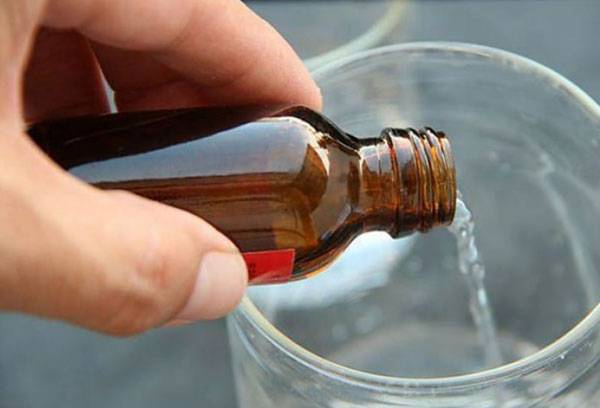
An ammonia solution for fertilizing is prepared using 50 milliliters of alcohol and 4 liters of water. A weaker concentration of the fertilizer is diluted in a different ratio: just 20 milliliters of ammonia per bucket of water. The maximum saturated nutrient solution can be made with 10 milliliters of ammonia per 1 liter of water.

Small, newly emerged seedlings should be treated with a weak solution. If nitrogen is deficient, water the mixture carefully, being careful not to get it on the delicate leaves.You need to prepare the infusion carefully, following the rules, so as not to burn yourself. Cover your hands with gloves and put on a special mask on your face.
Superphosphate and potassium
The best fertilizers for mature plants, when root formation begins, are phosphates, potassium salts, and nitrogen compounds. Ammonia is mixed with other mineral fertilizers in a bucket of water. Amounts should be 15 grams of ammonia, 20 grams of superphosphate, and 10 grams of potassium salt. The second time, add 10 grams more mineral fertilizer.


Manure
A combination of manure and ammonia is beneficial. Prepare a fertilizer from 1 part manure with ammonia and 4 parts manure. Before applying the fertilizer, let it sit for 2-3 days to allow the organic matter to be thoroughly saturated with minerals. Dilute the organic matter in water at a ratio of 1:5.
When to apply
Apply a nitrogen solution during the growth period of carrot seedlings. It's best to water the seedlings at the roots. This will allow the plant to absorb nitrogen along with other nutrients more quickly. Water a small amount of the nutrient mixture under each plant, being careful not to spill it on the leaves. Spraying is not recommended, as the nitrogen will quickly evaporate.

You can use foliar feeding when the plant begins to form fruit. Water carrots in the evening or early morning. The sun will evaporate the ammonia faster. Choose a day with calm weather.
Precautionary measures
The strong smell of ammonia is not tolerable for everyone. It is very pungent and can cause dizziness. Volatile compounds can even be inhaled, so before using this fertilizer, cover your skin and mucous membranes with special masks and gloves. Preparing the mixture requires a rubber apron or work gown. It's best to prepare the fertilizer outdoors. Indoors, ammonia vapors can damage flooring if droplets fall on it.
 Fertilizer is not used in greenhouses.
If the gardener feels unwell after working with the ammonia solution, it is necessary to:
- drink a liter of warm water;
- take 5-7 tablets of activated charcoal;
- call an ambulance.
The poisoned person should be placed on a bed. Reactions to the substance may include vomiting, nausea, dizziness, and chills. If alcohol comes into contact with the skin, rinse the affected area with running water.
Consequences of improper watering
Incorrect use of ammonia solution as a fertilizer is dangerous for carrots. If you water with a highly concentrated mixture, the seedlings may die due to stem and root burn.

Sunlight causes ammonia to evaporate from the solution, causing spots on carrot tops. Spraying during windy weather will not strengthen the vegetable crop. Ammonia vapors will spread to other plants that may not respond well to such treatment.
Take a look Also

For prevention
Gardeners have discovered the beneficial properties of ammonia, so ammonia can be used for preventative treatment of carrot beds. Treatment is carried out with an aqueous alcohol solution, as well as in combination with organic materials.
Just ammonia
A solution made from a bucket of water and a tablespoon of ammonia will help protect against pests. Many insects, garden pests, and pathogenic fungi are afraid of the unpleasant odor.

With peat
As a source of organic matter, peat is used to fertilize many vegetable crops. Combined with ammonia, it promotes proper carrot development and strengthens their immune system. Layers of peat are placed in a container or a fenced-off area. Ammonia and phosphate flour are mixed together, and the fertilizer is applied after a period of time.
With manure
Carrot beds are regularly fertilized with manure. Combined with ammonia, it prevents the introduction of fungi or pest larvae. Prepare the fertilizer in advance by placing the manure in containers and adding a little water and alcohol.

With sawdust
Sawdust alone is not a fertilizer. It's best to mix it with peat, ammonia, or manure and ammonia. Together, these substances will strengthen plants and protect against pests and infections.Carrot composts serve to loosen the soil in the carrot bed, which will allow the root crop to take in sufficient nutrition. It is worth using composts of sawdust, manure, and ammonia as mulch.
To increase green mass
Pale and weak carrot seedlings won't grow into green, fluffy bushes without nitrogen fertilizer. However, not all nitrogen fertilizers are easily absorbed by plants. Ammonia compounds are absorbed by carrot root cells. After this fertilizer, carrot tops grow rapidly. Then, the roots will also begin to develop properly, becoming juicy and sweet.

In case of nitrogen starvation
Nitrogen deficiency is dangerous for carrots, as it is for other plants. You can detect a deficiency by:
- active reproduction of pathogenic fungi;
- weak carrot shoots;
- paleness of tops;
- slowing down the plant's vegetation.
Take a look Also
As soon as signs of nitrogen deficiency appear, water the beds with an ammonia solution. Avoid using ammonia solutions in large quantities when the tops are lush and the roots are thin and pale. It's best to avoid using nitrogen compounds for the time being.

From pests
Ammonia can also be used to control carrot pests. It helps detect:
- aphids;
- ants;
- mole crickets;
- weevils;
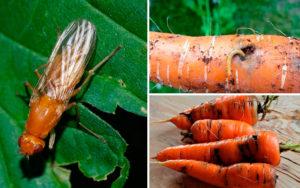
- carrot fly.
To prepare a solution against aphids, take two liters of warm water, add a few drops of alcohol and shavings of laundry soap. Let the mixture steep for half an hour. Then, apply the solution to the plant bed. Ants carry many diseases, so it's important to eliminate these pests. Before applying the solution, remove the top layer of soil from the bed. Ant larvae can hide there. After watering, the insects move on to another area.
To kill mole crickets, you will need a 10-liter solution, into which 15 milligrams of alcohol are poured.Carrot weevils are rare. However, if they do appear, they should be controlled by spraying with a solution of 30 milligrams per 5 liters of water.The pungent smell of ammonia will repel onion and carrot flies.Spray not only the carrots but also the adjacent onion beds with a weak solution. Apply on a calm, windless day, when the sun is hidden behind clouds or has already begun to set.
Related posts:
 How to control carrot flies with medications and folk remedies
 Is it possible to plant carrots in July or at the end of June? What are the best days and care instructions?
 What is the best way to feed carrots? Fertilizers and preparations, using folk remedies.
 How to properly feed cucumbers with ammonia, application instructions
 Is it possible to feed peppers with ammonia and the rules for processing?
 Timing and rules for planting carrots in winter, which variety is best to choose
 How and when to thin carrots in open ground
 Description of carrot pests and diseases and methods of control
Be careful with such fertilizers; too much can seriously harm the seedlings. It's also important to maintain proper proportions. I only use ammonia as an insect repellent.